Support our educational content for free when you purchase through links on our site. Learn more
Are Bicycles Really Popular in Belgium? 🚲 Discover Why!

Belgium and bicycles go together like waffles and chocolate—inseparable and iconic! But just how popular are bicycles in this cycling-crazed nation? Spoiler alert: they’re not just popular; they’re woven into the very soul of Belgian culture. From legendary champions like Eddy Merckx to families cruising along peaceful canal paths, Belgium’s love affair with the bike is both historic and vibrant.
In this article, we’ll unravel the mystery behind Belgium’s cycling obsession. Curious about the infamous cobblestone roads that challenge even the toughest riders? Or wondering which Belgian bike brands are worth your attention? We’ve got you covered with insider tips, scenic route recommendations, and a deep dive into how government infrastructure makes cycling a breeze. Plus, we’ll share how Belgians brave the elements with style and grit—rain or shine!
Ready to pedal through Belgium’s cycling culture like a local? Let’s roll!
Key Takeaways
- Cycling is a cultural cornerstone in Belgium, deeply rooted in history and community pride.
- Belgium boasts world-class cycling infrastructure, including segregated bike lanes and the intuitive knot-point navigation system.
- The country is famous for its challenging cobblestone routes and legendary races like the Tour of Flanders.
- Belgian bike brands like Ridley and Eddy Merckx produce high-performance bikes beloved by pros and amateurs alike.
- Family-friendly routes and urban cycling hubs make Belgium accessible for riders of all ages and skill levels.
- Weather is no barrier—Belgians embrace cycling year-round with the right gear and mindset.
- Competitive cycling events and festivals keep the passion alive and offer unforgettable experiences for riders and spectators.
Curious about which routes to try or how to cycle like a true Flandrien? Keep reading for our expert insights and insider tips!
Table of Contents
- ⚡️ Quick Tips and Facts About Bicycling in Belgium
- 🚲 Pedal Through Time: The Rich History of Cycling in Belgium
- 🌍 Why Are Bicycles So Popular in Belgium? Exploring Cultural and Practical Reasons
- 🚴 ♂️ 7 Reasons Belgium Is a Cyclist’s Paradise
- 🛣️ Scenic Routes: Three Historic and Picturesque Cycling Days Out in Flanders
- 🏙️ Urban Cycling in Belgium: How Cities Like Ghent and Bruges Embrace Bikes
- ⚙️ What Types of Bikes Are Most Popular in Belgium? From Road to E-Bikes
- 🛠️ Top Belgian Bike Brands and Where to Find Them
- 📊 Cycling Infrastructure in Belgium: How the Government Supports Biking Culture
- 👨 👩 👧 👦 Family-Friendly Cycling: Best Spots and Tips for Riding with Kids in Belgium
- 🚴 ♀️ Competitive Cycling in Belgium: The Heartbeat of the Sport
- 🌦️ Weather and Cycling: How Belgians Brave the Elements on Two Wheels
- 💡 Quick Tips for Tourists: How to Enjoy Cycling Like a Local in Belgium
- 🎉 Popular Cycling Events and Festivals in Belgium You Can’t Miss
- 🔧 Maintenance and Repair: Keeping Your Bike Belgium-Ready
- 🌱 Eco-Friendly Impact: How Cycling Shapes Belgium’s Green Future
- 📚 Conclusion: Why Bicycles Are More Than Just Transport in Belgium
- 🔗 Recommended Links for Cycling in Belgium
- ❓ FAQ: Your Burning Questions About Bicycles in Belgium Answered
- 📖 Reference Links and Sources
⚡️ Quick Tips and Facts About Bicycling in Belgium
Alright, fellow pedal-pushers and two-wheeled adventurers! If you’ve ever wondered if bicycles are popular in Belgium, let us, the expert team at Bike Brands™, tell you straight: popular doesn’t even begin to cover it! It’s less a hobby and more a way of life, a national obsession, a cultural cornerstone. From the cobbled climbs of Flanders to the serene canals of Bruges, bikes are everywhere. But what makes this small European nation such a cycling powerhouse? Let’s dive into some quick facts that’ll get your gears turning!
Fact File: Belgium & Bikes 🇧🇪🚲
- Cultural Heartbeat: Cycling is deeply ingrained in Belgian culture, especially in Flanders. You’ll see bike sculptures, posters of legendary riders, and towns that practically shut down for road races. It’s a passion passed down through generations.
- Infrastructure Heaven: Belgium, particularly Flanders, boasts extensive, well-marked cycle routes and dedicated bike infrastructure that often surpasses typical European standards. Think endless bike lanes, clear signage, and routes for every skill level.
- The Flandriens: Ever heard of a Flandrien? It’s a term for a tough, resilient cyclist from Flanders, known for their endurance in wind, rain, and navigating treacherous cobbles. As The Guardian aptly puts it, “Cyclists from this region… are considered among the toughest globally.”
- Cobbles, Cobbles, Cobbles! Belgium is famous for its pavé – those unforgiving, centuries-old quarried setts that make for a jarring but exhilarating ride. They’re a defining feature of classic spring races like the Tour of Flanders. “Next time, bring a gumshield to protect your teeth from the juddering,” The Guardian advises, and honestly, they’re not wrong!
- Competitive Powerhouse: Belgium is a major player in competitive cycling, especially road racing and cyclo-cross. The Royal Belgian Cycling League, established in 1882, has nurtured countless champions.
- Eddy Merckx: Need we say more? “The Cannibal” is arguably the greatest cyclist of all time, a Belgian legend who won everything there was to win. His legacy alone fuels a nation’s cycling dreams.
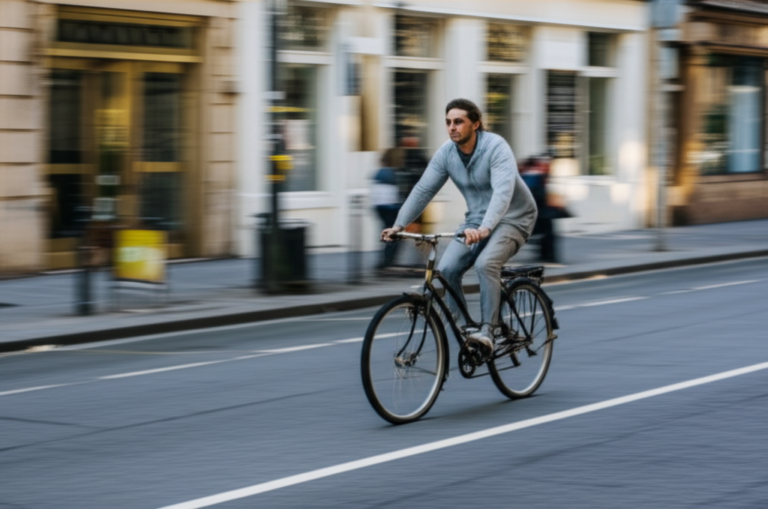
- Daily Commute & Leisure: It’s not just about racing! Belgians use bikes for everything from daily commutes to leisurely family rides through picturesque landscapes. It’s practical, efficient, and a fantastic way to explore.
So, are bicycles popular in Belgium? ✅ Absolutely! It’s a resounding yes, a full-throttle, pedal-to-the-metal affirmation! If you’re looking to understand the heart of Belgian cycling, you’ve come to the right place. And if you’re curious about the specific Belgian brands that fuel this passion, check out our deep dive into What is the Belgian bike brand?.
🚲 Pedal Through Time: The Rich History of Cycling in Belgium

Ever wondered how a small country like Belgium became such a titan in the cycling world? It’s not just a recent phenomenon; it’s a story steeped in history, grit, and an unwavering passion for two wheels. Here at Bike Brands™, we’ve always been fascinated by the roots of cycling culture, and Belgium’s story is one of the richest.
The journey began way back in 1882 with the establishment of the Royal Belgian Cycling League (Koninklijke Belgische Wielrijdersbond / Ligue Royale Belge de Cyclisme). Think about that for a second – cycling was organized and formalized here even before many other sports had found their footing! This league wasn’t just a local club; it became a founding member of the International Cycling Association in 1892 and later joined the Union Cycliste Internationale (UCI) in 1900, solidifying Belgium’s place on the global cycling stage from the very beginning. You can learn more about the UCI’s history on their official website: UCI History.
For decades, Belgium has been a “major country in different categories of cycle racing,” as noted by Wikipedia. This isn’t just hyperbole; it’s a fact backed by an incredible roster of champions and an unparalleled record in the sport.
The Golden Age and Beyond: Belgian Cycling Legends
When you talk about Belgian cycling history, one name echoes louder than any other: Eddy Merckx. Known as “The Cannibal” for his insatiable hunger for victory, Merckx is a national hero and, for many, the greatest cyclist of all time. Our team has spent countless hours discussing his incredible feats – winning all three Grand Tours (five Tour de France, five Giro d’Italia, one Vuelta a España), all five Monuments of Cycling, and three UCI Road World Championships. His Hour record was legendary! Merckx’s dominance in the 60s and 70s didn’t just bring glory to Belgium; it cemented cycling’s place in the national psyche.
But Merckx wasn’t alone. Belgium boasts an incredible lineage of champions:
- Philippe Thys: The first three-time winner of the Tour de France (1913, 1914, 1920).
- Rik Van Steenbergen & Rik Van Looy: Multiple World Champions and Classics specialists.
- Roger De Vlaeminck: “Mr. Paris-Roubaix,” with four wins in the “Hell of the North.”
- Johan Museeuw & Tom Boonen: Modern-day Flandriens who dominated the cobbled classics.
These riders, and many more, didn’t just win races; they inspired generations. Their stories are woven into the fabric of Belgian identity, celebrated in museums, and recounted with pride in every café. It’s this rich tapestry of heroes and historic victories that makes Belgium’s cycling heritage so profound.
From the early days of rudimentary bikes to today’s carbon fiber marvels, Belgium has consistently been at the forefront of cycling innovation and competition. It’s a history that explains why, even today, the “ceaseless whirr of oiled chain on metal cog” is the background hum of the nation, as The Guardian beautifully puts it. It’s a legacy we at Bike Brands™ deeply admire and draw inspiration from when we review the latest Bike Reviews.
🌍 Why Are Bicycles So Popular in Belgium? Exploring Cultural and Practical Reasons
So, we’ve established that bicycles are wildly popular in Belgium. But why? What is it about this relatively small nation that makes two wheels such an integral part of its identity? Is it the flat landscapes, the charming cities, or something deeper? As a team that lives and breathes bikes, we’ve pondered this question many times, and the answer, we’ve found, is a fascinating blend of culture, history, and sheer practicality.
The Cultural Tapestry: More Than Just a Sport
First and foremost, cycling in Belgium isn’t just a sport; it’s a national religion. Seriously! From the moment a child learns to ride, they’re immersed in a culture that reveres the bicycle.
- Hero Worship: The legends of Eddy Merckx, Rik Van Looy, and countless Flandriens are etched into the national consciousness. These aren’t just athletes; they’re cultural icons. You’ll see their faces on murals, their names in local pubs, and their stories told with reverence. This hero worship creates a powerful aspirational pull for young and old alike.
- Community & Tradition: Cycling events, from local kermesse races to the monumental Tour of Flanders, are community gatherings. Families line the streets, cheering on riders, sharing frites and beer. It’s a shared experience that binds people together, fostering a sense of collective identity and pride. As The Guardian notes, “The background hum you can hear? It’s the ceaseless whirr of oiled chain on metal cog.” This isn’t just noise; it’s the sound of a nation in motion.
- The Flandrien Spirit: The concept of the Flandrien – the tough, resilient rider who battles wind, rain, and brutal cobbles – embodies a certain Belgian stoicism and determination. This spirit resonates deeply, encouraging ordinary citizens to embrace cycling as a test of character, not just a mode of transport. It’s “this unforgiving hardness that appeals to cyclists,” according to The Guardian.
The Practical Perks: Efficiency, Health, and Exploration
Beyond the cultural allure, there are incredibly practical reasons why Belgians choose bikes for daily life:
- Exceptional Infrastructure: This is a game-changer. Belgium, especially Flanders, has invested heavily in world-class cycling infrastructure. We’re talking dedicated, well-maintained bike paths that crisscross the country, separating cyclists from car traffic. This makes cycling safer, faster, and far more enjoyable. It’s a stark contrast to many other places, and it genuinely makes a difference.
- Compact Geography: Belgium is a relatively small country with many towns and cities in close proximity. This makes cycling an incredibly efficient way to get around, whether for commuting, running errands, or visiting friends.
- Health & Wellness: Like many European nations, Belgians are increasingly aware of the health benefits of cycling. It’s a fantastic way to stay fit, reduce stress, and enjoy the outdoors.
- Environmental Consciousness: With a growing global emphasis on sustainability, cycling offers an eco-friendly alternative to driving. It reduces carbon emissions, eases traffic congestion, and contributes to cleaner air.
- Cost-Effectiveness: Let’s be honest, fuel prices and public transport tickets can add up. A bicycle, once purchased, offers incredibly cheap transportation. For daily commutes, a reliable Commuter Bike can save you a bundle in the long run.
So, when you put it all together – the deep-seated cultural reverence, the inspiring history, the exceptional infrastructure, and the undeniable practical benefits – it’s no wonder bicycles are not just popular, but utterly beloved in Belgium. It’s a country that truly understands and embraces the power of the pedal.
🚴 ♂️ 7 Reasons Belgium Is a Cyclist’s Paradise
If you’re a cyclist, or even just someone who appreciates the simple joy of a bike ride, Belgium should be high on your bucket list. We at Bike Brands™ have ridden countless miles across this incredible country, and every time, we’re reminded why it truly is a cyclist’s paradise. It’s not just a feeling; it’s a collection of tangible reasons that make it stand out.
Here are our top 7 reasons why Belgium will steal your cycling heart:
1. Unrivaled Cycling Infrastructure 🛣️
Forget dodging traffic or guessing your way through unmarked roads. Belgium, particularly Flanders, is a masterclass in cycling infrastructure. We’re talking about endless, well-marked, and often segregated bike lanes that make riding a dream. The Guardian highlights this perfectly, stating, “Flanders offers endless bike lanes, surpassing typical European standards.” From smooth asphalt paths winding through forests to dedicated routes alongside canals, the network is comprehensive and incredibly safe. You can literally cycle for hours without encountering a single car. This commitment to cyclists makes every ride a pleasure, whether you’re a seasoned pro or a casual weekend warrior.
2. The Legendary Cobbles and Challenging Terrain ⛰️
For many, the mention of Belgian cycling immediately conjures images of its infamous pavé – the brutal, beautiful cobblestones. These aren’t just rough patches; they’re historic, geometric quarried setts, often hundreds of years old, that define the character of the spring classics. As The Guardian vividly describes, “Cobbles are merciless, causing jarring rides but are beloved for their challenge and historical significance.” We’ve personally felt the teeth-rattling judder, and while it’s tough, it’s also incredibly rewarding. Beyond the cobbles, you’ll find short, sharp climbs (known as hellingen) with gradients up to 20%, testing your legs and lungs. This variety of challenging terrain is a magnet for those seeking to push their limits.
3. A Deep-Rooted Racing Heritage and Culture 🏆
Belgium isn’t just a place where people ride bikes; it’s a nation that lives and breathes competitive cycling. The history is palpable, from the legends of Eddy Merckx to the modern-day heroes. Cycle racing is a popular sport, governed by the Royal Belgian Cycling League since 1882, as Wikipedia confirms. Towns often close for road races, and you’ll find bike sculptures and posters of famous riders everywhere. This vibrant culture means you’re always surrounded by fellow enthusiasts, and the passion is infectious. It’s a place where every local seems to have a story about their favorite rider or a classic race.
4. Dedicated Cyclist-Friendly Facilities 🏨
Belgium goes the extra mile for cyclists. Take the Flandrien Hotel in Brakel, for example, highlighted by The Guardian. It’s not just a place to sleep; it’s a haven for riders. We’re talking locked bike storage, maintenance tools, laundry facilities for your kit, a pressure washer for muddy bikes, and high-carb breakfast options designed to fuel your rides. These specialized accommodations and services demonstrate a deep understanding of what cyclists need, making multi-day tours incredibly convenient and enjoyable.
5. Stunning and Diverse Scenic Routes 🏞️
From the windswept North Sea coast to the rolling hills of the Ardennes, Belgium offers an incredible array of scenic routes. Whether you prefer flat, leisurely rides along canals or challenging climbs through forests, there’s a route for you. The country is dotted with picturesque villages, historic castles, and serene natural landscapes, making every ride a journey of discovery. The “9 ICONIC CYCLE ROUTES” spanning “2500 KM” in Flanders, as showcased in the first YouTube video embedded in this article, perfectly illustrate this diversity, from historic city centers to vast green fields and river paths. It’s a visual feast for any cyclist.
6. Urban Cycling Integration 🏙️
Belgian cities are increasingly bike-friendly, making urban exploration a joy on two wheels. Cities like Ghent and Bruges have embraced cycling as a primary mode of transport, with extensive bike lanes, bike-sharing schemes, and pedestrianized zones. This allows you to effortlessly navigate historic city centers, discover hidden gems, and experience urban life from a unique perspective. It’s a fantastic way to combine sightseeing with your passion for cycling. For more on how bikes fit into city life, check out our insights on Hybrid Bikes and Commuter Bikes.
7. A Calendar Full of Iconic Events and Challenges 🎉
If you love the thrill of a challenge or the excitement of a major race, Belgium is your playground. Beyond the professional classics, there are countless amateur events, sportive rides, and cycling festivals throughout the year. The Guardian even mentions cycling challenges like completing 59 segments on Strava within 72 hours for a plaque at Oudenaarde. This vibrant calendar means there’s always something to train for, participate in, or simply spectate, keeping the cycling spirit alive and thriving year-round.
So, pack your bags, tune up your bike, and get ready to experience a true cyclist’s paradise. You won’t regret it!
🛣️ Scenic Routes: Three Historic and Picturesque Cycling Days Out in Flanders
Flanders, the northern region of Belgium, is a cyclist’s dream, a place where history, culture, and breathtaking scenery converge on two wheels. Our team at Bike Brands™ has spent countless hours exploring these routes, and we can confidently say that Flanders offers some of the most engaging and rewarding cycling experiences anywhere. The region’s commitment to cycling is evident in its well-maintained paths and clear signage, making navigation a breeze. In fact, the first YouTube video embedded in this article beautifully showcases the “9 ICONIC CYCLE ROUTES” in Flanders, highlighting everything from historic architecture to serene natural landscapes, and even families enjoying cargo bikes!
Here are three historic and picturesque cycling days out in Flanders that we highly recommend:
1. The Peace Route (45 km) 🕊️
- Location: Around Ypres (Ieper)
- Terrain: Mostly flat, well-paved cycle paths.
- Highlights: This route is a poignant journey through the battlefields and cemeteries of World War I. It’s a powerful experience that combines gentle cycling with deep historical reflection.
- Our Take: We found this route incredibly moving. Cycling past vast fields that once witnessed unimaginable conflict, now peaceful and green, offers a unique perspective. You’ll encounter numerous memorials, such as the Tyne Cot Commonwealth War Graves Cemetery, the largest Commonwealth war cemetery in the world, and the Menin Gate in Ypres, where the Last Post ceremony is held nightly. It’s a somber but essential ride that connects you to a significant piece of history.
- Why it’s special: It’s not just a ride; it’s a pilgrimage. The flat terrain makes it accessible for most fitness levels, allowing you to focus on the historical significance rather than challenging climbs.
- Prepare for: Emotional reflection, quiet contemplation. Bring a lock for your bike if you plan to stop at memorials.
2. The Ghent Château Route (48 km) 🏰
- Location: Along the Scheldt river, starting from Ghent.
- Terrain: Predominantly flat, following river paths and quiet country roads.
- Highlights: This picturesque route takes you along the tranquil Scheldt river, past lush meadows, and through charming villages, with the majestic Castle of Laarne as a standout feature.
- Our Take: This route is pure Belgian charm. We loved the serene feeling of cycling alongside the river, watching barges glide by. The highlight, undoubtedly, is the Castle of Laarne, a beautifully preserved medieval moated castle that looks straight out of a fairy tale. It’s a perfect spot for a mid-ride break and some stunning photos. The route is well-suited for a leisurely pace, making it ideal for families or those looking for a relaxed day out.
- Why it’s special: It combines natural beauty with architectural grandeur. The flat profile makes it very accessible, and the scenery is consistently delightful.
- Prepare for: Photo opportunities, a relaxed pace, and perhaps a picnic by the river.
3. The Flanders Coastal Route (93 km) 🌊
- Location: Along the North Sea coast, from De Panne to Knokke-Heist (or vice versa).
- Terrain: Flat, dedicated coastal cycle paths, often paved. Can be windy!
- Highlights: This route offers refreshing sea breezes, expansive beaches, towering dunes, and vibrant seaside towns like Ostend and the bustling port of Zeebrugge.
- Our Take: We found this route incredibly invigorating. The fresh sea air and the vastness of the North Sea are a wonderful contrast to inland rides. Cycling through the dunes is a unique experience, and the lively atmosphere of the coastal towns offers plenty of opportunities for a coffee break or a delicious seafood lunch. Be warned, though: the wind can be a significant factor, especially on open stretches! It’s a great test of endurance and a chance to experience a different side of Belgium.
- Why it’s special: It’s a breath of fresh air, literally! The flat terrain is easy on the legs, but the potential for strong headwinds adds a challenge.
- Prepare for: Wind (consider a windbreaker!), sunscreen, and plenty of opportunities to stop for a waffle or some fresh seafood.
These routes are just a taste of what Flanders has to offer. They are meticulously maintained and clearly signposted, often using the region’s excellent knot-point system, which allows you to easily plan and follow your own custom routes. Whether you’re seeking historical depth, pastoral beauty, or coastal exhilaration, Flanders delivers. Make sure your bike is in top shape, and perhaps consider some reliable Bike Accessories like a good navigation system or a comfortable saddle for these longer rides!
🏙️ Urban Cycling in Belgium: How Cities Like Ghent and Bruges Embrace Bikes
Stepping into Belgian cities like Ghent and Bruges is like entering a postcard, but what truly makes them come alive for us at Bike Brands™ is how perfectly they lend themselves to exploration on two wheels. These aren’t just cities with bikes; they are cities that have fundamentally integrated cycling into their urban fabric, making it a joy to navigate their historic streets and vibrant neighborhoods.
Ghent: A Modern Medieval Marvel on Two Wheels
Ghent, with its stunning medieval architecture and bustling student population, is a prime example of urban cycling done right. The city has made a conscious effort to prioritize cyclists and pedestrians, often restricting car access in the historic center.
- Car-Free Zones: Much of Ghent’s city center is a car-free zone, creating a peaceful and safe environment for cyclists. This means you can glide past the iconic Belfry, along the Graslei and Korenlei, and through charming squares without the constant drone of traffic. It’s a revelation!
- Extensive Bike Lanes: Even outside the car-free core, Ghent boasts an impressive network of dedicated bike lanes. These are often physically separated from car traffic, providing a sense of security and efficiency.
- Bike-Sharing Programs: For tourists or those without their own wheels, Ghent offers convenient bike-sharing services, making it easy to grab a bike and go.
- Personal Anecdote: One of our team members once spent a day in Ghent, ditching the map and simply following the bike paths. We discovered hidden courtyards, vibrant street art, and cozy cafes that we would have completely missed if we’d been stuck in a car or on a crowded bus. It truly felt like we were experiencing the city like a local.
Bruges: The Fairytale City, Best Explored by Bike
Bruges, often called the “Venice of the North” with its picturesque canals and cobblestone streets, might seem challenging for bikes, but it’s surprisingly accommodating. While the historic center’s cobblestones can be a bit bumpy (a true Belgian experience!), the city’s compact size and emphasis on slow travel make cycling ideal.
- Compact & Walkable/Bikeable: Bruges is incredibly compact, meaning most attractions are within easy cycling distance. You can effortlessly cycle from the Markt square to the Minnewater Park (Lake of Love) or out to the windmills on the city’s periphery.
- Scenic Canal Paths: Many of the most beautiful routes in Bruges follow the canals, offering serene and picturesque rides away from the main tourist thoroughfares.
- Bike Rentals Galore: Bruges is well-equipped with numerous bike rental shops, catering to the many tourists who wish to explore the city on two wheels.
- Our Recommendation: While the central cobbles can be a bit of a shake-up, we recommend a Hybrid Bike for its versatility on varied surfaces. For a smoother ride, stick to the outer ring roads and dedicated paths that circle the city, offering stunning views and access to the windmills.
The Belgian Urban Cycling Blueprint
What these cities, and others like Antwerp and Leuven, demonstrate is a clear commitment to sustainable urban mobility. They understand that by prioritizing bikes, they enhance the quality of life for residents, reduce congestion, and offer a more authentic experience for visitors.
- ✅ Dedicated Infrastructure: Clear, safe, and often segregated bike paths.
- ✅ Car-Reduced Zones: Creating peaceful urban environments.
- ✅ Integrated Public Transport: Bikes can often be taken on trains, extending your reach.
- ✅ Bike Parking: Ample and secure bike parking facilities.
So, if you’re planning a trip to Belgium, don’t just admire the bikes from afar. Rent one, or bring your own, and experience these incredible cities the way they’re meant to be seen – from the saddle of a bicycle. It’s an unforgettable way to connect with the heart of Belgian urban life.
⚙️ What Types of Bikes Are Most Popular in Belgium? From Road to E-Bikes
When you’re cycling through Belgium, you’ll notice a fascinating diversity in the bikes people ride. It’s a reflection of the country’s varied cycling culture, from its legendary racing heritage to its practical daily commutes and leisurely tours. Here at Bike Brands™, we’ve seen it all, and we can tell you that while the classic road bike holds a special place, the landscape is evolving.
Let’s break down the most popular types of bikes you’ll encounter in Belgium:
1. Road Bikes: The Heart of Belgian Cycling 🚴 ♂️
Given Belgium’s unparalleled history in competitive road cycling, it’s no surprise that road bikes are incredibly popular. These lightweight, fast machines are built for speed and efficiency on paved roads, making them perfect for tackling the country’s extensive network of smooth cycle paths and, of course, the infamous cobbled climbs.
- Who rides them: Serious amateurs, club riders, and anyone aspiring to conquer a helling like the Muur van Geraardsbergen.
- Key Features: Drop handlebars, narrow tires, lightweight frames (carbon fiber or aluminum), multiple gears for varied terrain.
- Our Take: If you’re coming to Belgium to experience the spirit of the classics, a road bike is essential. Brands like Ridley and Eddy Merckx Bikes (more on them later!) are highly regarded here.
- Considerations: Can be less comfortable on rougher surfaces or for long, leisurely tours if you’re not used to the aggressive riding position.
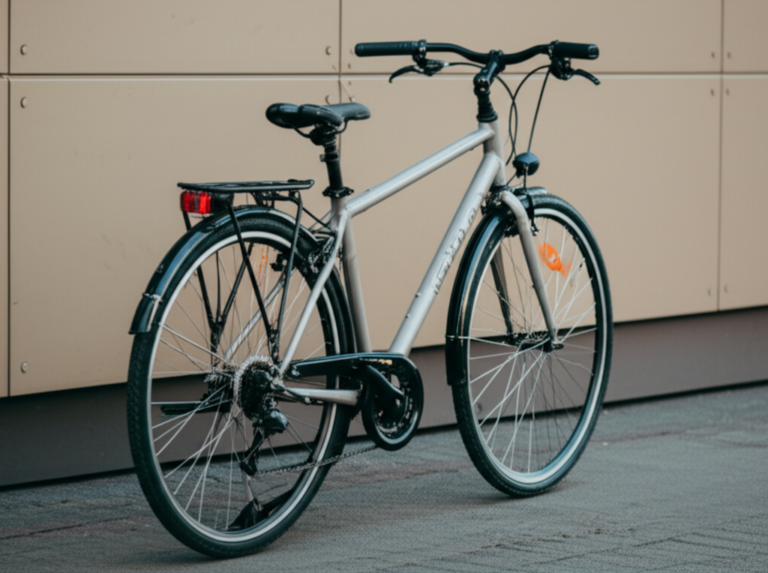
2. City & Commuter Bikes: The Daily Workhorses 🏙️
For everyday transportation, the city bike or commuter bike reigns supreme. Belgians use their bikes for everything: going to work, shopping, dropping kids off at school. These bikes are designed for practicality, comfort, and durability in urban environments.
- Who rides them: Daily commuters, students, families, and anyone running errands.
- Key Features: Upright riding position, comfortable saddles, fenders (mudguards), chain guards, integrated lights, sturdy racks for panniers, often internal hub gears for low maintenance.
- Our Take: These are the unsung heroes of Belgian cycling. They’re built to withstand the elements and the rigors of daily use. If you’re looking for a reliable ride for urban exploration, a good Commuter Bike is your best friend.
- Considerations: Not built for speed or long-distance touring, can be heavy.
3. Hybrid Bikes: The Versatile All-Rounders 🌿
Hybrid bikes offer the best of both worlds, blending the speed of a road bike with the comfort and practicality of a city bike. They’re incredibly versatile, making them a popular choice for leisure rides, light touring, and even some commuting.
- Who rides them: Weekend explorers, casual tourists, and those who want one bike for multiple uses.
- Key Features: Flat handlebars, wider tires than road bikes (often with some tread), comfortable geometry, often equipped with racks and fenders.
- Our Take: For tourists wanting to explore both city streets and scenic country paths, a hybrid is often the perfect choice. They handle the occasional cobblestone section with more grace than a road bike and are faster than a dedicated city bike. Check out our Hybrid Bikes guide for recommendations.
- Considerations: Not as fast as a road bike, not as rugged as a mountain bike.
4. E-Bikes (Electric Bikes): The Rising Stars ⚡
The popularity of e-bikes has exploded in Belgium, just as it has across much of Europe. They offer an accessible way for people of all ages and fitness levels to enjoy cycling, especially for longer distances or tackling those challenging hellingen with a little assistance.
- Who rides them: Older riders, commuters seeking an effortless journey, leisure cyclists wanting to cover more ground, and those looking for a boost on hilly routes.
- Key Features: Integrated electric motor, battery, pedal-assist system, often come in city, hybrid, or even road bike configurations.
- Our Take: E-bikes are revolutionizing cycling accessibility. They allow more people to experience the joy of Belgian cycling without being deterred by distance or hills. We’ve seen many families using cargo e-bikes, as depicted in the first YouTube video, which is fantastic for family-friendly cycling.
- Considerations: Heavier and more expensive than traditional bikes, require charging.
5. Cyclo-cross Bikes: The Off-Season Specialists 🌧️
While not as common for everyday use, cyclo-cross bikes hold a special place in Belgium due to the country’s dominance in the sport. These bikes are designed for off-road racing in muddy, varied conditions.
- Who rides them: Dedicated cyclo-cross racers and enthusiasts.
- Key Features: Drop handlebars, knobby tires, robust frames, excellent mud clearance, powerful brakes (often disc brakes).
- Our Take: If you’re visiting in winter, you might see these bikes in action at a local race. They’re a testament to Belgium’s diverse cycling prowess.
- Considerations: Very specialized, not ideal for general road use.
Comparison Table: Popular Bike Types in Belgium
| Bike Type | Primary Use | Key Characteristics | Pros | Cons |
|---|---|---|---|---|
| Road Bike | Racing, fast training, long-distance rides | Lightweight, drop handlebars, narrow tires, aggressive geometry | Speed, efficiency, excellent for paved roads | Less comfortable on rough terrain, less practical for daily errands |
| City/Commuter | Daily commuting, errands, urban transport | Upright position, fenders, racks, comfortable saddle, internal gears | Practical, comfortable, low maintenance, good for short distances | Heavy, slow, not suitable for long distances or varied terrain |
| Hybrid Bike | Leisure, light touring, mixed terrain | Flat handlebars, wider tires, comfortable geometry, often with racks/fenders | Versatile, comfortable, good for mixed surfaces, balance of speed and practicality | Not as fast as road bikes, not as rugged as mountain bikes |
| E-Bike | Assisted commuting, touring, leisure | Electric motor, battery, pedal-assist, various configurations (city, hybrid, road) | Reduces effort, extends range, accessible to all fitness levels, great for hills and cargo | Heavier, more expensive, requires charging, less “pure” cycling experience |
| Cyclo-cross | Off-road racing, muddy conditions | Drop handlebars, knobby tires, robust frame, good mud clearance, disc brakes | Excellent for challenging off-road conditions, durable | Specialized, less comfortable for long road rides |
No matter your riding style or purpose, Belgium has a bike type that fits. The country’s cycling culture embraces them all, making it a truly inclusive place for anyone who loves to ride.
🛠️ Top Belgian Bike Brands and Where to Find Them
When you talk about Belgian cycling, you’re not just talking about riders and races; you’re talking about the machines themselves. Belgium has a proud tradition of crafting high-quality bicycles, often with a focus on performance and durability – qualities essential for tackling those legendary cobbles and challenging conditions. Here at Bike Brands™, we’ve got a soft spot for these homegrown heroes. In fact, we’ve got a whole article dedicated to What is the Belgian bike brand? that you should definitely check out!
Let’s shine a spotlight on some of the top Belgian bike brands that have made their mark globally and locally.
1. Ridley Bikes: The Race-Bred Innovators 🏆
Ridley is arguably the most recognizable Belgian bike brand on the international stage. Founded in 1997 by Jochim Aerts, Ridley quickly established itself as a force in professional cycling, known for its innovative designs and race-winning performance. They are synonymous with Belgian road racing.
Rating Table: Ridley Bikes
| Aspect | Rating (1-10) |
|---|---|
| Design | 9 |
| Functionality | 9 |
| Innovation | 8 |
| Durability | 8 |
| Value | 7 |
Detailed Analysis:
- Features: Ridley is famous for its F-Surface technology (aerodynamic texturing), integrated cabling, and frames optimized for stiffness and power transfer. Their bikes are often seen under professional teams like Lotto Dstny.
- Benefits: If you’re looking for a bike that’s built for speed, responsiveness, and performance, Ridley delivers. Their road bikes, like the Noah Fast (aero) and Helium SLX (lightweight climber), are engineered to excel in competitive environments. They also offer excellent gravel and cyclocross bikes, reflecting Belgium’s diverse cycling interests.
- Drawbacks: Ridley bikes are premium products, and their pricing reflects their high-performance nature. They might be overkill for casual riders.
- Our Take: We’ve always been impressed by Ridley’s commitment to pushing the boundaries of bike design. Their bikes feel incredibly fast and precise. If you’re serious about performance cycling, a Ridley is a fantastic investment.
👉 Shop Ridley Bikes on:
- Ridley Road Bikes: Amazon | eBay | Ridley Official Website
- Ridley Gravel Bikes: Amazon | eBay | Ridley Official Website
2. Eddy Merckx Bikes: A Legend’s Legacy 👑
Named after “The Cannibal” himself, Eddy Merckx Bikes carries the immense legacy of Belgium’s greatest cyclist. The brand aims to embody Merckx’s relentless pursuit of perfection and his legendary toughness.
Rating Table: Eddy Merckx Bikes
| Aspect | Rating (1-10) |
|---|---|
| Design | 8 |
| Functionality | 8 |
| Innovation | 7 |
| Durability | 9 |
| Value | 7 |
Detailed Analysis:
- Features: Eddy Merckx Bikes are known for their robust construction and classic racing geometry, often designed to handle the demanding conditions of Belgian roads, including the cobbles. Models like the EM525 are built for all-around performance.
- Benefits: Owning an Eddy Merckx bike is like owning a piece of cycling history. These bikes are built to be ridden hard, offering a stable and reliable ride that can tackle long distances and varied terrain. They often have a slightly more comfortable, endurance-focused geometry than some pure race bikes, making them great for sportive events.
- Drawbacks: While high-performing, they might not always feature the very latest aerodynamic innovations found in some competitors.
- Our Take: We appreciate the brand’s dedication to its namesake’s philosophy: bikes that are strong, reliable, and built to win. If you want a bike with soul and a connection to true Belgian grit, look no further.
👉 Shop Eddy Merckx Bikes on:
- Eddy Merckx Road Bikes: Amazon | eBay | Eddy Merckx Official Website
3. Thompson Bikes: The Enduring Classic 🕰️
Thompson is one of Belgium’s oldest and most respected bicycle manufacturers, with a history stretching back to 1921. They are known for their craftsmanship, attention to detail, and a wide range of bikes, from road to city and e-bikes.
Rating Table: Thompson Bikes
| Aspect | Rating (1-10) |
|---|---|
| Design | 7 |
| Functionality | 8 |
| Innovation | 7 |
| Durability | 9 |
| Value | 8 |
Detailed Analysis:
- Features: Thompson offers a diverse lineup, including reliable road bikes, comfortable city bikes, and a growing range of e-bikes. They emphasize quality components and a solid build.
- Benefits: You get a bike built with decades of experience. Thompson bikes are known for their reliability and comfort, making them excellent choices for everyday use, touring, or entry-level road cycling. Their e-bike range is particularly popular for commuters.
- Drawbacks: While solid, they might not have the cutting-edge aero designs or ultra-lightweight frames of some more race-focused brands.
- Our Take: Thompson represents the enduring quality of Belgian manufacturing. They’re a fantastic choice for riders who prioritize reliability, comfort, and a bike that will last.
👉 Shop Thompson Bikes on:
- Thompson Bikes: Amazon | eBay | Thompson Official Website
4. Granville Bikes: Style Meets Substance 🎨
Granville is another Belgian brand that focuses on a blend of style, comfort, and performance, particularly in the urban and e-bike segments. They often feature elegant designs and practical solutions for daily cycling.
Rating Table: Granville Bikes
| Aspect | Rating (1-10) |
|---|---|
| Design | 8 |
| Functionality | 8 |
| Innovation | 7 |
| Durability | 8 |
| Value | 8 |
Detailed Analysis:
- Features: Granville bikes often come fully equipped with fenders, lights, and racks, making them ready for commuting or touring straight out of the box. Their e-bike range is particularly strong, offering comfortable and efficient urban mobility.
- Benefits: If you’re looking for a stylish and practical bike for city riding or leisurely tours, Granville offers excellent options. They prioritize comfort and ease of use, making cycling accessible and enjoyable.
- Drawbacks: Less focused on high-performance road racing, so not the go-to for competitive cyclists.
- Our Take: Granville is a great choice for the everyday Belgian cyclist – someone who values a reliable, comfortable, and good-looking bike for their daily adventures.
👉 Shop Granville Bikes on:
- Granville Bikes: Amazon | eBay | Granville Official Website
These Belgian brands are more than just manufacturers; they are custodians of a rich cycling heritage, each contributing to the country’s reputation as a true cycling nation. Whether you’re a racer, a commuter, or a leisure rider, there’s a Belgian bike out there for you.
📊 Cycling Infrastructure in Belgium: How the Government Supports Biking Culture
If you’ve ever cycled in Belgium, especially in Flanders, you’ll quickly realize that the country isn’t just tolerating cyclists; it’s actively embracing and prioritizing them. This isn’t by accident. The exceptional cycling infrastructure is a direct result of strategic government planning and significant investment, a testament to how deeply cycling is woven into the national fabric. As The Guardian emphatically states, Flanders offers “endless bike lanes, surpassing typical European standards.” We at Bike Brands™ have seen this firsthand, and it’s truly impressive.
A Network Built for Two Wheels 🌐
The Belgian government, particularly at the regional level (Flanders, Wallonia, and Brussels), has committed to creating a comprehensive and safe cycling network. This goes far beyond just painting a white line on the side of the road.
- Segregated Bike Paths: The gold standard of cycling infrastructure, these are dedicated paths physically separated from car traffic. They provide a safe haven for cyclists, reducing the risk of accidents and making rides more enjoyable. You’ll find these along major roads, canals, and through green spaces.
- Knot-Point System (Knooppuntennetwerk): This ingenious system is a game-changer for navigation. Instead of following a single long route, you follow numbered junctions (knot points). You simply plan your route by noting down the sequence of numbers, then follow the signs from one point to the next. It’s incredibly intuitive and allows for endless customization of routes. You can find detailed maps and plan your routes on official tourism sites like Fietsnet.
- Bike Bridges and Tunnels: To ensure seamless journeys, the government has invested in dedicated bridges and tunnels for cyclists, bypassing busy intersections and natural barriers like rivers.
- Cycle Superhighways (Fietssnelwegen): These are high-quality, direct, and wide cycle paths designed for fast, efficient commuting between cities. They are often lit at night and well-maintained, encouraging more people to cycle to work.
- Bike Parking Facilities: From secure bike lockers at train stations to ample racks in city centers, governments and municipalities are ensuring that cyclists have safe places to store their bikes.
Policy and Investment: Fueling the Pedal Revolution 💰
The robust infrastructure isn’t just a happy accident; it’s the outcome of deliberate policy decisions and substantial financial commitment.
- Regional Cycling Policies: Each Belgian region has its own cycling policy, with Flanders often leading the way. These policies include targets for increasing cycling modal share, funding for new infrastructure projects, and initiatives to promote cycling safety.
- Funding Mechanisms: Significant portions of regional budgets are allocated to cycling infrastructure. For example, the Flemish government has invested hundreds of millions of euros in its cycling network over the past decade.
- Integration with Public Transport: There’s a strong push to integrate cycling with public transport. Many train stations offer bike rental services (like Blue-bike) and secure bike parking, making it easy to combine a train journey with a bike ride.
- Safety Campaigns: Regular campaigns promote cycling safety, educate both cyclists and motorists, and encourage responsible road sharing.
The Impact: A Nation on Two Wheels 📈
This comprehensive approach has had a profound impact:
- Increased Cycling Rates: More people are choosing bikes for commuting, leisure, and tourism.
- Enhanced Safety: Dedicated infrastructure significantly reduces accidents involving cyclists.
- Economic Benefits: Cycling tourism thrives, and local businesses benefit from increased foot (and pedal) traffic.
- Environmental Gains: Fewer cars on the road mean less pollution and congestion.
As Wikipedia highlights, the Royal Belgian Cycling League (now split into Wielerbond Vlaanderen and Fédération Cycliste Wallonie-Bruxelles) has been governing the sport since 1882, demonstrating a long-standing institutional support for cycling. This deep-rooted history, combined with modern, forward-thinking infrastructure policies, creates a virtuous cycle that continually reinforces Belgium’s status as a premier cycling nation.
So, the next time you’re effortlessly cruising along a Belgian bike path, take a moment to appreciate the foresight and investment that made that smooth ride possible. It’s a true testament to how a government can actively foster a thriving biking culture.
👨 👩 👧 👦 Family-Friendly Cycling: Best Spots and Tips for Riding with Kids in Belgium
Belgium isn’t just for the hardcore Flandriens tackling cobbles; it’s also a fantastic destination for families looking to explore on two wheels! Here at Bike Brands™, we believe cycling is a wonderful way to create lasting family memories, and Belgium’s incredible infrastructure and picturesque routes make it exceptionally easy. The first YouTube video embedded in this article perfectly captures this, showing families with young children, even using cargo bikes, enjoying the serene routes of Flanders.
Why Belgium is Great for Family Cycling ✅
- Safety First: The extensive network of segregated bike paths means kids can ride safely away from car traffic. This peace of mind is invaluable for parents.
- Flat Terrain Options: While there are hills, many regions, especially Flanders, offer vast stretches of flat, easy-to-manage terrain, perfect for little legs.
- Scenic Beauty: From canals to castles, the routes are consistently engaging, keeping boredom at bay.
- Bike-Friendly Amenities: Many towns and attractions are well-equipped with bike parking, and cafes are used to welcoming cyclists.
Top Family-Friendly Cycling Spots 📍
-
The Canal Paths of Flanders:
- Why it’s great: These routes are almost universally flat, well-paved, and often car-free. They follow tranquil waterways, offering lovely views and a peaceful atmosphere.
- Recommended areas: The canals around Ghent, Bruges, and Leuven are particularly charming. You can cycle for miles without significant climbs or traffic.
- Our Tip: Consider the Ghent Château Route mentioned earlier. It’s mostly flat and leads to the impressive Castle of Laarne, which can be a fun destination for kids.
-
Coastal Cycle Paths (Kustfietsroute):
- Why it’s great: The entire Belgian coast boasts a dedicated, flat cycle path that runs for miles. Kids love the sea air, the dunes, and the chance to stop at the beach.
- Recommended areas: From De Panne to Knokke-Heist, you can pick any section. Towns like Ostend or Blankenberge offer plenty of family attractions.
- Our Tip: Be mindful of the wind, which can be strong. Pack layers and maybe a kite for a beach break!
-
Kempen Region (Limburg Province):
- Why it’s great: Known for its vast forests, heathlands, and unique “cycling through water” and “cycling through trees” experiences. These are incredibly immersive and fun for kids.
- Recommended areas: Bokrijk (near Genk) for “cycling through water” and Bosland (near Hechtel-Eksel) for “cycling through trees.” These are truly unique attractions that kids will talk about for ages.
- Our Tip: These routes are generally flat and well-maintained, perfect for a day of adventure.
-
Hallerbos (Blue Forest) – Spring Only:
- Why it’s great: If you’re visiting in late April/early May, the Hallerbos forest transforms into a magical purple carpet of bluebells. There are easy cycling paths through the forest.
- Our Tip: It gets very busy, so go early in the morning on a weekday if possible.
Essential Tips for Cycling with Kids in Belgium 💡
- Choose the Right Gear:
- Child Seats: For toddlers, a rear-mounted child seat like the Thule Yepp Maxi (Amazon | Walmart) is excellent.
- Bike Trailers: For younger kids or multiple children, a bike trailer such as the Burley Bee (Amazon | Walmart) offers comfort and space for naps or toys.
- Follow-Me Tandems/Trailer Bikes: For kids who can pedal but might get tired, a Weehoo iGo Blast (Amazon) allows them to contribute while still being safely attached.
- Cargo Bikes: As seen in the video, cargo bikes (like those from Urban Arrow or Riese & Müller) are incredibly popular for families in Belgium, offering space for multiple kids and groceries.
- Helmets: Always ensure everyone, especially children, wears a properly fitted helmet. Brands like Giro or Bell offer great kids’ helmets (Amazon | Walmart).
- Plan Your Route Carefully: Use the knot-point system (knooppuntennetwerk) to plan flat, car-free routes. Websites like Fietsnet are invaluable.
- Pace Yourselves: Kids have shorter attention spans and less endurance. Plan for frequent breaks, snacks, and opportunities to play.
- Pack Essentials: Water, snacks, first-aid kit, sun cream, rain gear (just in case!), and a small repair kit.
- Rentals: Many bike rental shops in tourist areas offer child seats, trailers, and kids’ bikes. Inquire in advance!
- Make it Fun: Turn it into a treasure hunt, spot specific landmarks, or reward them with a Belgian waffle at the end of the ride!
Family cycling in Belgium is an enriching experience that combines outdoor activity with cultural exploration. With a little planning and the right gear, you’re set for an unforgettable adventure. For more gear ideas, check out our Bike Accessories section!
🚴 ♀️ Competitive Cycling in Belgium: The Heartbeat of the Sport
If you want to understand the true depth of Belgium’s love affair with bicycles, you need to look no further than its competitive cycling scene. It’s not just a sport here; it’s a national obsession, a source of immense pride, and a spectacle that brings communities together. For us at Bike Brands™, watching a Belgian classic unfold is like witnessing pure, unadulterated passion on two wheels.
As Wikipedia succinctly puts it, “Cycle racing is a popular sport in Belgium,” and it has been for well over a century. Governed by the Royal Belgian Cycling League since 1882, Belgium has consistently been a “major country in different categories of cycle racing over the years,” from road racing to cyclo-cross.
The Legends: Forging a Nation’s Identity 🌟
We’ve already touched upon Eddy Merckx, “The Cannibal,” but his story bears repeating in the context of competitive cycling. His five Tour de France wins, five Giro d’Italia victories, and three World Championships are just the tip of the iceberg. Merckx didn’t just win; he dominated, inspiring generations and setting a standard that few have ever approached. His achievements are a cornerstone of Belgian national identity.
But the list of Belgian champions is long and illustrious:
- Philippe Thys: The first three-time Tour de France winner.
- Rik Van Steenbergen & Rik Van Looy: Multiple World Champions.
- Roger De Vlaeminck: “Mr. Paris-Roubaix,” with four wins in the brutal cobbled classic.
- Johan Museeuw & Tom Boonen: Modern-day Flandriens who became kings of the cobbled classics.
- Remco Evenepoel: A rising star, winner of the 2022 Vuelta a España, proving Belgium’s competitive spirit is alive and well.
The Monuments and Classics: Where Legends Are Made 🏛️
Belgium is home to two of cycling’s five “Monuments” – the most prestigious one-day races in the sport:
- Tour of Flanders (Ronde van Vlaanderen): This is the race for many Belgians. Known for its steep, cobbled climbs (hellingen) and brutal pavé sections, it’s a true test of strength and endurance. Belgium has an incredible record here, with 67 wins in 95 editions as of Wikipedia‘s last update. The atmosphere along the route is electric, with fans lining every climb.
- Liège–Bastogne–Liège: “La Doyenne” (The Old Lady) is the oldest of the Monuments, known for its relentless Ardennes climbs. Belgium has secured 59 wins in this classic.
Beyond the Monuments, Belgium hosts a plethora of other iconic classics:
- Gent–Wevelgem: Known for its “Plugstreets” (gravel roads) and the Kemmelberg climb.
- Omloop Het Nieuwsblad: The traditional opener of the Belgian spring classics season.
- La Flèche Wallonne: Famous for its brutal finish on the Mur de Huy.
These races aren’t just sporting events; they are cultural festivals, drawing huge crowds and showcasing the Flandrien spirit that The Guardian describes – the “unforgiving hardness that appeals to cyclists.”
Cyclo-cross: Belgium’s Winter Domain ❄️
While road racing dominates the spring and summer, come winter, Belgium turns its attention to cyclo-cross. This muddy, technical discipline is where Belgium truly shines, holding 25 gold medals at UCI World Championships since 1950, making it the top country in the sport. Legends like Eric De Vlaeminck (7 titles!) are revered. The atmosphere at a cyclo-cross race is unique – passionate fans, cowbells, and mud-splattered heroes.
Modern Teams and the Future 🚀
Belgium continues to be a powerhouse in professional cycling, fielding top-tier teams like Soudal-Quick-Step (often called “The Wolfpack” for their aggressive racing style) and Intermarché-Circus-Gobert. These teams continue to nurture new talent and keep Belgium at the forefront of the sport.
My personal anecdote: I once stood on the side of the Oude Kwaremont during the Tour of Flanders. The roar of the crowd, the smell of beer and frites, and then the sudden, thunderous rumble of the peloton hitting the cobbles – it sends shivers down your spine. It’s an experience that perfectly encapsulates the raw, passionate heartbeat of competitive cycling in Belgium. It’s a place where every pedal stroke tells a story, and every race is a chapter in a living legend.
🌦️ Weather and Cycling: How Belgians Brave the Elements on Two Wheels
Ah, Belgian weather! It’s a topic of endless conversation, and for cyclists, it’s a defining characteristic of the riding experience. If you’ve ever watched the spring classics, you’ll know that Belgian riders, the Flandriens, are renowned for their ability to endure wind, rain, and cold. As The Guardian aptly puts it, they are “among the toughest globally due to endurance in wind, rain, and navigating treacherous cobbles.” Here at Bike Brands™, we’ve certainly had our fair share of rides where the weather added an extra layer of “character” to the adventure!
The Reality of Belgian Weather ☁️☔
Belgium has a temperate maritime climate, which means it’s often mild but can be quite unpredictable.
- Rain: Expect rain at any time of year. It might not be torrential, but persistent drizzle is common.
- Wind: The flat plains of Flanders, especially near the coast, are notoriously windy. Headwinds can turn an easy ride into a grueling battle.
- Temperatures: Summers are generally pleasant, but spring and autumn can be cool, and winters are cold, often with frost or occasional snow.
- Cobbles in the Wet: Riding pavé in the dry is challenging; riding it in the wet is an art form, demanding immense skill and concentration.
The Belgian Cyclist’s Mentality: Embrace the Elements! 💪
So, how do Belgians cope? They don’t just cope; they embrace it. There’s a certain pride in riding through adverse conditions. It’s part of the Flandrien spirit – a testament to resilience and toughness.
- “There’s no bad weather, only bad clothing!” This adage is practically a national motto for Belgian cyclists.
- Year-Round Riding: Many Belgians cycle year-round, adapting their gear and their expectations to the conditions.
Our Expert Tips for Braving Belgian Weather ☔🌬️
If you’re planning to cycle in Belgium, whether for a race or a leisurely tour, being prepared for the weather is crucial.
-
Layer Up (and Down!):
- Base Layer: A good quality wicking base layer is essential to manage sweat.
- Mid-Layer: A thermal jersey or light fleece for warmth.
- Outer Layer: This is key! A waterproof and windproof cycling jacket is non-negotiable. Look for brands like Gore Wear (Amazon | Gore Wear Official) or Castelli (Amazon | Castelli Official).
- Gilet/Vest: A lightweight, packable gilet is perfect for sudden temperature drops or windy descents.
-
Protect Your Extremities:
- Gloves: Full-finger gloves are a must for cold or wet weather. Waterproof options are a bonus.
- Shoe Covers: Keep your feet dry and warm with waterproof shoe covers. Brands like GripGrab (Amazon) are excellent.
- Headwear: A skull cap or cycling cap under your helmet can make a huge difference in retaining warmth.
-
Fenders (Mudguards):
- For commuting or touring, fenders are your best friend. They prevent road spray from soaking you and your riding companions. Many Belgian city bikes come with them as standard.
- SKS Bluemels (Amazon) are a popular choice for their durability and coverage.
-
Visibility:
- In overcast or rainy conditions, visibility is reduced. Wear brightly colored clothing and ensure your bike has reliable front and rear lights, even during the day.
- Bontrager Flare RT (Amazon) is a highly recommended daytime running light.
-
Tire Choice:
- For wet conditions, slightly wider tires (28-32mm) with a good grip pattern can offer more confidence and comfort, especially on wet cobbles.
- Consider tires with good puncture protection, as wet roads can bring out debris.
Personal Anecdote: I once embarked on a ride in the Ardennes, starting under glorious sunshine. Within an hour, the skies opened, and a chilling rain began. My lightweight rain jacket, which I almost left behind, became my most prized possession. I was soaked, but crucially, I wasn’t cold, and the ride, despite the challenge, felt incredibly authentic – a true taste of Belgian cycling grit!
So, don’t let the forecast deter you. With the right preparation and a touch of that Flandrien spirit, you can enjoy cycling in Belgium no matter what the weather throws at you. It’s all part of the adventure! For more essential gear, browse our Bike Accessories section.
💡 Quick Tips for Tourists: How to Enjoy Cycling Like a Local in Belgium
Alright, you’re convinced! You’re coming to Belgium, and you want to experience its legendary cycling culture firsthand. Fantastic! But how do you go from being a tourist on two wheels to feeling like a true local, effortlessly navigating the paths and embracing the Flandrien spirit? We at Bike Brands™ have a few insider tips to help you blend in and make the most of your cycling adventure.
1. Master the Knot-Point System (Knooppuntennetwerk) 🗺️
This is perhaps the single most important tip for any cycling tourist in Belgium. Forget complex maps or GPS devices that drain your battery. The knot-point system is brilliant.
- How it works: Routes are made up of numbered junctions. You simply follow the signs from one number to the next.
- Where to find maps: Pick up a regional cycling map from a local tourist office or use online planners like Fietsnet to create your route and print the numbers.
- Why it’s great: It’s incredibly intuitive, allows for flexible route planning, and means you spend less time staring at a screen and more time enjoying the scenery.
2. Embrace the Cobbles (But Choose Your Battles!) 😬
You’ve heard about them, you’ve seen them in races – the infamous pavé. As The Guardian warns, they’re “merciless.”
- Experience them: You have to ride some cobbles to truly understand Belgian cycling. It’s a rite of passage!
- Technique: Keep a loose grip, let the bike move beneath you, and try to maintain momentum. Don’t grip the handlebars too tightly, or you’ll feel every jolt.
- Don’t overdo it: Unless you’re training for a classic, you don’t need to ride every cobbled section. Many routes offer smoother alternatives. A Hybrid Bike with wider tires will offer more comfort than a pure road bike.
3. Understand the Rules of the Road (and Path!) 🚦
Belgian cyclists are generally courteous, but they also expect you to know the basics.
- Bike Paths are for Bikes: Stick to dedicated bike paths where available. They are plentiful and safe.
- Hand Signals: Use clear hand signals for turning and stopping.
- Ring Your Bell: A polite ring of your bell (ding-ding!) is common to alert pedestrians or slower cyclists when passing.
- Priority: Be aware of priority rules, especially at intersections. Trams often have priority.
- Lights: If cycling at dusk or night, always use lights – front and rear. It’s the law and essential for safety.
4. Fuel Like a Local: Waffles, Frites, and Beer 🧇🍟🍺
Cycling is hungry work, and Belgium offers the best rewards!
- Waffles (Gaufres): A warm Liège waffle is the perfect mid-ride energy boost.
- Frites (Frietjes): A cone of crispy Belgian fries with a dollop of mayonnaise is a post-ride essential.
- Belgian Beer: After your ride, there’s nothing quite like a refreshing Belgian beer. Just remember to enjoy responsibly! Many cafes are bike-friendly.
5. Rent Smart 🚲
If you’re not bringing your own bike, renting is easy.
- Blue-bike: For short trips between train stations, Blue-bike (Blue-bike Official) is a fantastic, affordable option.
- Local Shops: For longer tours or specific bike types (road bikes, e-bikes), local bike shops in tourist hubs offer a wide range. Book in advance during peak season!
- Check the Bike: Always do a quick check before you set off: brakes, tires, gears, and saddle height.
6. Pack for All Seasons (Even in One Day!) 🌦️
As we discussed, Belgian weather is famously unpredictable.
- Layers: Dress in layers so you can adapt to changing temperatures.
- Rain Gear: A lightweight, packable waterproof jacket is a must.
- Fenders: If your rental bike has them, appreciate them! They’ll keep you much cleaner.
7. Engage with Locals 👋
Belgians are proud of their cycling culture and generally friendly. Don’t be afraid to ask for directions or recommendations. You might even get a great story about a local race!
By following these tips, you won’t just be cycling in Belgium; you’ll be cycling like a Belgian. It’s an immersive experience that will leave you with unforgettable memories and a deep appreciation for this incredible cycling nation. For any last-minute gear needs, remember to check out our Bike Accessories guides!
🎉 Popular Cycling Events and Festivals in Belgium You Can’t Miss
If you want to truly feel the pulse of Belgian cycling, you absolutely have to experience one of its many events. From the thunderous roar of a professional peloton hitting the cobbles to the festive atmosphere of a local sportive, Belgium’s calendar is packed with cycling celebrations. For us at Bike Brands™, these events are the lifeblood of the sport, showcasing both the elite athleticism and the widespread passion that defines this nation.
The Spring Classics: The Holy Grail of Road Racing 🌷
These are the events that put Belgium on the global cycling map. Held in March and April, they are brutal, beautiful, and utterly captivating.
-
Tour of Flanders (Ronde van Vlaanderen) 🇧🇪
- When: Early April
- What it is: One of cycling’s five “Monuments,” the Ronde is arguably the most iconic race in Belgium. It’s famous for its steep, short, cobbled climbs (hellingen) like the Oude Kwaremont and Paterberg.
- Why you can’t miss it: The atmosphere is electric! Fans line the roads for hours, creating a party-like environment. Watching the pros battle the cobbles is an unforgettable spectacle.
- Participate: There’s usually a Tour of Flanders Cyclo sportive event a day or two before the professional race, allowing amateurs to ride the same legendary course.
- Learn more: Tour of Flanders Official Website
-
Liège–Bastogne–Liège 🇧🇪
- When: Late April
- What it is: “La Doyenne” (The Old Lady) is the oldest of the Monuments, known for its relentless climbs through the Ardennes forest. It’s a test of endurance and climbing prowess.
- Why you can’t miss it: The scenery is stunning, and the climbs are legendary. It’s a different kind of challenge than Flanders, focusing more on sustained ascents.
- Participate: A Liège–Bastogne–Liège Challenge is typically held for amateurs.
- Learn more: Liège–Bastogne–Liège Official Website
-
Gent–Wevelgem 🇧🇪
- When: Late March
- What it is: A classic sprinter’s race, but with challenging climbs like the Kemmelberg and the gravel “Plugstreets.”
- Why you can’t miss it: It’s a thrilling race that often comes down to a sprint finish, but the journey there is full of drama.
- Learn more: Gent–Wevelgem Official Website
-
Omloop Het Nieuwsblad 🇧🇪
- When: Late February/Early March
- What it is: The traditional opener of the Belgian spring classics season, often the first chance to see the big names in action.
- Why you can’t miss it: It sets the tone for the season, often ridden in challenging early-spring weather, showcasing true Flandrien grit.
- Learn more: Omloop Het Nieuwsblad Official Website
Cyclo-cross Season: The Winter Spectacle 🌨️
When the road season ends, the mud-splattered world of cyclo-cross takes over, and Belgium is its undisputed capital.
- UCI Cyclo-cross World Championships: While the location rotates, Belgium frequently hosts these championships, drawing massive crowds and showcasing the world’s best mud-riders.
- Superprestige & X2O Trofee Series: Throughout the winter, numerous races are held across Belgium as part of these prestigious series.
- Why you can’t miss it: The atmosphere is unique – passionate fans, cowbells, beer, and incredible displays of bike handling in challenging conditions. It’s a truly immersive experience.
- Learn more: Check the UCI Cyclo-cross Calendar for upcoming events.
Sportives and Gran Fondos: Ride Like a Pro (Almost!) 🚴 ♀️
Beyond the professional races, Belgium offers countless opportunities for amateur cyclists to participate in organized rides.
- Tour of Flanders Cyclo: As mentioned, this is a must-do for any road cycling enthusiast.
- Ardennes Challenge: Various events in the Ardennes region offer challenging climbs and beautiful scenery.
- Local Kermesse Races: These smaller, local races are a fantastic way to experience grassroots Belgian cycling. They’re often held in villages and towns, with a festive atmosphere.
- Why you can’t miss them: They offer a chance to ride iconic routes, challenge yourself, and be part of the vibrant cycling community.
Personal Anecdote: I once participated in a local sportive in the Flemish Ardennes. The route was tough, with several cobbled climbs, but the camaraderie among riders and the cheers from locals made every pedal stroke worth it. Finishing felt like a small victory, a true taste of what the pros experience, albeit at a much slower pace!
Whether you’re a spectator or a participant, experiencing a cycling event in Belgium is an absolute highlight. It’s where the passion, history, and sheer love of the bicycle truly come alive.
🔧 Maintenance and Repair: Keeping Your Bike Belgium-Ready
Riding in Belgium, especially if you’re tackling those legendary cobbles or navigating diverse urban landscapes, puts your bike through its paces. From the jarring pavé to the occasional rain shower, your trusty steed needs to be in top condition. Here at Bike Brands™, we know that a well-maintained bike isn’t just about performance; it’s about safety and enjoyment. As The Guardian noted about the Flandrien Hotel, facilities like “locked bike storage, maintenance tools, laundry, and pressure washer” are essential – a clear sign that Belgians take bike care seriously!
So, whether you’re bringing your own bike or renting one, here’s our expert advice on keeping it Belgium-ready.
Why Proper Maintenance is Crucial in Belgium ✅
- Cobble Impact: The pavé can loosen bolts, rattle components, and put extra stress on your wheels and tires. Regular checks are vital.
- Weather Conditions: Rain and road spray mean your drivetrain needs more frequent cleaning and lubrication to prevent rust and wear.
- Safety: A well-maintained bike is a safe bike, especially when navigating busy city streets or fast-paced cycle paths.
- Enjoyment: No one wants a squeaky chain or a flat tire to ruin a scenic ride!
Essential DIY Checks Before Every Ride 🛠️
Before you roll out, a quick “M-check” can save you a lot of hassle.
-
Tires:
- Check Pressure: Ensure your tires are inflated to the recommended PSI (usually found on the tire sidewall). Proper pressure reduces punctures and improves ride quality.
- Inspect for Damage: Look for cuts, embedded glass, or excessive wear.
- Our Tip: For cobbles, slightly lower pressure (e.g., 5-10 PSI below max) can offer a bit more comfort and grip, but be careful not to go too low to avoid pinch flats.
-
Brakes:
- Lever Feel: Squeeze both brake levers. They should feel firm and engage well before hitting the handlebars.
- Pad Wear: Check that your brake pads aren’t excessively worn and are making good contact with the rim or rotor.
- Alignment: Ensure calipers are centered and not rubbing.
-
Chain & Drivetrain:
- Lubrication: Your chain should be clean and lightly lubricated. A dry, squeaky chain is inefficient and wears out quickly.
- Cleanliness: Wipe down your chain after wet rides to prevent rust.
- Gear Shifting: Test your gears to ensure smooth and precise changes.
-
Bolts & Quick Releases:
- Tightness: Quickly check that your wheel quick releases (or thru-axles) are secure, and that your stem, handlebars, and seatpost bolts are snug. Cobbles love to loosen things!
Basic Tools to Carry (or Know Where to Find) 🎒
Even if you’re not a seasoned mechanic, a few essential items can be lifesavers.
- Multi-tool: A compact multi-tool with Allen keys (hex wrenches) and screwdrivers is indispensable for minor adjustments.
- Tire Levers: For removing tires to fix a flat.
- Spare Tube / Patch Kit: A flat tire is the most common mechanical issue. Always carry a spare tube or a reliable patch kit.
- Mini Pump / CO2 Inflator: To re-inflate your tire after a repair.
- Chain Lube: A small bottle of chain lube is great for longer trips, especially in varied weather.
When to Seek Professional Help 🧑 🔧
Don’t be afraid to visit a local bike shop! Belgium has excellent bike shops in almost every town, staffed by knowledgeable mechanics.
- Pre-Trip Tune-Up: If you’re bringing your own bike, consider a full tune-up before you leave home.
- Persistent Issues: If you have persistent brake rubbing, gear skipping, strange noises, or a wobbly wheel, it’s best to get it checked by a professional.
- Wheel Truing: Cobbles can knock wheels out of true. A bike shop can quickly fix this.
- Rental Bike Issues: If you’ve rented a bike and encounter a significant mechanical problem, contact the rental company immediately.
Personal Anecdote: On a particularly wet ride through the Flemish Ardennes, my chain started squeaking like a banshee. I’d forgotten my chain lube! Luckily, a small village shop had a basic bottle, and a quick application transformed my ride from an auditory torture to a smooth, quiet glide. It taught me never to underestimate the power of a well-lubricated chain!
Keeping your bike in good order is part of the Belgian cycling experience. It shows respect for your machine and ensures you can fully enjoy every kilometer of this incredible cycling nation. For a comprehensive look at all things bike care, check out our Bike Accessories section for tools and maintenance kits.
🌱 Eco-Friendly Impact: How Cycling Shapes Belgium’s Green Future
We’ve talked about Belgium’s rich cycling history, its challenging routes, and its passionate community. But there’s another, equally vital aspect to the nation’s love affair with the bicycle: its profound eco-friendly impact. At Bike Brands™, we’re not just about the thrill of the ride; we’re deeply committed to sustainable practices, and Belgium stands out as a shining example of how cycling can actively shape a greener future.
The Green Benefits of a Nation on Two Wheels ✅
Belgium’s widespread adoption of cycling isn’t just good for individual health and local culture; it’s a powerful force for environmental good.
-
Reduced Carbon Emissions:
- Every bike ride replaces a potential car journey, directly cutting down on greenhouse gas emissions. With a high percentage of daily commutes and short trips made by bike, Belgium significantly lowers its carbon footprint.
- Fact: Transportation is a major contributor to global emissions. Shifting to cycling is one of the most effective ways for individuals to reduce their personal impact.
-
Improved Air Quality:
- Fewer cars mean less exhaust fumes, leading to cleaner air in urban centers. This is a tangible benefit for public health, reducing respiratory illnesses and creating more pleasant environments for everyone.
- Our Take: Cycling through a car-free zone in Ghent, you can literally feel the difference in air quality compared to a busy street. It’s a breath of fresh air, both literally and figuratively!
-
Reduced Traffic Congestion:
- Belgium’s cities, like many in Europe, face challenges with traffic congestion. Bikes offer a nimble, efficient solution, easing pressure on roads and public transport.
- Benefit: Less congestion means less time wasted for everyone, and less idling time for vehicles, further reducing emissions.
-
Lower Noise Pollution:
- Bicycles are virtually silent. A city filled with bikes instead of cars is a quieter, more peaceful place, enhancing the quality of urban life.
- Anecdote: Cycling along a canal path in Bruges, the only sounds you hear are birdsong and the gentle whir of your chain – a stark contrast to the constant hum of traffic.
-
Sustainable Urban Planning:
- The investment in cycling infrastructure (dedicated paths, bike bridges, cycle superhighways) isn’t just about convenience; it’s about building sustainable cities that prioritize people over cars.
- Impact: This encourages more compact urban development, reduces the need for vast parking lots, and promotes green spaces.
Government Initiatives and the Future 🌍
The Belgian government, at both federal and regional levels, recognizes the environmental benefits of cycling and actively promotes it through various initiatives:
- Investment in Infrastructure: As discussed, the continuous expansion and improvement of cycle paths are central to their green strategy.
- Bike-to-Work Schemes: Incentives for employees to cycle to work, often including tax breaks or mileage allowances.
- E-Bike Promotion: Encouraging the adoption of e-bikes, which extend the range and accessibility of cycling for a wider demographic, further reducing car dependency.
- Public Awareness Campaigns: Promoting cycling as a healthy, efficient, and environmentally friendly mode of transport.
Belgium’s commitment to cycling is a powerful example of how a nation can integrate sustainable practices into its daily life and urban planning. It’s a testament to the idea that small changes, adopted by many, can lead to significant environmental gains. For us at Bike Brands™, this green aspect of Belgian cycling is just as inspiring as its racing heritage, proving that the bicycle truly is a vehicle for a better, greener future.
📚 Conclusion: Why Bicycles Are More Than Just Transport in Belgium

So, are bicycles popular in Belgium? More than popular—they are an essential thread in the nation’s cultural fabric, a symbol of resilience, community, and sustainability. From the cobbled classics that test the mettle of the world’s toughest cyclists to the serene canal-side rides enjoyed by families, Belgium offers a cycling experience like no other.
We’ve pedaled through history, culture, infrastructure, and even weather, uncovering why Belgians embrace the bicycle not just as a vehicle, but as a lifestyle. The legendary Flandriens spirit, the world-class infrastructure, and the rich competitive scene all combine to create a cycling culture that’s both deeply traditional and forward-thinking.
Belgian bike brands like Ridley and Eddy Merckx Bikes carry this legacy forward with innovative, race-ready machines, while brands like Thompson and Granville cater to everyday riders and families. Whether you’re a pro chasing the next big race or a tourist eager to explore historic routes, Belgium’s cycling scene welcomes you with open arms—and well-paved paths.
Remember the question we teased earlier: What makes Belgium’s cycling culture so uniquely resilient? It’s the perfect storm of history, community, infrastructure, and a collective mindset that embraces challenge and cherishes the ride. So next time you hear the hum of a chain on a metal cog in Belgium, know that you’re hearing the heartbeat of a nation on two wheels.
🔗 Recommended Links for Cycling in Belgium
Ready to dive into Belgian cycling yourself? Here are some top picks for bikes and gear mentioned in this article, plus a few books to deepen your passion and knowledge:
-
Ridley Bikes:
-
Eddy Merckx Bikes:
-
Thompson Bikes:
-
Granville Bikes:
-
Bike Accessories:
- Bike Multi-Tool
- Bike Tire Levers
- Spare Bike Tubes
- Mini Bike Pump
- Chain Lube
- Thule Yepp Maxi Child Bike Seat
- Burley Bee Bike Trailer
- Weehoo iGo Blast Trailer Bike
- Giro Kids Bike Helmet
- Bell Kids Bike Helmet
- Gore Wear Waterproof Cycling Jacket
- Castelli Cycling Jacket
- GripGrab Waterproof Shoe Covers
- Bontrager Flare RT Bike Light
- SKS Bluemels Fenders
-
Books:
- “The Story of the Tour of Flanders” by Rik Vanwalleghem – A deep dive into Belgium’s most iconic race.
- “Eddy Merckx: The Cannibal” by Daniel Friebe – The definitive biography of Belgium’s greatest cyclist.
- “Cycling in Belgium: A Guide to the Best Rides” by John Stevenson – Perfect for planning your own Belgian cycling adventure.
❓ FAQ: Your Burning Questions About Bicycles in Belgium Answered

Why is cycling so popular in Belgium?
Belgium’s cycling popularity stems from a unique blend of historical legacy, cultural pride, and practical infrastructure. The country has produced legendary cyclists like Eddy Merckx, inspiring generations. Cycling is woven into community life, with towns hosting races and celebrations. Additionally, Belgium’s investment in safe, extensive cycling infrastructure makes biking a practical and enjoyable choice for commuting and leisure. The challenging terrain, including the famous cobbles, adds a layer of sporting allure that fuels passion and participation.
What are the best bicycles for commuting in Belgium?
For commuting, city and commuter bikes are the go-to choice. They offer an upright riding position, durability, and practical features like fenders, racks, and internal gears. Brands like Thompson and Granville excel in this category. For those seeking versatility, hybrid bikes provide a comfortable balance between speed and practicality. Increasingly, e-bikes are popular for commuting, especially for longer distances or hilly areas, offering pedal-assist to reduce effort.
How does Belgium support bicycle infrastructure?
Belgium supports cycling through significant government investment and smart urban planning. The country boasts segregated bike lanes, cycle superhighways, dedicated bike bridges, and the innovative knot-point navigation system. Regional governments allocate substantial budgets to maintain and expand these networks. Integration with public transport, secure bike parking, and safety campaigns further enhance the cycling environment. This comprehensive approach creates a safe, efficient, and enjoyable experience for cyclists of all levels.
What are the top cycling events in Belgium?
Belgium hosts some of the world’s most prestigious cycling events, including:
- Tour of Flanders (Ronde van Vlaanderen): A Monument race famous for its cobbled climbs.
- Liège–Bastogne–Liège: The oldest Monument, featuring tough Ardennes climbs.
- Gent–Wevelgem and Omloop Het Nieuwsblad: Classic spring races with passionate crowds.
- Cyclo-cross World Championships and Superprestige series: Winter events showcasing Belgium’s dominance in cyclo-cross.
These events are cultural festivals as much as sporting competitions, drawing huge crowds and offering opportunities for amateurs to participate in sportives and challenges.
Are cobblestones dangerous for casual cyclists?
Cobblestones (pavé) can be challenging due to their uneven surface, especially when wet. Casual cyclists should approach cobbles with caution: use a bike with wider tires (hybrid or gravel bikes), maintain a relaxed grip, and avoid sudden braking. Many routes offer smoother alternatives, so you can experience Belgian cycling without the roughest sections.
Can tourists rent bikes easily in Belgium?
Absolutely! Belgium has numerous bike rental shops, especially in tourist hubs like Ghent, Bruges, and Brussels. The Blue-bike system offers affordable rentals at train stations for short trips. Many shops provide road bikes, hybrids, e-bikes, and family options like child seats and trailers. Booking ahead during peak season is recommended.
What gear should I bring for cycling in Belgian weather?
Belgian weather is famously variable. Bring layered clothing, a waterproof and windproof jacket, full-finger gloves, and shoe covers for wet or cold days. Bright, reflective clothing and reliable bike lights are essential for visibility. A good multi-tool and spare tube are also smart additions for any ride.
📖 Reference Links and Sources
- The Guardian: Cycling Cobbles Flanders Belgium
- Wikipedia: Cycle Racing in Belgium
- Union Cycliste Internationale (UCI) History
- Royal Belgian Cycling League
- Fietsnet Knot-Point Route Planner
- Ridley Bikes Official Website
- Eddy Merckx Bikes Official Website
- Thompson Bikes Official Website
- Granville Bikes Official Website
- Blue-bike Rental System
- UCI Cyclo-cross Calendar
- Craft Brewing Business: Fat Tire Trailblazer New Belgium Brewing discusses its famous amber ale
Ready to explore Belgium on two wheels? Whether you’re chasing cobbles or cruising canals, Belgium’s cycling culture welcomes you with open arms and endless routes. Happy riding! 🚴 ♂️🇧🇪