Support our educational content for free when you purchase through links on our site. Learn more
Which Bike Is Best for Local Use? 8 Top Picks for 2026 🚲


Choosing the perfect bike for local use can feel like navigating a maze—should you go for a hybrid, an e-bike, or maybe a cargo bike? At Bike Brands™, we’ve tested them all, from city cruisers to mountain-ready machines, to bring you the ultimate guide. Did you know that nearly 50% of all U.S. bike trips are under 5 miles? That means your ideal local bike needs to be versatile, comfortable, and practical for short rides with varied terrain. Whether you’re running errands, commuting, or enjoying family rides, this article breaks down the best bikes tailored to your neighborhood’s unique demands.
Stick around because later we’ll reveal the top-rated kids’ bikes that prioritize safety and fun, plus the cargo solutions that make hauling groceries a breeze. Plus, we’ll share insider tips on how to pick the right bike fit and gear up for safe, joyful rides. Ready to find your perfect two-wheeled companion? Let’s roll!
Key Takeaways
- Hybrid bikes reign supreme for most local riders due to their versatility and comfort.
- E-bikes (Class I & II) are transforming local commutes by making hills and cargo effortless.
- Family biking needs special attention: balance bikes for kids and cargo bikes for hauling.
- Safety gear like MIPS helmets and quality locks are essential for every rider.
- Test rides and proper bike fit are non-negotiable to ensure long-term enjoyment.
👉 CHECK PRICE on:
- Hybrid Bikes: Amazon | Trek Official
- E-Bikes: Amazon | Rad Power Bikes
- Kids’ Bikes: Amazon | Guardian Bikes
- Cargo Bikes: Amazon | Tern Bicycles
Table of Contents
- ⚡️ Quick Tips and Facts for Your Local Ride
- 🚴 ♀️ The Rise of Local Biking: Why Your Neighborhood Deserves Two Wheels
- 🗺️ What Exactly Do We Mean by “Local Use”? Navigating Your Neighborhood by Bike
- 🤔 Choosing Your Steed: Key Factors for the Perfect Local Bike
- 🚲 The Best Bikes for Local Use: Our Top Picks & Why We Love Them
- Hybrid Bikes: The Swiss Army Knife of Local Cycling
- City & Commuter Bikes: Your Urban Navigator
- Electric Bikes (E-Bikes): Powering Your Local Adventures
- Folding Bikes: Compact Convenience for City Dwellers
- Cargo Bikes: Hauling Happiness (and Groceries) Locally
- Cruiser Bikes: Laid-Back Local Leisure
- Road Bikes: Speed & Efficiency for Paved Local Paths
- Mountain Bikes: Off-Road Ready for Local Trails (and Potholes!)
- 👨 👩 👧 👦 Family Fun on Two Wheels: Local Biking with Your Crew
- 🛡️ Essential Gear & Safety First: Protecting Your Local Rides
- 🛒 Hauling Your Hopes & Groceries: Smart Cargo Solutions for Local Use
- 🔧 Keeping Your Local Ride Rolling: Essential Bike Maintenance Tips
- 🏠 Storing Your Steed: Local Bike Storage Solutions
- ✅ Making the Call: Test Rides, Budgeting, and Your Perfect Local Match
- 🏁 The Finish Line: Your Local Biking Journey Begins Now!
- 🔗 Recommended Resources for Local Cyclists
- ❓ Frequently Asked Questions About Local Biking
- 📚 Our Trusted Sources & Further Reading
⚡️ Quick Tips and Facts for Your Local Ride
Alright, fellow pedal-pushers! Before we dive deep into the glorious world of local cycling, let’s hit you with some rapid-fire wisdom from the Bike Brands™ crew. Choosing the best bike for local use isn’t just about picking the prettiest one; it’s about finding your perfect two-wheeled partner for neighborhood adventures, grocery runs, and everything in between. So, here are some quick tips and facts to get your gears turning!
- Hybrid is Your Hero (Often!): For most local uses – think paved paths, light gravel, and occasional hills – a hybrid bike is often the most versatile choice. It’s like the Swiss Army knife of cycling!
- E-Bikes are Game Changers: Don’t dismiss electric bikes! They make hills disappear and cargo feel lighter, opening up local biking to more people and longer distances. Did you know that in Seattle’s E-Bike Pilot Program, Class I and II e-bikes (pedal-assist up to 20 mph) were found to safely coexist on shared trails? [Rails-to-Trails Conservancy] ✅
- Safety First, Always: A good helmet isn’t optional, it’s essential. Look for MIPS technology for enhanced brain protection. We’ve seen too many close calls to ever skimp on this.
- Fit is King: As the experts in our featured video wisely state, “Have a bike fit BEFORE you buy.” [YouTube Video] A properly fitted bike prevents discomfort and makes every ride a joy.
- Kids Learn Best with Balance: Forget training wheels! Balance bikes are “by FAR the best way to teach a kid to ride a bike,” as one family biking advocate puts it. [Local Passport Family] 🧒
- Cargo Capacity Matters: If you’re hauling groceries, a backpack, or even your little ones, consider bikes with integrated racks or the ability to add panniers and baskets.
- Maintenance is Key: A well-maintained bike is a happy bike. Simple checks like tire pressure and chain lubrication go a long way in ensuring a smooth, safe ride.
- Don’t Fear the Test Ride: You wouldn’t buy shoes without trying them on, right? The same goes for bikes! Take it for a spin around the block, feel how it handles, and see if it sparks joy.
Ready to find out which bicycle is easiest to ride for your local needs? We’ve got you covered! Check out our in-depth guide: Which Bicycle Is Easiest to Ride? 10 Best Bikes for Effortless Cycling (2026) 🚲
🚴 ♀️ The Rise of Local Biking: Why Your Neighborhood Deserves Two Wheels
Remember the good old days when bikes were just for kids, or for serious athletes in spandex? Well, those days are long gone, my friends! We’re witnessing a glorious resurgence of local biking, and it’s not just a trend – it’s a lifestyle revolution. People are rediscovering their neighborhoods, one pedal stroke at a time, and for good reason!
Here at Bike Brands™, we’ve seen firsthand how a simple bicycle can transform daily routines. Our team member, Sarah, recently ditched her car for most local errands. “I used to dread the short drive to the grocery store, finding parking, the whole nine yards,” she recounts. “Now, I hop on my hybrid, feel the breeze, and arrive feeling energized, not stressed. Plus, I’ve discovered so many charming little shops and cafes I never noticed from my car!” It’s a common story we hear from riders across the country.
Why are more people embracing local cycling?
- Health & Wellness: It’s an effortless way to integrate exercise into your day. A quick ride to the park or coffee shop burns calories, boosts mood, and gets those endorphins flowing. The World Health Organization champions cycling as a fantastic way to improve physical and mental health. [WHO]
- Environmental Impact: Less car use means fewer emissions. Choosing a bike for short trips significantly reduces your carbon footprint, contributing to cleaner air and a healthier planet. It’s sustainable transport at its finest!
- Cost Savings: Fuel, parking, insurance, maintenance… cars are expensive! A bike, while an initial investment, offers significant long-term savings.
- Community Connection: Biking slows you down, allowing you to truly experience your surroundings. You’re more likely to wave to neighbors, discover local businesses, and feel more connected to your community.
- Pure Joy: Let’s be honest, there’s an undeniable sense of freedom and fun that comes with riding a bike. It’s a return to childhood simplicity, a chance to feel the wind in your hair and leave your worries behind.
From bustling urban centers to quiet suburban streets, the humble bicycle is proving itself to be an indispensable tool for modern local mobility. But what exactly does “local use” entail? Let’s clarify that before we get too carried away with our two-wheeled dreams!
🗺️ What Exactly Do We Mean by “Local Use”? Navigating Your Neighborhood by Bike
“Local use” – it sounds simple, right? But like a perfectly tuned derailleur, there’s more to it than meets the eye! When we talk about finding the best bike for local use, we’re not just talking about a quick spin around the block. We’re talking about a spectrum of activities that keep you connected to your immediate environment, without necessarily venturing into epic, multi-day tours or extreme mountain biking expeditions.
Think of “local use” as your daily, weekly, or even occasional two-wheeled engagements within a comfortable radius of your home. It’s about practical utility mixed with a healthy dose of enjoyment.
Here’s what “local use” typically encompasses for us at Bike Brands™:
- The Daily Commute: Zipping to work, school, or the local coffee shop. This often involves paved roads, bike lanes, and perhaps some light urban obstacles.
- Errand Running: Grocery shopping, picking up dry cleaning, heading to the post office. This usually means needing some cargo capacity!
- Leisurely Rides: Exploring local parks, greenways, rail trails, or simply cruising around your neighborhood for fun and fitness. These rides can be on varied surfaces, from smooth asphalt to packed dirt.
- Family Adventures: Taking the kids to the playground, a picnic in the park, or a leisurely ride on a shared-use path. This brings in considerations for child seats, trailers, and bikes for younger riders.
- Socializing: Meeting friends for brunch, heading to a local brewery, or visiting neighbors. It’s about easy, comfortable transport that enhances your social life.
What “local use” is NOT (typically, for this discussion): ❌ Aggressive mountain biking on technical singletrack (though a mountain bike can handle local bumps!). ❌ Long-distance road cycling centuries or racing. ❌ Bikepacking trips across states.
The key takeaway? Your “local” might look different from your neighbor’s. Do you have steep hills? Are your roads perfectly paved or a patchwork of potholes? Do you need to carry a lot of stuff? The answers to these questions are crucial, because they’ll directly influence which bike truly is best for your local use. And trust us, getting this right makes all the difference between a bike that gathers dust and one that becomes an extension of yourself! So, how do we narrow down the options? Let’s break down the key factors.
🤔 Choosing Your Steed: Key Factors for the Perfect Local Bike
Alright, you’re pumped, you’re ready, but now comes the big question: how do you pick the one? Choosing your perfect local bike is a bit like finding the right partner – it needs to fit your lifestyle, handle your quirks, and make you happy! Our friends in the featured YouTube video wisely advise us to consider what kind of riding we’ll be doing. We couldn’t agree more!
Here at Bike Brands™, we’ve helped countless riders find their ideal match. Based on our collective experience and deep dives into consumer insights, we’ve identified five critical factors that will guide you to your ultimate local ride. Ignore these at your peril!
Terrain & Road Conditions: Smooth Sailing or Bumpy Adventures?
This is perhaps the most critical factor for local use. Your bike needs to be able to handle the ground beneath its wheels!
- Paved Perfection (Smooth Roads, Bike Paths): If your local routes are mostly pristine asphalt, you can opt for narrower tires and a more efficient frame. Think city bikes, commuter bikes, or even road bikes if speed is a priority.
- Urban Jungle (Potholes, Cracks, Occasional Gravel): Many cities are a mix of smooth and rough. Here, you’ll want something more robust. Hybrid bikes with wider tires and front suspension (or at least a suspension seatpost) are fantastic. Even some mountain bikes can be adapted for this, though they might be overkill.
- Light Trails & Gravel Paths: If your local park has packed dirt trails or you enjoy gravel greenways, you’ll need a bike with wider, knobbier tires for grip and some shock absorption. Again, hybrids shine here, as do gravel bikes (a more specialized hybrid).
- Hilly Terrain: Steep climbs demand lower gearing. If your local area is a roller coaster of inclines, consider a bike with a wide range of gears, or seriously look into an e-bike to flatten those hills!
Our Take: Don’t underestimate your local terrain. Our expert, Mark, once bought a sleek road bike for his “local” commute, only to discover his route included a gnarly stretch of cobblestones. “My teeth were rattling out of my head!” he laughs. He quickly switched to a hybrid with wider tires, and his commute became a joy.
Conflict Resolution: While the 57hours.com article highlights Croatia’s “very rocky, dry, steep” mountain biking trails [57hours.com], remember that “local use” in your neighborhood is likely far less extreme! You probably won’t need a full-suspension enduro bike just to get to the coffee shop. However, the principle remains: match your tires and suspension to the roughness of your terrain. For most local use, a hybrid or city bike with robust tires will suffice, reserving true mountain bikes for actual off-road trails.
Distance & Frequency: How Far and How Often Will You Ride?
Are you a casual weekend warrior, or a daily commuter? This impacts your need for comfort, efficiency, and durability.
- Short, Infrequent Rides (1-5 miles, a few times a week): Comfort is paramount. A cruiser bike or a simple city bike might be perfect. You don’t need top-tier components or super-light frames.
- Moderate, Regular Rides (5-15 miles, several times a week): You’ll want a bike that’s efficient and comfortable for longer stretches. Hybrid bikes and commuter bikes are ideal. An e-bike can extend your range and make regular rides less strenuous.
- Longer, Frequent Rides (15+ miles, daily): If your “local” stretches a bit further, or you’re using your bike as a primary mode of transport, you’ll appreciate lighter frames, more efficient gearing, and potentially a more aggressive riding position. Road bikes (for paved) or performance hybrids fit this bill.
Fact: A study by the National Association of City Transportation Officials (NACTO) found that the average bike commute in the US is around 3 miles, but many riders regularly go further. [NACTO]
Cargo & Capacity: What Are You Hauling?
This is where the rubber meets the road for practical local use! Are you just carrying yourself, or are you a mobile delivery service for your family and groceries?
- Just You & a Small Bag: Almost any bike will do. A small backpack or messenger bag is fine.
- Work Bag, Laptop, Lunch: You’ll want a bike that can easily accommodate a rear rack and panniers, or a front basket. Many city and commuter bikes come with these pre-installed.
- Groceries, Picnic Supplies, Library Books: This calls for serious hauling power! Look at cargo bikes (front-loader or longtail), or a robust hybrid or city bike equipped with strong racks and large panniers.
- The Kids!: This is a whole category in itself (which we’ll cover in detail later!). You’ll need a bike that can safely accommodate a child seat (front or rear) or tow a bike trailer. Hybrid and cargo bikes are often excellent choices here.
Our Anecdote: Our marketing guru, Lisa, swears by her Electra Townie Go! 7D EQ Step-Thru e-bike for her weekly farmers market run. “It has a built-in rear rack, and I added a big front basket,” she says. “I can load up on fresh produce, and the electric assist makes the ride home, even uphill, feel like I’m floating!”
Rider Comfort & Fitness Level: Enjoy the Ride!
If your bike isn’t comfortable, you won’t ride it. Simple as that! And your current fitness level can influence what kind of assistance you might want.
- Upright & Relaxed: For casual rides and maximum comfort, an upright riding position is often preferred. Cruiser bikes and many city bikes offer this. Look for swept-back handlebars and a comfortable, wide saddle.
- Slightly Leaned Forward (Sporty Comfort): Hybrid bikes typically offer a more athletic, but still comfortable, riding position that’s efficient for longer distances without being overly aggressive.
- Aggressive & Aerodynamic: Road bikes put you in a more forward, aerodynamic tuck. While efficient for speed, this isn’t usually ideal for casual local cruising or stop-and-go traffic.
- Fitness Boost: If you’re looking to get fit, any bike will help! However, if you have physical limitations, live in a very hilly area, or just want an extra push, an e-bike can be a fantastic equalizer. It allows you to go further, faster, and tackle challenges you might otherwise avoid, making cycling more accessible.
Expert Tip: Remember the YouTube video’s emphasis on a bike fit! This isn’t just for pros. A good bike shop can adjust saddle height, handlebar reach, and other components to ensure your bike fits your body, preventing aches and pains.
Budget & Maintenance: Investing in Your Two-Wheeled Future
Let’s talk brass tacks. Bikes, like cars, come in a wide range of prices. And like the YouTube video says, “Quality is remembered long after price is forgotten.”
- Entry-Level (Good Value): You can find perfectly capable local bikes that are reliable and fun without breaking the bank. These might have simpler components, but they’ll get the job done.
- Mid-Range (Sweet Spot): This is often where you get the best bang for your buck. You’ll find lighter frames, more durable components, and better features that enhance the riding experience and longevity.
- High-End (Performance & Durability): For serious enthusiasts or those who demand the best, high-end bikes offer premium materials, advanced components, and often require less frequent maintenance due to their quality.
Maintenance Considerations:
- Simplicity: Bikes with fewer gears (or no gears) and rim brakes are generally easier and cheaper to maintain.
- Complexity: Bikes with disc brakes, suspension, or complex gearing systems might require more specialized tools or professional servicing. E-bikes also have batteries and motors to consider.
- DIY vs. Shop: Are you handy with a wrench, or do you prefer to take your bike to a professional? Factor this into your budget and bike choice.
Our Recommendation: While it’s tempting to go for the cheapest option, we often advise investing a little more upfront. A slightly higher quality bike will be more comfortable, more reliable, and ultimately, more enjoyable to ride, encouraging you to use it more often. Think of it as an investment in your health, happiness, and local mobility!
Now that we’ve laid the groundwork, let’s roll into the exciting part: exploring the specific types of bikes that are perfect for local use!
🚲 The Best Bikes for Local Use: Our Top Picks & Why We Love Them
Alright, you’ve thought about your terrain, your distances, your cargo, and your comfort. Now, let’s talk bikes! Based on decades of collective experience, countless test rides, and invaluable consumer feedback, the Bike Brands™ team has curated a list of the top bike types that excel in local use. Each has its own personality, strengths, and ideal rider. Which one will be your perfect match?
1. Hybrid Bikes: The Swiss Army Knife of Local Cycling
If there’s one bike type that consistently tops our list for “best for local use,” it’s the hybrid bike. Why? Because it’s designed to do a little bit of everything well! Hybrids blend the speed of a road bike with the comfort and stability of a mountain bike, making them incredibly versatile for varied local terrain.
| Aspect | Rating (1-10) |
|---|---|
| Design | 8 |
| Functionality | 9 |
| Comfort | 8 |
| Versatility | 10 |
| Local Suitability | 9 |
Features & Benefits:
- Versatile Tires: Typically come with medium-width tires (32-45mm) that have a mild tread, offering good grip on paved roads, gravel paths, and even light dirt trails.
- Upright Riding Position: More comfortable than a road bike, allowing for better visibility in traffic and less strain on your back and neck.
- Wide Gear Range: Equipped with enough gears to tackle both flat stretches and moderate hills, making them adaptable to diverse local topography.
- Accessory Friendly: Most hybrids have mounting points for racks, fenders, and water bottle cages, making them excellent for commuting and errands.
- Suspension Options: Many models offer front suspension forks or suspension seatposts to absorb bumps and enhance comfort on rougher surfaces.
Drawbacks:
- Not the Fastest: While efficient, they won’t be as fast or aerodynamic as a dedicated road bike.
- Not for Extreme Off-Road: While they handle light trails, they’re not designed for technical mountain biking.
- Can Be Heavier: Compared to road bikes, some hybrids can be a bit heavier due to their more robust frames and components.
Who It’s For:
The hybrid bike is truly for everyone who wants a reliable, comfortable, and adaptable bike for general local use. It’s perfect for commuters, casual fitness riders, errand runners, and families exploring local greenways. Our competing article from Local Passport Family also highlights hybrid bikes like the Trek Dual Sport as versatile and well-made for family riding, stating, “Hybrid bikes made the most sense for our everyday riding.” [Local Passport Family] We wholeheartedly agree!
Our Pick: The Trek FX Series (e.g., FX 2 Disc) is a perennial favorite for its blend of comfort, efficiency, and durability. For a slightly more rugged option, the Cannondale Quick CX offers front suspension for those bumpier local routes.
👉 CHECK PRICE on:
- Trek FX 2 Disc: Amazon | Trek Official Website
- Cannondale Quick CX: Amazon | Cannondale Official Website
Want to explore more options? Dive into our Hybrid Bikes category!
2. City & Commuter Bikes: Your Urban Navigator
If your local use is primarily within an urban environment – think bustling streets, bike lanes, and frequent stops – then a city bike or commuter bike is your urban chariot. These bikes are designed for practicality, durability, and navigating the concrete jungle with ease.
| Aspect | Rating (1-10) |
|---|---|
| Design | 7 |
| Functionality | 9 |
| Comfort | 8 |
| Versatility | 7 |
| Local Suitability | 9 |
Features & Benefits:
- Upright Riding Position: Offers excellent visibility in traffic, making it easier to see and be seen.
- Fenders & Chain Guards: Many come equipped with fenders to keep you dry in wet conditions and chain guards to protect your clothing from grease.
- Integrated Racks & Baskets: Often include front or rear racks, or have easy mounting points for them, perfect for carrying bags, groceries, or even a small pet.
- Durable Components: Built to withstand daily urban wear and tear, with robust frames and puncture-resistant tires.
- Internal Gear Hubs: Some models feature internal gear hubs (e.g., Shimano Nexus), which are low-maintenance and allow you to shift gears while stopped – a huge plus in stop-and-go city traffic.
Drawbacks:
- Heavier: Generally heavier than hybrids or road bikes, making them less ideal for very hilly terrain without assistance.
- Slower: Not built for speed; their focus is on comfort and utility.
- Limited Off-Road: Not suitable for anything beyond smooth paved or very well-packed gravel paths.
Who It’s For:
The city/commuter bike is ideal for urban dwellers who use their bike for daily commutes, running errands, and leisurely rides on paved surfaces. If your local area is flat and you prioritize practicality and comfort over speed, this is your ride. The Public Bikes 16-inch City Bike for Kids is even highlighted in our competing article as a top choice for flat city areas, proving the concept extends to all ages! [Local Passport Family]
Our Pick: The Electra Townie 7D is a classic for its comfortable “flat foot technology” geometry. For a more performance-oriented commuter, the Specialized Sirrus X offers a great balance of speed and utility.
👉 CHECK PRICE on:
- Electra Townie 7D: Amazon | Electra Official Website
- Specialized Sirrus X: Amazon | Specialized Official Website
Explore more options in our Commuter Bikes section!
3. Electric Bikes (E-Bikes): Powering Your Local Adventures
Hold onto your helmets, because e-bikes are revolutionizing local cycling! If you’ve ever thought, “I’d bike more, but those hills…” or “I can’t carry all that and pedal,” then an e-bike might just be your new best friend. They offer a motor-assisted boost, making cycling accessible, faster, and more fun for a wider range of people and purposes.
| Aspect | Rating (1-10) |
|---|---|
| Design | 8 |
| Functionality | 10 |
| Comfort | 9 |
| Versatility | 9 |
| Local Suitability | 10 |
Features & Benefits:
- Effortless Hills: The electric motor flattens hills, making previously daunting routes enjoyable. Our team member, David, used to avoid the steep climb to his favorite bakery. “Now, with my e-bike, I barely break a sweat!” he exclaims.
- Extended Range: Go further with less fatigue. E-bikes allow you to explore more of your local area or commute longer distances without feeling drained.
- Cargo & Child Hauling Made Easy: The motor assist is a game-changer when carrying heavy loads or towing a child trailer. What felt like a workout on a regular bike becomes a breeze.
- Faster Commutes: E-bikes can help you maintain a higher average speed, cutting down on commute times.
- Inclusive Cycling: They open up cycling to people with varying fitness levels, physical limitations, or those recovering from injuries.
Drawbacks:
- Higher Cost: E-bikes are generally more expensive than their non-electric counterparts.
- Heavier: The motor and battery add significant weight, making them harder to lift (e.g., onto a car rack or up stairs) if the battery is not removable.
- Battery Management: Requires charging, and battery range can be a concern for very long rides.
- Regulations: E-bike regulations vary by location (state, city, trail).
E-Bike Classes & Local Use:
This is where the Seattle E-Bike Pilot Program provides crucial insights. They found that Class I and II e-bikes are ideal for safe shared use on local trails.
- Class I E-bikes: Pedal-assist only, motor assists up to 20 mph. You have to pedal for the motor to engage.
- Class II E-bikes: Throttle-assisted, motor assists up to 20 mph. Can be propelled by throttle alone, without pedaling.
- Class III E-bikes: Pedal-assist only, motor assists up to 28 mph. These are generally discouraged on shared-use local trails due to potential speed conflicts.
As Kevin Mills of the Rails-to-Trails Conservancy states, “We want trails to be for everyone, but there are limits to the sorts of devices that can amicably co-exist.” [Rails-to-Trails Conservancy] For most local use, especially on shared paths, we confidently recommend Class I or II e-bikes. They offer plenty of boost without creating safety issues for other trail users.
Who It’s For:
E-bikes are fantastic for commuters who want to arrive at work fresh, errand runners who need to carry heavy loads, older riders or those with physical limitations who want to enjoy cycling, and anyone who lives in a hilly area or wants to extend their riding range without extra effort. Even for challenging climbs, “e-bikes” are recommended for mountain biking in Croatia, showing their power potential! [57hours.com]
Our Pick: The Rad Power Bikes RadCity is a popular choice for its robust utility and approachable design. For a sleeker, more integrated look, the Specialized Vado SL offers a lightweight e-bike experience.
👉 CHECK PRICE on:
- Rad Power Bikes RadCity: Amazon | Rad Power Bikes Official Website
- Specialized Vado SL: Amazon | Specialized Official Website
4. Folding Bikes: Compact Convenience for City Dwellers
Living in a small apartment? Commuting via public transport? A folding bike might be the ingenious solution you never knew you needed for local use. These clever contraptions collapse down to a fraction of their size, offering unparalleled portability and storage convenience.
| Aspect | Rating (1-10) |
|---|---|
| Design | 7 |
| Functionality | 8 |
| Comfort | 6 |
| Versatility | 7 |
| Local Suitability | 8 |
Features & Benefits:
- Ultimate Portability: Folds quickly and compactly, allowing you to take it on buses, trains, or stash it under your desk at work.
- Easy Storage: Perfect for small living spaces, RVs, or boats where space is at a premium.
- “Last Mile” Solution: Ideal for combining with public transport, bridging the gap between the transit stop and your final destination.
- Surprisingly Capable: Modern folding bikes are much more robust and comfortable than older models, with many offering multiple gears and decent ride quality.
Drawbacks:
- Smaller Wheels: Most folding bikes have smaller wheels (16-20 inches), which can feel less stable at higher speeds and are more susceptible to potholes.
- Less Comfortable for Long Rides: While fine for local hops, they’re generally not designed for long-distance comfort.
- Higher Price for Quality: A good quality folding bike that rides well and folds reliably can be surprisingly expensive.
- Limited Cargo: While some can accommodate small racks, their cargo capacity is generally less than a full-sized city or hybrid bike.
Who It’s For:
Folding bikes are a godsend for urban commuters who use multimodal transport, apartment dwellers with limited storage, travelers who want a bike to take on trips, and anyone who needs a highly portable solution for short, local rides.
Our Pick: The Brompton C Line is the gold standard for folding bikes, known for its incredibly compact fold and excellent ride quality. For a more budget-friendly option, the Dahon Mariner D8 offers great value and performance.
👉 CHECK PRICE on:
- Brompton C Line: Amazon | Brompton Official Website
- Dahon Mariner D8: Amazon | Dahon Official Website
5. Cargo Bikes: Hauling Happiness (and Groceries) Locally
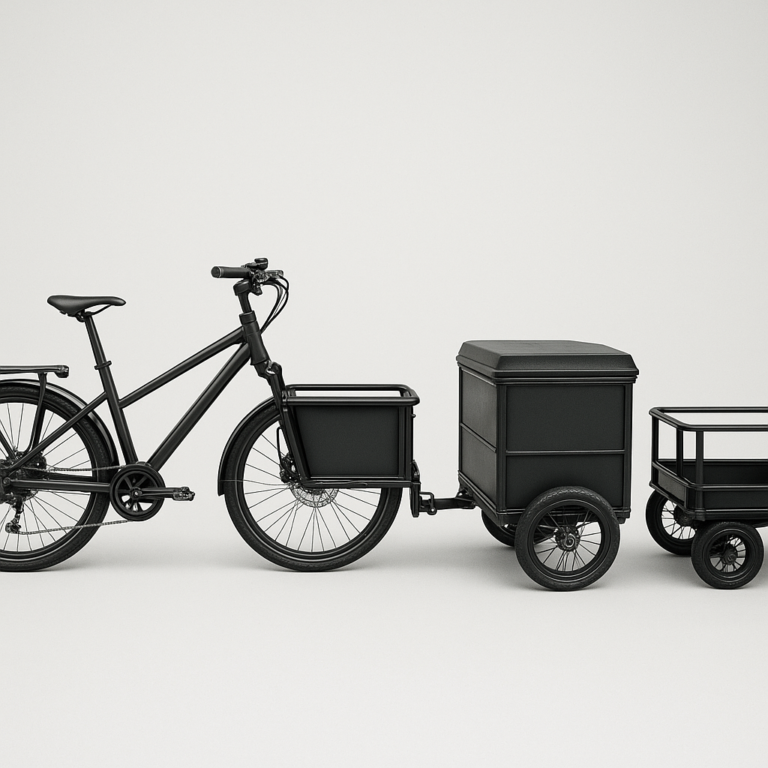
If your local use involves regularly transporting significant loads – be it children, groceries, or even small business deliveries – then a cargo bike is your heavy-duty hero. These bikes are purpose-built for carrying capacity, making them an incredible car-replacement option for many families and individuals.
| Aspect | Rating (1-10) |
|---|---|
| Design | 8 |
| Functionality | 10 |
| Comfort | 8 |
| Versatility | 7 |
| Local Suitability | 9 |
Features & Benefits:
- Massive Carrying Capacity: Designed to haul hundreds of pounds, whether it’s two kids and a week’s worth of groceries, or tools for a local job.
- Stability: Long wheelbases and robust frames provide excellent stability, even when fully loaded.
- Family-Friendly: Many models are specifically designed with child seats, safety bars, and rain covers, making them perfect for family transport.
- E-Assist Options: Most modern cargo bikes come with electric assist (or have it as an option), which is almost essential for managing heavy loads and hills.
- Car Replacement Potential: For many urban and suburban families, a cargo bike can significantly reduce or even eliminate the need for a second car.
Drawbacks:
- Expensive: Cargo bikes are a significant investment, often comparable to a used car.
- Large & Heavy: Their size and weight can make them challenging to store, maneuver in tight spaces, or transport on a standard car rack.
- Learning Curve: Riding a longtail or front-loader cargo bike takes a bit of getting used to, especially with a full load.
- Not for Speed: They are built for utility, not for breaking speed records.
Types of Cargo Bikes:
- Longtail Cargo Bikes: Extended rear rack for panniers, child seats, or platforms. (e.g., Yuba Mundo, Tern GSD)
- Front-Loader (Box) Cargo Bikes: A large box or platform in front of the handlebars, often with two wheels at the front for stability. (e.g., Urban Arrow Family, Larry vs Harry Bullitt)
- Midtail Cargo Bikes: A compromise between a standard bike and a longtail, offering more capacity than a hybrid but less than a full longtail. (e.g., Tern HSD)
Who It’s For:
Cargo bikes are perfect for families with young children, individuals who do large grocery hauls, small business owners making local deliveries, and anyone looking for a robust, eco-friendly car alternative for local transport.
Our Pick: The Tern GSD is an incredibly popular and versatile electric longtail cargo bike that can carry two kids and plenty of gear, and even folds down slightly for easier storage. For a classic front-loader, the Urban Arrow Family is a top choice for child transport.
👉 CHECK PRICE on:
- Tern GSD: Amazon | Tern Bicycles Official Website
- Urban Arrow Family: Amazon | Urban Arrow Official Website
6. Cruiser Bikes: Laid-Back Local Leisure
If your idea of “local use” is a leisurely pedal to the beach, a casual spin around the park, or a relaxed ride to a friend’s house, then the cruiser bike is your ultimate chill machine. These bikes are all about comfort, style, and a relaxed pace.
| Aspect | Rating (1-10) |
|---|---|
| Design | 9 |
| Functionality | 6 |
| Comfort | 9 |
| Versatility | 5 |
| Local Suitability | 7 |
Features & Benefits:
- Supreme Comfort: Characterized by a very upright riding position, wide handlebars, and a plush, spring-loaded saddle. It’s like riding a comfy armchair!
- Stylish Aesthetics: Often feature retro designs, vibrant colors, and classic lines that turn heads.
- Simple Gearing: Many cruisers have single-speed or internal 3-speed hubs, making them incredibly easy to operate and low-maintenance.
- Stable Ride: Wide tires and a relaxed geometry provide a very stable and predictable ride.
Drawbacks:
- Not for Hills: Single-speed cruisers are terrible for hills. Even geared versions aren’t ideal for steep inclines.
- Slow: Designed for cruising, not for speed or efficiency.
- Limited Versatility: Best suited for flat, paved surfaces. Not great for rough roads, gravel, or long distances.
- Heavier: Often quite heavy, which can make them cumbersome to maneuver or lift.
Who It’s For:
Cruiser bikes are perfect for casual riders who prioritize comfort and style over speed and performance. They’re ideal for short, flat rides in parks, along boardwalks, or to local cafes. If your local environment is mostly flat and you want to enjoy the scenery at a relaxed pace, a cruiser is a delightful choice.
Our Pick: The Schwinn Cruiser series (e.g., Schwinn Perla) offers classic styling and reliable performance at an accessible price. For a more premium experience, Electra Cruiser bikes are renowned for their comfort and design.
👉 CHECK PRICE on:
- Schwinn Perla Cruiser: Amazon | Schwinn Official Website
- Electra Cruiser: Amazon | Electra Official Website
7. Road Bikes: Speed & Efficiency for Paved Local Paths
While often associated with long-distance endurance rides or racing, a road bike can absolutely be a fantastic choice for local use if your primary goal is speed, efficiency, and fitness on paved surfaces. Think of it as your local rocket ship!
| Aspect | Rating (1-10) |
|---|---|
| Design | 9 |
| Functionality | 8 |
| Comfort | 6 |
| Versatility | 6 |
| Local Suitability | 7 |
Features & Benefits:
- Speed & Efficiency: Lightweight frames, narrow tires, and an aerodynamic riding position make road bikes incredibly fast and efficient on smooth pavement.
- Excellent for Fitness: If you want to get a serious workout on your local loops, a road bike is hard to beat.
- Responsive Handling: Designed for quick maneuvers and precise steering.
- Wide Gear Range: Modern road bikes offer plenty of gears for tackling hills and maintaining speed on flats.
Drawbacks:
- Less Comfortable: The aggressive riding position can be uncomfortable for some, especially on longer rides or if you’re not used to it.
- Fragile for Rough Terrain: Narrow, high-pressure tires are prone to flats on potholes, gravel, or rough roads. Not suitable for anything off-pavement.
- Limited Cargo Capacity: Generally not designed for racks or heavy cargo, though some touring-oriented road bikes can accommodate light loads.
- Less Visibility: The leaned-forward position can reduce your field of vision in busy urban environments.
Who It’s For:
A road bike is best for fitness-focused riders who want to go fast on their local paved roads, commuters with long, smooth routes who prioritize speed, and anyone who loves the feeling of efficiency and responsiveness. If your “local” involves well-maintained roads and you enjoy pushing your limits, a road bike could be surprisingly suitable.
Our Pick: The Specialized Allez is a fantastic entry-level road bike that offers great performance and value. For a more endurance-oriented (and thus slightly more comfortable) ride, the Trek Domane AL is an excellent choice.
👉 CHECK PRICE on:
- Specialized Allez: Amazon | Specialized Official Website
- Trek Domane AL: Amazon | Trek Official Website
8. Mountain Bikes: Off-Road Ready for Local Trails (and Potholes!)
“Wait, mountain bikes for local use?” you might ask. Absolutely! While their natural habitat is rugged singletrack, a mountain bike (MTB) can be surprisingly effective for certain local scenarios, especially if your “local” includes unpaved paths, rough roads, or you just want a super durable, comfortable ride that laughs at potholes.
| Aspect | Rating (1-10) |
|---|---|
| Design | 7 |
| Functionality | 8 |
| Comfort | 8 |
| Versatility | 7 |
| Local Suitability | 7 |
Features & Benefits:
- Superior Suspension: Front suspension (hardtail) or full suspension absorbs bumps, roots, and potholes, providing an incredibly comfortable ride on rough surfaces.
- Robust & Durable: Built to withstand abuse, mountain bikes are incredibly tough and reliable.
- Excellent Braking: Disc brakes are standard, offering powerful and consistent stopping power in all weather conditions.
- Wide, Grippy Tires: Knobby tires provide fantastic traction on loose surfaces, making them great for gravel paths, dirt trails, and even wet roads.
- Wide Gear Range: Plenty of low gears to conquer steep local climbs.
Drawbacks:
- Slower on Pavement: The knobby tires and heavier build create more rolling resistance, making them slower and less efficient on smooth, paved roads compared to hybrids or road bikes.
- Overkill for Most Paved Use: If your local riding is 90% smooth pavement, a mountain bike might be more bike than you need.
- Heavier: Generally the heaviest bike type, which can be a factor if you need to lift it frequently.
- Less Accessory Friendly: While you can add racks and fenders, it’s often less straightforward than on a hybrid or city bike.
Who It’s For:
A mountain bike is a great choice for riders whose local area includes significant unpaved trails, very rough roads, or steep, challenging climbs. It’s also excellent for those who prioritize comfort and durability above all else, or who want a single bike that can handle both local errands and weekend trail adventures. If you’re in an area with poorly maintained roads, a mountain bike can feel like riding on a cloud compared to a road bike!
Our Pick: The Trek Marlin series (e.g., Marlin 5) is a fantastic entry-level hardtail mountain bike that’s versatile enough for both trails and local cruising. For a step up in performance, the Specialized Fuse offers a more aggressive geometry and better components.
👉 CHECK PRICE on:
- Trek Marlin 5: Amazon | Trek Official Website
- Specialized Fuse: Amazon | Specialized Official Website
Phew! That’s a lot of bikes, right? But remember, the “best” bike is the one that fits your local needs and makes you want to ride. Now, what if your local adventures include some tiny co-pilots? Let’s talk about family biking!
👨 👩 👧 👦 Family Fun on Two Wheels: Local Biking with Your Crew
There’s nothing quite like the joy of sharing the open road (or bike path!) with your family. Local biking with kids isn’t just about getting from A to B; it’s about creating memories, fostering a love for the outdoors, and teaching valuable life skills. But when you’re bringing the whole crew along, your bike choice and accessory needs shift dramatically. Don’t worry, the Bike Brands™ team has navigated these waters (and occasional tantrums!) many times. Let’s gear up for family fun!
1. Bikes for Parents: Leading the Pack with Your Little Riders
As the parent, your bike needs to be a workhorse. It needs to be stable, comfortable, and capable of handling extra weight, whether that’s a child seat, a trailer, or even a tag-along bike.
Best Men’s & Women’s Bikes for Family Rides
For parents, versatility and stability are key. You’ll want a bike that can comfortably carry or tow your children, handle local terrain, and still be enjoyable for solo rides.
- Hybrid Bikes: As we discussed, hybrids are incredibly versatile. Their comfortable, upright position and ability to handle various surfaces make them ideal for family outings. They easily accommodate child seats and are robust enough to tow trailers. The Trek Dual Sport is a prime example, praised for its durability and suitability for family riding. [Local Passport Family]
- Electric Bikes (E-Bikes): If you’re towing a trailer with two kids, or have a child seat and a basket full of picnic supplies, an e-bike is a game-changer. The motor assist makes the extra weight feel negligible, allowing you to enjoy the ride without exhaustion. This is especially true if your local area has hills!
- Cargo Bikes: If you plan on regularly transporting multiple children or large amounts of gear, a dedicated cargo bike (like the Tern GSD or Urban Arrow Family) is the ultimate family vehicle. They are designed from the ground up for stability and capacity.
Our Recommendation: For most families, a sturdy hybrid bike or an e-hybrid will be the sweet spot. They offer the flexibility to ride solo or with kids, handle diverse local conditions, and are generally more manageable than a full-blown cargo bike for occasional family use.
👉 CHECK PRICE on:
- Trek Dual Sport (Hybrid): Amazon | Trek Official Website
- Cannondale Quick Neo SL (E-Hybrid): Amazon | Cannondale Official Website
For more insights on choosing the right bike for you, check out our Bike Brand Guides and Bike Reviews.
2. Kids’ Bikes: Finding the Perfect First Ride & Beyond
Getting your kids on bikes is one of the best gifts you can give them! But choosing the right bike for their age and skill level is crucial for safety and enjoyment.
a. Balance Bikes: The Foundation of Two-Wheeled Freedom
Forget training wheels! Seriously, ditch them. Balance bikes are hands-down the best way to teach a child to ride. They focus on the most critical skill: balance.
- How They Work: Kids push off the ground with their feet, learning to glide and steer naturally. This builds confidence and coordination far more effectively than training wheels, which teach kids to pedal but not to balance.
- Benefits:
- Faster Learning: Kids transition to pedal bikes much more quickly and confidently.
- Safer: No wobbling on training wheels, fewer falls.
- Fun: Kids love the freedom of gliding.
- Who It’s For: Toddlers and preschoolers (typically ages 18 months to 5 years).
Our Anecdote: Our resident gearhead, Chris, was skeptical about balance bikes until his niece, Maya, learned to ride a pedal bike in an afternoon after just a few months on her balance bike. “It was like magic! She just hopped on and rode off,” he recalls. The Local Passport Family article echoes this, stating, “They’re by FAR the best way to teach a kid to ride a bike.” [Local Passport Family]
Our Pick: The Strider 12 Sport is a classic and highly recommended balance bike. For a slightly larger option that can convert to a pedal bike, look at the Prevelo Alpha Zero.
👉 CHECK PRICE on:
- Strider 12 Sport: Amazon | Strider Bikes Official Website
- Prevelo Alpha Zero: Amazon | Prevelo Bikes Official Website
b. Pedal Bikes for Young Explorers: From First Strides to Neighborhood Cruising
Once they’ve mastered balance, it’s time for pedals! Choosing the right size and quality is paramount for a positive experience.
- Sizing is Key: Kids’ bikes are sized by wheel diameter (12-inch, 16-inch, 20-inch, 24-inch). Ensure your child can comfortably touch the ground with their feet (or at least their toes) while seated.
- Lightweight Frames: A lighter bike is much easier for a child to maneuver and pedal, especially uphill. Avoid heavy, clunky bikes from big box stores if possible.
- Simple Gearing (Initially): For younger kids (12-16 inch wheels), a single-speed bike is perfect. As they grow (20-24 inch wheels), introduce gears to help them tackle varied terrain.
- Quality Brakes: Look for easy-to-reach hand brakes, especially for kids transitioning from balance bikes. Coaster brakes (pedaling backward to stop) can be confusing for kids used to hand brakes.
Our Top Recommendation: Guardian Bikes The Guardian Bikes are consistently praised as the best kids’ bikes for safety and quality. The Local Passport Family article raves about them: “It’s the safest kids’ bike around… helps prevent head-over-handlebar accidents.” [Local Passport Family]
- SureStop Braking System: This patented system uses a single lever to control both front and rear brakes, distributing braking power evenly and preventing sudden stops that can cause head-over-handlebar accidents. It’s a game-changer for kid safety!
- Lightweight & Durable: Built with quality components that stand up to years of enthusiastic (and sometimes clumsy) riding.
- Easy Assembly: They ship directly to your home and are designed for easy assembly.
Our Pick:
- Guardian Ethos 16-inch: Perfect for kids transitioning from balance bikes.
- Guardian Ethos 20-inch: A fantastic all-around bike for elementary school-aged kids.
- Public Bikes 16-inch City Bike for Kids: If you’re in a flat urban area and want a stylish, simple bike for your child, this is a great choice, as noted in our competing article. It’s “aesthetically attractive with multiple colors” and “recognized as a top city bike for kids.” [Local Passport Family]
👉 CHECK PRICE on:
- Guardian Ethos 16-inch: Amazon | Guardian Bikes Official Website
- Guardian Ethos 20-inch: Amazon | Guardian Bikes Official Website
- Public Bikes 16-inch City Bike for Kids: Amazon | Public Bikes Official Website
3. Child Transport Solutions: Trailers, Seats, and Tag-Alongs
Sometimes, your little ones are too young to ride their own bike, or you need to transport more than one. That’s where these fantastic accessories come in!
Best Bike Trailers for Kids
Bike trailers are a fantastic way to bring younger children along for the ride, offering comfort, safety, and often extra cargo space.
- Features to Look For:
- Safety Harnesses: 5-point harnesses are standard and essential.
- Roll Cages & Protection: A sturdy frame to protect children in case of a tip-over.
- Weather Protection: Rain covers, sunshades, and bug screens.
- Suspension: Some higher-end trailers offer suspension for a smoother ride on bumpy paths.
- Convertibility: Many trailers convert into strollers or joggers, adding versatility.
- Capacity: Single or double child capacity, plus storage space.
Our Pick: Thule Chariot Series The Thule Chariot series (e.g., Thule Chariot Cross) is consistently rated as the best for its premium quality, safety features, and versatility. The Local Passport Family article specifically mentions the Two-Kid Bike Trailer (e.g., Thule Chariot), highlighting its foldability, 5-point harnesses, and convertibility into a stroller/jogger. [Local Passport Family] We couldn’t agree more! It’s an investment, but one that pays off in years of family adventures.
👉 CHECK PRICE on:
- Thule Chariot Cross: Amazon | Thule Official Website
- Burley Bee (Budget-Friendly): Amazon | Burley Official Website
Top Child Bike Seats
For a more integrated feel, child bike seats allow your little one to ride directly on your bike.
- Front-Mounted Seats:
- Pros: Child is between your arms, better interaction, good visibility for the child.
- Cons: Can interfere with pedaling for some riders, limited weight capacity.
- Our Pick: Thule Yepp Nexxt Mini
- Rear-Mounted Seats:
- Pros: Higher weight capacity, doesn’t interfere with pedaling, often more comfortable for older/larger toddlers.
- Cons: Less interaction with the child, can affect bike balance, child has less view.
- Our Pick: Thule Yepp Maxi or Hamax Caress
👉 CHECK PRICE on:
- Thule Yepp Nexxt Mini: Amazon | Thule Official Website
- Thule Yepp Maxi: Amazon | Thule Official Website
Tag-Along Bikes (Trailer Bikes): These are single-wheel bikes that attach to the seatpost of an adult bike. They’re great for kids who are too big for a trailer but not quite ready to ride independently on longer distances. They can pedal along and contribute to the ride, or just coast. The Weehoo Turbo is a popular choice.
👉 CHECK PRICE on:
- Weehoo Turbo: Amazon | Weehoo Official Website
Family biking is incredibly rewarding, but it demands a bit more planning and the right gear. Speaking of gear, let’s talk safety and essential accessories!
🛡️ Essential Gear & Safety First: Protecting Your Local Rides
Alright, team, listen up! We’ve talked about the bikes, we’ve talked about the family, but none of it matters if you’re not safe. Here at Bike Brands™, we live by the mantra: “Safety isn’t just a feature, it’s the foundation of every great ride.” Whether you’re cruising solo or leading a family peloton, protecting yourself and your loved ones is paramount. Let’s dive into the essential gear that keeps you safe and sound on your local adventures.
Best Bike Helmets: Brain Protection for All Ages
This is non-negotiable. A helmet is your brain’s best friend. Period. And with modern technology, helmets are more comfortable, stylish, and protective than ever before.
- MIPS Technology (Multi-directional Impact Protection System): This is the gold standard. MIPS is designed to reduce rotational forces on the brain that can occur during certain angled impacts. As our competing article wisely notes, “Helmets with MIPS protection recommended.” [Local Passport Family] We couldn’t agree more – it’s a small investment for a huge safety upgrade.
- Proper Fit: A helmet is only effective if it fits correctly. It should be snug but comfortable, level on your head (not tilted back), and the straps should form a “V” below your ears.
- Ventilation: Look for helmets with good airflow to keep you cool, especially on warmer days.
- Style & Comfort: Modern helmets come in a vast array of styles and colors. Find one you like and that feels good, because you’ll be more likely to wear it!
Our Pick for Adults: The Giro Caden MIPS offers excellent urban style with MIPS protection, while the Specialized Echelon II MIPS is a great all-around performer. Our Pick for Kids: The Giro Tremor MIPS Youth provides top-tier protection for young riders. For toddlers, the Bell Sidetrack II Child MIPS is a fantastic choice.
👉 CHECK PRICE on:
- Giro Caden MIPS: Amazon | Giro Official Website
- Specialized Echelon II MIPS: Amazon | Specialized Official Website
- Giro Tremor MIPS Youth: Amazon | Giro Official Website
For more safety essentials, browse our Bike Accessories section.
Bike Locks: Keeping Your Local Ride Secure
Your bike is an investment, and local use often means leaving it unattended. A good lock is your first line of defense against theft.
- Types of Locks:
- U-Locks: Considered the most secure. Look for reputable brands like Kryptonite or Abus.
- Folding Locks: Offer a good balance of security and portability.
- Chain Locks: Very secure but heavy and bulky.
- Cable Locks: Only suitable for very low-risk areas or as a secondary lock.
- The “Two-Lock” Rule: For higher security, use two different types of locks (e.g., a U-lock for the frame and rear wheel, and a cable lock for the front wheel).
- Locking Technique: Always lock your frame to an immovable object. If possible, include one or both wheels.
Our Pick: The Kryptonite New-U KryptoLok Standard is a reliable workhorse. For a folding lock, the Abus Bordo Granit XPlus 6500 offers excellent security.
👉 CHECK PRICE on:
- Kryptonite New-U KryptoLok Standard: Amazon | Kryptonite Official Website
- Abus Bordo Granit XPlus 6500: Amazon | Abus Official Website
Lights & Reflectors: Be Seen, Be Safe
Visibility is crucial, especially if you’re riding at dawn, dusk, or night. Even in daylight, bright lights can make you more noticeable to drivers.
- Front Light: A bright white light is essential to see where you’re going and to be seen by oncoming traffic. Look for at least 400 lumens for urban riding.
- Rear Light: A flashing red rear light is critical for being seen from behind. Many modern rear lights are incredibly bright and have various flash patterns.
- Daytime Running Lights: Many lights are now powerful enough to be effective during the day, significantly increasing your visibility.
- Reflectors: Ensure your bike has reflectors on the wheels, pedals, and front/rear.
Our Pick: The Bontrager Ion 200 RT / Flare RT Light Set offers powerful daytime and nighttime visibility in a compact package.
👉 CHECK PRICE on:
- Bontrager Ion 200 RT / Flare RT Light Set: Amazon | Trek Bikes Official Website
Family Biking Accessories: Gear Up for Group Adventures
When you’re riding with kids, a few extra items can make all the difference for comfort, safety, and fun.
- Water Bottles & Cages: Hydration is key for everyone! Ensure every rider (or the parent’s bike) has access to water.
- Bells & Horns: A friendly “ding-ding!” is a great way to alert pedestrians and other cyclists to your presence. Kids love their own bells!
- First-Aid Kit: A small, portable kit for minor scrapes and bumps is always a good idea.
- Puncture Repair Kit / Spare Tube: A flat tire can quickly derail a family outing. Learn how to fix one, or carry a spare tube and tools. The Local Passport Family article even recommends “inner tubes with self-healing slime” for family biking! [Local Passport Family]
- Bike Computer / GPS: Helps track distance, speed, and navigate new routes.
- Gloves: Protect hands from blisters and provide extra grip.
- Sunscreen & Sunglasses: Essential for sunny rides, especially for kids.
Our Anecdote: Our team leader, Jessica, once forgot her kids’ water bottles on a hot summer ride. “It was a rookie mistake I’ll never make again!” she recalls. “We had to cut the ride short, and everyone was grumpy. Now, I have a checklist for every family ride.” Learn from her wisdom!
👉 CHECK PRICE on:
- Topeak Mini Morph Pump: Amazon | Topeak Official Website
- Park Tool Tire Lever Set: Amazon | Park Tool Official Website
Equipping yourself with the right safety gear and accessories isn’t just about following rules; it’s about empowering yourself and your family to ride confidently, comfortably, and safely, making every local biking experience a positive one. Now, let’s talk about how to carry all your stuff!
🛒 Hauling Your Hopes & Groceries: Smart Cargo Solutions for Local Use
One of the biggest advantages of using a bike for local errands is the sheer joy of ditching the car. But let’s be real: you still need to carry your stuff! Whether it’s a backpack, a week’s worth of groceries, or your kids’ soccer gear, having smart cargo solutions is essential for making your local bike truly functional. The Bike Brands™ team has experimented with every pannier, basket, and rack imaginable, so trust us when we say, the right setup can transform your ride!
Racks, Baskets, and Panniers: Your Carrying Companions
These are the unsung heroes of local utility cycling. They turn your bike into a practical vehicle for daily life.
- Rear Racks:
- Function: Mounts over your rear wheel, providing a stable platform for panniers, trunk bags, or even a child seat.
- Benefits: Keeps weight low and balanced, doesn’t interfere with steering.
- Considerations: Check your bike’s frame for eyelets (mounting points). Most hybrids, city, and touring bikes have them.
- Our Pick: The Topeak Explorer Rack is robust and compatible with many bikes.
- Front Racks & Baskets:
- Function: Mounts over your front wheel or directly to the handlebars.
- Benefits: Keeps items visible and easily accessible, can balance heavy rear loads.
- Considerations: Can affect steering with very heavy loads. Handlebar-mounted baskets are great for light items.
- Our Pick: The Wald 137 Front Basket is a classic for its utility and style.
- Panniers:
- Function: Bags that clip onto side of front or rear racks.
- Benefits: Distribute weight evenly, keep items dry (if waterproof), come in various sizes.
- Considerations: Can be bulky when empty, ensure they don’t interfere with pedaling.
- Our Pick: Ortlieb Back-Roller Classic are legendary for their durability and waterproofing.
- Trunk Bags:
- Function: Sits on top of a rear rack, often expandable.
- Benefits: Easy to attach/detach, good for smaller loads.
- Considerations: Less capacity than panniers.
- Our Pick: Topeak MTX TrunkBag DXP
Our Anecdote: Our resident mechanic, Ben, once tried to carry a week’s worth of groceries in a backpack. “My back was drenched, and the milk carton was digging into my spine!” he recalls. “Never again. Now, it’s panniers all the way for big hauls.”
👉 CHECK PRICE on:
- Topeak Explorer Rack: Amazon | Topeak Official Website
- Wald 137 Front Basket: Amazon | Wald Sports Official Website
- Ortlieb Back-Roller Classic: Amazon | Ortlieb Official Website
Best Bike Racks for Families: Transporting Your Fleet
Sometimes, “local use” means driving your bikes to a local trail or park that’s a bit too far to ride to directly. For families, transporting multiple bikes requires a robust and reliable car rack.
- Types of Car Racks:
- Hitch-Mounted Racks:
- Pros: Very stable, easy to load/unload, can carry multiple heavy bikes (including e-bikes).
- Cons: Requires a hitch receiver on your vehicle, can block trunk access.
- Our Pick: The Thule T2 Pro XT or Saris SuperClamp EX are top-tier choices.
- Roof-Mounted Racks:
- Pros: Keeps bikes out of the way of the trunk, good for aerodynamic bikes.
- Cons: Can be difficult to lift bikes onto the roof, impacts fuel economy, risk of “garage door incidents.”
- Our Pick: Yakima FrontLoader
- Trunk-Mounted Racks:
- Pros: Most affordable, no hitch or roof rack needed.
- Cons: Less secure, can scratch vehicle paint, limited capacity, often blocks trunk access.
- Our Pick: Saris Bones EX
- Hitch-Mounted Racks:
The Local Passport Family article mentions upgrading to a rack that “holds up to 8 full-sized bikes” for large families. While 8 bikes might be extreme for most, it highlights the need for scalable solutions when family biking is a priority. [Local Passport Family]
Our Recommendation: For most families, a hitch-mounted platform rack is the best investment. They are the easiest to use, most secure, and can handle the weight of multiple bikes, including heavier kids’ bikes or e-bikes.
👉 CHECK PRICE on:
- Thule T2 Pro XT (Hitch): Amazon | Thule Official Website
- Saris SuperClamp EX (Hitch): Amazon | Saris Official Website
- Yakima FrontLoader (Roof): Amazon | Yakima Official Website
With the right cargo solutions, your bike transforms from a recreational toy into a powerful tool for navigating your local world, carrying everything you need with ease. But even the best tools need a little TLC…
🔧 Keeping Your Local Ride Rolling: Essential Bike Maintenance Tips
You’ve picked your perfect local steed, you’ve geared up for safety and cargo, but here’s the secret sauce to long-term biking bliss: maintenance! A well-maintained bike is a joy to ride, safe, and reliable. A neglected bike? Well, that’s a recipe for squeaks, breakdowns, and frustration. As our featured YouTube video wisely states, “Taking care of your bike” is one of the five key steps to loving your ride. [YouTube Video]
Here at Bike Brands™, we believe that basic bike maintenance isn’t just for mechanics; it’s for every rider. A few minutes of care can save you hours of hassle and money at the bike shop.
Our “ABC Quick Check” for Every Ride: Before every ride, especially if it’s been a while, give your bike a quick once-over:
- A – Air:
- Check your tire pressure. This is the single most important thing you can do! Proper inflation prevents flats, improves ride quality, and makes pedaling easier. Look for the recommended PSI (pounds per square inch) on the sidewall of your tire.
- Action: Use a good floor pump with a gauge to inflate to the correct pressure.
- B – Brakes:
- Check brake lever feel. Both levers should feel firm and engage before hitting the handlebar.
- Check brake pad contact. Ensure the pads hit the rim or rotor squarely and aren’t worn down.
- Action: Squeeze each brake lever individually. If they feel spongy or don’t stop effectively, they might need adjustment or new pads.
- C – Chain:
- Check chain lubrication. A dry, rusty, or gritty chain will wear out quickly and make noise.
- Action: If dry, apply a drop of bike-specific chain lube to each link while backpedaling. Wipe off excess.
- Quick Release (or Axle Bolts):
- Check that wheels are securely fastened. Give them a wiggle.
- Action: Ensure quick-release levers are firmly closed, or axle bolts are tightened.
Beyond the Quick Check: Regular TLC (Every Few Weeks/Months):
- Clean Your Bike: A clean bike runs better and lasts longer. Use bike-specific cleaners and brushes to remove dirt and grime from the frame, drivetrain, and wheels.
- Inspect for Wear: Look for worn tire tread, frayed brake or gear cables, loose bolts, or cracks in the frame.
- Check Bolts & Fasteners: Use an Allen key set to gently check that all visible bolts (handlebars, seatpost, stem, etc.) are snug. Don’t overtighten!
- Gear Adjustment: If your gears are skipping or sluggish, they might need a minor adjustment. This can be a bit trickier, but many online tutorials can guide you.
- Wheel Truing: If your wheels wobble side-to-side, they might need truing. This is often best left to a professional mechanic.
Our Expert Tip: Invest in a few basic tools: a floor pump with a gauge, a multi-tool (for on-the-go adjustments), and chain lube. These will cover 90% of your basic maintenance needs.
👉 CHECK PRICE on:
- Topeak JoeBlow Sport III Floor Pump: Amazon | Topeak Official Website
- Crankbrothers M19 Multi-Tool: Amazon | Crankbrothers Official Website
- Finish Line Dry Lube: Amazon | Finish Line Official Website
Regular maintenance isn’t a chore; it’s an act of love for your bike. It ensures every local ride is smooth, safe, and as enjoyable as the first. Now, where do you keep this beloved machine when you’re not riding it?
🏠 Storing Your Steed: Local Bike Storage Solutions
You’ve invested in the perfect bike for local use, you’re keeping it in tip-top shape, but where does it sleep at night? Proper bike storage isn’t just about keeping your living space tidy; it’s about protecting your investment from theft, weather, and accidental damage. The Bike Brands™ team knows a thing or two about maximizing space and keeping bikes safe, whether you live in a sprawling suburban home or a cozy city apartment.
Why Proper Storage Matters:
- Security: A bike left unlocked and exposed is an easy target for thieves.
- Protection from Elements: Rain, sun, and extreme temperatures can degrade components, rust chains, and fade paint.
- Space Saving: Smart storage solutions free up valuable floor space.
- Longevity: Keeping your bike clean and dry extends its lifespan.
Our Top Local Bike Storage Solutions:
-
Vertical Wall Mounts:
- Pros: Excellent for saving floor space, especially in apartments or garages. Gets the bike up and out of the way.
- Cons: Requires drilling into walls, might not be suitable for very heavy bikes (like some e-bikes or cargo bikes) unless properly anchored. Can mark walls if not careful.
- Types: Hook-style (hangs by one wheel), or arm-style (supports the frame).
- Our Pick: The Delta Cycle Leonardo Da Vinci Single Bike Hook is simple and effective. For a more elegant solution, the Feedback Sports Velo Wall Rack 2D allows for angle adjustment.
-
Horizontal Wall Mounts:
- Pros: Can be a stylish way to display your bike, keeps it off the floor.
- Cons: Takes up more horizontal wall space than vertical mounts.
- Our Pick: The Topeak Swing-Up DX Bike Holder allows the bike to swing to the side, saving space.
-
Floor Stands & Racks:
- Pros: No drilling required, easy to move, good for multiple bikes.
- Cons: Takes up floor space, less secure than wall mounts.
- Types: Kickstand-style (for one bike), or multi-bike stands.
- Our Pick: The Feedback Sports Rakk Bike Stand is stable and easy to use. For multiple bikes, the Saris Parking Rack is a good option.
-
Ceiling Hoists & Lifts:
- Pros: Gets the bike completely out of the way, ideal for garages with high ceilings.
- Cons: Requires installation, can be tricky to operate for some, not suitable for very heavy bikes.
- Our Pick: The Delta Cycle Ceiling Hoist is a popular choice.
-
Bike Covers (for Outdoor Storage):
- Pros: Essential if you must store your bike outdoors. Protects from rain, sun, dust, and can deter opportunistic thieves by hiding the bike.
- Cons: Doesn’t prevent theft, can trap moisture if not breathable.
- Our Pick: The Velmia Bike Cover is durable and waterproof.
Our Anecdote: Our graphic designer, Chloe, lives in a small studio apartment. Her Electra Townie used to lean precariously against her couch. “It was an eyesore and a tripping hazard!” she admits. “Now, it’s on a sleek wall mount, and it looks like art. Plus, I have my floor space back!”
Table: Local Bike Storage Solutions at a Glance
| Solution | Best For | Pros | Cons |
|---|---|---|---|
| Vertical Wall Mount | Small apartments, garages | Saves floor space, clean look | Requires drilling, can mark walls |
| Horizontal Wall Mount | Displaying bike, moderate space | Stylish, easy access | Takes up more wall space |
| Floor Stand | Renters, easy access, single bike | No installation, portable | Takes up floor space, less secure |
| Multi-Bike Floor Rack | Garages, multiple bikes | Organizes several bikes, no installation | Takes up significant floor space |
| Ceiling Hoist | Garages with high ceilings | Maximizes vertical space | Installation, can be tricky to use |
| Outdoor Bike Cover | Temporary outdoor storage | Protects from elements, deters theft | Doesn’t prevent theft, can trap moisture |
👉 CHECK PRICE on:
- Delta Cycle Leonardo Da Vinci Single Bike Hook: Amazon | Delta Cycle Official Website
- Feedback Sports Velo Wall Rack 2D: Amazon | Feedback Sports Official Website
- Topeak Swing-Up DX Bike Holder: Amazon | Topeak Official Website
Choosing the right storage solution is the final piece of the puzzle for a truly optimized local biking experience. It ensures your bike is ready and waiting for your next adventure, safe and sound.
✅ Making the Call: Test Rides, Budgeting, and Your Perfect Local Match
Phew! We’ve covered a lot of ground, haven’t we? From the nuances of “local use” to the specific types of bikes, safety gear, cargo solutions, and even where to park your trusty steed. Now, it’s time to bring it all together and make that crucial decision: which bike is best for your local use?
Remember the wisdom from our featured YouTube video: “If you get one that is, you’ll absolutely love every minute of it.” [YouTube Video] And that’s our ultimate goal for you!
Here’s our step-by-step guide to making the final call:
-
Revisit Your Needs Assessment:
- Terrain: Mostly paved, mixed, or rougher paths?
- Distance/Frequency: Short hops, daily commutes, or longer leisure rides?
- Cargo: Just you, a bag, groceries, or kids?
- Comfort: Upright and relaxed, or sporty and efficient?
- Hills: Flat area, rolling hills, or steep climbs? (This is where e-bikes shine!)
-
Narrow Down Bike Types:
- Based on your needs, which 1-2 bike types from our list (Hybrid, City, E-Bike, Folding, Cargo, Cruiser, Road, Mountain) seem like the best fit?
- Example: If you have mixed terrain, need to carry groceries, and have some hills, a hybrid e-bike or a light cargo e-bike might be your top contenders.
-
Set Your Budget (Realistically!):
- As the YouTube video reminds us, “Quality is remembered long after price is forgotten.” While we don’t list specific prices, understand that a higher initial investment often translates to better components, greater durability, and a more enjoyable riding experience.
- Factor in accessories: helmet, lock, lights, rack/panniers, pump. These are essential and add to the overall cost.
- Don’t forget potential maintenance costs, especially for e-bikes or more complex systems.
-
The Non-Negotiable Step: Test Ride, Test Ride, Test Ride!
- This is where the rubber meets the road (literally!). You wouldn’t buy shoes without trying them on, and a bike is no different.
- Visit your local bike shop. They are invaluable resources. Tell them your needs, and they’ll guide you to appropriate models.
- Try different sizes and styles. Even within the same bike type, geometry can vary.
- Pay attention to comfort: How does the saddle feel? Are the handlebars at a comfortable height and reach? Can you easily reach the brakes and shifters?
- Ride it like you’ll use it: If you plan to carry a backpack, wear one during the test ride. If you have hills, ask if you can ride up a small incline.
- Remember the “bike fit BEFORE you buy” advice. A good shop can do a basic fit during your test ride.
-
Consider the Long Game:
- Will this bike grow with you? If you plan to add a child seat later, ensure the frame can accommodate it.
- Is it durable enough for your intended use?
- What’s the warranty like?
Our Final Confidence Boost: Choosing a bike can feel overwhelming with so many options, but by systematically evaluating your needs and taking those crucial test rides, you’ll gain clarity. Trust your gut feeling – the bike that makes you smile the most during the test ride is often the right one.
We’ve seen countless riders transform their daily lives by finding the perfect bike for local use. It’s not just about transportation; it’s about freedom, health, and rediscovering the joy of your own neighborhood. So, go forth, test ride, and find your perfect local match!
The Finish Line: Wrapping Up Your Quest for the Best Local Bike
Well, we’ve pedaled through a lot of terrain together, haven’t we? From the rise of local biking to the nitty-gritty of bike types, family rides, safety gear, cargo solutions, and maintenance — you’re now armed with the ultimate toolkit to pick the best bike for your local use.
Quick Recap: What’s Our Top Pick?
If we had to crown a champion for most local riders, it would be the hybrid bike — the Swiss Army knife of cycling — offering versatility, comfort, and practicality. But if you want a little extra oomph, especially for hills or heavy cargo, an e-bike (Class I or II) is a game-changer, as Seattle’s E-Bike Pilot Program confirms. For families, Guardian Bikes stand out for kids’ safety and durability, while Thule Chariot trailers and cargo bikes like the Tern GSD make hauling the whole crew a breeze.
Positives & Negatives: Guardian Kids Bikes (As a Case Study)
Positives:
- Patented SureStop braking system prevents head-over-handlebar accidents — a huge safety win.
- Lightweight yet durable frames that last for years.
- Easy assembly and direct shipping to your door.
- 100% money-back guarantee with donation option — a company that truly cares.
Negatives:
- Premium price point (but worth every penny for safety and quality).
- Limited color options compared to some competitors.
- Not designed for extreme off-road use (but that’s not the point for local use!).
Our Confident Recommendation: If you’re buying a kids’ bike for local neighborhood use, Guardian Bikes are hands-down the safest and most durable choice. They’re a worthy investment in your child’s confidence and safety.
Closing the Loop
Remember our early teaser: “Which bike is easiest to ride for your local needs?” The answer is nuanced — it depends on your terrain, distance, cargo, and family setup. But with the insights here, you’re no longer guessing in the dark. You’re ready to test ride, compare, and choose a bike that will make your local rides effortless, enjoyable, and safe.
So, what are you waiting for? Your perfect local bike is out there, and it’s calling your name. Time to roll!
🔗 Recommended Links
👉 Shop Our Top Bike Picks:
-
Trek FX 2 Disc Hybrid Bike:
Amazon | Trek Official Website -
Cannondale Quick CX Hybrid Bike:
Amazon | Cannondale Official Website -
Electra Townie 7D City Bike:
Amazon | Electra Official Website -
Rad Power Bikes RadCity E-Bike:
Amazon | Rad Power Bikes Official Website -
Guardian Ethos Kids Bikes (16″ & 20″):
Amazon | Guardian Bikes Official Website -
Thule Chariot Cross Bike Trailer:
Amazon | Thule Official Website -
Kryptonite New-U KryptoLok Standard Lock:
Amazon | Kryptonite Official Website -
Bontrager Ion 200 RT / Flare RT Light Set:
Amazon | Trek Bikes Official Website
Recommended Books for Biking Enthusiasts:
-
“The Complete Bike Owner’s Manual” by DK Publishing — A comprehensive guide to bike maintenance and riding.
Amazon -
“Bike Snob: Systematically & Mercilessly Realigning the World of Cycling” by Bike Snob NYC — Witty and insightful cycling culture commentary.
Amazon
❓ Frequently Asked Questions About Local Biking
What is the best budget-friendly bike for short-distance travel?
If you’re looking for a budget-friendly bike for short local trips (under 5 miles), a basic hybrid or city bike is your best bet. These bikes offer comfort, durability, and versatility without the complexity or cost of high-end components. Brands like Schwinn and Giant offer solid entry-level models. Avoid super cheap bikes from big box stores as they often have heavy frames and poor components that can make riding less enjoyable and more maintenance-heavy.
How do electric bikes compare to traditional bikes for local use?
Electric bikes (e-bikes) provide pedal-assist or throttle power that makes hills easier, extends your range, and allows you to carry heavier loads with less effort. They are especially beneficial in hilly areas or for riders with physical limitations. However, they are heavier, require charging, and come at a higher upfront cost. For local use, especially commuting or errands, e-bikes can transform your experience, making cycling accessible and fun for a wider audience. Seattle’s E-Bike Pilot Program confirms that Class I and II e-bikes are safe and effective for local trail use. [Rails-to-Trails Conservancy]
Are hybrid bikes suitable for local city rides?
Absolutely! Hybrid bikes are among the most popular choices for local city riding because they combine the speed and efficiency of road bikes with the comfort and stability of mountain bikes. They handle paved roads, light gravel, and urban obstacles well, and often come equipped with mounts for racks and fenders, making them practical for commuting and errands. They are a perfect middle ground for most urban riders.
What features should I look for in a bike for daily commuting?
For daily commuting, look for:
- Comfortable geometry: Upright or slightly forward position for visibility and comfort.
- Durable tires: Puncture-resistant or wider tires for rough urban roads.
- Gearing: Enough gears to handle your route’s hills.
- Mounting points: For racks, fenders, and lights.
- Reliable brakes: Disc brakes are preferred for consistent stopping power.
- Lights and reflectors: For visibility in low light.
- Optional: Electric assist if your commute is long or hilly.
What type of bike is best for transportation?
For general transportation, hybrid bikes and commuter bikes are excellent choices. If you need to carry cargo or children, cargo bikes or e-cargo bikes are ideal. For longer distances or hilly terrain, e-bikes provide valuable assistance. The best transportation bike balances comfort, utility, and durability.
What kind of bike is best for street riding?
For street riding, especially in urban environments, city bikes, commuter bikes, and hybrid bikes are best. They offer upright riding positions for safety, durable tires for pavement, and features like fenders and racks. If you want speed, a road bike is an option but may be less comfortable and practical for stop-and-go traffic.
Which bike is best for regular use?
For regular local use, a hybrid bike is the most versatile and comfortable option. It handles a variety of terrains, is easy to maintain, and can be equipped with accessories for commuting, errands, or leisure rides.
What is the most affordable bike option for short-distance travel?
The most affordable option is typically a basic single-speed or 3-speed city bike or a simple hybrid from reputable brands like Schwinn or Raleigh. These bikes are easy to maintain and perfect for short, flat rides. Avoid very cheap bikes with poor components, as they often cost more in repairs over time.
📚 Reference Links
- Guardian Bikes Official Website
- Trek Bikes Official Website
- Cannondale Official Website
- Electra Bikes Official Website
- Rad Power Bikes Official Website
- Thule Official Website
- Kryptonite Locks Official Website
- Bontrager Bike Lights – Trek
- Seattle E-Bike Pilot Program Promotes Safe Shared Use on Local Trails – Rails-to-Trails Conservancy
- Local Passport Family: Biking with Kids Gear & Reviews
- 57hours.com: Best of Croatia Bike Tours
Ready to ride? Your perfect local bike awaits — happy pedaling! 🚲✨