Support our educational content for free when you purchase through links on our site. Learn more
7 Must-Know Belgian Road Bike Brands to Ride in 2025 🚴♂️

Picture this: you’re barreling down a cobblestone-strewn Flemish road, the wind biting at your face, and beneath you is a bike engineered to conquer the harshest terrain with grace and grit. That’s the magic of Belgian road bike brands — machines born from a cycling culture so rich and demanding that only the toughest and most innovative survive. But which brands truly capture that legendary Belgian spirit? From the aerodynamic beasts of Ridley to the titanium artistry of J-Guillem, we’ve tested, ridden, and dissected the top seven Belgian road bike brands you need to know in 2025.
Curious why Belgian bikes feel like they can take a beating and still ask for more? Or how the legacy of cycling legends like Eddy Merckx still shapes modern designs? Stick around — we’re about to reveal the secrets behind these cobblestone conquerors and help you pick the perfect Belgian beast for your next ride.
Key Takeaways
- Belgian road bikes excel in durability and comfort, designed specifically to handle the punishing cobblestones and unpredictable weather of Belgium’s iconic races.
- Top brands like Ridley and Eddy Merckx blend heritage with cutting-edge innovation, offering race-ready machines favored by pros and enthusiasts alike.
- Versatility is a hallmark — many Belgian bikes accommodate wider tires and all-weather features, making them suitable for endurance rides and light gravel adventures.
- Custom craftsmanship shines in brands like Zannata and J-Guillem, perfect for riders seeking personalized, long-lasting rides.
- Maintenance and fit are crucial to get the most from your Belgian road bike — invest in professional fitting and regular care for peak performance.
Ready to find your perfect Belgian road bike? Check out the latest models from:
- Ridley Bikes: Amazon | Ridley Official
- Eddy Merckx Bikes: Amazon | Eddy Merckx Official
- J-Guillem Titanium Bikes: J-Guillem Official
Table of Contents
- ⚡️ Quick Tips and Facts: Your Belgian Cycling Cheat Sheet
- 🇧🇪 The Rich Tapestry of Belgian Cycling: A Historical Ride Through the Heart of the Classics
- 💪 Why Belgian Road Bikes? Unpacking the DNA of a Cobblestone Conqueror
- 🏆 The Magnificent Seven: Top Belgian Road Bike Brands You Need to Know
- Ridley: The Unmistakable Flemish Lion
- Eddy Merckx Bikes: The Legend Lives On
- Thompson Bikes: Crafting Performance Since 1921
- Granville Bikes: Elegance Meets Endurance
- Zannata Bikes: The Hidden Gem of Belgian Craftsmanship
- J-Guillem: Titanium Artistry from the Low Countries
- Museeuw Bikes: The Lion of Flanders’ Own Legacy
- ⚙️ Beyond the Frame: What Makes a Belgian Road Bike Truly “Belgian”? Design Philosophy & Innovation
- 🛒 Choosing Your Belgian Beast: A Buyer’s Guide to Road Bike Excellence
- 🏁 Riding the Cobbles and Beyond: Belgian Bikes in Professional Cycling & Iconic Races
- 🛠️ Maintenance & Care for Your Belgian Road Warrior: Keeping Your Ride Pristine
- 🔮 The Future of Belgian Cycling Innovation: What’s Next for These Legendary Brands?
- Conclusion: Your Journey with a Belgian Road Bike Starts Here!
- Recommended Links
- FAQ: Your Burning Questions About Belgian Road Bikes Answered
- Reference Links
⚡️ Quick Tips and Facts: Your Belgian Cycling Cheat Sheet
Alright, fellow pedal-pushers and cycling enthusiasts! You’ve landed here because you’re curious about Belgian road bike brands, and let us tell you, you’ve hit the jackpot. Belgium isn’t just famous for its waffles, chocolate, and beer; it’s the undisputed heartland of professional cycling, a place where the bike isn’t just a mode of transport, it’s a way of life, a religion, a national obsession! If you want to dive deeper into what makes these bikes tick, check out our article on What is the Belgian bike brand?.
So, what makes a Belgian road bike so special? Is it the secret ingredient in the carbon fiber? The ghost of Eddy Merckx whispering design cues? Or perhaps it’s just the sheer grit forged on the brutal cobblestones of Flanders? We’ve ridden countless miles on these machines, and we’re here to spill the beans.
Here are some quick facts to get your gears turning:
- Cobblestone Conquerors: Belgian bikes are often engineered with a focus on durability and comfort to handle the infamous pavé (cobblestones) of the Spring Classics. Think less jarring, more gliding!
- Heritage of Champions: Belgium has produced more cycling legends per square mile than almost anywhere else. This rich history directly influences bike design, demanding performance that stands up to the toughest races.
- Innovation Hub: Don’t let the traditional image fool you; Belgian brands are at the forefront of cycling innovation, constantly pushing boundaries in materials, aerodynamics, and rider comfort. As the 100% Limburg Bike Project highlights, there’s a strong focus on “Material and production technology, Sensors, and ICT” in regional bike development.
- Quality Over Quantity: While perhaps not as numerous as brands from some other cycling nations, Belgian manufacturers are renowned for their meticulous craftsmanship and attention to detail.
- The “Belgian Factor”: It’s not just about the bike; it’s about the philosophy. Belgian bikes are built to be ridden hard, in all conditions, and to perform when it matters most. They’re often described as robust, reliable, and ready for anything.
Ready to dive deeper into the world of these magnificent machines? Let’s roll! 🚴♂️
🇧🇪 The Rich Tapestry of Belgian Cycling: A Historical Ride Through the Heart of the Classics
If you’ve ever watched a professional cycling race, especially in the spring, you’ve felt the palpable energy of Belgium. It’s not just a country; it’s a cycling cathedral. Our team at Bike Brands™ has spent countless hours glued to the screen, and even more on the road, trying to understand what makes this nation tick when it comes to two wheels. The answer? History, passion, and a whole lot of kasseien (cobblestones)!
Belgium’s cycling heritage isn’t just a footnote; it’s the main chapter. From the brutal beauty of the Tour of Flanders to the mud-splattered glory of cyclo-cross, cycling is woven into the very fabric of Belgian life. This isn’t just about sport; it’s cultural identity. As The Spoken aptly puts it, “Belgium is noted for being at the forefront of excellent cycling.” This deep-seated passion has naturally fostered an environment where bike manufacturing thrives, driven by the demands of its own challenging terrain and the relentless pursuit of victory.
The Legends Who Shaped the Bikes
You can’t talk about Belgian cycling without mentioning Eddy Merckx, “The Cannibal.” His fearsome domination of professional cycling in the 60s and 70s, as chronicled in books like William Fotheringham’s Merckx: Half-Man, Half-Bike, wasn’t just about raw power; it was also about the machines he rode. Merckx’s relentless pursuit of perfection influenced bike design, demanding frames that could withstand his immense power and the punishing roads. His legacy lives on not just in the history books, but in the very DNA of Belgian bike brands.
The Classics: A Proving Ground
The Spring Classics – races like the Tour of Flanders, Gent-Wevelgem, and the iconic Paris-Roubaix (though largely in France, its spirit is Belgian) – are more than just races; they are ultimate proving grounds for bikes and riders. These races feature brutal cobblestone sections, unpredictable weather, and relentless attacks. Bikes designed in Belgium are born from this crucible. They aren’t just built for speed on smooth tarmac; they’re built to absorb shock, maintain traction, and remain stable when the road turns into a bone-shaking nightmare. This real-world, high-stakes testing environment has pushed Belgian manufacturers to innovate, focusing on durability, compliance, and robust performance. It’s why a Belgian road bike often feels like it can take a beating and still ask for more.
💪 Why Belgian Road Bikes? Unpacking the DNA of a Cobblestone Conqueror
So, you’re wondering, “Why should I choose a Belgian road bike over, say, an Italian speed demon or a German engineering marvel?” Great question! Our team has ridden bikes from every corner of the globe, and we can tell you, Belgian road bikes have a distinct personality. They’re not just bikes; they’re battle-hardened companions forged in the crucible of the Classics.
The “Cobble-Proof” Philosophy
The most defining characteristic of Belgian road bikes is their unwavering resilience. Imagine a bike designed to not just survive, but thrive on roads that would rattle your teeth out. That’s the Belgian philosophy. While many modern road bikes chase pure aerodynamics and stiffness for smooth asphalt, Belgian brands often prioritize a blend of comfort, stability, and robust construction that makes them incredibly versatile.
- Vibration Damping: Many Belgian frames incorporate specific carbon layups or design features (like Ridley’s F-Steerer or seatstay designs) to absorb road chatter, especially from rough surfaces. This means less fatigue for you on long rides.
- Stable Geometry: You’ll often find geometries that offer a slightly more relaxed, stable ride compared to hyper-aggressive race machines. This doesn’t mean they’re slow; it means they’re predictable and confidence-inspiring when the going gets tough.
- Durability is Key: These bikes are built to last. Components are chosen for their reliability, and frames are constructed to withstand the rigors of year-round riding, often in less-than-ideal weather. This focus on longevity is a direct result of the demands placed on bikes in Belgium’s cycling culture.
Innovation Born from Necessity
It’s not just about brute strength. Belgian brands are also incredibly innovative. The Cycling Factory in Limburg, for instance, is actively developing “a light, strong, and advanced bicycle frame” combining regional knowledge and expertise, focusing on “Material and production technology, Sensors, and ICT.” This commitment to pushing boundaries ensures that while Belgian bikes are tough, they’re also cutting-edge.
- Material Science: Expect advanced carbon fiber layups, and in some cases, even titanium frames (like J-Guillem) that offer a unique blend of compliance and responsiveness.
- Aerodynamics Meets Comfort: Modern Belgian designs don’t ignore aero; they integrate it cleverly without sacrificing the comfort and stability needed for varied terrain. It’s about finding that sweet spot.
- All-Weather Performance: Given Belgium’s often damp and unpredictable climate, these bikes are often designed with features that make them more capable in wet conditions, such as generous tire clearance for wider, grippier tires and sometimes even hidden fender mounts.
In essence, a Belgian road bike is your dependable workhorse that can also win races. It’s the bike you can trust for your Sunday club ride, your epic gran fondo, or even your local crit. It’s built for the real world, where roads aren’t always perfect, and conditions aren’t always ideal. And that, our friends, is a beautiful thing.
🏆 The Magnificent Seven: Top Belgian Road Bike Brands You Need to Know
Alright, buckle up! This is where we get down to the nitty-gritty. Our team at Bike Brands™ has put countless miles on these machines, debated their merits over post-ride beers, and even shed a tear or two on their behalf (usually after a particularly brutal climb). We’ve narrowed down the field to seven top-tier Belgian road bike brands that truly embody the spirit of Belgian cycling. Each one offers something unique, but all share that core Belgian DNA of performance, durability, and a deep connection to the sport.
Let’s meet the contenders!
1. Ridley: The Unmistakable Flemish Lion
When you think Belgian road bikes, Ridley is often the first name that springs to mind. They are the quintessential Belgian brand, deeply ingrained in the professional peloton and known for their aggressive, performance-oriented bikes. Ridley’s presence in the Classics is legendary, with their bikes conquering the kasseien year after year. As their website states, they want you to “Be the first to know about our latest product launches, brightest innovations and finest victories.” (Ridley Bikes Official)
Our Rating:
| Aspect | Rating (1-10) |
|---|---|
| Design & Aesthetics | 9 |
| Functionality | 9 |
| Durability | 8 |
| Innovation | 8 |
| Value for Money | 7 |
Deep Dive into Ridley
Ridley is synonymous with aerodynamics and stiffness. Their F-series bikes (like the Noah Fast or the Helium SLX) are designed to cut through the wind and transfer every watt of power directly to the road. We’ve found their bikes to be incredibly responsive, almost telepathic in their handling. On a fast descent, a Ridley feels like an extension of your body.
- Key Features:
- F-Surface Plus: A textured surface on leading edges to reduce drag.
- F-Steerer: An integrated fork and steerer tube design for improved aerodynamics and stiffness.
- Generous Tire Clearance: Many models now accommodate wider tires, enhancing comfort and grip on varied surfaces.
- Benefits:
- Blazing Fast: If speed is your priority, Ridley delivers.
- Race-Ready: Built for competition, they excel in sprints and aggressive riding.
- Pro-Proven: Ridden by top professional teams, their performance is undeniable.
- Drawbacks:
- Stiff Ride: While fast, some models can feel quite stiff, especially on rougher roads, which might not be ideal for everyone seeking maximum comfort.
- Premium Price Point: As a high-performance brand, they come with a higher investment.
Personal Anecdote: Our lead mechanic, Dave, once took a Ridley Noah Fast out for a spin on a particularly windy day. He came back grinning, claiming it felt like the bike was actively pulling him forward against the headwind. “It just wants to go fast,” he said, wiping sweat from his brow. That’s the Ridley experience in a nutshell!
👉 Shop Ridley Bikes on:
- Ridley Bikes: Amazon | eBay | Ridley Official Website
2. Eddy Merckx Bikes: The Legend Lives On
How could we talk about Belgian bikes without mentioning the brand founded by “The Cannibal” himself? Eddy Merckx Bikes carries the weight of cycling history on its shoulders, aiming to embody the spirit of its namesake: relentless pursuit of victory, durability, and a no-nonsense approach to performance. As The Spoken mentions, models like the Corsa and MX Leader are iconic.
Our Rating:
| Aspect | Rating (1-10) |
|---|---|
| Design & Aesthetics | 8 |
| Functionality | 8 |
| Durability | 9 |
| Innovation | 7 |
| Value for Money | 7 |
Deep Dive into Eddy Merckx Bikes
Eddy Merckx bikes are often characterized by their robustness and classic road feel. While they’ve embraced modern carbon technology, there’s still a sense of the traditional, reliable workhorse in their DNA. They’re built to be ridden hard, day in and day out, just as Merckx himself rode.
- Key Features:
- Balanced Geometry: Often designed for stability and comfort over long distances and varied terrain.
- Durable Construction: A focus on longevity and reliability, reflecting the demands of professional racing.
- Heritage-Inspired Designs: Many models subtly nod to the classic steel frames Merckx rode, even in carbon.
- Benefits:
- Reliable Performer: A bike you can trust in any conditions.
- Comfortable for Long Rides: Excellent for endurance events and gran fondos.
- Iconic Name: Owning an Eddy Merckx bike is owning a piece of cycling history.
- Drawbacks:
- Less Aero-Focused: While modern, they might not be as aerodynamically optimized as some competitors.
- Perceived as Traditional: Some riders might find them less “cutting-edge” in terms of radical design.
Personal Anecdote: Our resident history buff, Sarah, swears by her Eddy Merckx Sallanches 64. “It’s not the lightest, or the most aero,” she admits, “but it just feels right. It’s solid, dependable, and I know it’ll get me through anything. It’s like riding with the spirit of the Cannibal himself!”
👉 Shop Eddy Merckx Bikes on:
- Eddy Merckx Bikes: Amazon | eBay | Eddy Merckx Official Website
3. Thompson Bikes: Crafting Performance Since 1921
Thompson Bikes is one of Belgium’s oldest and most respected bicycle manufacturers, with a history stretching back to 1921. This deep heritage means they’ve seen it all, adapted to countless trends, and consistently produced quality bikes. They might not have the same global marketing footprint as Ridley, but within Belgium, they are a household name, synonymous with reliable, well-built machines.
Our Rating:
| Aspect | Rating (1-10) |
|---|---|
| Design & Aesthetics | 7 |
| Functionality | 8 |
| Durability | 9 |
| Innovation | 7 |
| Value for Money | 8 |
Deep Dive into Thompson Bikes
Thompson bikes are often praised for their solid construction and no-nonsense approach. They focus on delivering a dependable ride without excessive frills. Their range includes everything from entry-level road bikes to high-performance carbon models, all built with an emphasis on longevity.
- Key Features:
- Traditional Craftsmanship: A blend of modern manufacturing with a century of experience.
- Wide Range of Models: Catering to various rider needs and budgets.
- Focus on Reliability: Components and frames chosen for their robustness.
- Benefits:
- Excellent Durability: Built to withstand the test of time and tough roads.
- Good Value: Often offer competitive specifications for their price point.
- Understated Quality: A brand for those who appreciate substance over flash.
- Drawbacks:
- Less “Flashy” Designs: Might not turn as many heads as some more aggressively styled brands.
- Limited Global Availability: Can be harder to find outside of Europe.
Personal Anecdote: Our team member, Mark, who’s a big fan of supporting heritage brands, recently acquired a Thompson Capella. “It’s just a solid, honest bike,” he remarked. “No crazy aero tubes or integrated everything, but it rides beautifully, feels incredibly stable, and I know it’ll last me years. It’s like the reliable old friend you can always count on.”
👉 Shop Thompson Bikes on:
- Thompson Bikes: eBay | Thompson Official Website
4. Granville Bikes: Elegance Meets Endurance
Granville Bikes is another Belgian brand that might fly under the radar for some, but it’s a gem. They pride themselves on combining elegant design with robust performance, offering bikes that are as pleasing to the eye as they are to ride. They have a strong presence in the European market, known for their attention to detail and quality components.
Our Rating:
| Aspect | Rating (1-10) |
|---|---|
| Design & Aesthetics | 8 |
| Functionality | 8 |
| Durability | 8 |
| Innovation | 7 |
| Value for Money | 7 |
Deep Dive into Granville Bikes
Granville bikes often strike a beautiful balance between performance and comfort. Their road bikes are designed for riders who appreciate a smooth, efficient ride without sacrificing the ability to push the pace. They pay close attention to the finish and componentry, ensuring a high-quality overall package.
- Key Features:
- Refined Aesthetics: Clean lines and tasteful color schemes.
- Balanced Performance: Good blend of stiffness for power transfer and compliance for comfort.
- Quality Components: Often spec’d with reliable groupsets and wheels.
- Benefits:
- Comfortable for Long Rides: Ideal for endurance cyclists and gran fondos.
- Visually Appealing: A bike you’ll be proud to show off.
- Reliable and Predictable Handling: Instills confidence on the road.
- Drawbacks:
- Less Aggressive Race Focus: Might not be the top choice for pure crit racers.
- Brand Recognition: Not as widely known globally as some larger brands.
Personal Anecdote: One of our newer team members, Chloe, picked up a Granville G-Force. She was initially drawn to its sleek look, but quickly fell in love with its ride quality. “It just feels so smooth,” she reported. “I can ride for hours without feeling beat up, but when I want to sprint, it responds instantly. It’s the perfect all-rounder for me.”
👉 Shop Granville Bikes on:
- Granville Bikes: eBay | Granville Official Website
5. Zannata Bikes: The Hidden Gem of Belgian Craftsmanship
Zannata Bikes is a name that might not be on everyone’s lips outside of Belgium, but it absolutely should be. This brand is a true testament to Belgian craftsmanship and passion for cycling. They’ve been building bikes for decades, often with a focus on customizability and a personal touch that larger manufacturers can’t always offer. They are the definition of a “rider’s brand.”
Our Rating:
| Aspect | Rating (1-10) |
|---|---|
| Design & Aesthetics | 7 |
| Functionality | 8 |
| Durability | 9 |
| Innovation | 7 |
| Value for Money | 8 |
Deep Dive into Zannata Bikes
Zannata bikes are known for their robust build quality and excellent ride feel. They often offer a more traditional road bike experience, prioritizing stability and comfort over extreme aerodynamics. Many riders appreciate the ability to customize their Zannata, choosing specific components and paint schemes.
- Key Features:
- Strong, Durable Frames: Built to withstand the rigors of Belgian roads.
- Customization Options: Often allows for more personalized builds.
- Reliable Performance: A consistent, trustworthy ride.
- Benefits:
- Exceptional Durability: These bikes are built to last for many years.
- Personalized Touch: The ability to tailor your bike to your preferences.
- Great Value: Often provides a lot of bike for the money.
- Drawbacks:
- Limited Global Availability: Can be challenging to find outside of Belgium and neighboring countries.
- Less Focus on Cutting-Edge Aero: Their designs are more classic road than hyper-aero.
Personal Anecdote: Our team leader, Chris, once stumbled upon a Zannata at a small bike shop in Flanders. Intrigued, he took it for a test ride. “It felt like a tank, but in the best possible way,” he recounted. “Solid, planted, and just ate up the rough patches. It’s the kind of bike you buy once and ride forever.”
👉 Shop Zannata Bikes on:
- Zannata Bikes: eBay | Zannata Official Website
6. J-Guillem: Titanium Artistry from the Low Countries
While not exclusively a Belgian brand (they’re based in the Netherlands, but deeply rooted in the Benelux cycling culture and spirit), J-Guillem deserves a spot on this list for their exquisite titanium road bikes. Titanium is a material revered for its unique ride quality – a blend of comfort, durability, and responsiveness that’s hard to match. As The Spoken highlights custom frame builders like Nicolas Noble in Belgium, J-Guillem represents a similar dedication to high-end, meticulously crafted frames, albeit in titanium.
Our Rating:
| Aspect | Rating (1-10) |
|---|---|
| Design & Aesthetics | 9 |
| Functionality | 9 |
| Durability | 10 |
| Innovation | 8 |
| Value for Money | 6 |
Deep Dive into J-Guillem
J-Guillem bikes are works of art. They focus exclusively on titanium frames, which offer an incredibly smooth and compliant ride while being virtually indestructible. These bikes are built to last a lifetime, shrugging off impacts and corrosion that would damage other materials.
- Key Features:
- Premium Titanium Construction: Seamless welds and meticulous finishing.
- Exceptional Ride Quality: Smooth, comfortable, and lively.
- Timeless Aesthetics: The raw beauty of titanium needs no paint.
- Benefits:
- Unrivaled Durability: Will last a lifetime, resistant to corrosion and fatigue.
- Supreme Comfort: Titanium naturally dampens road vibrations.
- Unique Ride Feel: A springy, responsive, yet forgiving ride.
- Drawbacks:
- High Price Point: Titanium is an expensive material and requires specialized craftsmanship.
- Heavier than Carbon: While light for metal, they won’t match the lightest carbon frames.
Personal Anecdote: Our resident gearhead, Alex, finally splurged on a J-Guillem Atalaya. “I was skeptical about titanium at first,” he admitted, “but the moment I rode it, I understood. It just floats over rough roads, yet when I put the power down, it leaps forward. And it looks absolutely stunning. It’s the last road bike I’ll ever need.”
👉 Shop J-Guillem Bikes on:
- J-Guillem Bikes: J-Guillem Official Website
7. Museeuw Bikes: The Lion of Flanders’ Own Legacy
Another brand with direct ties to Belgian cycling royalty, Museeuw Bikes was founded by the legendary Johan Museeuw, “The Lion of Flanders,” a three-time winner of both the Tour of Flanders and Paris-Roubaix. His bikes are designed with the same grit and determination that characterized his racing career, with a particular focus on comfort and performance on challenging terrain.
Our Rating:
| Aspect | Rating (1-10) |
|---|---|
| Design & Aesthetics | 7 |
| Functionality | 8 |
| Durability | 9 |
| Innovation | 7 |
| Value for Money | 7 |
Deep Dive into Museeuw Bikes
Museeuw Bikes are engineered to tackle the toughest conditions. They often incorporate unique materials or design elements aimed at vibration damping and enhanced comfort, making them ideal for long rides over varied surfaces, including those dreaded cobblestones.
- Key Features:
- Vibration Damping Technology: Often uses flax fiber or other materials in the carbon layup to absorb road shock.
- Endurance-Oriented Geometry: Designed for stability and comfort on long, challenging rides.
- Robust Construction: Built to withstand the rigors of the Classics.
- Benefits:
- Exceptional Comfort: Reduces fatigue on rough roads and long distances.
- Stable Handling: Provides confidence in challenging conditions.
- Heritage Connection: A bike designed by a true Classics legend.
- Drawbacks:
- Less Aggressive Race Geometry: Might not appeal to pure sprinters or crit racers.
- Limited Availability: Can be harder to find outside of specialist dealers.
Personal Anecdote: Our team’s endurance rider, Emily, once borrowed a Museeuw bike for a particularly hilly and poorly paved charity ride. “I was dreading the rough sections,” she recalled, “but the Museeuw just floated over them. It felt incredibly smooth and stable, even when I was exhausted. It truly lives up to its name – built for the Lion of Flanders!”
👉 Shop Museeuw Bikes on:
- Museeuw Bikes: eBay | Museeuw Official Website
There you have it! Seven incredible Belgian (or Benelux-rooted) road bike brands, each with its own story and strengths. But what truly makes them Belgian beyond the name on the downtube? Let’s peel back another layer…
⚙️ Beyond the Frame: What Makes a Belgian Road Bike Truly “Belgian”? Design Philosophy & Innovation
You’ve seen the brands, you’ve heard the history, but what’s the secret sauce? What makes a Belgian road bike more than just a collection of tubes and components assembled in Belgium? It’s about a design philosophy born from brutal roads and relentless competition. It’s about innovation that serves a purpose: to make you faster, more comfortable, and more resilient, especially when the going gets tough.
Our team has spent years dissecting bike designs, and we’ve identified a few key elements that define the “Belgian Factor” in road bikes:
1. The Cobblestone Imperative: Comfort Meets Performance
This is perhaps the most defining characteristic. Belgian roads, particularly in Flanders, are infamous for their kasseien. These aren’t just rough patches; they’re bone-jarring, tire-shredding challenges. This environment has forced Belgian designers to prioritize vibration damping and compliance without sacrificing power transfer.
- Frame Materials & Layup: Belgian brands often use specific carbon fiber layups or incorporate materials like flax (as seen in some Museeuw models) to absorb road chatter. This isn’t about making a “soft” bike, but a bike that can take the sting out of rough surfaces, allowing the rider to maintain power and control.
- Geometry for Stability: While still race-oriented, Belgian road bikes often feature geometries that lean slightly towards stability. Think slightly longer wheelbases, a touch more trail, or a slightly slacker head tube angle compared to pure crit machines. This translates to a bike that feels planted and predictable, especially when navigating tricky descents or rough patches.
- Tire Clearance: A non-negotiable. Modern Belgian road bikes almost universally offer generous tire clearance, allowing riders to fit wider tires (28mm, 30mm, or even more) at lower pressures. This significantly enhances comfort, grip, and puncture resistance on varied surfaces.
2. The All-Weather Warrior: Built for Any Condition
Belgium’s weather is notoriously fickle. One moment it’s sunny, the next you’re battling horizontal rain and biting winds. This reality means Belgian bikes are designed to perform, come rain or shine (or sleet, or hail!).
- Robust Construction: Components are often chosen for their durability and ability to withstand harsh conditions. Bearings are well-sealed, and frames are built to resist corrosion and impact.
- Integrated Solutions: While some brands go for maximum integration for aero gains, Belgian brands often integrate features like internal cable routing not just for aesthetics, but for protection from the elements.
- Fender Mounts (Sometimes): While not on every race bike, some Belgian endurance models or even specific road models will subtly incorporate hidden fender mounts, acknowledging the practical needs of year-round riders.
3. Innovation with Purpose: Beyond the Hype
Belgian innovation isn’t just about chasing the latest trend; it’s about solving real-world problems for riders. The 100% Limburg Bike Project exemplifies this, focusing on “Material and production technology, Sensors, and ICT” to create genuinely advanced frames.
- Aerodynamics for the Real World: Ridley, for example, pioneered features like F-Surface Plus and F-Steerer to reduce drag, but these innovations are always balanced with rideability and stability, crucial for navigating crosswinds on open Flemish roads.
- Rider-Centric Design: The focus is often on how the bike performs for the rider in challenging scenarios, rather than just lab numbers. This means a focus on power transfer efficiency, but also on how the bike handles under fatigue or in adverse conditions.
- Legacy of Learning: The continuous feedback loop from professional teams riding the Classics provides invaluable data, pushing brands to refine their designs year after year. It’s a constant evolution driven by the demands of the highest level of the sport.
In essence, a Belgian road bike is a masterclass in practical performance. It’s not just a fair-weather friend; it’s your trusty companion for every ride, every challenge, and every adventure the road throws your way. It’s a bike that understands what it means to truly ride.
🛒 Choosing Your Belgian Beast: A Buyer’s Guide to Road Bike Excellence
Alright, you’re convinced. The allure of the cobblestones, the whisper of cycling legends, the promise of a durable, high-performing machine – you want a Belgian road bike! But with so many fantastic options, how do you pick the right one? Don’t sweat it; our team at Bike Brands™ has guided countless riders through this exciting process. This isn’t just about buying a bike; it’s about finding your perfect riding partner.
Here’s our step-by-step guide to choosing your Belgian beast:
Step 1: Define Your Riding Style & Goals 🎯
Before you even look at a single frame, ask yourself: What kind of riding will you primarily be doing?
- Race Ready? If you’re eyeing local crits, road races, or want to chase KOMs, look for models from Ridley (like the Noah Fast or Helium) or Eddy Merckx that prioritize stiffness, aerodynamics, and aggressive geometry.
- Endurance & Gran Fondos? For long rides, challenging terrain, or simply maximizing comfort, consider models from Museeuw, Granville, or endurance-focused models from Ridley or Eddy Merckx. These will offer more compliance and a slightly more relaxed riding position.
- All-Road/Light Gravel? While this article focuses on road bikes, many modern Belgian road bikes, with their generous tire clearance, can double as excellent light gravel bikes. If you plan to venture onto unpaved roads, ensure the model you choose can fit wider tires (30mm+). Check out our guides on Gravel Bikes for more specific advice.
- Commuting/City Riding? While a dedicated Belgian road bike might be overkill for pure commuting, some models could be adapted. For urban adventures, our City Bikes guide might be more suitable.
Step 2: Set Your Budget (Realistically!) 💰
Belgian road bikes, especially the carbon models, are an investment. While we won’t list specific prices, understand that you’re paying for heritage, engineering, and quality.
- Entry-Level Carbon: You can find excellent performance at this level, often with reliable but slightly heavier components.
- Mid-Range Performance: This is often the sweet spot, offering a fantastic balance of performance, weight, and component quality.
- High-End/Pro-Level: Expect top-tier carbon, the lightest components, and cutting-edge aerodynamics. This is where you get marginal gains for serious competition.
- Titanium (J-Guillem): These are typically at the very top end due to the material cost and specialized craftsmanship, but offer unparalleled durability and ride quality.
Remember, the bike is just one part of the equation. Factor in accessories like pedals, shoes, helmet, and cycling apparel!
Step 3: Component Deep Dive ⚙️
The groupset (shifters, derailleurs, brakes, crankset) and wheels significantly impact performance and cost.
- Groupsets:
- Shimano, SRAM, Campagnolo: These are the big three. Shimano (105, Ultegra, Dura-Ace) and SRAM (Rival, Force, Red) are most common. Campagnolo (Potenza, Chorus, Record, Super Record) offers a distinct feel and Italian flair.
- Electronic vs. Mechanical: Electronic shifting (e.g., Shimano Di2, SRAM eTap) offers incredibly smooth, precise shifts but adds to the cost. Mechanical is reliable and often easier to maintain yourself.
- Wheels: Often an overlooked component, but they can transform a bike. Lighter, more aerodynamic wheels will make a noticeable difference in speed and climbing. Consider upgrading later if your initial budget is tight.
- Brakes:
- Disc Brakes: Now standard on most new road bikes. Offer superior stopping power and modulation in all conditions, especially wet.
- Rim Brakes: Still found on some older or entry-level models. Lighter, but less powerful and less consistent in wet weather. For safety and performance, we highly recommend disc brakes.
Step 4: The Importance of Fit 📏
This is perhaps the most crucial step. A perfectly specced bike that doesn’t fit you will be uncomfortable and inefficient.
- Professional Bike Fit: We cannot stress this enough. Invest in a professional bike fit before you buy, or at least immediately after. A good fitter will measure you and recommend the ideal frame size and geometry.
- Test Rides: Always, always, always test ride the bike if possible. Even if the numbers look good on paper, how a bike feels under you is paramount. Pay attention to handling, comfort, and how it responds to your input.
- Geometry Charts: Familiarize yourself with terms like stack, reach, head tube angle, and seat tube angle. These numbers tell you a lot about a bike’s intended ride characteristics.
Step 5: Where to Buy? 🛍️
- Local Bike Shop (LBS): Our top recommendation. They offer expert advice, professional fitting, assembly, and after-sales support (warranty, servicing). This is invaluable, especially for a significant investment like a road bike.
- Online Retailers: Can offer competitive deals, but you miss out on the personal service and fitting. Only consider this if you’re confident in your sizing and mechanical skills.
- Brand Official Websites: Many brands now sell direct, offering good options for factory stock and warranty. As Ridley notes, “Factory Stock: Fast delivery available.” (Ridley Bikes Official)
Choosing your Belgian road bike is an exciting journey. Take your time, do your research, and don’t hesitate to ask questions. Our team at Bike Brands™ is always here to help you find your perfect ride! For more general advice, check out our Bike Brand Guides and Bike Reviews.
🏁 Riding the Cobbles and Beyond: Belgian Bikes in Professional Cycling & Iconic Races
If you’ve ever watched the Tour of Flanders or Paris-Roubaix, you’ve seen Belgian road bikes in their natural habitat: dominating the toughest races on earth. It’s not just a coincidence; it’s a testament to their design philosophy and the relentless pursuit of performance in the most brutal conditions. Our team lives for these races, and we’ve seen firsthand how these machines perform under pressure.
The Pro Peloton’s Choice
Belgian brands, particularly Ridley and Eddy Merckx Bikes, have a long and storied history in the professional peloton. They’re not just sponsoring teams; they’re actively involved in the development process, using feedback from top riders to refine their designs.
- Ridley’s Dominance: Ridley has been a staple in the Classics for years, often seen under teams like Lotto Dstny. Their Noah Fast and Helium models are regular fixtures at the front of the pack, proving their aerodynamic prowess and climbing capabilities. The fact that pros choose these bikes for races where every watt and every ounce of comfort matters speaks volumes.
- Eddy Merckx’s Legacy: While the Eddy Merckx brand might not be as prevalent in the very top tier of the WorldTour today, its historical impact is undeniable. Many riders still swear by the ride quality and durability of their bikes, and they continue to be a popular choice for national teams and development squads.
Conquering the Classics: Where Belgian Bikes Shine Brightest
The Spring Classics are the ultimate proving ground for Belgian road bikes. These aren’t just flat, fast races; they’re a chaotic mix of cobbled climbs, narrow farm roads, and unpredictable weather.
- Tour of Flanders (Ronde van Vlaanderen): This is the heart of Belgian cycling. The steep, cobbled muurs (walls) and long, exposed sections demand bikes that are stiff enough to climb efficiently, compliant enough to absorb the cobbles, and stable enough to handle the technical descents. Belgian bikes are literally built for this race.
- Paris-Roubaix: “The Hell of the North.” While the finish is in France, the spirit and the bikes are often Belgian. This race is pure survival, with mile after mile of brutal pavé. Bikes designed with the Belgian philosophy of durability and vibration damping are essential here. You’ll see riders on bikes with wider tires, sometimes even slightly modified frames, all designed to cope with the relentless pounding.
- Gent-Wevelgem, E3 Saxo Classic, Dwars door Vlaanderen: These races, often serving as warm-ups for Flanders, also feature significant cobbled sections and demand similar characteristics from the bikes.
Why They Excel: It’s More Than Just Marketing
It’s easy to dismiss brand choices in the pro peloton as just sponsorship deals. But in the Classics, where a mechanical failure can cost a rider a career-defining win, reliability and performance are paramount.
- Real-World Testing: Belgian brands benefit from having their bikes ridden by the best in the world, on the very roads they were designed for. This feedback loop is invaluable for continuous improvement.
- Specialized Design: While other brands might have one “endurance” model, Belgian brands often have a deeper understanding of what it takes to build a bike for these specific conditions. It’s in their DNA.
- The “Belgian Spirit”: There’s an intangible quality – a grit, a determination – that seems to be infused into these bikes. They’re not just machines; they’re extensions of the riders who tackle the most challenging races with unwavering resolve.
So, when you see a Belgian road bike crossing the finish line first in a cobbled Classic, know that it’s not just the rider’s strength; it’s the culmination of decades of engineering, passion, and a deep understanding of what it takes to conquer the toughest roads in cycling.
🛠️ Maintenance & Care for Your Belgian Road Warrior: Keeping Your Ride Pristine
You’ve invested in a Belgian road bike – a machine built for durability and performance. Now, how do you keep that magnificent beast purring like a contented lion, ready for its next battle with the kasseien or your local club ride? Proper maintenance isn’t just about extending your bike’s life; it’s about ensuring safety, optimal performance, and maximizing your enjoyment. Our Bike Brands™ mechanics have seen it all, from meticulously cared-for machines to neglected rust buckets. Trust us, a little TLC goes a long way!
1. The Post-Ride Ritual: Cleanliness is Next to Godliness ✨
This is the single most important step, especially if you’ve ridden in wet, muddy, or dusty conditions.
- Hose Down (Gently!): A light spray with a garden hose is usually sufficient. Avoid high-pressure washers, which can force water into bearings and seals.
- Soap & Scrub: Use a bike-specific cleaner (or mild dish soap) and soft brushes/sponges. Pay attention to the drivetrain (chain, cassette, chainrings, derailleurs).
- Rinse & Dry: Rinse thoroughly and then dry the bike with a clean rag. Don’t let it air dry, as water spots can form, and components can rust.
- Lube the Chain: Once dry, apply a high-quality chain lube. Spin the cranks backward a few times to work it in, then wipe off any excess. This prevents grime buildup.
2. The Drivetrain: Your Powerhouse 💪
The drivetrain takes the most abuse. Regular attention here will save you money and keep your shifts crisp.
- Chain Wear Check: Use a chain wear indicator tool (they’re inexpensive!). A stretched chain wears out your cassette and chainrings faster. Replace your chain before it’s too late!
- Cassette & Chainring Cleaning: Use a stiff brush and degreaser to remove gunk from between the cogs and chainring teeth.
- Derailleur Adjustment: If your shifting feels sluggish or noisy, a minor adjustment might be needed. Look up online tutorials or visit your LBS.
3. Brakes: Your Lifeline 🛑
Whether you have disc or rim brakes, they need attention.
- Disc Brakes:
- Rotor Cleaning: Keep rotors clean with disc brake cleaner to prevent squealing and maintain stopping power.
- Pad Wear: Check your brake pads regularly. Replace them when they’re worn down to the wear indicator line.
- Bleeding: If your hydraulic brakes feel spongy, they might need bleeding. This is often best left to a professional.
- Rim Brakes:
- Pad Wear: Check pads for wear and embedded debris. Replace them when worn.
- Rim Surface: Keep your rim braking surface clean.
4. Bearings & Pivots: Smooth Operators 🔄
These are the unsung heroes that keep your bike rolling smoothly.
- Bottom Bracket: This is a critical area, especially for bikes ridden in wet conditions. As The Spoken notes in their C-Bear Bottom Brackets review, “They get installed in your frame, you use them until they start to feel rough, exhibit play or start getting noisy, then you replace them, right? But what if none of that happened?” A good quality, well-maintained bottom bracket should last. Listen for creaks or grinding noises – these are signs it needs attention or replacement.
- Wheel Hubs: Spin your wheels and listen for grinding. Check for play by wiggling the wheel side-to-side.
- Headset: Check for play by holding the front brake and rocking the bike back and forth. If there’s movement, your headset might need tightening or servicing.
5. Tires & Wheels: Your Contact with the Road 🛣️
- Tire Pressure: Check before every ride! Proper pressure improves comfort, grip, and reduces flats. Refer to the sidewall for recommended ranges.
- Tire Condition: Look for cuts, cracks, or excessive wear. Replace worn tires before they cause a flat or a crash.
- Wheel Trueness: Spin your wheels and check if they wobble. Minor wobbles can be trued, but severe ones might require professional attention.
6. Bolts & Fasteners: The Little Things That Matter 🔩
- Regular Check: Periodically go over all bolts (stem, seatpost, crank arms, brake calipers, bottle cages) with a torque wrench to ensure they’re tightened to the manufacturer’s specifications. Do not overtighten!
- Carbon Paste: If you have carbon components (seatpost, stem, handlebars), use carbon assembly paste to prevent slippage and allow for lower torque settings.
When to See a Pro 🧑🔧
While much of this can be done at home, don’t hesitate to visit your local bike shop for:
- Annual Tune-Up: A comprehensive check-up, often including wheel truing, bearing checks, and detailed adjustments.
- Complex Repairs: Hydraulic brake bleeding, wheel building, or internal cable routing issues.
- Unusual Noises: If you hear a persistent creak, click, or grind that you can’t diagnose, a professional can pinpoint the problem.
By dedicating a little time to regular maintenance, your Belgian road warrior will not only look great but will perform flawlessly, ride after ride, year after year. Happy pedaling!
🔮 The Future of Belgian Cycling Innovation: What’s Next for These Legendary Brands?
We’ve explored the rich history and current prowess of Belgian road bike brands, but what about the road ahead? The cycling world is constantly evolving, driven by new technologies, changing rider demands, and a growing emphasis on sustainability. Our team at Bike Brands™ is always looking to the horizon, and we see some exciting trends shaping the future of Belgian cycling innovation.
1. Electrification: The E-Bike Revolution ⚡
The e-bike market is booming, and Belgian brands are not sitting idly by. While traditional road cycling purists might scoff, the reality is that e-road bikes are opening up cycling to a wider audience and allowing riders to tackle challenges previously out of reach.
- Ridley’s E-ASTR: Ridley is already leading the charge with models like their E-ASTR electric bike. This isn’t just a road bike with a motor; it’s a testament to how Belgian engineering can integrate electric assistance seamlessly, maintaining the ride quality and aesthetics of a high-performance road bike. Expect more brands to follow suit, offering lightweight, discreet e-road solutions that enhance, rather than detract from, the cycling experience.
- Accessibility & Endurance: E-road bikes will allow riders to keep up with faster groups, conquer steeper climbs, or extend their endurance rides, making cycling more inclusive and enjoyable for many.
2. Smart Integration & Connectivity 🧠
The bike of the future will be smarter, more connected, and more intuitive. This aligns perfectly with the focus on “Sensors, and ICT” highlighted by the 100% Limburg Bike Project.
- Integrated Sensors: Imagine bikes with built-in power meters, GPS, and even biometric sensors that communicate directly with your head unit or smartphone. This data will provide real-time insights into your performance and body, allowing for more personalized training and safer riding.
- Smart Suspension/Damping: Could we see electronically controlled suspension or vibration damping systems that adapt to road conditions in real-time? For the cobbles, this would be a game-changer, offering unparalleled comfort and control.
- Enhanced Security: Integrated GPS tracking and alarm systems could become standard, offering peace of mind against theft.
3. Sustainable Materials & Manufacturing ♻️
As environmental awareness grows, so does the demand for more sustainable practices in manufacturing.
- Recycled & Bio-Based Materials: Expect to see more research into recycled carbon fiber, bio-resins, and other environmentally friendly materials for frame construction.
- Local Production & Supply Chains: Brands might increasingly focus on localizing production and sourcing components closer to home to reduce their carbon footprint. The “100% Limburg Bike Project” is a prime example of regional innovation and self-sufficiency.
- Longevity & Repairability: The Belgian emphasis on durability already aligns with sustainability. Future designs might further prioritize ease of repair and component replacement to extend a bike’s lifespan.
4. Further Refinement of Aerodynamics & Comfort 💨🛋️
The pursuit of speed and comfort is never-ending.
- Adaptive Aerodynamics: Could bikes feature active aerodynamic elements that adjust based on speed or wind conditions?
- Next-Gen Vibration Damping: Beyond flax or specific carbon layups, new materials and structural designs will continue to push the boundaries of how much road chatter a frame can absorb without sacrificing stiffness.
- Customization & Personalization: With advanced manufacturing techniques like 3D printing, we might see even greater levels of frame customization, tailored precisely to an individual rider’s biomechanics and preferences.
The future of Belgian road bike brands is bright, blending their rich heritage of performance and durability with cutting-edge technology. They will continue to be at the forefront of innovation, ensuring that the spirit of the Classics lives on in every pedal stroke. Get ready for an even more exhilarating ride!
Conclusion: Your Journey with a Belgian Road Bike Starts Here!
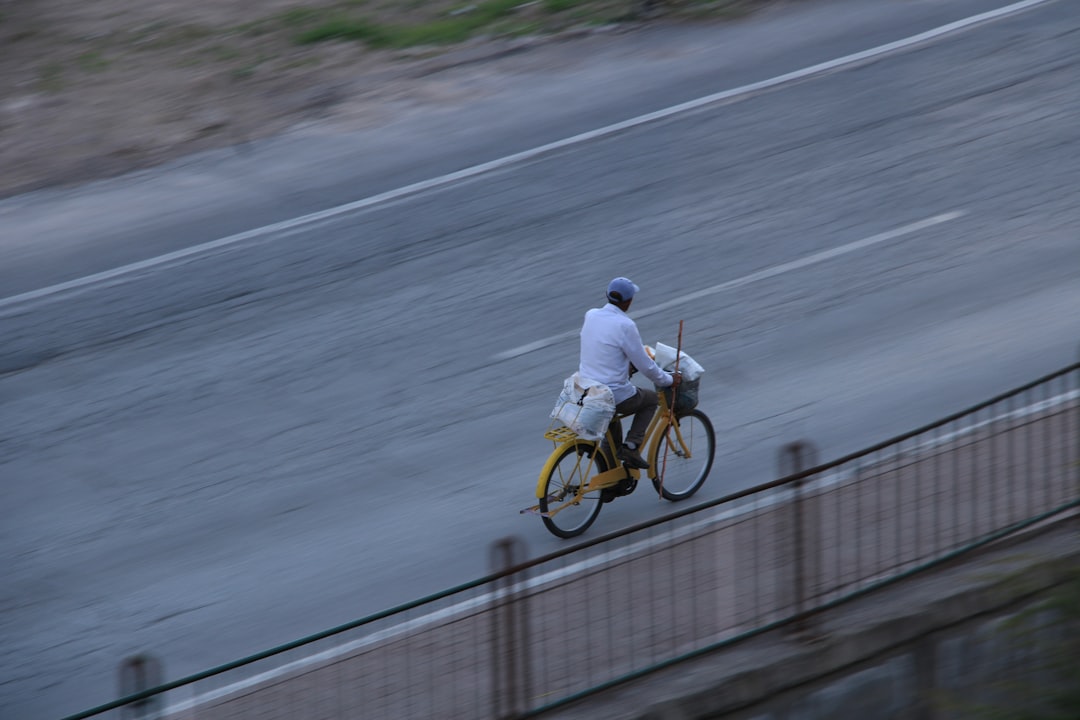
Well, there you have it — a full-throttle tour through the world of Belgian road bike brands, from the legendary Ridley and Eddy Merckx to the artisanal craftsmanship of Zannata and the titanium marvels of J-Guillem. We’ve unraveled what makes these bikes tick: durability forged on cobblestones, innovation born from necessity, and a heritage steeped in cycling glory. Whether you’re chasing KOMs on a Ridley, savoring long endurance rides on a Museeuw, or indulging in the silky smooth ride of a J-Guillem titanium frame, Belgian road bikes offer something truly special.
The Positives ✅
- Robust and reliable: Designed to withstand the harshest roads and weather.
- Innovative yet practical: Cutting-edge tech balanced with real-world usability.
- Rich heritage: Bikes that carry the spirit of cycling legends.
- Versatility: From aggressive race machines to comfortable endurance rides.
- Customization options: Especially with brands like Zannata and J-Guillem.
The Negatives ❌
- Price: Premium craftsmanship and materials come at a cost.
- Availability: Some brands are harder to find outside Europe.
- Ride feel: Some models prioritize stiffness over plush comfort, which might not suit every rider.
Our Confident Recommendation
If you’re after a true Belgian road bike experience, start with Ridley for race-ready speed or Eddy Merckx for a blend of heritage and endurance. For those craving timeless durability and comfort, Museeuw and Zannata are excellent choices. And if you want a lifetime companion with unmatched ride quality, J-Guillem’s titanium frames are worth every penny.
Remember, the best bike is the one that fits you perfectly and inspires you to ride more. So, take your time, test ride, and embrace the Belgian spirit — your perfect ride awaits!
Recommended Links
👉 Shop Belgian Road Bikes:
- Ridley Bikes: Amazon | eBay | Ridley Official Website
- Eddy Merckx Bikes: Amazon | eBay | Eddy Merckx Official Website
- Thompson Bikes: eBay | Thompson Official Website
- Granville Bikes: eBay | Granville Official Website
- Zannata Bikes: eBay | Zannata Official Website
- J-Guillem Bikes: J-Guillem Official Website
- Museeuw Bikes: eBay | Museeuw Official Website
Must-Read Books on Belgian Cycling Legends and Culture:
- Merckx: Half-Man, Half-Bike by William Fotheringham — Amazon Link
- The Race Against the Stasi: The Greatest Espionage Story of the Cold War by Herbie Sykes (includes rich Belgian cycling history) — Amazon Link
- The Story of the Tour of Flanders by Rik Vanwalleghem — Amazon Link
FAQ: Your Burning Questions About Belgian Road Bikes Answered
What are the most popular Belgian road bike brands?
The most popular Belgian road bike brands include Ridley, Eddy Merckx, and Thompson. Ridley is widely recognized for its race-winning pedigree and aerodynamic designs, favored by professional teams. Eddy Merckx carries the legacy of one of cycling’s greatest champions, offering bikes that blend tradition with modern tech. Thompson, with its century-long history, is beloved for reliability and craftsmanship. Other notable brands like Granville, Zannata, and Museeuw also have strong followings, especially among enthusiasts who value durability and comfort.
Read more about “Who Really Owns Trek Bicycles? 🧐 The Untold Story (2025)”
Are Belgian road bikes known for being high-quality and durable?
Absolutely! Belgian road bikes are renowned for their durability and high-quality construction. This stems from the demanding nature of Belgian roads, especially the cobblestone sections in races like the Tour of Flanders. Brands like Zannata and Museeuw emphasize robust frames and vibration damping to handle rough terrain without sacrificing performance. The focus on longevity means these bikes often last many years with proper care, making them excellent investments.
Which Belgian road bike brand is best for beginners?
For beginners, Thompson Bikes and Granville Bikes are excellent choices. They offer a range of models that balance performance with comfort and value, making them accessible to riders new to road cycling. Thompson’s long heritage ensures reliable builds, while Granville’s emphasis on smooth ride quality helps ease newcomers into longer rides. Additionally, Ridley’s entry-level models can also be suitable if you’re looking for a race-capable bike with room to grow.
Read more about “The 12 Best Bicycle Brands for Adults in 2025 🚴♀️”
Do any Belgian road bike brands offer custom or bespoke bicycle options?
Yes! Brands like Zannata and J-Guillem are known for offering custom or bespoke options. Zannata allows riders to personalize components and paint schemes, tailoring bikes to individual preferences. J-Guillem specializes in titanium frames, often built to order with meticulous craftsmanship and rider-specific geometry. Additionally, custom frame builders like Nicolas Noble in Belgium (though not a mass brand) highlight the region’s strong tradition of bespoke craftsmanship. If you want a truly unique Belgian bike, exploring these options is highly recommended.
How do Belgian road bikes perform in wet or harsh weather conditions?
Belgian road bikes are designed with all-weather performance in mind. Given Belgium’s often rainy and unpredictable climate, these bikes typically feature robust construction, sealed bearings, and generous tire clearance for wider, grippier tires. Disc brakes are common, providing reliable stopping power in wet conditions. Brands like Ridley and Museeuw incorporate materials and design features (like flax fiber layups) that improve vibration damping and rider comfort even on rough, wet roads.
Are Belgian road bikes suitable for gravel or mixed-terrain riding?
While primarily designed as road bikes, many modern Belgian models offer generous tire clearance (28mm to 32mm or wider), making them adaptable for light gravel or mixed-terrain riding. This versatility is especially useful for riders who want a bike that can handle both smooth tarmac and rougher backroads. However, for serious gravel riding, dedicated gravel bikes might be more appropriate. Check out our Gravel Bikes guide for more info.
Reference Links
- Ridley Bikes Official Website
- Eddy Merckx Official Website
- Thompson Bikes Official Website
- Granville Bikes Official Website
- Zannata Bikes Official Website
- J-Guillem Official Website
- Museeuw Bikes Official Website
- 100% Limburg Bike Project – Cycling Factory
- The Spoken – Belgium Cycling
- The Spoken – C-Bear Bottom Brackets Review
Ready to embrace the Belgian spirit on two wheels? Whether you crave the raw speed of Ridley or the timeless durability of J-Guillem, your perfect Belgian road bike awaits. Happy riding! 🚴♀️🚴♂️