Support our educational content for free when you purchase through links on our site. Learn more
Trek Bike Brand: What to Know Before You Buy 🚴

The Trek bike brand is a strong choice if you want a wide range of bikes, established dealer support, and models for everything from commuting to mountain trails. The best Trek for you depends less on the logo and more on where you ride, how the bike fits, and which features you’ll actually use.
Trek began in Waterloo, Wisconsin, in 1976, building steel touring frames. Today, its lineup includes road families such as Domane and Madone, mountain bikes like Marlin and Fuel, gravel bikes such as Checkpoint, plus fitness and electric models.
We’ve watched plenty of riders walk into a shop asking for “a Trek” and leave happiest after choosing a bike category first. That’s the useful twist: Trek makes so many kinds of bikes that the brand name is a starting point, not the answer.
Key Takeaways
- Trek is a well-established, broad-range bicycle brand with options for road, mountain, gravel, fitness, city, kids’, and electric riding.
- Choose by riding style and fit first. A Domane, Marlin, FX, and Checkpoint are built for very different jobs.
- Compare exact model years and builds. Frame materials, components, features, and specifications vary.
- Test-ride similar bikes from competing brands and ask about local service, sizing, warranty, and maintenance.
- Trek can be a great fit, but it isn’t automatically the best choice for every rider. Comfort and suitability beat brand loyalty.
Table of Contents
- ⚡️ Quick Tips and Facts
- 🚴 What Is the Trek Bike Brand?
- Who Trek Bikes Are Best For
- How Trek Compares With Other Bicycle Brands
- 📜 Trek’s History: From Wisconsin Workshop to Global Bike Maker
- Founding and Early Growth
- Carbon-Fiber Innovation and Major Milestones
- Trek Today: Ownership, Manufacturing, and Global Reach
- 🚲 Trek Bike Types and Product Families
- Road Bikes: Domane, Émonda, and Madone
- Mountain Bikes: Marlin, Roscoe, Fuel, and Slash
- Hybrid and Fitness Bikes: FX and Dual Sport
- Gravel Bikes: Checkpoint
- Electric Bikes: Trek e-Bike Range
- Kids’ Bikes and Family Cycling
- City, Comuter, and Touring Bikes
- 🏆 Popular Trek Bikes to Consider
- 1. Trek Domane: Endurance Road Riding
- 2. Trek Madone: Aerodynamic Road Performance
- 3. Trek Marlin: Entry-Level Mountain Biking
- 4. Trek Roscoe: Trail Riding and Plus-Size Tires
- 5. Trek Fuel EX: All-Mountain Versatility
- 6. Trek FX: Everyday Fitness and Comuting
- 7. Trek Checkpoint: Gravel and Bikepacking
- 8. Trek Verve+: Electric Comfort and Comuting
- 🔍 Trek Bike Technologies and Features Explained
- OCLV Carbon Frames
- Alpha Aluminum Frames
- IsoSpeed and Frame Comfort
- Suspension, Geometry, and Trek Mountain Bike Design
- Trek e-Bike Motors, Batteries, and Controls
- 🧩 Bontrager and Trek Accessories
- Bontrager Components, Helmets, and Clothing
- Trek Bike Gear for Comuting and Trail Riding
- ✅ Trek Bike Pros and Cons
- 🛒 How to Choose the Right Trek Bike
- Match the Bike to Your Riding Style
- Choose the Right Frame Size and Fit
- Compare Frame Materials and Components
- Decide Between New, Used, and Previous-Year Models
- Trek Bike Warranty, Service, and Dealer Support
- 🔧 Trek Bike Maintenance and Ownership Tips
- Routine Cleaning and Drivetrain Care
- Tire Pressure, Brakes, and Safety Checks
- Finding Trek Manuals, Parts, and Service
- 🌱 Sustainability, Safety, and Trek’s Environmental Efforts
- 🔄 Trek Alternatives and Competitor Brands
- Trek vs. Specialized
- Trek vs. Giant
- Trek vs. Cannondale
- Trek vs. Santa Cruz
- 🏁 Conclusion
- 🔗 Recommended Links
- ❓ FAQ
- Is Trek a good bike brand?
- Where are Trek bikes made?
- Are Trek bikes worth the money?
- What is Trek’s most popular bike?
- Is Trek better than Specialized or Giant?
- Does Trek make good electric bikes?
- How long do Trek bikes last?
- Can I buy Trek bikes online?
- 📚 Reference Links
⚡️ Quick Tips and Facts
Trek makes far more than race bikes. Its lineup ranges from everyday FX fitness bikes to carbon road racers, full-suspension mountain bikes, children’s bikes, and electric models. The trick is choosing the right Trek for your rides, not for the most dramatic-looking trail photo.
If you’re comparing bicycle makers, our guide to what bike brand has a mountain in the name? is a useful detour. For more manufacturer background, see our bike brand guides.
| Quick fact | What you should know |
|---|---|
| Founded | 1976, in Waterloo, Wisconsin |
| Known for | Road, mountain, gravel, hybrid, city, kids’, and electric bikes |
| Major bike families | Madone, Domane, Émonda, Checkpoint, FX, Marlin, Fuel, and Verve |
| Frame materials | Aluminum and carbon are common; availability varies by model and build |
| Retail and service | Trek sells through its website and a network of retailers; local dealer support can be valuable for sizing and repairs |
| Associated brands | Trek’s wider portfolio includes Electra and Diamant; Bontrager has long been associated with Trek components and accessories |
| Best first step | Decide where you’ll ride, then test-ride the correct type of bike before comparing components |
Our quick take
- ✅ Good fit: You want a broad model range, established dealer support, and bikes spanning casual rides to racing.
- ✅ Especially worth comparing: Trek’s Domane for endurance road riding, FX for fitness and commuting, Checkpoint for gravel, and Marlin for accessible trail riding.
- ❌ Not an automatic win: A familiar logo doesn’t make every model ideal for every rider. Fit, gearing, brakes, tires, and intended use matter more than brand loyalty.
- ⚠️ Check the exact model year: Trek updates specifications, names, geometry, and features over time. Verify the details on the bike’s official model page or its frame label.
One useful question keeps coming up in the shop: Is Trek’s reputation built on racing, or does it translate to the bike you’ll actually ride on Monday morning? The answer depends on which Trek you’re looking at.
🚴 What Is the Trek Bike Brand?
Trek Bicycle Corporation is an American bicycle company founded in Waterloo, Wisconsin, in 1976. It has grown from a small maker of steel touring frames into a global brand offering bikes for road riding, mountain trails, gravel, city travel, family rides, and electric-assisted cycling. Trek’s official bike range shows just how broad that menu has become.
The brand’s breadth is a real advantage: a rider can move from a Trek hybrid to a road or gravel bike without starting from scratch on fit, dealer support, or accessories. It can also make shopping feel like standing in front of a menu with 47 versions of “potato.” That’s why ride purpose should come before model name.
Trek’s bicycles have appeared at top-level road and mountain-bike events, but race visibility alone doesn’t tell you whether a bike is comfortable, repairable, or good value for your needs. For independent context, read detailed bike reviews and compare the bike’s actual specifications with the terrain you ride.
Who Trek Bikes Are Best For
Trek makes bikes for a wide range of riders, but the brand may be especially appealing if you want:
- A recognizable model family with options at different performance levels.
- A local shop relationship for test rides, fitting, assembly, maintenance, and warranty questions.
- A bike for a specific job, from paved-path exercise to technical mountain biking.
- A substantial accessories ecosystem, including helmets, racks, lights, tires, and clothing.
- An electric-bike option for commuting, cargo hauling, or longer rides with pedal assistance.
A Trek is not necessarily the best choice just because a nearby shop sells it. If another brand offers a more comfortable fit, better value in the exact build, or more suitable gearing, that bike deserves a serious look too. We’ve seen riders fall in love with a paint job, then discover on the test ride that the reach feels like they’re trying to shake hands with the front axle. Fit beats flirting with the catalog.
How Trek Compares With Other Bicycle Brands
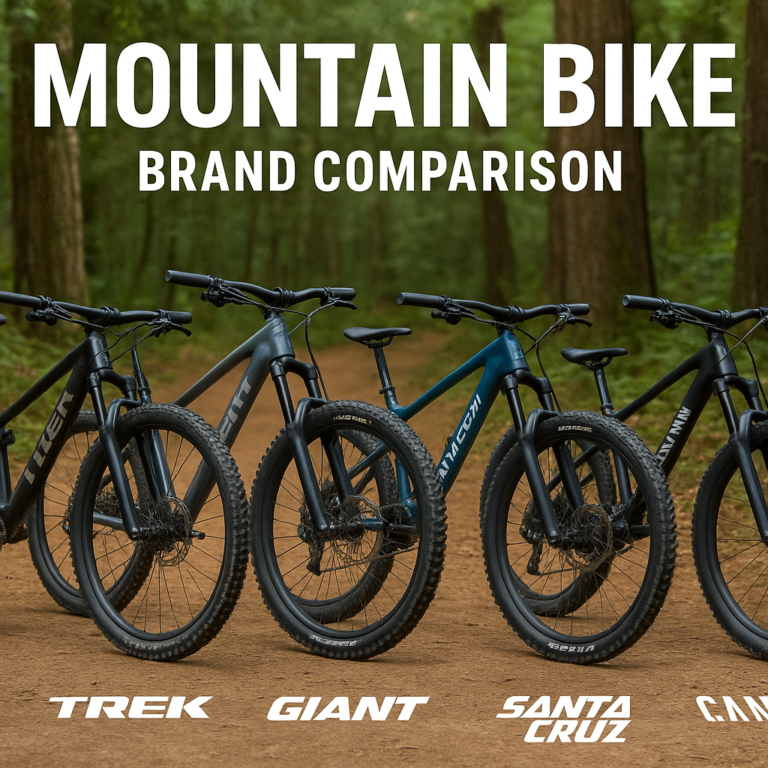
Trek competes with brands such as Specialized, Giant, Cannondale, Giant, Scott, Canyon, and Santa Cruz, depending on bike category. Brand-wide comparisons can be misleading: a Trek road bike and a Santa Cruz downhill bike are built for entirely different missions.
| Shopping question | What to compare |
|---|---|
| Which brand has the best bike? | Compare specific models in the same category, not logos in the abstract |
| Which bike is the best value? | Look at frame, fork, drivetrain, brakes, wheels, tire clearance, and service support |
| Which brand has the best fit? | Test ride and compare size charts, geometry, saddle position, and handlebar reach |
| Which one is easiest to maintain? | Ask a local mechanic about parts, service access, and model-specific systems |
| Is a pro team association proof of quality? | It demonstrates racing involvement, but doesn’t replace independent reviews or a test ride |
We’ll compare several competitors later. First, it helps to know why a company that began by hand-building touring frames now makes everything from carbon superbikes to electric commuters.
📜 Trek’s History: From Wisconsin Workshop to Global Bike Maker

Founding and Early Growth
Trek was founded in 1976 by Dick Burke and Bevil Hogg in Waterloo, Wisconsin. The company began by producing steel touring frames, a practical starting point for a brand whose name evokes long journeys. A small workforce and hand-built frames are a long way from today’s global supply chain, but the early focus on durable bikes helped establish Trek’s identity.
A brand-history account by Upway also describes Trek’s early beginnings in Wisconsin and its expansion into road, mountain, gravel, city, and electric bikes. The company’s official history and brand information provides Trek’s own perspective; for corporate and historical detail, check claims against more than one source, especially when figures or old model specifications are involved.
Carbon-Fiber Innovation and Major Milestones
Trek’s history includes successive shifts in materials and categories: from steel touring bikes into aluminum and carbon frames, then deeper into mountain biking, full suspension, hybrids, and electric bikes.
| Period | Milestone | Why it mattered |
|---|---|---|
| 1970s | Trek starts in Waterloo building steel frames | Established its U.S. manufacturing roots |
| 1980s | Aluminum and carbon-frame development expands | Added lighter frame options and new construction methods |
| 1990s | Trek develops OCLV Carbon and grows through acquisitions | Built its carbon identity and broadened its product expertise |
| 200s | Road-racing visibility rises alongside mountain and commuter ranges | Made the brand more prominent across cycling categories |
| 2010s–today | E-bikes and broader all-road offerings grow | Reflects demand for assisted riding, gravel, and everyday transport |
Trek’s OCLV Carbon name stands for “Optimum Compaction, Low Void,” a term associated with its carbon-fiber frame process. Carbon construction can deliver a favorable strength-to-weight balance, but the real-world ride depends on the whole frame design, layup, geometry, wheels, tires, and setup—not just a carbon badge.
Trek’s acquisition history also includes brands and operations such as Gary Fisher, Klein, Bontrager, Electra, and Diamant. Some names remain active in particular markets or product lines; others have been discontinued, absorbed, or repositioned. Don’t assume an old brand name still corresponds to a current standalone bike range.
Trek Today: Ownership, Manufacturing, and Global Reach
Trek remains headquartered in Waterloo, Wisconsin, but where a bike is designed, assembled, and manufactured can vary by model and component. Many current bikes are produced outside the United States. The safest way to check a particular bike is to inspect its country-of-origin label and the product documentation; country of manufacture can differ across frame, parts, and final assembly.
The brand sells through online channels and independent bicycle retailers. That network can make a difference when you need an accurate fit, a warranty assessment, or a mechanic who knows the model. It also means service experience can vary by shop, so ask about assembly, first tune-up, and ongoing support before you buy.
Trek’s racing history is part of its public identity, including associations with professional riders and high-profile events. But racing stories can get tangled with controversy. A video featured in this article, linked at #featured-video, discusses Trek’s origins, acquisitions, Armstrong-era visibility, the LeMond dispute, and a major 2015 quick-release recall. Treat the video as a historical overview, then verify safety and product claims against official recall notices and other reliable records.
🚲 Trek Bike Types and Product Families
Trek’s official bike-category directory groups bikes by riding style. Here’s the practical version: start with the surface and speed you expect, then choose a model family. An all-day road ride, a rocky downhill trail, and a pothole-filled commute are not the same problem wearing different helmets.
| Bike category | Typical use | Trek families to investigate | Common trade-off |
|---|---|---|---|
| Road | Paved roads, training, long rides, racing | Domane, Madone, Émonda | Fast and efficient, but less at home on rough trails |
| Mountain | Singletrack, dirt roads, technical trails | Marlin, Roscoe, Procaliber, Fuel, Slash | Trail capability can add weight and maintenance |
| Gravel | Mixed pavement, dirt roads, bikepacking | Checkpoint | Versatile, but not as specialized as a road race or downhill bike |
| Fitness/hybrid | Exercise, paved paths, everyday trips | FX | Practical and quick, but limited on rough technical trails |
| Comfort/city | Leisure rides, errands, commuting | Verve, Electra models | Upright and approachable, often less sporty |
| Electric | Assisted commuting, recreation, trails | Trek models marked “+” or listed as e-bikes | Added range and assistance bring battery and charging considerations |
| Kids’ | Learning, family rides, youth cycling | Trek kids’ range | Fit and low weight matter especially as children grow |
Road Bikes: Domane, Émonda, and Madone
- Domane: An endurance road-bike family intended for longer rides and comfort-oriented road use. Depending on model year and build, tire clearance, geometry, and vibration-management features vary.
- Émonda: Trek’s lightweight-oriented road family, designed with climbing and road performance in mind. Confirm the current lineup and specifications, since product names and ranges can change.
- Madone: A race-focused road family emphasizing speed and aerodynamic performance. Its more aggressive fit may suit hard training better than relaxed recreational rides.
Trek’s road-bike range is the place to check current models. Before choosing, compare gearing, brake type, tire clearance, frame material, and fit. A comfortable endurance bike you ride every weekend beats an intimidating race bike that becomes a very expensive hallway decoration.
Mountain Bikes: Marlin, Roscoe, Fuel, and Slash
Trek’s mountain range covers very different terrain:
- Marlin: A hardtail family often considered for beginner trails, paths, and general off-road riding. It is not a downhill bike.
- Roscoe: A trail hardtail with a more trail-oriented setup than many entry-level cross-country models.
- Procaliber and Supercaliber: Families aimed more toward cross-country efficiency and speed.
- Fuel EX: A versatile full-suspension trail bike family.
- Slash: A longer-travel enduro-oriented bike family for aggressive descents and demanding terrain.
The word mountain bike can describe a light hardtail or a heavy downhill rig. Those bikes don’t share the same ideal climbing ability, suspension, or maintenance routine. Look through Trek’s mountain-bike range and compare travel and geometry for the terrain you actually ride.
Hybrid and Fitness Bikes: FX and Dual Sport
The FX line is designed around fitness and practical paved-road use. It can work for commuting, exercise, and paved trails, particularly when you want a more efficient position than a comfort bike. Dual Sport models are intended to bridge paved routes and lighter off-road riding, but the exact equipment varies by year and configuration.
Think about your route before buying:
- Mostly pavement and bike paths? FX is a natural starting point.
- Regular hard-packed gravel or rough paths? Compare Dual Sport options and tire clearance.
- Technical singletrack? Look at a real mountain bike rather than expecting a hybrid to moonlight as one.
Explore Trek’s hybrid bikes and our city bike guides for practical commuting comparisons.
Gravel Bikes: Checkpoint
The Checkpoint is Trek’s gravel-bike family. Gravel bikes are built to handle pavement and unpaved routes, usually with drop handlebars, stable geometry, and clearance for wider tires than a traditional road race bike. Exact clearance, mounts, and frame features depend on the specific model year.
A gravel bike may be a good fit if you want one bike for road rides, dirt roads, and light bikepacking. It won’t replace a true mountain bike on rough technical trails, and a road-race bike may feel sharper on smooth tarmac. Check Trek’s gravel bike range for current specifications.
Electric Bikes: Trek e-Bike Range
Trek sells e-bikes across several riding styles, including commuter, city, mountain, and recreational models. Many use a “+” in the model name, though you should confirm the listing rather than treating the naming convention as a universal rule.
An e-bike adds pedal assistance; it doesn’t turn pedaling into an optional decorative gesture. Consider:
- Use case: commuting, hills, trail riding, cargo, or leisure.
- Motor and battery: check manufacturer specifications for the exact model.
- Range expectations: terrain, rider weight, temperature, assist level, and battery condition all affect range.
- Service access: confirm that a nearby dealer can diagnose and service the specific motor system.
- Storage and charging: plan for battery removal, charging access, and safe parking.
See Trek’s electric bike range and our electric bike guides. For used e-bikes, check battery health and service history especially carefully.
Kids’ Bikes and Family Cycling
Trek offers children’s bikes for different ages, sizes, and riding ability. The key buying measure is not the child’s age alone: standover, reach, weight, brakes, and confidence matter. A bike that is too large can make starting and stopping intimidating; one that is too heavy can make every hill feel like a school assignment.
When shopping, have your child try the bike where possible. Ask a retailer to check fit, and choose a helmet that meets the relevant local safety standard. Trek’s kids’ bike range is a starting point, not a substitute for an in-person fit check.
City, Comuter, and Touring Bikes
For city riding, look for practical details: fender and rack compatibility, reliable lighting, puncture-resistant tires, useful gearing, and an upright position you can sustain. Trek’s Verve family and some FX builds may suit urban riding, while Electra models often focus on comfort and casual cruising.
For longer tours or loaded bikepacking, verify load limits and mounting points. A bike that can carry a small saddle bag is not automatically built for a loaded expedition. Explore Trek’s city and commuter bikes and our city bike category.
🏆 Popular Trek Bikes to Consider
There isn’t one universal “best Trek bike.” The best choice is the one whose frame, fit, parts, and intended use match your riding. The models below are families to compare, not endorsements of every year or trim.
| Trek family | Best suited to | Main strength | Watch for |
|---|---|---|---|
| Domane | Endurance road riding | Comfort-oriented road versatility | Model-year differences in features and clearance |
| Madone | Fast road riding and racing | Aerodynamic race focus | Aggressive fit and higher-performance parts |
| Marlin | Entry-level off-road and paths | Accessible hardtail approach | Not designed for demanding downhill use |
| Roscoe | Trail riding on a hardtail | Trail-focused feel | Hardtail comfort and capability still have limits |
| Fuel EX | General trail riding | Full-suspension versatility | Added weight and suspension maintenance |
| FX | Fitness, commuting, paved paths | Practical, efficient hybrid setup | Less suitable for rough technical trails |
| Checkpoint | Gravel and mixed-surface rides | Road-to-dirt flexibility | Not a substitute for a dedicated MTB |
| Verve+ | Electric city and recreational rides | Pedal assistance and comfort | Battery, motor support, and charging needs |
1. Trek Domane: Endurance Road Riding
The Domane is worth considering if you want a road bike for long rides, rougher pavement, or a less race-like posture. Its comfort features and geometry vary across generations, so use the official page for the exact year and build.
A road cyclist in our riding group calls the Domane “the bike that lets Sunday stay fun after the first two hours.” That’s a rider’s impression, not a lab result, but it captures the endurance-bike appeal: a stable, comfortable setup can matter more than a few seconds of aerodynamic advantage for recreational miles.
Strengths
- A more endurance-oriented position than a pure race bike.
- Practical for long road rides and varied pavement.
- Some models offer wider tire clearance than traditional race designs.
Trade-offs
- Not as race-focused as a Madone.
- Components and features differ substantially by build.
- Fit still matters; “endurance geometry” doesn’t guarantee comfort for every body.
See current Domane models on Trek.
2. Trek Madone: Aerodynamic Road Performance
The Madone is Trek’s race-oriented road-bike family. It is aimed at riders prioritizing speed, aerodynamics, and high-performance road handling. That doesn’t automatically make it faster for every rider: position, tires, gearing, fitness, and terrain all contribute.
Consider a Madone if you:
- Ride fast group rides or train for road events.
- Want an aerodynamic, performance-focused road bike.
- Can get comfortable in a more aggressive riding position.
Look elsewhere if: you mainly want relaxed weekend miles, rough-road comfort, or a bike for mixed surfaces. The Domane or Checkpoint may fit those jobs better.
Check Trek’s Madone page for current specifications and frame options.
3. Trek Marlin: Entry-Level Mountain Biking
The Marlin is a hardtail mountain-bike family that can suit riders getting started on trails, riding gravel paths, or looking for a versatile off-road bike. Equipment differs among trims and model years, so check the fork, brakes, drivetrain, and tire setup rather than relying on the model name alone.
Good reasons to consider it
- You want a straightforward hardtail for beginner-friendly trails.
- You prefer simpler maintenance than a full-suspension bike.
- You need a bike that can handle dirt paths as well as pavement.
Reasons to compare alternatives
- Step or rocky trails may call for more capable suspension and brakes.
- A mountain-bike tire can feel slow on regular commuting routes.
- A heavy or poorly sized bike can dampen the fun quickly.
Trek’s Marlin family and the mountain-bike brand guide are good comparison starting points.
4. Trek Roscoe: Trail Riding and Plus-Size Tires
The Roscoe is a trail-oriented hardtail designed for riders who want a more assertive off-road setup than a basic cross-country bike. Depending on model year, tire width and components differ, so confirm the official specification.
A hardtail can be a blast on flowing trails: fewer suspension parts, direct pedaling feel, and less mechanical complexity. But a hardtail asks you to do more of the suspension work with your arms and legs. On rough, fast descents, a full-suspension model may be more forgiving.
5. Trek Fuel EX: All-Mountain Versatility
The Fuel EX is a full-suspension trail-bike family intended to balance climbing and descending. It can make sense if your local rides include rocky terrain, roots, and longer descents where rear suspension adds control and comfort.
Full suspension is not free capability. It adds maintenance and moving parts, and the bike’s weight and setup may differ from a hardtail. Before buying, ask the shop about suspension service intervals, frame protection, and setup for your weight and riding style.
6. Trek FX: Everyday Fitness and Comuting
The FX is a fitness-hybrid family that can work for exercise, commutes, and paved paths. It’s one of the most sensible Trek ranges to test if you want flat handlebars and a more efficient position than a cruiser.
We like hybrids for riders who need one bike to do several ordinary jobs: ride to work, join a weekend path ride, and run the occasional errand. The compromise is equally ordinary: it won’t match a road bike’s speed or a mountain bike’s trail capability. Check Trek’s FX lineup.
7. Trek Checkpoint: Gravel and Bikepacking
The Checkpoint suits riders who want drop handlebars and the freedom to leave smooth pavement behind. Its geometry, mounting points, and tire clearance vary by build, so compare the exact bike against your plans for racks, bags, and rough surfaces.
For casual gravel, tire choice and pressure can be more noticeable than an expensive component upgrade. For bikepacking, verify the frame’s load guidance and compatibility with your intended bags. The Checkpoint is a mixed-surface bike, not a promise that every trail becomes easy.
8. Trek Verve+: Electric Comfort and Comuting
The Verve+ is an electric-assist family associated with comfortable city and recreational riding. It may suit riders who want support on hills or longer commutes without adopting a sportier posture.
Before choosing an electric Trek, ask the dealer:
- What motor and battery system does this exact model use?
- What service is available locally?
- Can the battery be removed for charging?
- How does the bike’s weight affect carrying or storage?
- What range should you expect for your terrain and assist level?
Explore Trek’s electric bike lineup and our electric-bike resources.
🔍 Trek Bike Technologies and Features Explained
Technology names can sound like they require a laboratory coat. The useful question is simpler: What does this feature change for your ride, and can you feel the benefit?
OCLV Carbon Frames
OCLV Carbon is Trek’s branded carbon-fiber construction process. Carbon frames can be engineered to combine low weight, stiffness, and compliance, but not all carbon frames ride or perform alike. The frame design and layup matter, and the rest of the bike matters too.
Benefits
- High design flexibility.
- Potential for a light frame.
- Can be tuned for different stiffness and ride-fel goals.
Trade-offs
- Damage can be difficult to assess without expertise.
- Repair options and costs vary.
- Carbon does not make a bike immune to impact damage or poor maintenance.
If you’re buying used, have a qualified shop inspect a carbon frame after a crash or suspected impact.
Alpha Aluminum Frames
Trek uses Alpha Aluminum branding on some aluminum frames. Aluminum can offer a durable and practical option, but comfort depends on geometry, tires, fork, seatpost, and frame design—not simply on whether a frame is aluminum or carbon.
For commuting, recreation, and entry-level trail riding, a well-fitted aluminum bike can be a more sensible choice than stretching your budget for a carbon frame that doesn’t suit your needs.
IsoSpeed and Frame Comfort
Trek’s IsoSpeed technology has been used on some models to help manage road vibration by allowing controlled frame movement. The exact design and availability depend on the bike and generation. Don’t assume every Domane or Trek road bike has the same system.
Comfort comes from several interacting choices:
- Correct frame size and saddle position.
- Tire width and pressure.
- Handlebar reach and bar tape.
- Frame design and seatpost.
- Riding posture and route conditions.
A comfortable tire setup can make a bigger difference than a feature name in a brochure. Ask the dealer to check recommended tire clearance and pressure for your weight and road surface.
Suspension, Geometry, and Trek Mountain Bike Design
Mountain-bike capability depends on geometry, suspension travel, tires, brakes, and setup working together. More travel can help on rough descents, but it may make the bike less efficient for smooth paths or long climbs. A short-travel cross-country bike and a long-travel enduro bike are built for different trails.
When comparing Trek mountain bikes, check:
- Hardtail or full suspension?
- Wheel and tire setup?
- Front and rear suspension travel?
- Frame size and reach?
- Brake and drivetrain specification?
- Is the bike intended for cross-country, trail, enduro, or downhill use?
Trek’s mountain-bike category and the IMBA trail resources can help put your riding plans in context.
Trek e-Bike Motors, Batteries, and Controls
Trek electric bikes use pedal-assist systems; the specific motor, battery, display, and controls depend on model and year. Check the bike’s manual and product page rather than assuming that two models with “+” in the name share the same system.
For safe ownership:
- Follow the manufacturer’s charging and storage instructions.
- Use the specified charger and battery.
- Avoid damaged batteries and unauthorized modifications.
- Ask a Trek dealer about diagnostics, software, and service access.
- Check local rules for e-bike classes, motor assistance, and trail access.
For electric-bike category comparisons, visit our electric bikes section.
🧩 Bontrager and Trek Accessories
Bontrager has long been associated with Trek components and accessories, including tires, wheels, helmets, saddles, clothing, and other cycling gear. Product branding can vary over time and by market, so check the actual item and current Trek listings before assuming a particular accessory is still sold under that name.
A bike’s accessories are not afterthoughts. The right lights, lock, helmet, fenders, and rack may change how safely and often you ride. Our bike accessories category covers gear choices beyond the frame.
Bontrager Components, Helmets, and Clothing
When choosing a helmet, check fit, condition, and applicable safety certification. A helmet that wobbles around like a loose fruit bowl is not doing its job well. Replace a helmet after a significant impact and follow the manufacturer’s care guidance.
For components and apparel, compare:
- Compatibility with your bike and riding style.
- Fit and adjustability.
- Weather protection and visibility.
- Repair or replacement availability.
- Independent test information when safety performance is involved.
Trek Bike Gear for Comuting and Trail Riding
| Riding need | Useful gear | What to check |
|---|---|---|
| Comuting | Front/rear lights, lock, fenders, rack | Mount compatibility and local lighting laws |
| Gravel | Repair kit, spare tube or tubeless plugs, pump | Tire type and axle compatibility |
| Mountain biking | Helmet, gloves, eye protection, hydration | Fit, trail conditions, and protection level |
| Long road rides | Padded shorts, bottles, mini-pump | Comfort, storage, and weather |
| Family riding | Correctly fitted helmets, visibility gear | Sizing, child seat or trailer compatibility |
Use lights and reflective equipment appropriate to your route and local requirements. The NHTSA bicycle safety guidance offers practical road-safety advice.
✅ Trek Bike Pros and Cons
| Pros ✅ | Cons ❌ |
|---|---|
| Broad range spanning casual, sport, and competitive riding | The huge lineup can be confusing without a clear use case |
| Established model families with options across categories | Specifications change by year and trim |
| Retailer network can support fit, service, and repairs | Dealer experience and availability vary by location |
| Strong presence in road, mountain, gravel, hybrid, and e-bike categories | Some models may cost more than comparable alternatives, depending on build |
| A wide accessories ecosystem | Component branding and product availability can change |
| Recognizable brand with a long cycling history | Racing heritage does not guarantee a good fit or good value for you |
Our balanced verdict
Trek is a credible, broad-coverage bicycle brand, not a magic spell stamped onto a frame. It can be an excellent choice when the model suits your riding, the size fits, and the build makes sense for your budget. It can be a poor choice if you buy the wrong category or pay for features you won’t use.
The most important comparison is not “Trek versus all bikes.” It’s this Trek versus the closest alternatives you can test ride.
🛒 How to Choose the Right Trek Bike
Match the Bike to Your Riding Style
Use this step-by-step process before browsing model names:
- Write down your main routes. Pavement, gravel, dirt paths, technical trails, and commuting streets call for different bikes.
- Estimate how often you’ll ride. Daily commuting and occasional recreation have different durability and gear needs.
- List your priorities. Comfort, speed, carrying capacity, low maintenance, or electric assistance?
- Set realistic conditions. Include hills, weather, road quality, storage, and the need to carry the bike upstairs.
- Choose a category first. Road, gravel, hybrid, mountain, city, or e-bike.
- Compare two or three models. Avoid comparing a race bike to a comfort hybrid just because both have the Trek logo.
- Test ride. A short ride can reveal reach, saddle comfort, handling, and shifting issues that a spec sheet cannot.
Choose the Right Frame Size and Fit
A size chart is a starting point, not a final verdict. Riders with the same height can have different leg, torso, and arm proportions. Model geometry also varies.
Ask a shop to check:
- Standover and reach.
- Saddle height and fore-aft position.
- Handlebar height and distance.
- Foot placement and pedal clearance.
- Whether the bike feels stable at low speed and comfortable over a sustained ride.
A quick spin around a parking lot is useful, but try to test the bike on a surface similar to your regular route when possible.
Compare Frame Materials and Components
| Component or feature | Why it matters |
|---|---|
| Frame material | Affects weight, ride feel, durability characteristics, and repair considerations |
| Fork | Important for trail control and comfort; suspension adds weight and maintenance |
| Gearing | Determines how comfortably you climb and how fast you can pedal on flats |
| Brakes | Disc brakes are common across many categories; exact performance depends on the system and setup |
| Tires | Influence grip, rolling resistance, puncture protection, and comfort |
| Wheelset | Affects durability, weight, and serviceability |
| Mounts and clearance | Matter for fenders, racks, bottle cages, and wider tires |
| E-bike system | Consider battery, motor support, service access, charging, and local rules |
A higher-tier drivetrain may feel nice, but it won’t rescue a poorly fitting frame. Prioritize the frame, fit, brakes, tires, and gearing you actually need.
Decide Between New, Used, and Previous-Year Models
A used Trek can be a good option if the bike has a sound frame, appropriate components, and a clear maintenance history. A previous-year model may also offer value, but check whether its fit and specifications match the current version.
For a used-bike inspection:
- Check the frame for cracks, dents, corrosion, or signs of repair.
- Inspect wheels for damage, loose spokes, and rim wear.
- Test the brakes for consistent stopping and inspect pads and rotors.
- Check the drivetrain for chain wear, skipping, and damaged teeth.
- Test suspension and droper posts if fitted.
- Confirm ownership and serial number where possible.
- For an e-bike, ask for battery and system diagnostics from a qualified dealer.
A mechanic’s inspection is especially worthwhile for carbon frames, full-suspension bikes, and e-bikes.
Trek Bike Warranty, Service, and Dealer Support
Warranty terms depend on product, region, registration, original owner status, and the exact issue. Read Trek’s current warranty information and keep your purchase records.
Before buying, ask the retailer:
- What assembly or fitting is included?
- Is there a first service check?
- Who handles warranty claims?
- Can the shop service the bike’s suspension or e-bike system?
- Are replacement parts available for the model?
Good dealer support can be a meaningful benefit, but it is not identical at every location. Ask the questions before the ride home, not after the first mysterious click.
🔧 Trek Bike Maintenance and Ownership Tips
Routine Cleaning and Drivetrain Care
You don’t need a spotless showroom bike. You do need a clean, lubricated drivetrain and a habit of noticing problems early.
After wet or dirty rides:
- Wipe down the frame and drivetrain.
- Clean grime from the chain, cassette, and chainrings.
- Let parts dry.
- Apply an appropriate chain lubricant.
- Wipe excess lubricant from the chain.
- Check brakes and tires before the next ride.
Avoid blasting bearings, suspension seals, or electrical components with high-pressure water. Follow the bike and component makers’ care instructions.
Tire Pressure, Brakes, and Safety Checks
Before each ride, take a minute for a simple inspection:
- Tires: Look for cuts, embedded debris, and pressure loss.
- Brakes: Squeeze both levers and check for a firm, predictable feel.
- Wheels: Check for obvious woble or damage.
- Bolts: Watch for loose accessories and follow torque specifications.
- Lights and battery: Confirm charge and function on commuter or e-bikes.
- Quick-release or thru-axles: Confirm they are correctly secured according to the manual.
A brake lever that suddenly feels different is a reason to stop and investigate, not a reason to squeeze harder and hope. For safety and recall checks, use Trek’s official recall information and the relevant government recall database.
Finding Trek Manuals, Parts, and Service
Use Trek’s support and manuals resources to find model information and owner documentation. Keep the bike’s model name, year, and serial number handy when contacting a retailer.
For replacement parts, confirm compatibility by exact model and year. Similar-looking Trek bikes may use different axle standards, brakes, seatposts, or suspension parts. A mechanic can save you from ordering a component that fits the photo but not the bike.
🌱 Sustainability, Safety, and Trek’s Environmental Efforts
A bicycle can support lower-impact travel, especially when it replaces short car trips, but the whole sustainability picture includes manufacturing, materials, shipping, maintenance, and how long a bike stays in use. Trek has promoted cycling and sustainability initiatives over the years; check the company’s current sustainability information for up-to-date programs rather than assuming a past campaign is still active.
For riders, some of the most practical choices are straightforward:
- Keep a bike in service with routine maintenance.
- Repair a puncture or worn component where safe and practical.
- Choose gear that suits your real use rather than replacing bikes frequently.
- Ride predictably and use suitable safety equipment.
- Check local rules for e-bikes and shared paths.
Safety Recalls and the 2015 Quick-Release Recall
A video linked at #featured-video highlights a 2015 Trek recall involving certain bicycles with front disc brakes and a particular quick-release design. The broad takeaway is important: recall scope depends on the exact bicycle and component, not simply the brand.
If you own an older Trek:
- Find the model, year, and serial number.
- Check Trek’s official safety recall page.
- Follow the recall instructions and contact an authorized retailer if your bike may be affected.
- Don’t ride a bicycle identified as unsafe until the required fix is complete.
Recall figures and coverage can be reported differently across sources; official recall notices are the right place to verify affected products and required remedies.
🔄 Trek Alternatives and Competitor Brands
Brand comparisons are most useful when the bikes share a category, price tier, and intended riding style. Start with two specific models and compare geometry, components, tires, service support, and warranty—not general reputation alone.
Trek vs. Specialized
Specialized and Trek both offer broad ranges across road, mountain, gravel, hybrid, and electric bikes. Compare similar families, such as an endurance road bike against an endurance road bike or a trail hardtail against another trail hardtail.
Specialized may appeal if its particular geometry, dealer support, or model features fit you better. Trek may have the edge for you if its build, availability, or local retailer relationship is stronger. There is no reliable brand-wide winner for every category.
See Specialized’s official bike range and Trek’s current lineup.
Trek vs. Giant
Giant makes bikes across many of the same categories and is a major competitor in road, mountain, and electric cycling. Compare the exact frame and component specification, including what comes with the complete bike. Model names alone don’t reveal whether one build has better brakes, wheels, or tires.
Explore Giant’s official bike lineup alongside Trek’s corresponding model page.
Trek vs. Cannondale
Cannondale competes with Trek in road, gravel, hybrid, and mountain categories. Geometry and feature choices can differ significantly even when two bikes look similar on paper. Test both, especially if you’re sensitive to handlebar reach, steering feel, or saddle position.
Check Cannondale’s official bike range and compare category-matched builds.
Trek vs. Santa Cruz
Santa Cruz is best known for mountain bikes, especially high-performance trail and gravity models. It is not a like-for-like competitor for every Trek hybrid, road, or commuter bike. Compare Santa Cruz with Trek’s mountain-bike families only when the intended discipline overlaps.
See Santa Cruz’s official bike lineup and Trek’s mountain-bike range.
A practical competitor checklist
Before choosing, give each candidate a test ride and compare:
- ✅ Correct size and comfortable riding position.
- ✅ Appropriate tires, gearing, and brakes.
- ✅ Service access and parts availability nearby.
- ✅ Fit for your main route and riding ability.
- ✅ Warranty terms and clear product documentation.
- ❌ Don’t choose only by color, race-team fame, or a discount on the wrong category.