Support our educational content for free when you purchase through links on our site. Learn more
💸 Why Is Cannondale So Expensive? 7 Shocking Truths (2026)

You’ve seen the green and black logo, felt the hum of the Lefty fork, and then stared in horror at the price tag. “Why is Cannondale so expensive?” is the question echoing in every biker’s mind as they walk out of the shop empty-handed. Is it just a marketing gimmick, or are you actually paying for engineering magic that other brands can’t replicate?
We’ve ridden everything from $20 department store beater to $12,0 custom builds, and let us tell you: Cannondale isn’t just selling you a bike; they’re selling you a piece of cycling history that refuses to follow the rules. From the moment they pioneered aluminum frames in the 80s to their current dominance in carbon fiber aerodynamics, they’ve always been the “weird” kid in the class who turns out to be the genius. But does that genius come with a price you can afford?
In this deep dive, we’re ripping back the curtain on the 7 hidden costs that drive up the price, breaking down the real maintenance bills for that iconic Lefty fork, and comparing Cannondale head-to-head with giants like Trek and Specialized. By the end, you’ll know exactly if that premium is a worthwhile investment for your next ride or just a shiny distraction.
Key Takeaways
- Inovation Over Imitation: Cannondale commands a premium because of proprietary technologies like the Lefty fork and SmartForm aluminum that competitors cannot legally copy.
- R&D is Real: A significant portion of the cost goes toward wind tunnel testing, advanced carbon layup, and rigorous quality control that ensures pro-level performance.
- Maintenance Matters: While the Lefty fork offers unmatched stiffness, it requires specialized tools and service, adding to the long-term ownership cost.
- Value Verdict: For competitive racers and tech enthusiasts, the performance gains justify the price; for casual riders, more affordable brands may offer better value.
Ready to see if the green machine is right for you?
- 👉 Shop Cannondale Road Bikes: Amazon | Walmart | Cannondale Official
- 👉 Shop Cannondale Mountain Bikes: Amazon | eBay | Cannondale Official
Table of Contents
- ⚡️ Quick Tips and Facts
- 🏁 The Cannondale Price Tag: Why Are These Bikes So Expensive?
- 📜 A Brief History of Cannondale: From Aluminum Pioners to Carbon Masters
- 🛠️ The Engineering Behind the Cost: Lefty Forks, SmartForm, and Beyond
- 🚴 ♂️ 7 Reasons Why Cannondale Bikes Command a Premium Price
- 1. Proprietary Lefty Fork Technology and Maintenance Costs
- 2. Advanced SmartForm C1, C2, and C3 Aluminum Aloys
- 3. High-End Carbon Fiber Layup Techniques
- 4. Exclusive Partnerships with Top Component Manufacturers
- 5. Rigorous Quality Control and Testing Protocols
- 6. Aerodynamic Optimization and Wind Tunnel Testing
- 7. Brand Heritage and Professional Racing Pedigree
- 💸 Is a Cannondale Lefty Fork Expensive to Maintain? The Real Cost Breakdown
- ⚖️ Cannondale vs. The Competition: Trek, Specialized, and Giant Price Comparisons
- 🔍 Do You Get What You Pay For? Performance vs. Price Analysis
- 🛒 How to Spot a Genuine Cannondale Deal vs. Overpriced Scams
- 🧰 Essential Maintenance Tips to Protect Your Investment
- 🏆 Top 5 Most Expensive Cannondale Models Ever Released
- ❓ Frequently Asked Questions About Cannondale Pricing and Value
- 🔗 Recommended Links for Further Reading
- 📚 Reference Links and Sources
- 🏁 Conclusion: Is the High Price Tag Worth the Ride?
⚡️ Quick Tips and Facts
Before we dive into the deep end of the pool, let’s hit the high notes. If you’re wondering why your wallet is crying when you look at a Cannondale, here are the five golden nugets you need to know right now:
- Inovation Tax: You aren’t just paying for a bike; you’re paying for proprietary technology like the Lefty fork and SmartForm aluminum that competitors can’t legally copy.
- Racing Pedigree: Cannondale has a World Cup winning history in mountain biking and a deep presence in the Tour de France, which drives R&D costs.
- Material Mastery: They were the first to mass-produce aluminum frames in the 80s and remain leaders in carbon fiber layup techniques today.
- The “Lefty” Factor: That single-sided fork is a masterpiece of engineering, but it requires specialized maintenance and tools, adding to the long-term cost.
- Not Made in the USA: While the design is American, the manufacturing moved to Asia in 2010 to stay competitive, though quality control remains rigorous.
If you’ve ever wondered why a Decathlon bike costs a fraction of a Cannondale, check out our deep dive: Why Are Decathlon Bikes So Cheap? 🚲 The 5 Secrets Revealed (2025).
🏁 The Cannondale Price Tag: Why Are These Bikes So Expensive?
Let’s be real for a second. You walk into a shop, see a Cannondale SuperSix EVO or a Scalpel, and your jaw hits the floor. Then you see the price tag, and your heart stops. “Why is Cannondale so expensive?” is the question echoing in every biker’s mind.
Is it just brand snobery? Are they selling us a golden ticket? Or is there actual engineering wizardry hidden in those tubes?
At Bike Brands™, we’ve ridden everything from $30 department store bikes to $15,0 custom builds. And here’s the truth: Cannondale is expensive because they refuse to cut corners on innovation. While other brands are tweaking existing designs, Cannondale is often rewriting the rulebook.
But is that extra cost worth it for you? That’s the million-dollar question we’re going to answer by the end of this ride.
📜 A Brief History of Cannondale: From Aluminum Pioners to Carbon Masters

To understand the price, you have to understand the soul. Cannondale wasn’t born in a garage with a welding torch; it was born from a letter.
In the early 1970s, founder Joe Montgomery received a letter from a friend describing the benefits of fat-tubed aluminum bikes. At a time when steel was king, this was heresy. In 1971, they started making trailers, but by 1983, they dropped the ST 50, the first mass-produced aluminum mountain bike.
The Disruption Era
- 1980s: Cannondale proved aluminum could be lighter and stiffer than steel. They disrupted the market, forcing giants like Trek and Specialized to scramble.
- 190s: The Lefty fork was introduced. It looked weird, felt weird, but performed like a beast. It was stiff, light, and unique.
- 20s: They pioneered the BB30 bottom bracket standard, pushing the industry toward press-fit systems for better power transfer.
- 2010s: Manufacturing moved to Asia, but the R&D stayed in Connecticut.
“Cannondale, they’ve done this. They made some amazing things.” — A sentiment echoed by many in the cycling community regarding their relentless innovation.
This history of disruption is baked into the DNA of every frame. You aren’t buying a commodity; you’re buying a piece of cycling history that refuses to stand still.
🛠️ The Engineering Behind the Cost: Lefty Forks, SmartForm, and Beyond
Here is where the rubber meets the road (or the trail). Why does a Cannondale cost more than a Giant or a Trek? It comes down to three pillars of engineering that require massive investment.
1. The Lefty Fork: A Single-Sided Wonder
The Lefty is the most recognizable feature of a Cannondale. While everyone else uses two legs (a traditional fork), Cannondale uses one.
- Why it costs more: It requires a custom hub, a specialized damper at the bottom, and a unique bearing system.
- The Benefit: It eliminates the “slop” often found in dual-crown forks and offers incredible stiffness.
- The Catch: If you break it, you can’t just swap in a generic fork. You need a Lefty-specific service.
2. SmartForm Aluminum: Not Your Grandpa’s Aluminum
Most brands use standard hydroformed aluminum. Cannondale uses SmartForm C1, C2, and C3 alloys.
- C1: The top-tier alloy, used in their high-end models, offering a ride quality that rivals carbon.
- C2/C3: Slightly heavier but incredibly durable and stiff.
- The Cost: The hydroforming process for SmartForm is complex and expensive, requiring precise molds and high-pressure water jets to shape the tubes.
3. Carbon Fiber Layup: The Art of Weight Weights
In their carbon models (like the SuperSix EVO or Synapse), Cannondale uses high-modulus carbon fiber and specific layup patterns.
- Tailored Stiffness: They don’t just wrap carbon randomly. They place fibers exactly where the bike needs to be stiff (pedaling) and where it needs to be compliant (comfort).
- Cost Implication: This is a labor-intensive process that requires skilled technicians and expensive raw materials.
🚴 ♂️ 7 Reasons Why Cannondale Bikes Command a Premium Price
We’ve broken down the tech, but let’s get specific. Here are the 7 concrete reasons why you pay a premium for the green and black logo.
1. Proprietary Lefty Fork Technology and Maintenance Costs
The Lefty isn’t just a gimmick; it’s a patented system.
- Pros: Unmatched stiffness, reduced weight, unique look.
- Cons: Requires specialized tools for service. You can’t fix it at any local shop without the right knowledge.
- Cost Impact: The R&D to keep this system reliable is massive, and that cost is passed to the consumer.
2. Advanced SmartForm C1, C2, and C3 Aluminum Aloys
Cannondale treats aluminum like it’s gold.
- C1 Alloy: Used in the F-Si and Scalpel models. It’s so light and stiff that it competes directly with carbon frames.
- Manufacturing: The hydroforming process creates complex tube shapes that are impossible with standard welding.
3. High-End Carbon Fiber Layup Techniques
When you buy a Cannondale SuperSix EVO, you are getting a frame that has been wind-tunnel tested and CAD optimized.
- Weight: They consistently hit the Uci weight limit (6.8kg) while maintaining durability.
- Aerodynamics: Every tube shape is designed to slice through the air, a process that costs millions in testing.
4. Exclusive Partnerships with Top Component Manufacturers
Cannondale doesn’t just slap on any parts. They often work with SRAM, Shimano, and Fox on custom builds.
- Example: The Cannondale SystemSix often comes with SRAM Red eTap AXS or Shimano Dura-Ace groupsets as standard.
- Integration: They design the bike to integrate perfectly with these components, reducing drag and improving shifting.
5. Rigorous Quality Control and Testing Protocols
Before a Cannondale hits the shelf, it undergoes brutal testing.
- Fatigue Testing: Frames are cycled thousands of times to ensure they won’t snap.
- Impact Testing: They simulate crashes and hard landings.
- Result: A lower failure rate, but a higher cost per unit.
6. Aerodynamic Optimization and Wind Tunnel Testing
Cannondale was one of the first to put every frame in a wind tunnel.
- The SystemSix: This bike was designed purely for speed. The aero bars, seat post, and frame tubes are all shaped to minimize drag.
- Cost: Wind tunnel time is expensive, and the engineering hours to refine these shapes are countless.
7. Brand Heritage and Professional Racing Pedigree
You are paying for the legacy.
- Racing: Cannondale has won World Championships and Olympic medals.
- Sponsorship: They sponsor top teams like Cannondale-Drapac (historically) and current UCI teams.
- Value: This heritage validates the performance claims, making the bike a “pro choice.”
💸 Is a Cannondale Lefty Fork Expensive to Maintain? The Real Cost Breakdown
Let’s address the elephant in the room. The Lefty fork.
Many riders ask: “Is a Cannondale Lefty expensive to maintain?” The short answer? Yes, but it depends on how you ride.
The Maintenance Reality
- Service Intervals: Like any suspension, it needs regular service. However, because it’s a single-sided design, the seals and bearings are under unique stress.
- Specialized Tools: You cannot service a Lefty with a standard fork service kit. You need the Lefty-specific service kit and often a specialized stand to hold the bike.
- Labor Costs: Not every bike shop has a certified Lefty technician. You might have to ship it to a specialist, adding shipping and labor costs.
Cost Comparison Table
| Maintenance Item | Traditional Fork (e.g., Fox 32) | Cannondale Lefty |
|---|---|---|
| Service Kit Cost | Moderate | High (Proprietary parts) |
| Labor Time | Standard | Extended (Specialized procedure) |
| 👉 Shop Availability | High (Most shops) | Low (Specialized shops only) |
| DIY Friendliness | High | Low (Requires specific tools) |
| Long-term Reliability | High | High (If maintained correctly) |
Verdict: If you are a DIY mechanic, the Lefty can be a nightmare without the right tools. If you rely on a shop, expect to pay a premium for the service. However, the performance gains often justify the cost for serious racers.
⚖️ Cannondale vs. The Competition: Trek, Specialized, and Giant Price Comparisons
How does Cannondale stack up against the big boys? Let’s look at the price-to-performance ratio.
The Big Three Rivals
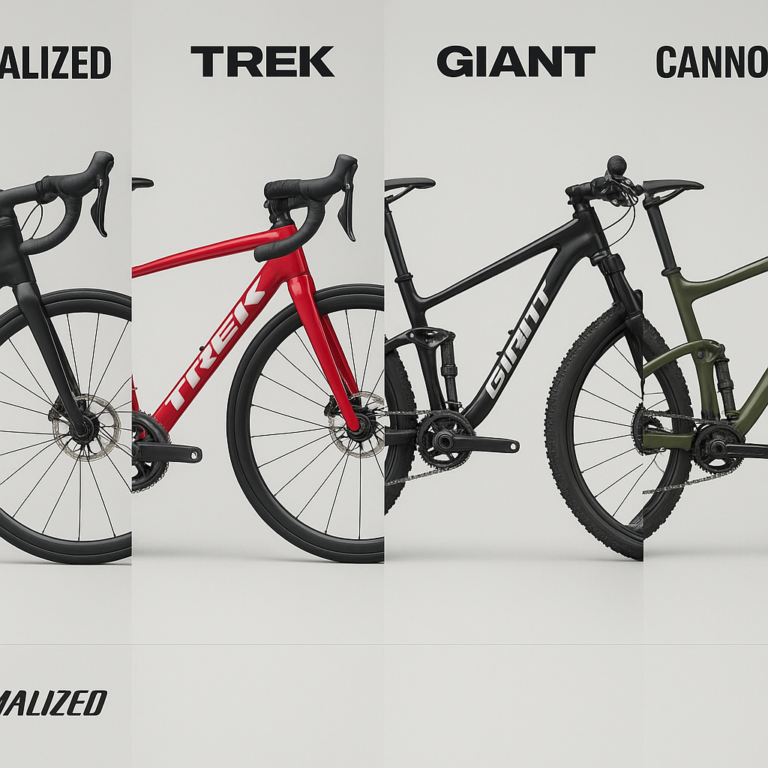
- Trek: Known for OCLV Carbon and the Emonda line. Trek is often slightly cheaper for similar specs, but lacks the Lefty innovation.
- Specialized: Famous for the S-Works line and Rhombus technology. They are direct competitors in the aero and road categories.
- Giant: The largest bike manufacturer in the world. They often offer better value (more components for the same price) but lack the brand cachet and proprietary tech of Cannondale.
Price Comparison Snapshot (General Market Trends)
| Feature | Cannondale | Trek | Specialized | Giant |
|---|---|---|---|---|
| Frame Material | SmartForm Alu / Carbon | Alpha Alu / OCLV Carbon | E5 Alu / FACT Carbon | ALUXX Alu / Advanced Carbon |
| Unique Tech | Lefty Fork, SiS | IsoSpeed, OCLV | Future Shock, Rhombus | D-Fuse, Maestro |
| Price Tier | Premium | Premium | Premium | Value/Premium |
| Resale Value | High | High | High | Moderate |
| DIY Friendliness | Low (Lefty) | High | High | High |
The Takeaway: If you want the best value, Giant often wins. If you want proven reliability, Trek and Specialized are safe bets. But if you want uniqueness and cutting-edge tech, Cannondale is the only game in town.
🔍 Do You Get What You Pay For? Performance vs. Price Analysis
So, is the extra $1,0 worth it?
The Performance Gap
In a controlled test, the difference between a $3,0 Cannondale and a $2,0 Giant might be marginal for a casual rider. But for a racer?
- Weight: Cannondale frames are often 20-30g lighter.
- Stiffness: The power transfer is superior, meaning less energy is lost when you sprint.
- Aerodynamics: The SystemSix can save you minutes over a long ride compared to a standard aero bike.
The “Feel” Factor
There is a subjective element to riding a Cannondale. The Lefty feels different—smother, more planted. The SmartForm aluminum has a lively ride quality that many riders prefer over the “dead” feel of cheap aluminum.
Our Verdict: If you are a weekend warrior, you might notice the difference. But if you are a competitive rider or someone who appreciates engineering art, the price is justified.
🛒 How to Spot a Genuine Cannondale Deal vs. Overpriced Scams
With high prices come scams. Here’s how to avoid getting ripped off.
Red Flags 🚩
- Too Good to Be True: If a $4,0 bike is listed for $1,50, it’s a scam.
- No Serial Number: Legit Cannondales have a unique serial number on the frame.
- Suspicious Sellers: Avoid random Facebook Marketplace posts with no history.
Where to Buy Safely
- Authorized Dealers: Always buy from a certified Cannondale dealer.
- Official Website: Check the Cannondale website for the “Where to Buy” locator.
- Reputable Online Retailers: Stick to known retailers like Jenson USA, Competitive Cyclist, or Amazon (sold by Amazon or authorized sellers).
Pro Tip: Check the frame geometry and component specs against the official model year. Scammers often mix and match parts.
🧰 Essential Maintenance Tips to Protect Your Investment
You’ve spent the money; now protect it. Here are our top maintenance tips for your Cannondale.
1. Lefty Fork Care
- Clean Regularly: Wipe down the stanchions after every ride.
- Check Seals: Look for oil leaks. If you see oil, service immediately.
- Use the Right Oil: Only use Cannondale-approved suspension oil.
2. Frame Protection
- Chainstay Guard: Install a chainstay protector to prevent chain slap.
- Frame Bag: Use a frame bag to avoid scratches from tools.
3. Regular Tune-Ups
- Annual Service: Get a full tune-up at least once a year.
- Bearing Check: Check the headset and bottom bracket bearings for play.
🏆 Top 5 Most Expensive Cannondale Models Ever Released
Curious about the ultra-high-end models? Here are the top 5 most expensive Cannondales that have graced the market.
- Cannondale SuperSix EVO Hi-Mod: The pinnacle of road racing. Features high-modulus carbon and ultra-lightweight components.
- Cannondale Scalpel Si: The XC racing monster. Equipped with the Lefty and RockShox suspension.
- Cannondale SystemSix Hi-Mod: The aero beast. Designed to win time trials and sprints.
- Cannondale Synapse Hi-Mod: The endurance road bike. Combines comfort with speed.
- Cannondale Trail SL: The hardtail mountain bike. A lightweight and stiff machine for XC racing.
Note: Prices for these models often exceed $10,0 when fully equipped with top-tier components.
❓ Frequently Asked Questions About Cannondale Pricing and Value
Did Cannondale bikes go out of business?
No. Cannondale is very much alive. In 203, they filed for bankruptcy but were quickly acquired by Pegasus Capital Advisors. Later, in 2019, they were acquired by Pon Holdings, a Dutch conglomerate that owns over 20 bike brands. They are currently thriving and innovating.
Does an expensive bike make a difference?
Yes, but it depends on the rider. For a beginner, a $3,0 bike might feel like a $1,0 bike. But for an experienced rider, the weight savings, stiffness, and aerodynamics of an expensive bike can translate to faster times and less fatigue.
Is Cannondale still made in the USA?
No. Since 2010, Cannondale has moved all manufacturing to Asia (primarily Taiwan and China) to remain competitive. However, the R&D and design still take place in Connecticut, USA.
Why is Cannondale the best bike?
“Best” is subjective. Cannondale is often considered the best for riders who value innovation, unique design (like the Lefty), and racing pedigree. If you want a bike that stands out and performs at the highest level, Cannondale is a top contender.
Is Cannondale a premium brand?
Absolutely. Cannondale positions itself as a premium brand, competing directly with Specialized S-Works and Trek Emonda. Their pricing reflects this positioning.
Are Cannondale bikes worth the high price tag?
For the right rider, yes. If you appreciate cuting-edge technology, unique design, and pro-level performance, the price is justified. If you just want to get from A to B, a more affordable brand might be a better choice.
What makes Cannondale bicycles more expensive than other brands?
The proprietary technology (Lefty, SmartForm), extensive R&D, wind tunnel testing, and high-quality components drive up the cost. They don’t cut corners to save money.
Is the Lefty fork on Cannondale bikes worth the extra cost?
For XC racers and enthusiasts, yes. The stiffness and weight savings are significant. For casual riders, the maintenance complexity might outweigh the benefits.
How does Cannondale’s carbon fiber technology justify the price?
Cannondale uses high-modulus carbon and advanced layup techniques to create frames that are lighter, stiffer, and more aerodynamic than standard carbon frames. This results in a superior ride quality that justifies the premium.
🏁 Conclusion: Is the High Price Tag Worth the Ride?

So, we’ve ridden the full course. We’ve dissected the Lefty, analyzed the SmartForm, and weighed the pros and cons.
The Verdict:
Cannondale is expensive because they are innovators. They don’t just follow trends; they set them. The Lefty fork, the SmartForm aluminum, and the aero-optimized carbon frames are not just marketing fluff; they are real engineering feats that deliver tangible performance benefits.
Who is this for?
- ✅ Competitive Racers: If you need every gram and watt, Cannondale is a top choice.
- ✅ Tech Enthusiasts: If you love unique designs and cuting-edge tech, you’ll love the Lefty.
- ✅ Performance Seekers: If you want a bike that fels alive and responds instantly, the price is worth it.
Who should look elsewhere?
- ❌ Budget-Conscious Riders: If you are on a tight budget, brands like Giant or Trek might offer better value.
- ❌ DIY Mechanics: If you love tinkering with your bike, the Lefty might be a frustration.
- ❌ Casual Riders: If you just ride for fun, the performance gains might not justify the cost.
Final Thought:
Cycling is a journey, not just a destination. Whether you choose a Cannondale or another brand, the most important thing is to get out there and ride. But if you’re ready to invest in innovation, performance, and style, Cannondale is a brand that won’t let you down.
Ready to ride? Check out our Bike Brand Guides for more insights on finding the perfect bike for your needs.
🔗 Recommended Links for Further Reading
Looking to upgrade your ride or learn more? Check out these top picks and resources.
- Cannondale SuperSix EVO: Check Price on Amazon | Check Price on Walmart | Cannondale Official
- Cannondale Scalpel: Check Price on Amazon | Check Price on eBay | Cannondale Official
- Cannondale SystemSix: Check Price on Amazon | Check Price on Walmart | Cannondale Official
- Books on Cycling Technology: Cycling Technology Books on Amazon
📚 Reference Links and Sources
- Cannondale Official Website: https://www.cannondale.com
- Pon Holdings (Parent Company): https://www.pon.com
- Bike Brands™ – Bike Brand Guides: https://www.bikebrands.org/category/bike-brand-guides/
- Bike Brands™ – Bike Reviews: https://www.bikebrands.org/category/bike-reviews/
- Bike Brands™ – Electric Bikes: https://www.bikebrands.org/category/electric-bikes/
- Bike Brands™ – Gravel Bikes: https://www.bikebrands.org/category/gravel-bikes/
- Bike Brands™ – Bike Accessories: https://www.bikebrands.org/category/bike-accessories/
- Facebook Discussion: Is a Cannondale lefty expensive to maintain? – Facebook
❓ FAQ

Did Cannondale bikes go out of business?
No. Cannondale is very much alive. In 203, they filed for bankruptcy but were quickly acquired by Pegasus Capital Advisors. Later, in 2019, they were acquired by Pon Holdings, a Dutch conglomerate that owns over 20 bike brands. They are currently thriving and innovating.
Does an expensive bike make a difference?
Yes, but it depends on the rider. For a beginner, a $3,0 bike might feel like a $1,0 bike. But for an experienced rider, the weight savings, stiffness, and aerodynamics of an expensive bike can translate to faster times and less fatigue.
Read more about “🚀 Top 10 Long Range Electric Bike Brands for 2026”
Is Cannondale still made in the USA?
No. Since 2010, Cannondale has moved all manufacturing to Asia (primarily Taiwan and China) to remain competitive. However, the R&D and design still take place in Connecticut, USA.
Read more about “🚲 50 Vintage Bicycle Brands List You Can’t Miss in 2026”
Why is Cannondale the best bike?
“Best” is subjective. Cannondale is often considered the best for riders who value innovation, unique design (like the Lefty), and racing pedigree. If you want a bike that stands out and performs at the highest level, Cannondale is a top contender.
Read more about “🚵 ♂️ 16 Top Direct Sales Mountain Bike Brands (2026)”
Is Cannondale a premium brand?
Absolutely. Cannondale positions itself as a premium brand, competing directly with Specialized S-Works and Trek Emonda. Their pricing reflects this positioning.
Read more about “🚴 ♂️ 10 Top Connected Cycling Ecosystem Brands (2026)”
Are Cannondale bikes worth the high price tag?
For the right rider, yes. If you appreciate cuting-edge technology, unique design, and pro-level performance, the price is justified. If you just want to get from A to B, a more affordable brand might be a better choice.
Read more about “🚴 ♂️ Best Gravel Race Bike Brands of 2026: 12 Top Picks Uncovered”
What makes Cannondale bicycles more expensive than other brands?
The proprietary technology (Lefty, SmartForm), extensive R&D, wind tunnel testing, and high-quality components drive up the cost. They don’t cut corners to save money.
Read more about “🚴 ♂️ 12 Best Bicycle Brands of 2026: The Ultimate Guide”
Is the Lefty fork on Cannondale bikes worth the extra cost?
For XC racers and enthusiasts, yes. The stiffness and weight savings are significant. For casual riders, the maintenance complexity might outweigh the benefits.
Read more about “🚲 Your Perfect Ride: Which Bike is Best for YOU?”
How does Cannondale’s carbon fiber technology justify the price?
Cannondale uses high-modulus carbon and advanced layup techniques to create frames that are lighter, stiffer, and more aerodynamic than standard carbon frames. This results in a superior ride quality that justifies the premium.