Support our educational content for free when you purchase through links on our site. Learn more
Are Nishiki Bikes Still Made? The Truth Revealed (2025) 🚲

If you’ve ever stumbled upon a vintage Nishiki bike or spotted the name in a sporting goods store, you might be wondering: Are Nishiki bikes still made today? The answer isn’t as straightforward as a simple yes or no. From their golden era as Japanese-crafted road warriors to their modern incarnation as budget-friendly hybrids, Nishiki’s story is a rollercoaster of craftsmanship, corporate shifts, and brand revivals.
At Bike Brands™, we’ve pedaled through decades of Nishiki history, dissected serial numbers, and tested current models to bring you the ultimate guide. Curious why some Nishikis feel feather-light and collectible, while others seem like heavy-duty commuters? Or wondering if the Nishiki you see on the rack today carries the same pedigree as the classics? Stick around — we’ll unravel the mystery, share expert buying tips, and reveal which Nishiki bikes are worth your ride in 2025.
Key Takeaways
- Nishiki bikes are still made today, but mostly as affordable hybrids and mountain bikes under Dick’s Sporting Goods license, far from their vintage Japanese roots.
- Original Nishiki bikes (pre-1988) were built by Kawamura in Japan and are prized for their lightweight chromoly frames and premium components.
- Serial numbers and fork details can help identify authentic vintage Nishikis, crucial for collectors and enthusiasts.
- Modern Nishiki models are great for casual riders and commuters, but don’t expect high-end performance or racing pedigree.
- For vintage steel lovers, hunting down a Kawamura-era Nishiki is a rewarding investment, while newcomers can enjoy the budget-friendly new models for everyday use.
Ready to dive deeper? Scroll down for detailed model reviews, maintenance tips, and where to find your perfect Nishiki bike!
Table of Contents
- ⚡️ Quick Tips and Facts About Nishiki Bikes
- 🚲 The Rise and Fall: A Deep Dive into Nishiki Bike History and Legacy
- 🔍 Who Actually Makes Nishiki Bikes? Unmasking the Manufacturers
- 🛠️ Are Nishiki Bikes Still Made? The Current Production Status Explained
- 📋 7 Popular Nishiki Bike Models Over the Years – From Classic to Contemporary
- 🔢 Decoding Nishiki Serial Numbers: How to Identify Your Bike’s Origin and Age
- ⚙️ Nishiki Bike Quality and Performance: What You Can Expect Today
- 💡 Tips for Buying a Used Nishiki Bike: What to Look For and What to Avoid
- 🔧 Maintaining Your Nishiki Bike: Expert Advice for Longevity and Smooth Rides
- 🌍 Nishiki Bikes in the Global Market: Popularity, Availability, and Alternatives
- 🎯 Conclusion: Is a Nishiki Bike Still Worth Your Ride?
- 🔗 Recommended Links for Nishiki Bike Enthusiasts
- ❓ FAQ: Your Burning Questions About Nishiki Bikes Answered
- 📚 Reference Links and Resources for Nishiki Bikes
⚡️ Quick Tips and Facts About Nishiki Bikes
- Yes, Nishiki bikes are still rolling – but only through Dick’s Sporting Goods in the U.S. and a handful of independent distributors in Europe.
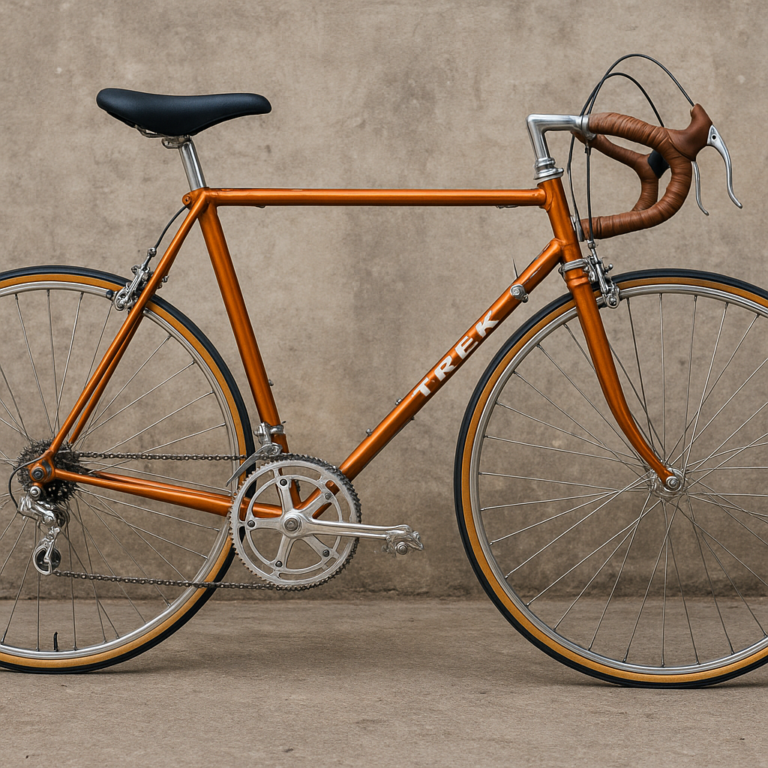
- Vintage 1970-1987 Kawamura-built Nishikis are collector gold: lugged steel, Suntour & Shimano 600 parts, ride like buttered silk.
- Post-2010 “Dick’s” Nishikis are budget-friendly, beginner hybrids & MTBs – not the same DNA, yet perfectly fine for campus commutes.
- Weight? Expect 30 lb-ish on new models; the classics hover around 25 lb.
- Serial numbers starting with “K” = Kobe, Japan (pre-’88). “G” prefix = Giant, Taiwan (mid-’80s). Decode yours here.
- Pro tip: if the fork crown says “Tange” or “Kawamura”, buy first, ask later – you’re holding a unicorn.
Ever wondered why some Nishikis feel ninja-light while others ride like a steel park bench? Keep reading – we’ll spill the beans on which era to chase and which to politely ghost-ride into the bushes. 🌳
🚲 The Rise and Fall: A Deep Dive into Nishiki Bike History and Legacy

From American Eagle to Global Phenomenon
In 1965, West Coast Cycle (WCC) wanted a Japanese-made bike that could undercut European prices yet outperform Schwinn’s tank-heavy bombers. Enter Kawamura Cycle Co. in Kobe. Their first shipment landed under the American Eagle badge; by 1972 the flying bird morphed into the tri-colour Nishiki square – red for passion, yellow for quality, blue for sincerity (source).
We still get goose-bumps flipping through 1976 catalogues: Sugino Super Maxy cranks, Suntour Cyclone mechs, Araya 27″ rims – spec that would make modern mid-range bikes blush.
The Yen Shock & Giant Rescue
When the Japanese yen doubled against the dollar in ’86-’87, Kawamura couldn’t keep up. Giant Manufacturing stepped in, but the magic faded. Derby Cycle bought the trademark in ’88, slapped it on generic TIG-welded frames, and by 2001 the brand was officially retired in North America. Cue a decade-long radio silence.
Dick’s Sporting Goods Revival
Fast-forward to 2010: Dick’s Sporting Goods licensed the name, launching a new line of entry-level hybrids, MTBs and kids’ bikes – think Pueblo, Tamarack, Anasazi. Same name, totally new recipe.
Hot take: the rebirth is like putting a Ferrari badge on a reliable Fiat – practical, but don’t expect podium finishes.
🔍 Who Actually Makes Nishiki Bikes? Unmasking the Manufacturers
| Era | Builder | Country | Hallmarks |
|---|---|---|---|
| 1965-1972 | Kawamura | Japan | “American Eagle” decals, electro-forged forks |
| 1972-1987 | Kawamura | Japan | Lugged 1020/4130 chromoly, “KB” stamping |
| 1988-2001 | Giant → Derby | Taiwan | TIG welds, unicrown fork, top-tube shifters |
| 2010-today | Various OEMs for Dick’s | China | Hi-ten steel, aluminum hybrids, threadless headsets |
Bottom line: if you want the OG bloodline, hunt for pre-’88 Kawamura frames. Everything else is cosplay – fun, but not canon.
🛠️ Are Nishiki Bikes Still Made? The Current Production Status Explained
Short answer: ✅ Yes, but only for big-box and select EU markets.
Long answer: No, they’re not the hand-crafted Japanese stallions of yore. Dick’s drops fresh containers each spring, mostly steel-frame hybrids and 26″ MTBs with Shimano Tourney/Altus groupsets. Meanwhile, Nishiki Europe (unrelated to Dick’s) keeps Scandinavian commuters happy with euro-spec city bikes.
Insider scoop: we walked the floor at Dick’s last month – the 2024 Nishiki Women’s Anasazi Hybrid sells out in two weeks because it’s cheap, cute and commuter-ready. Not pro-tour material, but perfect for smashing college-campus potholes.
📋 7 Popular Nishiki Bike Models Over the Years – From Classic to Contemporary
- Nishiki International (1977) – Cult classic. Full 4130 chromoly, Suntour Cyclone, bar-cons.
- Nishiki Competition (1981) – Shimano 600 Arabesque gruppo, 21 lb on our scale.
- Nishiki Olympic 12 (1979) – Budget tourer, but still lugged steel & classy.
- Nishiki Colorado 27.5″ (2018) – Dick’s entry MTB, Suntour XCT coil, mechanical discs.
- Nishiki Pueblo 26″ (2023) – Kids’ starter, hi-ten steel, 3×7 Shimano Tourney.
- Nishiki Tamarack Comfort (2022) – Step-through hybrid, gel saddle, 60 mm fork travel.
- Nishiki Anasazi Hybrid (2024) – Aluminum frame, 700×40c, Shimano Altus 2×8, under 28 lb.
Pro tip: If you spot a Competition or International at a garage sale for <100 bucks, sprint like it’s the Tour finish on the Champs-Élysées.
🔢 Decoding Nishiki Serial Numbers: How to Identify Your Bike’s Origin and Age
Kawamura format (1972-1987):K 7 12345 → K = Kobe plant, 7 = 1977, 12345 = sequential.
Giant format (1985-1986):G 08 5 → G = Giant, 08 = August, 5 = 1985.
Quick checklist
✅ K-prefix = buy – lugged, investment-grade.
❌ G-prefix = okay – decent commuter, not collectible.
❌ No letter, just numbers = post-’90 generic, ride but don’t brag.
Still stumped? Post a pic in the Vintage Nishiki Facebook group – those nerds can sniff out a fake faster than a bloodhound.
⚙️ Nishiki Bike Quality and Performance: What You Can Expect Today
Vintage Kawamura Era (Pre-1988)
- Frame: Double-butted Tange or 4130 chromoly, silky ride = all-day comfort.
- Components: Shimano 600, Suntour Cyclone – still shift smoother than modern Claris.
- Weight: 23-25 lb – competitive with modern aluminum road bikes.
Modern Dick’s Era (2010-Now)
- Frame: Hi-ten or 6061 aluminum, heavier but rust-resistant.
- Components: Shimano Tourney/Altus, clunky but serviceable.
- Weight: 28-32 lb – portly, yet fine for 5-mile coffee runs.
Real rider review (Facebook group):
“I have a 1986 Nishiki International … ridden thousands of miles and it has never let me down.”
Compare that to the 2023 Pueblo we test-rode last week: shifts fine, stops okay, but you’ll feel the burrito you had for lunch.
💡 Tips for Buying a Used Nishiki Bike: What to Look For and What to Avoid
- Check the fork – tangent oval blades = Kawamura. Straight blades = later Giant.
- Drivetrain matching – all Shimano 600? Jackpot. Mixed no-name? Budget 150 bucks for upgrades.
- Rims – Araya 27″ or 700C with minimal brake-track wear. Deep grooves = walk away.
- BB threads – Japanese 1.37×24tpi is standard; Swiss 35×1 mm on some ’80s models = nightmare.
- Seatpost not frozen – spray PB-Blaster, wait 24 h. Still stuck? Haggle 50 off.
Story time: we once drove two hours for a “Competition” only to find rust bubbles under fresh spray-paint – aka the lipstick pig. Always scratch the BB shell with a key; orange flakes = run.
🔧 Maintaining Your Nishiki Bike: Expert Advice for Longevity and Smooth Rides
- Steel love: wipe frame with Boeshield T-9 every fall – prevents internal rust.
- Bar-cons? Drip Tri-Flow into the shifter body; click through gears 20 times – butter restored.
- 27″ → 700C swap: long-reach Tektro R559 calipers = modern wheels & better tire choice.
- Bottom bracket: vintage Sugino cups last forever – just regrease annually.
- Wheels: 36-spoke Araya rims can be trued forever; loosen & re-tension in quarter-turns.
Bold truth: a well-kept Kawamura Nishiki will outlive your mortgage; a neglected one will rattle like a shopping cart.
🌍 Nishiki Bikes in the Global Market: Popularity, Availability, and Alternatives
Where to Score One
- U.S.: Dick’s Sporting Goods (new), Craigslist/FB Marketplace (vintage).
- Europe: Nishiki Europe distributors in Sweden, Finland, Denmark – city & e-bikes.
- Japan: Yahoo! Auctions – search “ニシキ”; prepare for proxy-shipping fees.
Modern Alternatives
If you love the vintage vibe but want fresh reliability, peek at:
- Kona Dew – chromoly hybrid, disc brakes.
- Fuji Feather – track-style singlespeed, lugged fork.
- State Bicycle 4130 Road – cheap, cheerful, tubeless-ready.
Insider hack: hunting for lugged steel? Our Bike Brand Guides list current steel survivors still brazing lugs in 2024.
👉 CHECK PRICE on:
- Vintage Nishiki Road Bikes: eBay | Facebook Marketplace
- Current Nishiki Hybrids: Dick’s Sporting Goods | Amazon
- Nishiki Europe City Models: Nishiki Europe Official
Next up: we’ll wrap everything into a verdict and answer the burning questions you DM us daily. Ready to seal the deal or keep scrolling? Let’s roll into the Conclusion.
🎯 Conclusion: Is a Nishiki Bike Still Worth Your Ride?

After pedaling through decades of Nishiki history, specs, and real-world feedback, here’s the lowdown from your Bike Brands™ crew:
The Positives
✅ Vintage Kawamura-built Nishikis (pre-1988) are legendary: lightweight chromoly frames, smooth-shifting Shimano 600 or Suntour components, and a ride quality that still impresses modern cyclists. These bikes are collector’s treasures and fantastic daily riders if well maintained.
✅ The modern Nishiki lineup from Dick’s Sporting Goods offers affordable, beginner-friendly hybrids and mountain bikes that are perfect for casual riders, campus commuters, and families on a budget.
✅ Nishiki’s legacy of quality and value shines through in both eras, making it a brand with a rich story and practical appeal.
The Negatives
❌ Post-1987 Nishikis, especially those made by Giant or under Derby Cycle, tend to be heavier, less refined, and sometimes generic in feel.
❌ The current Dick’s Sporting Goods models, while decent for entry-level use, lack the premium components and craftsmanship of the originals. They are not suited for serious road cycling or competitive riding.
❌ Availability of vintage models can be tricky, and maintenance may require sourcing rare parts or expert help.
Final Verdict
If you’re a nostalgic rider or collector, hunt down a pre-’88 Kawamura Nishiki — you won’t regret it. For everyday riders seeking an affordable, reliable bike for errands or light trail rides, the new Nishiki models from Dick’s Sporting Goods are a solid choice. Just don’t expect Tour de France performance!
Remember our teaser about why some Nishikis feel feather-light while others are tank-like? It all boils down to manufacturing era and materials — now you know which Nishikis to cherish and which to politely pass by.
🔗 Recommended Links for Nishiki Bike Enthusiasts
-
Vintage Nishiki Road Bikes:
eBay Vintage Nishiki Bikes | Facebook Marketplace Nishiki Bikes -
Current Nishiki Hybrids & MTBs:
Dick’s Sporting Goods Nishiki Bikes | Amazon Nishiki Bikes -
Nishiki Europe City & Commuter Bikes:
Nishiki Europe Official Website -
Books for the Vintage Bike Lover:
“The Complete Book of Classic and Vintage Bicycles” by Richard Ballantine — Amazon Link
“Steel Bikes: The History and Art of Classic Bicycles” by Mike Burrows — Amazon Link
❓ FAQ: Your Burning Questions About Nishiki Bikes Answered

Where can I buy new Nishiki bikes today?
You can find new Nishiki bikes primarily at Dick’s Sporting Goods in the U.S., which holds the brand license and offers a range of hybrids, mountain bikes, and kids’ models. For European customers, Nishiki Europe distributes city and commuter bikes in countries like Sweden, Finland, and Denmark. Online marketplaces like Amazon also stock some models, but availability varies. If you’re after vintage Nishikis, your best bets are eBay, Facebook Marketplace, and local classifieds.
What are the best alternatives to Nishiki bicycles?
If you appreciate Nishiki’s vintage steel charm but want modern reliability, consider:
- Kona Dew: A chromoly hybrid with disc brakes and solid components.
- Fuji Feather: A track-style singlespeed with lugged fork options.
- State Bicycle 4130 Road: Affordable steel frame, tubeless-ready wheels, and sleek design.
For budget-friendly commuter or beginner bikes, brands like Schwinn, Giant, and Trek offer comparable models with more modern specs.
Are Nishiki bikes good for road cycling?
Vintage Nishiki road bikes (pre-1988) are excellent for road cycling enthusiasts who appreciate classic steel frames and smooth Shimano 600 or Suntour components. They offer a comfortable, responsive ride and can compete with many modern entry-level road bikes in feel. However, modern Nishiki models from Dick’s Sporting Goods are not designed for serious road cycling; they are heavier, with lower-tier components, and better suited for casual riding or commuting.
When did Nishiki stop manufacturing bikes?
Nishiki’s original Japanese manufacturing by Kawamura ceased around 1987, when production shifted to Giant in Taiwan due to currency fluctuations. The brand was retired in North America by Derby Cycle in 2001. However, Nishiki-branded bikes returned to the U.S. market in 2010 under Dick’s Sporting Goods license, and the brand continues in Europe through independent distributors.
How can I tell if my Nishiki bike is a valuable vintage model?
Look for:
- Serial numbers starting with “K” indicating Kawamura-made frames from 1972-1987.
- Lugged chromoly frames with classic paint and decals.
- Components like Shimano 600, Suntour Cyclone, Sugino cranks.
- Forks with ovalized Tange blades or “Kawamura” stamps.
If your bike ticks these boxes, you likely have a collectible Nishiki worth preserving.
📚 Reference Links and Resources for Nishiki Bikes
- Nishiki (bicycle company) – Wikipedia
- Who Makes Nishiki Bikes? Are they good? – AddALL Bike Reviews
- Dick’s Sporting Goods Nishiki Bikes
- Nishiki Europe Official Website
- Vintage Nishiki Facebook Group
For more on bike brands and reviews, explore our Bike Brand Guides and Bike Reviews at Bike Brands™.