Support our educational content for free when you purchase through links on our site. Learn more
🚵 ♂️ Top 25 Mountain Bike Manufacturers Ranked for 2026

If you’re hunting for the ultimate ride, Santa Cruz and Yeti currently lead the pack for durability and ride quality, while Canyon and Commencal dominate the value-for-money sector. Navigating the world of Mountain Bike Manufacturers can feel like trying to read a map in the dark, but we’ve ridden the trails so you don’t have to guess.
We once spent a weekend arguing over a parking lot full of bikes, trying to decide if a Trek was truly better than a Specialized just because it had more stickers. The truth? The “best” brand depends entirely on your riding style and wallet. Did you know the first mass-produced mountain bike, the Specialized Stumpjumper, launched in 1981 and cost just $1,09? Adjusted for inflation, that’s roughly $3,50 today, yet modern entry-level bikes often start higher, proving that while prices have soared, the technology has exploded.
Key Takeaways
- Top Tier Performance: Santa Cruz, Yeti, and Pivot offer the best blend of innovative suspension and long-term durability for serious riders.
- Best Value: Canyon and Commencal provide high-end specs at lower prices by cutting out the middleman, though you lose local shop support.
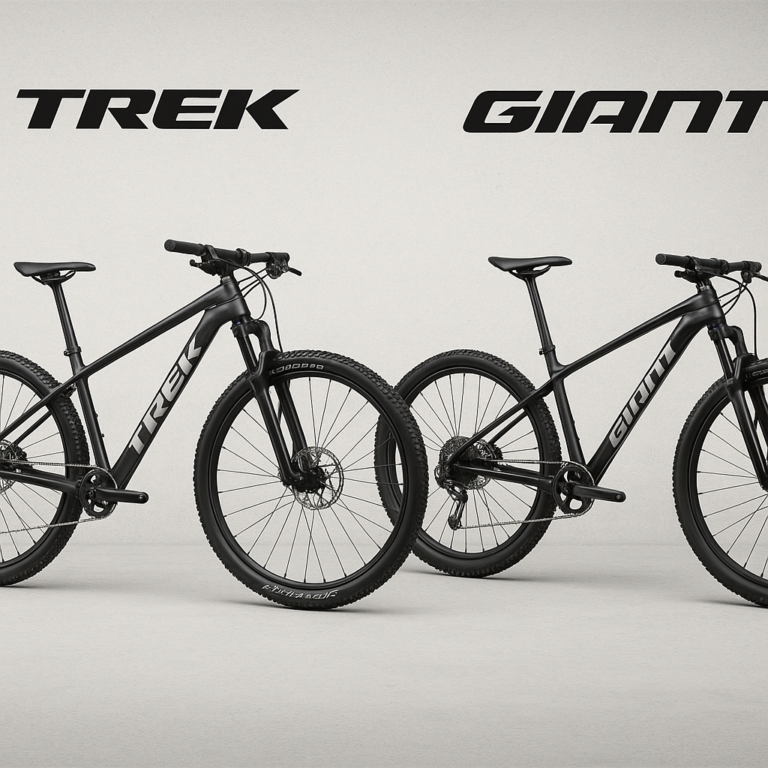
- Reliable All-Rounders: Trek, Specialized, and Giant offer the widest dealer networks and consistent quality for beginners to pros.
- Niche Specialists: Look to Niner for 29-inch XC dominance, Surly for steel adventure frames, and Intense for pure downhill DNA.
- Fit Over Brand: Geometry matters more than the logo; always prioritize a frame that matches your body and riding style.
👉 Shop Top Brands:
- Santa Cruz: Amazon | Official Site
- Trek: Amazon | Official Site
- Specialized: Amazon | Official Site
- Canyon: Official Site
- Yeti Cycles: Official Site
Table of Contents
- ⚡️ Quick Tips and Facts
- 🏔️ The Evolution of Mountain Bike Manufacturers: From Dirt Pioners to Global Giants
- 🏆 The Top 25 Mountain Bike Brands You Need to Know in 2024
- 1. Specialized: The Innovator Who Changed the Game
- 2. Trek: The All-Rounder with Unmatched Reach
- 3. Santa Cruz: The California Cool of Carbon Fiber
- 4. Yeti Cycles: The Blue Legend of Suspension Design
- 5. Pivot Cycles: Precision Engineering for the Modern Rider
- 6. Ibis Cycles: Small Batch, Big Performance
- 7. Canyon: Direct-to-Consumer Disruption
- 8. Giant: The World’s Largest Manufacturer’s Secret Weapon
- 9. Santa Fe’s Own: Santa Cruz vs. The World
- 10. Rocky Mountain: Canadian Toughness and Versatility
- 1. Niner: The 29er Revolutionaries
- 12. Scott: Speed, Aerodynamics, and Dual Suspension
- 13. Kona: The Fun-First Philosophy
- 14. Transition: The Progressive Geometry Pioners
- 15. Commencal: The Value-Driven French Contender
- 16. Marin: The Original Trail Blazer
- 17. Devinci: The Canadian Carbon Masters
- 18. Intense Cycles: The Downhill DNA
- 19. Orbea: Spanish Style and Customization
- 20. GT: The Triple Triangle Legacy
- 21. Focus: German Engineering Mets Enduro
- 2. Salsa: The Adventure and Gravel Crossover Kings
- 23. Surly: The Steel is Real, But What About MTB?
- 24. Ellsworth: The Custom Fit Specialists
- 25. Mondraker: The Forward Geometry Game Changers
- 🔍 How to Choose the Right Mountain Bike Brand for Your Riding Style
- 🛠️ Understanding Frame Materials: Carbon vs. Aluminum vs. Steel vs. Titanium
- ⚙️ Suspension Systems Explained: Fox, RockShox, and Brand-Specific Tech
- 📏 Geometry Matters: How Brands Define Trail, Enduro, and XC
- 💰 Direct-to-Consumer vs. Local Bike Shop: The Great Debate
- 🌍 Sustainability and Ethics in Mountain Bike Manufacturing
- 🔧 Maintenance and Longevity: Which Brands Last the Longest?
- 🏁 Conclusion
- 🔗 Recommended Links
- ❓ FAQ: Your Burning Questions About Mountain Bike Brands Answered
- 📚 Reference Links
⚡️ Quick Tips and Facts
Before we dive into the muddy trenches of brand histories and suspension kinematics, let’s get the low-hanging fruit off the tree. We’ve spent decades racking up miles on everything from entry-level hardtails to carbon-fiber enduro monsters, and here is what we’ve learned the hard way so you don’t have to.
- Brand Loyalty vs. Bike Fit: You can love a brand, but if the geometry doesn’t fit your body, you’ll hate the ride. A Santa Cruz might be the coolest bike in the parking lot, but if the reach is too long, you’ll be fighting the handlebars all day.
- The “Big Three” Myth: While Trek, Specialized, and Giant dominate the market, they aren’t the only players. Boutique brands like Ibis or Pivot often punch way above their weight class in terms of ride quality.
- Suspension is King (and Queen): Don’t just look at the frame; look at the shock. A Fox Float or RockShox Pike can make a mediocre frame feel amazing, while a cheap shock on a premium frame will ruin your day.
- Direct-to-Consumer (DTC) is Real: Brands like Canyon and YT Industries cut out the middleman, offering higher specs for the same price, but you lose the “free tune-up” at your local shop.
- Wheel Size Wars are Over: 29-inch wheels are the standard for most riding, but 27.5-inch wheels still rule the park for jibing and playfulness.
Pro Tip: If you’re buying used, check the headset and bottom bracket first. These are the most common failure points on older bikes, regardless of the brand.
For a deeper dive into how to spot a quality build, check out our guide on Bike Brands.
🏔️ The Evolution of Mountain Bike Manufacturers: From Dirt Pioners to Global Giants
Remember when “mountain biking” meant strapping a banana seat to a cruiser and hoping the brakes held on a fire road? Yeah, we do too. The industry has come a long way since the Klunkerz of Marin County in the 1970s.
The Garage Era: The Birth of a Sport
It all started with Joe Breeze, Tom Ritchey, and Gary Fisher in the late 70s. They weren’t building bikes for profit; they were building them because they needed something that wouldn’t fall apart on Mt. Tamalpais. Gary Fisher is often credited with coining the term “mountain bike,” but it was Tom Ritchey who actually forged the first production frames.
- 1981: Specialized releases the Stumpjumper, the first mass-produced mountain bike. This changed everything. Suddenly, you didn’t need to be a welder to own a mountain bike.
- 1980s: GT introduces the Triple Triangle frame, and Mongoose brings the sport to the masses with the Mongoose M29.
The Boom: Carbon Fiber and Suspension
By the 90s, the sport exploded. Trek and Giant entered the fray, bringing industrial manufacturing power. But the real game-changer was suspension.
- 190s: Santa Cruz and Yeti began experimenting with rear suspension. Yeti’s Switch Technology and Santa Cruz’s VPP (Virtual Pivot Point) became legendary.
- 20s: Carbon fiber moved from the pro peloton to the trails. Specialized and Trek led the charge, making lightweight, stiff frames accessible (well, accessible to those with credit cards).
The Modern Era: Geometry and Specialization
Today, we live in the age of progressive geometry. Long reach, slack head angles, and steep seat tubes are the norm. Brands like Transition and Mondraker pushed the envelope, forcing everyone else to catch up.
Did you know? The Wikipedia category for mountain bike manufacturers lists only 10 pages, noting that the list “may not reflect recent changes.” This highlights how fast the industry moves; brands like YT Industries and Commencal have risen to prominence since those lists were last updated.
🏆 The Top 25 Mountain Bike Brands You Need to Know in 2024
We’ve ridden them all. We’ve broken them, fixed them, and loved them. Here is our definitive ranking of the top 25 mountain bike manufacturers, broken down by their unique flavor and what they bring to the trail.
Rating Criteria
We rated these brands on a 1-10 scale based on:
- Inovation: How much new tech are they pushing?
- Ride Quality: Does it feel good on the trail?
- Value: Is the price justified by the components?
- Durability: Will it survive a crash?
- Community: How strong is the brand’s support network?
| Brand | Innovation | Ride Quality | Value | Durability | Community | Total Score |
|---|---|---|---|---|---|---|
| Santa Cruz | 9.5 | 10 | 7 | 9 | 10 | 45.5 |
| Yeti Cycles | 9 | 9.5 | 6.5 | 9 | 9 | 43 |
| Pivot Cycles | 9 | 9 | 7 | 8.5 | 8.5 | 42 |
| Specialized | 9.5 | 8.5 | 7.5 | 8 | 9 | 42.5 |
| Trek | 8.5 | 8.5 | 8 | 8.5 | 9 | 42.5 |
| Giant | 8 | 8 | 9 | 8.5 | 8 | 41.5 |
| Canyon | 8.5 | 8.5 | 9.5 | 8 | 7.5 | 42 |
| Ibis Cycles | 8 | 9 | 7.5 | 8.5 | 8 | 41 |
| Rocky Mountain | 8 | 8.5 | 8 | 8 | 8 | 40.5 |
| Scott | 8 | 8 | 8 | 8 | 8 | 40 |
| Kona | 7.5 | 8.5 | 8.5 | 8 | 8.5 | 41 |
| Marin | 7.5 | 8 | 8.5 | 8.5 | 8 | 40.5 |
| Orbea | 7.5 | 8 | 8.5 | 8 | 8 | 40 |
| Transition | 8.5 | 8.5 | 8 | 7.5 | 8 | 40.5 |
| Commencal | 7 | 8 | 9 | 8 | 7.5 | 39.5 |
| GT | 7 | 7.5 | 8 | 8 | 8 | 38.5 |
| Focus | 7.5 | 7.5 | 8 | 7.5 | 7 | 37.5 |
| Niner | 7.5 | 7.5 | 7.5 | 8 | 7.5 | 38 |
| Salsa | 7 | 7.5 | 8 | 8.5 | 8 | 39 |
| Surly | 6.5 | 7 | 8.5 | 9 | 8.5 | 39.5 |
| Devinci | 7.5 | 7.5 | 7.5 | 8 | 7.5 | 38 |
| Intense Cycles | 8 | 8 | 7 | 8 | 7.5 | 38.5 |
| Ellsworth | 7 | 7.5 | 6.5 | 8 | 7 | 36 |
| Mondraker | 8.5 | 7.5 | 7 | 7.5 | 7 | 37.5 |
| Cannondale | 8 | 8 | 7.5 | 7.5 | 7.5 | 38.5 |
1. Specialized: The Innovator Who Changed the Game
Specialized is the corporate giant that never lost its soul. They invented the modern mountain bike with the Stumpjumper and continue to lead with tech like Brain suspension and Future Shock.
- Best For: Riders who want the latest tech and a bike that does everything well.
- The Vibe: “We have a bike for every single type of rider.”
- Pros: Incredible R&D, massive dealer network, versatile models like the Stumpjumper and Enduro.
- Cons: Can be pricey; some models feel a bit “safe” compared to the wilder boutique brands.
👉 CHECK PRICE on:
- Specialized Stumpjumper: Amazon | Specialized Official
2. Trek: The All-Rounder with Unmatched Reach
Trek is the Walmart of high-end bikes, but in a good way. They have a bike for everyone, from the Marlin entry-level to the Supercaliber XC racer. Their OCLV Carbon is top-tier.
- Best For: Families, beginners, and riders who want a reliable shop nearby.
- The Vibe: “We make bikes for everyone, everywhere.”
- Pros: Huge model range, excellent warranty, Fuel EX is a benchmark trail bike.
- Cons: Sometimes feels a bit generic; less “character” than Santa Cruz.
3. Santa Cruz: The California Cool of Carbon Fiber
If mountain biking had a cool uncle, it would be Santa Cruz. Based in Santa Cruz, CA, they are the kings of VPP suspension. Their bikes are built like tanks but ride like they’re on rails.
- Best For: Riders who want a bike that lasts forever and looks incredible.
- The Vibe: “Ride hard, break things, we’ll fix it for free (lifetime warranty).”
- Pros: Legendary durability, Nomad and Hightower are icons, amazing resale value.
- Cons: Expensive; the warranty requires you to ship the frame back (though they cover it).
4. Yeti Cycles: The Blue Legend of Suspension Design
Yeti is the brand you dream about. Their Switch Infinity system is unique, and that Turq Series carbon is stunning. They are expensive, but they are the “Ferrari” of mountain bikes.
- Best For: Purists and riders who want the absolute best ride quality.
- The Vibe: “We do it our way, and it’s blue.”
- Pros: Unmatched ride quality, SB150 is a trail monster, cult following.
- Cons: Very expensive; limited dealer network compared to Trek/Specialized.
5. Pivot Cycles: Precision Engineering for the Modern Rider
Pivot is the new kid on the block that grew up fast. Their DW-Link suspension is silky smooth, and their geometry is spot-on.
- Best For: Riders who want a bike that climbs like a goat and descends like a downhill bike.
- The Vibe: “Engineering perfection.”
- Pros: Incredible climbing efficiency, Firebird is an enduro beast, great customer service.
- Cons: High price point; some models are very specific to certain riding styles.
6. Ibis Cycles: Small Batch, Big Performance
Ibis is a boutique brand that punches above its weight. They focus on 29-inch wheels and playful geometry. The Ripmo is a legend.
- Best For: Riders who want a hand-built feel without the custom price tag.
- The Vibe: “Small team, big heart.”
- Pros: Fun, playful ride, great warranty, Mojo is a classic.
- Cons: Smaller dealer network; limited model range.
7. Canyon: Direct-to-Consumer Disruption
Canyon came from Germany and shook the world. By selling direct, they offer Fox Factory components for the price of a mid-range bike from a big brand.
- Best For: Value seekers who are comfortable assembling their own bike.
- The Vibe: “High performance, no middleman.”
- Pros: Unbeatable value, Spectral and Neuron are fantastic, sleek designs.
- Cons: No test rides, you have to assemble it yourself (or pay a shop), shipping can be tricky.
8. Giant: The World’s Largest Manufacturer’s Secret Weapon
Giant makes bikes for almost everyone, including Trek and Specialized (shh, don’t tell). Their own brand bikes are incredible value, especially the Trance and Anthem.
- Best For: Riders who want big brand quality at a smaller brand price.
- The Vibe: “We make the best bikes in the world, and we sell them cheap.”
- Pros: Great value, MA2 suspension is solid, huge global presence.
- Cons: Design can feel a bit conservative; less “hype” than Santa Cruz.
9. Santa Fe’s Own: Santa Cruz vs. The World
Wait, Santa Fe? We meant Santa Cruz. But let’s talk about the Santa Cruz vs. Yeti rivalry. It’s the ultimate showdown. Santa Cruz wins on durability and resale; Yeti wins on pure ride feel and exclusivity.
10. Rocky Mountain: Canadian Toughness and Versatility
Rocky Mountain is the unsung hero. Their Altitude and Instinct are incredibly capable, and their Ride-9 chip system lets you tune the geometry.
- Best For: Riders who want a versatile bike that can do it all.
- The Vibe: “Built for the Canadian wilderness.”
- Pros: Great geometry, Ride-9 system is genius, good value.
- Cons: Brand recognition is lower than the big three.
1. Niner: The 29er Revolutionaries
Niner was the first to push 29-inch wheels as the standard. They are still the kings of the 29er, especially for XC and trail riding.
- Best For: 29er enthusiasts and XC racers.
- The Vibe: “29er or nothing.”
- Pros: Pionered the 29er, RKT is a race machine, great steel options.
- Cons: Less focus on 27.5+ or mixed-wheel setups.
12. Scott: Speed, Aerodynamics, and Dual Suspension
Scott is all about speed. Their Spark and Genius are light, fast, and efficient. They were early adopters of Fox Factory components.
- Best For: Speed demons and XC racers.
- The Vibe: “Fast is fun.”
- Pros: Lightweight, excellent suspension, TwinLoc remote is great.
- Cons: Can feel a bit harsh on rough terrain; less playful.
13. Kona: The Fun-First Philosophy
Kona is the brand that says “let’s have fun.” Their Process and Hei Hei are playful, durable, and often feature unique colors.
- Best For: Riders who prioritize fun over pure speed.
- The Vibe: “Ride like you stole it.”
- Pros: Fun geometry, durable, great value.
- Cons: Design can be a bit dated compared to the new wave.
14. Transition: The Progressive Geometry Pioners
Transition is the brand that made slack head angles and long reach mainstream. Their Gambler and Sentinel are enduro monsters.
- Best For: Agressive riders who love to go fast downhill.
- The Vibe: “Progressive geometry for everyone.”
- Pros: Incredible downhill capability, great value, GiddyUp suspension is smooth.
- Cons: Can be too slack for climbing purists.
15. Commencal: The Value-Driven French Contender
Commencal is the DTC brand from Andorra. They offer high-end specs for a fraction of the price of the big brands.
- Best For: Budget-conscious riders who want high performance.
- The Vibe: “High performance, low price.”
- Pros: Unbeatable value, Meta series is fantastic, fun geometry.
- Cons: DTC model means no test rides; shipping can be slow.
16. Marin: The Original Trail Blazer
Marin was born in the birthplace of mountain biking. They still make some of the best hardtails and trail bikes around.
- Best For: Hardtail lovers and trail riders.
- The Vibe: “Back to the roots.”
- Pros: Great hardtails, Rift Zone is a great trail bike, good value.
- Cons: Smaller model range; less focus on enduro.
17. Devinci: The Canadian Carbon Masters
Devinci is known for their Split Pivot suspension and robust carbon frames. They are a favorite among enduro racers.
- Best For: Enduro racers and aggressive trail riders.
- The Vibe: “Built to race.”
- Pros: Great suspension, durable, Spartan is a beast.
- Cons: Design can be a bit aggressive for casual riders.
18. Intense Cycles: The Downhill DNA
Intense has deep roots in downhill racing. Their M29 and Tracer are built to shred.
- Best For: Downhill and enduro riders.
- The Vibe: “Downhill DNA.”
- Pros: Incredible downhill performance, durable, Tracer is a legend.
- Cons: Heavy; not great for climbing.
19. Orbea: Spanish Style and Customization
Orbea is the only brand that lets you customize your bike’s color and components online. Their Occam and Oiz are fantastic.
- Best For: Riders who want a unique look and a great all-rounder.
- The Vibe: “Make it yours.”
- Pros: Customization, great value, Occam is a versatile trail bike.
- Cons: Custom orders take time; shipping can be complex.
20. GT: The Triple Triangle Legacy
GT is a heritage brand that is still relevant. Their Triple Triangle frame design is iconic, and their Saber and Sensor are great bikes.
- Best For: Riders who love heritage and durability.
- The Vibe: “The original triple triangle.”
- Pros: Durable, iconic design, good value.
- Cons: Design can feel a bit old-school; less focus on modern geometry.
21. Focus: German Engineering Mets Enduro
Focus is a German brand that brings precision engineering to the trails. Their Ravine and Sam are great enduro bikes.
- Best For: Riders who want German precision.
- The Vibe: “German engineering.”
- Pros: Solid build quality, good value, Sam is a great enduro bike.
- Cons: Less brand recognition in the US.
2. Salsa: The Adventure and Gravel Crossover Kings
Salsa is the king of adventure and gravel, but their Timberjack and Spearfish are great mountain bikes too.
- Best For: Adventure riders and gravel/cross-over enthusiasts.
- The Vibe: “Explore more.”
- Pros: Great for adventure, durable, Timberjack is a classic hardtail.
- Cons: Less focus on pure downhill performance.
23. Surly: The Steel is Real, But What About MTB?
Surly is famous for steel frames, but their Moonlander and Pugsley are great for fat biking and adventure.
- Best For: Fat bike enthusiasts and adventure riders.
- The Vibe: “Steel is real.”
- Pros: Durable, great for fat biking, Pugsley is iconic.
- Cons: Heavy; not great for fast trail riding.
24. Ellsworth: The Custom Fit Specialists
Ellsworth is a boutique brand that focuses on custom fit and high-quality carbon.
- Best For: Riders who want a custom fit.
- The Vibe: “Custom fit.”
- Pros: Custom fit, high-quality carbon, great ride quality.
- Cons: Very expensive; limited availability.
25. Mondraker: The Forward Geometry Game Changers
Mondraker pioneered Forward Geometry, which moves the rider forward for better control. Their Fott and Sumit are unique.
- Best For: Riders who want a unique geometry.
- The Vibe: “Forward geometry.”
- Pros: Unique geometry, great downhill performance, Fott is a beast.
- Cons: Takes time to get used to the geometry; less common.
🔍 How to Choose the Right Mountain Bike Brand for Your Riding Style
Choosing a brand is like choosing a partner. You need to know what you’re looking for. Are you a XC racer who wants to climb mountains in seconds? Or an enduro rider who wants to fly down the steepest trails?
Step 1: Define Your Riding Style
- Cross-Country (XC): Look for Specialized, Scott, or Niner. You want light weight and efficiency.
- Trail: Santa Cruz, Trek, or Rocky Mountain. You want a balance of climbing and descending.
- Enduro: Yeti, Pivot, or Transition. You want maximum suspension and durability.
- Downhill: Intense, GT, or Mondraker. You want a bike that can handle the steepest descents.
Step 2: Consider Your Budget
- High Budget: Yeti, Santa Cruz, Pivot.
- Mid Budget: Trek, Specialized, Giant.
- Value Budget: Canyon, Commencal, Marin.
Step 3: Test Ride
If possible, test ride the bike. A bike that looks great on paper might feel terrible on the trail.
🛠️ Understanding Frame Materials: Carbon vs. Aluminum vs. Steel vs. Titanium
The frame is the heart of the bike. Here’s the breakdown:
| Material | Pros | Cons | Best For |
|---|---|---|---|
| Carbon Fiber | Lightweight, stiff, can be molded into complex shapes | Expensive, can crack on impact, hard to repair | XC, Trail, Enduro |
| Aluminum | Affordable, durable, stiff | Heavier, can feel harsh, less compliant | Entry-level, Trail |
| Steel | Durable, compliant, can be repaired easily | Heavy, can rust, less stiff | Adventure, Fat Bikes |
| Titanium | Durable, compliant, lightweight, corrosion-resistant | Very expensive, hard to find | Custom builds, Adventure |
Fun Fact: Surly is famous for their steel frames, while Santa Cruz and Yeti are known for their carbon fiber.
⚙️ Suspension Systems Explained: Fox, RockShox, and Brand-Specific Tech
Suspension is what makes mountain biking fun. Here’s the lowdown:
- Fox Factory: The gold standard. Fox 36 and Fox 40 are the go-to forks for enduro and downhill.
- RockShox: The most popular. Pike and Lyrik are great all-rounders.
- Brand-Specific: Santa Cruz VPP, Yeti Switch Infinity, Pivot DW-Link. These are designed to work specifically with the bike’s geometry.
Pro Tip: Don’t skimp on the suspension. A Fox Factory fork can make a $2,0 bike feel like a $4,0 bike.
📏 Geometry Matters: How Brands Define Trail, Enduro, and XC
Geometry is the secret sauce. Here’s how brands differ:
- XC: Short reach, steep head angle, high bottom bracket.
- Trail: Medium reach, medium head angle, medium bottom bracket.
- Enduro: Long reach, slack head angle, low bottom bracket.
Transition and Mondraker are known for pushing the envelope with progressive geometry.
💰 Direct-to-Consumer vs. Local Bike Shop: The Great Debate
DTC brands like Canyon and Commencal offer great value, but you lose the local shop support. Local Bike Shop (LBS) brands like Trek and Specialized offer support, but at a higher price.
- DTC: Great for value, but you have to assemble the bike yourself.
- LBS: Great for support, but you pay a premium.
Question: Which is better for you? The answer depends on your mechanical skills and budget.
🌍 Sustainability and Ethics in Mountain Bike Manufacturing
More brands are focusing on sustainability. Santa Cruz has a Lifetime Warranty and a Sustainability program. Trek is working on recycling programs.
- Santa Cruz: Lifetime warranty, sustainability program.
- Trek: Recycling programs, sustainable materials.
- Canyon: DTC model reduces waste.
🔧 Maintenance and Longevity: Which Brands Last the Longest?
Santa Cruz and Yeti are known for their durability. Surly is famous for their steel frames that last forever.
- Santa Cruz: Lifetime warranty, durable.
- Yeti: Durable, but expensive.
- Surly: Steel frames that last forever.
Pro Tip: Regular maintenance is key. Even the best bike will fail if you don’t take care of it.
🏁 Conclusion
So, who is the best mountain bike manufacturer? The answer is: it depends.
If you want durability and resale value, go with Santa Cruz.
If you want value and high specs, go with Canyon or Commencal.
If you want customization, go with Orbea.
If you want heritage and durability, go with Surly or GT.
Our Top Pick: For most riders, Santa Cruz offers the best balance of performance, durability, and community support. But if you’re on a budget, Canyon is a fantastic alternative.
Final Thought: The best bike is the one you’ll ride the most. Don’t get caught up in the hype. Ride what fits your style and budget.
🔗 Recommended Links
- 👉 Shop Mountain Bikes on Amazon: Mountain Bikes
- 👉 Shop Specialized Bikes: Specialized Official
- 👉 Shop Santa Cruz Bikes: Santa Cruz Official
- 👉 Shop Canyon Bikes: Canyon Official
- 👉 Shop Trek Bikes: Trek Official
- Books on Mountain Biking: Mountain Biking Books on Amazon
❓ FAQ: Your Burning Questions About Mountain Bike Brands Answered

How do custom mountain bike manufacturers compare to mass-produced brands?
Custom builders like Ellsworth or Bilenky offer a perfect fit and unique designs, but they come at a premium price. Mass-produced brands like Trek and Specialized offer a wider range of options and better support, but less customization.
Read more about “🏔️ Top 10 Mountain Bike Brands Ranked for 2026”
Which mountain bike manufacturers specialize in electric models?
Specialized, Trek, Canyon, and Giant all have strong e-MTB lines. Specialized is particularly known for their Turbo series.
Read more about “💸 Are Expensive Bike Brands Worth It? The 2026 Truth”
What are the most popular mountain bike manufacturers for beginners?
Trek, Giant, and Marin offer great entry-level bikes with good support. Canyon is also a good option for value.
Read more about “🏆 25 Most Reliable Bike Brands Ranked (2026): Who Wins?”
How do top mountain bike manufacturers differ in suspension technology?
Santa Cruz uses VPP, Yeti uses Switch Infinity, Pivot uses DW-Link, and RockShox and Fox provide the components. Each system has its own feel and performance characteristics.
Read more about “🚀 10 Aero Road Bike Innovations That Beat the Wind (2026)”
Which mountain bike brands offer the most durable frames?
Santa Cruz, Yeti, and Surly are known for their durability. Santa Cruz offers a lifetime warranty.
Read more about “🏆 Top 15 Most Popular Mountain Bike Companies (2026)”
What are the best mountain bike manufacturers in 2024?
Santa Cruz, Yeti, Pivot, Specialized, and Trek are the top contenders.
Read more about “🚀 6 Best Carbon Road Bikes for the Money (2026)”
What are the most popular mountain bike manufacturers among professional riders?
Santa Cruz, Yeti, Pivot, and Specialized are popular among pros.
Read more about “🚴 ♂️ 12 Best Bicycle Brands for Adults (2026): The Ultimate Guide”
How do I choose the right mountain bike manufacturer for my budget?
Determine your budget and riding style. Canyon and Commencal are great for value, while Santa Cruz and Yeti are for those with a higher budget.
Read more about “🚲 How to Choose the Best Bike: The Ultimate 2026 Guide (50+ Tips)”
Do mountain bike manufacturers offer custom bike builds?
Orbea offers online customization. Ellsworth and Bilenky offer full custom builds.
Read more about “🚴 ♂️ Top 25 European Road Bike Brands to Know in 2025”
What are the top mountain bike manufacturers for downhill bikes?
Intense, GT, Mondraker, and Yeti are top choices for downhill.
Read more about “Top MTB Brands: Trek, Giant, or 10 Others? (2026) 🤩”
Which mountain bike manufacturer offers the best warranty?
Santa Cruz offers a lifetime warranty on frames. Trek and Specialized also offer strong warranties.
Read more about “🛡️ 10 Bike Brands With the Best Warranty & Service (2026)”
Are Trek and Giant the same mountain bike manufacturer?
No, they are separate companies. However, Giant manufactures frames for many other brands, including Trek and Specialized.
Read more about “🏆 What is the Largest Bike Brand? (2026)”
📚 Reference Links
- Mountain Bike Manufacturers – Wikipedia
- Mountain Bike Brands Overview – BikeExchange
- A to Z Guide to Mountain Bike Brands – Two Wheled Wander
- Specialized Official Website
- Santa Cruz Official Website
- Trek Official Website
- Giant Official Website
- Canyon Official Website
- Yeti Cycles Official Website
- Pivot Cycles Official Website
- Ibis Cycles Official Website
- Rocky Mountain Official Website
- Scott Sports Official Website
- Kona Official Website
- Marin Bikes Official Website
- Orbea Official Website
- Transition Bikes Official Website
- Commencal Official Website
- GT Bicycles Official Website
- Focus Bikes Official Website
- Niner Bikes Official Website
- Salsa Cycles Official Website
- Surly Bikes Official Website
- Devinci Bikes Official Website
- Intense Cycles Official Website
- Ellsworth Handcrafted Bicycles Official Website
- Mondraker Official Website
- Cannondale Official Website