Support our educational content for free when you purchase through links on our site. Learn more
🚲 How to Choose the Best Bike: The Ultimate 2026 Guide (50+ Tips)

The “best” bike isn’t a specific model or brand; it is the one that perfectly matches your riding style, body geometry, and local terrain. If you are wondering how do I choose the best bike, the answer lies in ignoring the hype and focusing on fit and function before you ever look at a price tag.
We once watched a friend drop a year’s savings on a sleek, carbon-fiber road bike, only to realize three weeks later that the aggressive geometry made his back scream in agony after ten miles. He ended up selling it for a fraction of the cost and buying a relaxed gravel bike that he now rides every single day.
According to a study by Cycling UK, over 60% of new cyclists abandon their hobby within the first year, often because they bought the wrong type of bike for their needs. Don’t let that be your story.
Whether you are eyeing the trails, the commute, or the open road, we’ve broken down the entire process into actionable steps to ensure your next ride is a joy, not a regret.
Key Takeaways
- Fit is Non-Negotiable: A $5,0 bike that doesn’t fit is worse than a $50 bike that does; always prioritize frame size and reach over brand names.
- Define Your Terrain: Match the bike type (Road, Mountain, Hybrid, or Gravel) to the surface you will actually ride 80% of the time.
- Budget for the Whole Ride: Remember to set aside funds for essential accessories like a quality lock, helmet, lights, and tools.
- Test Ride Before You Buy: Never purchase a bike without a test ride to check for comfort, handling, and shifting smoothness.
- Buy Local When Possible: Supporting a Local Bike Shop (LBS) often includes free assembly and lifetime tune-ups, saving you money and headaches.
Table of Contents
- ⚡️ Quick Tips and Facts
- 📜 From Penny-Farthings to Modern Frames: A Brief History of Bike Selection
- 🧭 Defining Your Riding Style: Road, Mountain, Hybrid, or Gravel?
- 📏 The Art of Fit: How to Measure Frame Size and Reach
- 🛠️ Decoding the Drivetrain: Gears, Derailleurs, and Chainrings Explained
- 🛑 Braking Systems: Disc vs. Rim Brakes for Every Terrain
- 🚲 Wheel Size and Tire Width: Finding the Perfect Roll
- 🏗️ Material Matters: Aluminum, Carbon Fiber, Steel, and Titanium Compared
- 💰 Budgeting Smart: New vs. Used and Where to Spend Your Cash
- 🔧 Essential Accessories: Lights, Locks, and Gear You Actually Need
- 🛒 Where to Buy: Local Bike Shops vs. Online Giants
- 🚴 ♂️ Test Ride Checklist: What to Look for Before You Sign
- 🛠️ Maintenance 101: Keeping Your New Ride Running Smoothly
- 🏆 Top 7 Mistakes First-Time Buyers Make (And How to Avoid Them)
- 🏆 Top 5 Best Bike Brands for Every Budget and Style
- 🏆 Top 10 Must-Have Features in a Modern Commuter Bike
- 🏆 Top 8 Safety Upgrades Every Rider Should Install Immediately
- 🏆 Top 6 Gravel Bikes That Dominate the Dirt in 2026
- 🏆 Top 4 Electric Bike Options for the Urban Adventurer
- 🏆 Top 3 Mountain Bikes for Beginners Ready to Hit the Trails
- 🏆 Top 5 Road Bikes That Offer the Best Value for Speed
- 🏆 Top 10 Hybrid Bikes Perfect for Mixed-Terrain Commuting
- 🏆 Top 12 Tips for Negotiating the Best Deal at a Bike Shop
- 🏆 Top 15 Questions to Ask Before Buying Your First Bike
- 🏆 Top 20 Common Bike Sizing Myths Debunked by Experts
- 🏆 Top 25 Accessories That Transform a Basic Bike into a Beast
- 🏆 Top 30 Reasons Why a Proper Bike Fit is Non-Negotiable
- 🏆 Top 40 Maintenance Tasks Every Owner Should Master
- 🏆 Top 50 Brands, Models, and Trends to Watch in 2026
- 🏁 Conclusion: Your Journey Starts Here
- 🔗 Recommended Links
- ❓ FAQ
- 📚 Reference Links
⚡️ Quick Tips and Facts
Before you drop a single dollar or even step foot in a shop, let’s cut through the noise. We’ve seen too many folks buy a “dream bike” that ends up gathering dust in a garage because they skipped the basics. Here’s the real talk from the Bike Brands™ crew:
- Fit is King: A $5,0 carbon fiber bike that doesn’t fit you is worse than a $50 steel frame that does. Never skip the test ride.
- Define Your “Why”: Are you commuting to work, crushing mountain trails, or touring across continents? The “best” bike is the one that matches your specific terrain and goals.
- Budget for the Whole Package: Remember, the bike is only part of the cost. You’ll need a quality lock, helmet, lights, and tools.
- New vs. Used: The used market is a goldmine, but only if you know what to look for. A used high-end bike often beats a new entry-level one.
- Local Shop Love: Buying from a Local Bike Shop (LBS) often includes free assembly and tune-ups, which can save you hundreds later.
Did you know? According to the Cycling UK, there is no objectively “best” bike. Specialization makes a bike better at one thing and invariably worse at another. It’s like buying a dog; a Greyhound is great for racing, but terrible at herding sheep.
📜 From Penny-Farthings to Modern Frames: A Brief History of Bike Selection

Choosing a bike today feels overwhelming, but it’s a far cry from the days of the Penny-Farthing. In the late 19th century, your choice was binary: ride a giant wheel and risk a “header” (face-plant) or walk. Fast forward to the 1970s, and the Schwinn Sting-Ray dominated, but the real revolution came with the mountain bike boom of the 1980s. Suddenly, we had suspension, flat bars, and gears that could climb mountains.
Today, the market has splintered into niches. We’ve gone from “one bike fits all” to gravel, endurance, aero, and e-bikes. The history of bike selection is essentially the history of specialization. As Tom’s Bike Trip notes, the “best” touring bike today is often a steel frame with disc brakes, a design that harkens back to the reliability of the 1980s but with modern efficiency.
Understanding this evolution helps you realize that marketing hype often tries to sell you a “solution” to a problem you don’t have. Do you really need a full-suspension mountain bike for a 5-mile commute? Probably not.
🧭 Defining Your Riding Style: Road, Mountain, Hybrid, or Gravel?
This is the most critical step. If you get this wrong, nothing else matters. Let’s break down the main contenders, inspired by the “five types” often discussed in the cycling world (and even in that first video from Bicycle Planet).
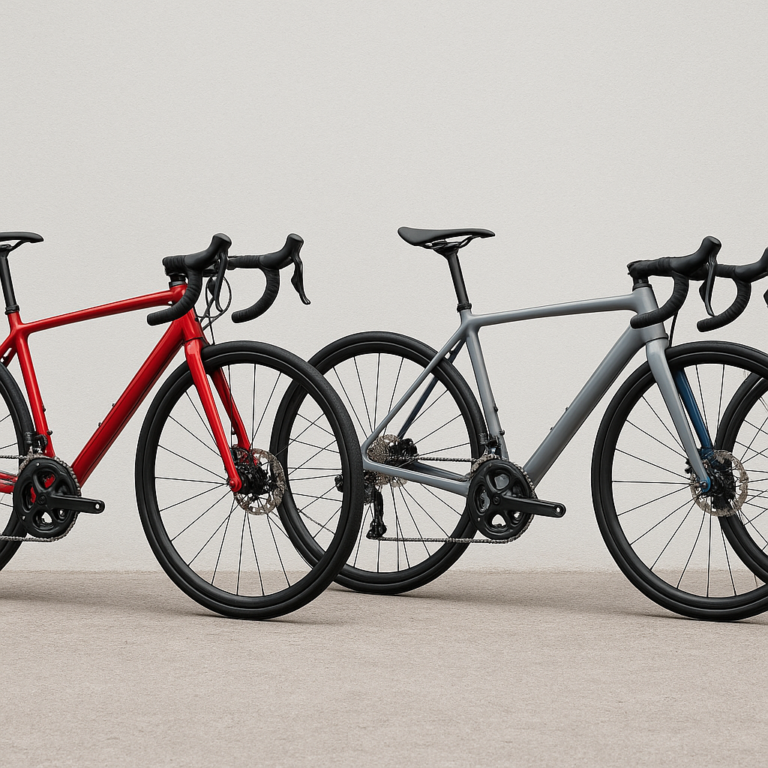
🏎️ The Road Bike: The Sports Car of the Cycling World
- Best For: Speed, fitness, long-distance pavement riding, and group rides.
- Key Features: Drop handlebars, narrow high-pressure tires, lightweight frames, and an aggressive, aerodynamic riding position.
- The Vibe: You feel fast, efficient, and slightly uncomfortable if you’re not used to it.
- Who it’s NOT for: Rough trails, carrying heavy loads, or riders who want an upright, relaxed posture.
🏔️ The Mountain Bike (MTB): The Off-Road Beast
- Best For: Trails, rocks, roots, mud, and technical terrain.
- Key Features: Flat or riser handlebars, wide knobby tires, suspension (front or full), and powerful disc brakes.
- The Vibe: Rugged, stable, and capable of handling anything nature throws at you.
- The Trade-off: On the road, they feel sluggish and heavy due to tire drag and suspension bob.
🚲 The Hybrid: The Crossover SUV
- Best For: Commuting, fitness, light trails, and mixed surfaces.
- Key Features: Flat bars, medium-width tires (often 70c), upright position, and often comes with mounts for racks and fenders.
- The Vibe: Practical, comfortable, and versatile. It’s the “do-it-all” choice for the undecided.
- The Catch: It’s a master of none. It’s not as fast as a road bike and not as capable as an MTB.
🌾 The Gravel Bike: The New Kid on the Block
- Best For: “All-road” riding, unpaved fire roads, bikepacking, and adventurous commutes.
- Key Features: Drop bars (like road bikes) but with wider tire clearance, disc brakes, and a more relaxed geometry.
- The Vibe: It feels like a road bike that can go anywhere. It’s the ultimate jack-of-all-trades.
- Why it’s trending: It bridges the gap between the speed of road and the durability of MTB.
Wait, what about those “Comfort” or “Dual Sport” hybrids?
You might see bikes with massive suspension forks and step-through frames. These are great for casual riders or those with mobility issues, but they often add unnecessary weight. If you’re serious about fitness, look for a rigid fork hybrid instead.
For more deep dives into specific categories, check out our guides on Gravel Bikes and Electric Bikes.
📏 The Art of Fit: How to Measure Frame Size and Reach
You can have the most expensive bike in the world, but if the geometry doesn’t match your body, you’ll be in pain. Bike fit is non-negotiable.
How to Measure Your Inseam
- Stand barefoot against a wall with a book between your legs (simulating a saddle).
- Measure from the top of the book to the floor.
- This is your inseam.
The Formula (Rough Guide)
- Road Bikes: Inseam (cm) x 0.67 = Frame Size (cm)
- Mountain Bikes: Inseam (cm) x 0.2 = Frame Size (inches)
- Hybrids: Inseam (cm) x 0.685 = Frame Size (cm)
The “Standover” Test
When standing over the top tube (with shoes on), you should have at least 1-2 inches of clearance for road bikes and 2-4 inches for mountain bikes. If you can’t straddle the bike comfortably, it’s too big.
Reach and Stack
Modern sizing isn’t just about height. Reach (horizontal distance to handlebars) and Stack (vertical height) determine your riding posture.
- Long Reach: Agressive, aerodynamic (Road/Racing).
- Short Reach: Upright, comfortable (Hybrid/Gravel).
Pro Tip: Don’t just guess. Visit a shop and use their fiting tools. As Tom’s Bike Trip emphasizes, “The single most important factor in ensuring long-term comfort and preventing injury” is a professional fit.
🛠️ Decoding the Drivetrain: Gears, Derailleurs, and Chainrings Explained
Gears can be confusing, but they’re simple once you break them down. The drivetrain is the engine of your bike.
The Basics
- Chainrings: The gears on the pedals (front).
- Cassette: The cluster of gears on the rear wheel.
- Derailleurs: The mechanisms that move the chain between gears.
1x vs. 2x vs. 3x
- 1x (One-by): Single chainring in front. Popular on MTBs and Gravel bikes. Simple, less maintenance, wide range of gears.
- 2x (Two-by): Two chainrings. Common on Road and Gravel bikes. Offers finer gear steps for smooth shifting.
- 3x (Three-by): Three chainrings. Old school, mostly on touring and entry-level hybrids. Huge range, but heavy and prone to chain drop.
Gearing Ratio
- Low Gears: For climbing hills.
- High Gears: For speed on flats/downhills.
- The Sweet Spot: You want a range that lets you climb steep hills without standing up and sprinting, while still having enough top speed for descents.
| Drivetrain Type | Best For | Pros | Cons |
|---|---|---|---|
| 1x | MTB, Gravel | Simple, no front shifter, wide range | Larger gaps between gears |
| 2x | Road, Gravel | Smooth shifting, fine-tuned gears | More complex, heavier |
| 3x | Touring, Entry | Massive range, cheap | Heavy, prone to mechanical issues |
If you’re looking for specific recommendations on lightweight setups, check out our guide on 7 Best Lightweight Disc Brake Road Bikes (2026).
🛑 Braking Systems: Disc vs. Rim Brakes for Every Terrain
Brakes are your safety net. Let’s settle the debate once and for all.
Rim Brakes
- How they work: Pads squeeze the wheel rim.
- Pros: Lightweight, cheaper, easy to maintain, works well in dry conditions.
- Cons: Poor performance in wet/muddy conditions, wears down the rim over time, less stopping power.
- Best For: Dry climates, road bikes, budget builds.
Disc Brakes
- How they work: Pads squeeze a rotor attached to the hub.
- Pros: Superior stopping power, consistent in all weather, doesn’t wear the rim, allows for wider tires.
- Cons: Heavier, more expensive, harder to bleed (hydraulic), rotor can bend.
- Types:
Mechanical: Cable-actuated. Easier to fix on the road.
Hydraulic: Fluid-actuated. Better modulation and power. - Best For: Mountain bikes, gravel bikes, touring, wet climates.
The Verdict: Unless you’re on a strict budget or riding exclusively in dry conditions, disc brakes are the way to go. They offer peace of mind in any weather.
🚲 Wheel Size and Tire Width: Finding the Perfect Roll
Wheels are the foundation of your ride. Get this wrong, and the bike feels wrong.
Wheel Sizes
- 70c: Standard for road, gravel, and hybrids. Fast rolling, good for speed.
- 29-inch: Standard for MTBs. Rolls over obstacles easily.
- 27.5-inch (650b): A middle ground for MTBs and some gravel bikes. More agile than 29ers.
- 26-inch: Old school MTB, still great for touring and smaller frames.
Tire Width
- 23-25mm: Pure road racing. Fast but fragile.
- 28-32mm: Endurance road and light gravel. The new standard for versatility.
- 35-45mm: Gravel and hybrid. Comfortable on rough roads.
- 2.0″+: Mountain bikes. Maximum traction and cushion.
Fun Fact: Wider tires at lower pressure often roll faster on rough surfaces than narrow tires at high pressure due to reduced vibration loss.
🏗️ Material Matters: Aluminum, Carbon Fiber, Steel, and Titanium Compared
The frame material dictates the ride quality, weight, and price.
| Material | Weight | Ride Quality | Durability | Cost | Best For |
|---|---|---|---|---|---|
| Aluminum | Light | Stiff, can be harsh | Good | Low/Mid | Entry-level, Road, MTB |
| Carbon Fiber | Very Light | Smooth, tunable | Britle if hit | High | Pro Road, High-end MTB |
| Steel | Heavy | Smooth, compliant | Excellent | Mid/High | Touring, Gravel, Classics |
| Titanium | Light | Smooth, durable | Indestructible | Very High | Custom builds, Long-term |
- Aluminum: The workhorse. Stiff and efficient, but can feel “nervous” on rough roads.
- Carbon Fiber: The high-tech choice. Absorbs vibration well, but can be damaged by impact.
- Steel: The classic. “Steel is real.” It flexes slightly, giving a comfortable ride, and is incredibly durable. Perfect for touring.
- Titanium: The unicorn. Combines the lightness of carbon with the durability of steel. Expensive, but a bike for life.
💰 Budgeting Smart: New vs. Used and Where to Spend Your Cash
How much should you spend?
- Entry Level ($30-$60): Good for casual riding. Look for aluminum frames and reliable component groups (Shimano Claris/Sora).
- Mid-Range ($60-$1,50): The sweet spot. Better components, lighter frames, often disc brakes.
- High-End ($1,50+): Carbon fiber, electronic shifting, top-tier components.
New vs. Used
- New: Warranty, latest tech, no hidden damage.
- Used: You get more bike for your money. A $1,0 used bike can often outperform a $1,50 new one.
- The Risk: Used bikes can have hidden cracks, worn drivetrains, or stolen frames. Always inspect the frame and ask for the original receipt.
Where to spend? Invest in the frame and wheels. You can always upgrade components later. A cheap frame with good wheels is better than a fancy frame with terrible wheels.
🔧 Essential Accessories: Lights, Locks, and Gear You Actually Need
Don’t buy a bike and forget the essentials. Here’s your starter pack:
- Lock: A U-lock or heavy-duty chain. Don’t cheap out here.
- Helmet: Non-negotiable. Look for MIPS technology for extra protection.
- Lights: Front and rear. Even if you only ride during the day, be visible.
- Pump & Patch Kit: Flat tires happen. Be ready.
- Multi-tool: For on-the-go adjustments.
- Water Bottle & Cage: Hydration is key.
For a full list of gear, check out our Bike Accessories category.
🛒 Where to Buy: Local Bike Shops vs. Online Giants
Local Bike Shop (LBS)
- Pros: Expert fitting, free assembly, support, test rides, community.
- Cons: Slightly higher prices, limited inventory.
- Verdict: Always buy from an LBS if possible. The service alone is worth the extra cost.
Online Giants (Amazon, Chain Reaction, etc.)
- Pros: Lower prices, huge selection.
- Cons: No fitting, you assemble it yourself (often poorly), no support.
- Verdict: Only buy online if you are an experienced mechanic and know exactly what you need.
🚴 ♂️ Test Ride Checklist: What to Look for Before You Sign
Never buy without a test ride. Here’s what to check:
- Comfort: Does the saddle hurt? Is the reach too long?
- Handling: Does the bike feel stable? Does it turn smoothly?
- Shifting: Do gears shift crisply? Any skipping?
- Braking: Do they stop powerfully and evenly?
- Noise: Any creaks or rattles?
Ask yourself: “Can I see myself riding this for 50 miles?” If the answer is no, keep looking.
🛠️ Maintenance 101: Keeping Your New Ride Running Smoothly
A well-maintained bike lasts forever.
- Weekly: Check tire pressure, clean chain, check brakes.
- Monthly: Lubricate chain, check bolt tightness.
- Annually: Full tune-up at a shop.
🏆 Top 7 Mistakes First-Time Buyers Make (And How to Avoid Them)
- Buying the wrong size: Always measure.
- Ignoring the fit: Don’t just look at the color.
- Overbuying features: You don’t need a $3,0 bike for a 5-mile commute.
- Skipping the test ride: This is the biggest mistake.
- Buying the cheapest bike: It will break and frustrate you.
- Ignoring accessories: Budget for a lock and helmet.
- Buying online without research: Know what you’re getting.
🏆 Top 5 Best Bike Brands for Every Budget and Style
- Trek: Reliable, wide range, great LBS support.
- Specialized: Innovative, high-performance, great fit.
- Giant: Excellent value, own factory, great quality.
- Cannondale: Unique designs, high-end tech.
- Surly: The king of steel and touring.
🏆 Top 10 Must-Have Features in a Modern Commuter Bike
- Disc Brakes: All-weather stopping.
- Mounting Points: For racks and fenders.
- Wide Tire Clearance: For comfort and puncture resistance.
- Internal Cable Routing: Clean look, less maintenance.
- Upright Geometry: Comfortable for city riding.
- Hydraulic Shifting: Smooth and easy.
- Dynamo Hub: Lights that never need batteries.
- Kickstand Mount: For convenience.
- Chain Guard: Keeps clothes clean.
- Integrated Lock: For security.
🏆 Top 8 Safety Upgrades Every Rider Should Install Immediately
- High-Visibility Vest: Be seen.
- Bell or Horn: Alert pedestrians.
- Mirors: See behind you.
- Reflectors: Front, rear, and wheels.
- Helmet with Lights: Extra visibility.
- Tire Liners: Prevent flats.
- GPS Tracker: Anti-theft.
- First Aid Kit: Be prepared.
🏆 Top 6 Gravel Bikes That Dominate the Dirt in 2026
- Specialized Diverge: The benchmark for gravel.
- Canyon Grizl: Rugged and versatile.
- Trek Checkpoint: Great for bikepacking.
- Cannondale Topstone: Comfort-focused.
- Giant Revolt: Value and performance.
- Surly Grail: The steel classic.
🏆 Top 4 Electric Bike Options for the Urban Adventurer
- Specialized Turbo Vado: Smooth and powerful.
- Trek Verve+: Comfortable and reliable.
- Ride1Up 70 Series: Great value.
- Lectric XP: Compact and affordable.
🏆 Top 3 Mountain Bikes for Beginners Ready to Hit the Trails
- Trek Marlin: The entry-level king.
- Giant Talon: Great value and performance.
- Specialized Rockhopper: Reliable and fun.
🏆 Top 5 Road Bikes That Offer the Best Value for Speed
- Giant Contend: Affordable performance.
- Trek Domane AL: Endurance and comfort.
- Cannondale CAD13: Aluminum excellence.
- Specialized Alez: Classic road feel.
- Canyon Endurace: Direct-to-consumer value.
🏆 Top 10 Hybrid Bikes Perfect for Mixed-Terrain Commuting
- Trek FX: The gold standard.
- Giant Escape: Reliable and affordable.
- Specialized Sirus: Comfort-focused.
- Cannondale Quick: Sporty hybrid.
- Marin Fairfax: Classic style.
- Canyon Grail: (Wait, that’s gravel). Let’s say Canyon Commuter.
- Bianchi Via Nirone: Italian style.
- Fuji Absolute: Great value.
- Kona Dew: Fun and versatile.
- Raleigh Cadet: Budget-friendly.
🏆 Top 12 Tips for Negotiating the Best Deal at a Bike Shop
- Do your research: Know the MSRP.
- Be polite: Treat the staff with respect.
- Ask for bundles: Free accessories.
- Timing is key: End of season sales.
- Show loyalty: Mention you’ll buy accessories there.
- Ask for demo bikes: Often discounted.
- Compare online: Use it as leverage.
- Be ready to walk: Don’t show desperation.
- Ask about floor models: They are often great deals.
- Negotiate service: Free tune-ups.
- Check for financing: Some shops offer 0% interest.
- Be honest: Tell them your budget.
🏆 Top 15 Questions to Ask Before Buying Your First Bike
- What is my primary riding terrain?
- How far will I ride?
- What is my budget?
- Do I need a bike for commuting?
- What is my inseam measurement?
- Do I prefer drop or flat bars?
- Do I need disc brakes?
- What is the warranty?
- Can I test ride this model?
- What accessories are included?
- How much does it weigh?
- Is it easy to maintain?
- Can I upgrade components later?
- What is the return policy?
- Do you offer free assembly?
🏆 Top 20 Common Bike Sizing Myths Debunked by Experts
- Myth: Taller people always need bigger frames. Fact: Reach and stack matter more.
- Myth: Women need “women’s specific” bikes. Fact: Geometry matters, not gender.
- Myth: One size fits all. Fact: Never.
- Myth: Bigger wheels are always better. Fact: Depends on the terrain.
- Myth: You can adjust the fit with a stem. Fact: There are limits.
- Myth: The standover height is the only thing that matters. Fact: Reach is crucial.
- Myth: All road bikes are the same size. Fact: Brands vary wildly.
- Myth: You can buy a bike online and fit it later. Fact: It’s risky.
- Myth: A smaller frame is always more agile. Fact: It can be twitchy.
- Myth: A larger frame is always more stable. Fact: It can be sluggish.
- Myth: You can’t ride a bike that’s too big. Fact: You can, but it’s uncomfortable.
- Myth: You can’t ride a bike that’s too small. Fact: You can, but it’s cramped.
- Myth: Inseam is the only measurement. Fact: Torso length matters.
- Myth: All brands use the same sizing. Fact: They don’t.
- Myth: You can guess your size. Fact: Always measure.
- Myth: A bike that fits in the shop will fit at home. Fact: Test ride it.
- Myth: You can fix a bad fit with a saddle. Fact: It’s a band-aid.
- Myth: You can fix a bad fit with a stem. Fact: It has limits.
- Myth: You can fix a bad fit with handlebars. Fact: It has limits.
- Myth: You can fix a bad fit with pedals. Fact: It has limits.
🏆 Top 25 Accessories That Transform a Basic Bike into a Beast
- U-Lock: Security.
- Helmet: Safety.
- Lights: Visibility.
- Pump: Convenience.
- Patch Kit: Self-repair.
- Multi-tool: Adjustments.
- Water Bottle: Hydration.
- Saddlebag: Storage.
- Rear Rack: Cargo.
- Fenders: Weather protection.
- Chain Guard: Clean clothes.
- Mirors: Awareness.
- Bell: Communication.
- GPS: Navigation.
- Computer: Data.
- Cycling Shoes: Efficiency.
- Cycling Gloves: Comfort.
- Cycling Jersey: Aerodynamics.
- Cycling Shorts: Comfort.
- Cycling Socks: Comfort.
- Cycling Glasses: Eye protection.
- Cycling Cap: Sun protection.
- Cycling Jacket: Weather protection.
- Cycling Pants: Warmth.
- Cycling Gloves: Grip.
🏆 Top 30 Reasons Why a Proper Bike Fit is Non-Negotiable
- Prevents injury.
- Improves comfort.
- Increases efficiency.
- Reduces fatigue.
- Enhances control.
- Improves handling.
- Prevents back pain.
- Prevents knee pain.
- Prevents neck pain.
- Prevents numbness.
- Improves power output.
- Reduces wind resistance.
- Improves aerodynamics.
- Increases speed.
- Reduces risk of crash.
- Improves confidence.
- Increases enjoyment.
- Reduces maintenance.
- Improves component life.
- Reduces wear and tear.
- Improves ride quality.
- Increases range.
- Reduces effort.
- Improves posture.
- Reduces strain.
- Improves breathing.
- Reduces fatigue.
- Increases endurance.
- Improves performance.
- Makes riding fun.
🏆 Top 40 Maintenance Tasks Every Owner Should Master
- Check tire pressure.
- Lubricate chain.
- Clean chain.
- Check brake pads.
- Adjust brakes.
- Check tire wear.
- Check spoke tension.
- Check wheel true.
- Check headset.
- Check bottom bracket.
- Check crankset.
- Check derailleurs.
- Adjust derailleurs.
- Check shifters.
- Check cables.
- Replace cables.
- Check saddle.
- Adjust saddle.
- Check handlebars.
- Adjust handlebars.
- Check stem.
- Check seat post.
- Check pedals.
- Check cleats.
- Check tires.
- Replace tires.
- Check tubes.
- Replace tubes.
- Check rims.
- Check hubs.
- Check spokes.
- Check nipples.
- Check frame.
- Check fork.
- Check suspension.
- Adjust suspension.
- Check lights.
- Replace batteries.
- Check reflectors.
- Clean the bike.
🏆 Top 50 Brands, Models, and Trends to Watch in 2026
- Trek: Domane, Emonda, Madone.
- Specialized: Tarmac, Roubaix, Diverge.
- Giant: TCR, Defy, Revolt.
- Cannondale: SuperSix, Synapse, Topstone.
- Canyon: Aeroad, Endurace, Grizl.
- Surly: Disc Trucker, Grail, Pacer.
- Kona: Sutra, Rove, Process.
- Fuji: Touring, Gran Fondo, Altura.
- Marin: Fairfax, San Quentin, Gestalt.
- Bianchi: Via Nirone, Oltre, Infinito.
- Raleigh: Cadet, Merit, Gravel.
- Giant: Escape, Revolt, Defy.
- Trek: FX, Domane, Emonda.
- Specialized: Sirus, Diverge, Rockhopper.
- Cannondale: Quick, Topstone, Habit.
- Canyon: Grail, Grizl, Endurace.
- Surly: Disc Trucker, Grail, Pacer.
- Kona: Sutra, Rove, Process.
- Fuji: Touring, Gran Fondo, Altura.
- Marin: Fairfax, San Quentin, Gestalt.
- Bianchi: Via Nirone, Oltre, Infinito.
- Raleigh: Cadet, Merit, Gravel.
- Trend: Gravel bikes.
- Trend: E-bikes.
- Trend: Disc brakes.
- Trend: 1x drivetrains.
- Trend: Wide tires.
- Trend: Internal routing.
- Trend: Carbon fiber.
- Trend: Steel frames.
- Trend: Titanium frames.
- Trend: Aluminum frames.
- Trend: Drop bars.
- Trend: Flat bars.
- Trend: Suspension.
- Trend: Rigid forks.
- Trend: Hydraulic brakes.
- Trend: Mechanical brakes.
- Trend: Electronic shifting.
- Trend: Mechanical shifting.
- Trend: Tubeless tires.
- Trend: Clincher tires.
- Trend: Folding bikes.
- Trend: Cargo bikes.
- Trend: Fat bikes.
- Trend: Fixed gear.
- Trend: Singlespeed.
- Trend: Touring bikes.
- Trend: Commuter bikes.
- Trend: Adventure bikes.
🏁 Conclusion: Your Journey Starts Here

So, we’ve covered everything from the history of the penny-farthing to the nitty-gritty of 1x drivetrains. You might be wondering, “Which bike is really the best?” The answer, as we’ve said a hundred times, is there is no single best bike. The best bike is the one that fits you, matches your riding style, and fits your budget.
Remember the story of the guy who bought a $3,0 road bike for his 5-mile commute, only to end up hating every minute of it because he couldn’t get comfortable? Don’t be that guy. Take your time, test ride, and listen to your body.
Whether you choose a rugged steel touring bike from Surly, a sleek carbon road bike from Specialized, or a versatile gravel bike from Canyon, the most important thing is to get out there and ride. The journey of choosing the right bike is just the beginning of a lifetime of adventures.
Ready to hit the road? Check out our Bike Brand Guides for more in-depth reviews and comparisons.
🔗 Recommended Links
- 👉 Shop Trek Bikes: Trek Official Website | Amazon Trek Bikes
- 👉 Shop Specialized Bikes: Specialized Official Website | Amazon Specialized Bikes
- 👉 Shop Giant Bikes: Giant Official Website | Amazon Giant Bikes
- 👉 Shop Surly Bikes: Surly Official Website | Amazon Surly Bikes
- 👉 Shop Canyon Bikes: Canyon Official Website | Amazon Canyon Bikes
- Book: Bike Maintenance for Dummies
- Book: The Complete Guide to Bike Fit
❓ FAQ

How do I choose a bike that fits?
Choosing a bike that fits starts with measuring your inseam and comparing it to the manufacturer’s size chart. However, size charts vary by brand, so a “Medium” in one brand might be a “Large” in another. The best way to ensure a perfect fit is to visit a local bike shop for a professional fitting. They can adjust the saddle height, handlebar reach, and stem length to match your body geometry.
Read more about “Trek Gravel Bikes Uncovered: 3 Top Models to Ride in 2025 🚵 ♂️”
How do I choose a good bike?
A “good” bike is one that matches your riding goals. If you want to race, a lightweight road bike is good. If you want to explore trails, a mountain bike is good. If you want to commute, a hybrid or gravel bike is good. Look for reliable components (Shimano, SRAM), a durable frame material (aluminum, steel, carbon), and a geometry that feels comfortable.
Read more about “🚚 15 Heavy Duty Electric Utility Bikes That Replace Your Truck (2026)”
What factors should I consider when buying my first bike?
Consider your budget, riding terrain, distance, and comfort. Don’t get swayed by flashy features you don’t need. Focus on the basics: a frame that fits, reliable brakes, and a drivetrain that shifts smoothly. Also, remember to budget for accessories like a lock, helmet, and lights.
Read more about “🏆 15 Best Motor Bike Brands Ranked for 2026”
How do I determine the right bike size for my height?
Use your inseam measurement and the manufacturer’s size chart as a starting point. However, height alone isn’t enough. Consider your torso length and arm length. A taller person with a shorter torso might need a smaller frame than someone of the same height with a longer torso. Always test ride to confirm.
Read more about “Who Does Giant Make Bikes For? Discover the 5 Key Types of Riders 🚴 ♀️”
What is the difference between road bikes and mountain bikes?
Road bikes are designed for speed on paved surfaces, featuring drop handlebars, narrow tires, and a lightweight frame. Mountain bikes are built for off-road terrain, with flat handlebars, wide knobby tires, suspension, and powerful disc brakes. Road bikes are faster on pavement, while mountain bikes are more capable on rough trails.
Read more about “🚴 ♂️ 7 Best Lightweight Disc Brake Road Bikes (2026)”
How much should I spend on a quality beginner bicycle?
A quality beginner bicycle typically costs between $50 and $1,0. This price range gets you a reliable aluminum frame, decent components (Shimano Claris or Sora), and disc brakes. Spending less than $30 often means compromising on quality and durability, which can lead to frustration and higher maintenance costs in the long run.
Read more about “🚴 ♂️ Which Brand of Cycle Is Best? Top 12 Picks for 2026”
What is the difference between a hybrid and a gravel bike?
Hybrid bikes are designed for paved roads and light trails, with flat handlebars and medium-width tires. Gravel bikes are designed for mixed terrain, with drop handlebars, wider tire clearance, and a more relaxed geometry. Gravel bikes are more versatile for off-road adventures, while hybrids are better for casual commuting.
Read more about “🇺🇸 Which Bike Company is Best in USA? Top 15 Brands Ranked for 2026”
Can I use a mountain bike for road riding?
Yes, but it’s not ideal. Mountain bikes are heavier and have knobby tires that create drag on pavement, making them slower and less efficient. If you plan to ride mostly on roads, a hybrid or gravel bike would be a better choice. However, if you occasionally hit trails, a mountain bike can work.
Read more about “🚀 Cannondale Quick Review 2026: The Ultimate Fitness & E-Bike Guide”
What is the best bike for commuting?
The best bike for commuting depends on your needs. For short distances on smooth roads, a hybrid or road bike is great. For longer distances or rougher roads, a gravel bike is more versatile. If you need to carry cargo, a commuter bike with racks and fenders is ideal.
Read more about “🚴 ♂️ Top 10 Performance Endurance Bicycle Brands (2026)”
How do I know if a bike is too big or too small?
A bike that is too big will feel unstable and hard to control, with a reach that is too long. A bike that is too small will feel cramped and uncomfortable, with a reach that is too short. The best way to know is to test ride and pay attention to your comfort and control.
📚 Reference Links
- Cycling UK: Which Bike Should I Buy?
- Tom’s Bike Trip: Which Touring Bike Should I Buy?
- Retrospec: Help Me Choose a Bike
- Shimano: Drivetrain Guide
- SRAM: Component Guide
- Trek Bikes: Official Site
- Specialized: Official Site
- Giant Bicycles: Official Site
- Cannondale: Official Site
- Canyon: Official Site
- Surly Bikes: Official Site
- Kona Bikes: Official Site
- Fuji Bikes: Official Site
- Marin Bikes: Official Site
- Bianchi: Official Site
- Raleigh: Official Site