Support our educational content for free when you purchase through links on our site. Learn more
How Much Is a Good Cheap Bike? 🚲


How much is a good cheap bike? For many new recreational, hybrid, and commuter bikes, plan on roughly $400–$1,000; a carefully inspected used bike may offer better components for less. The right budget depends on where you’ll ride, how often you’ll ride, and what’s included beyond the bike itself.
We’ve seen riders get dazzled by a long list of gears, then end up happier on a simpler bike that fits properly and shifts reliably. The best bargain isn’t the lowest sticker price—it’s the bike that suits your routes, feels comfortable, and won’t immediately demand a mechanic’s attention.
Remember to budget for essentials like a helmet, lights, a lock, and any initial setup or repairs. A good bike doesn’t need to be fancy, but safe brakes, sound wheels, the right size, and serviceable parts are worth prioritizing.
Key Takeaways
- Budget roughly $400–$1,000 for many good new recreational and commuter bikes.
- A used bike can better value if its frame, wheels, brakes, and drivetrain are in good condition.
- Choose the bike for your riding: hybrids suit everyday trips, road bikes suit pavement and distance, and mountain bikes are built for trails.
- Fit and safety beat flashy specs. Test-ride the bike and check its brakes, gears, wheels, and tires.
- Calculate the all-in cost by including accessories, setup, maintenance, and any needed repairs.
Table of Contents
- ⚡ Quick Tips and Facts: How Much Is a Good Cheap Bike?
- 🚲 What Counts as a Good Cheap Bike?
- 🕰️ A Brief Guide to Budget Bikes and What They’re Built For
- 💰 How Much Does a Good Cheap Bike Cost?
- New vs. Used Bike Costs
- Budget Bike Price Ranges by Type
- What You Get at Different Price Points
- 🚴 Best Cheap Bike Types for Your Riding Style
- Hybrid Bikes for Comuting and Everyday Rides
- Road Bikes for Pavement and Longer Distances
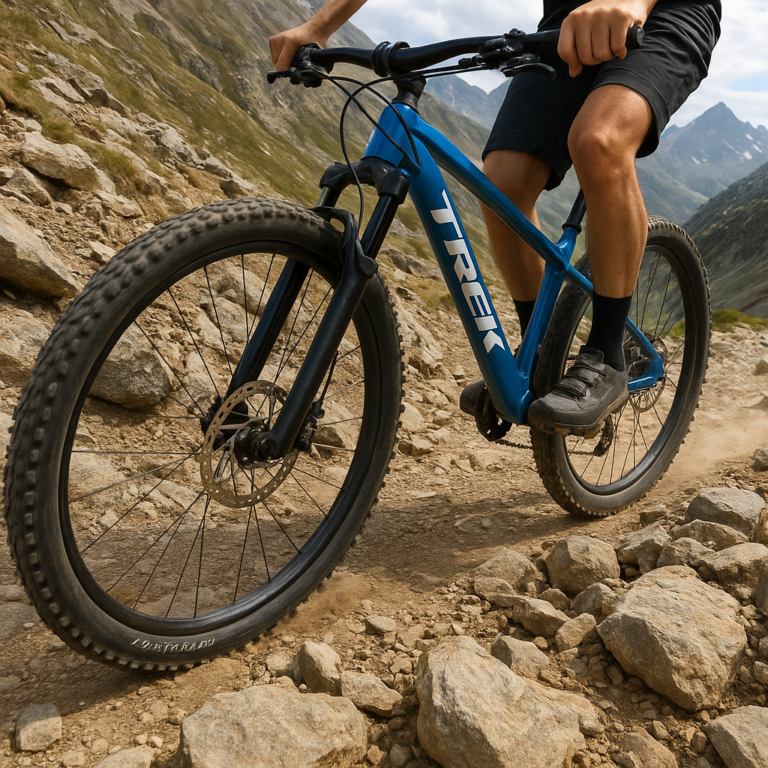
- Mountain Bikes for Trails and Rough Ground
- Cruiser, Folding, and Kids’ Bikes
- 🔍 What to Look for in a Quality Budget Bike
- Frame Material, Fit, and Sizing
- Gears, Brakes, and Drivetrain
- Wheels, Tires, and Suspension
- Reliable Bike Brands and Entry-Level Models
- 🧾 The True Cost of Buying a Cheap Bike
- Essential Bike Accessories and Safety Gear
- Maintenance, Repairs, and Replacement Parts
- How to Avoid False Economy
- 🛒 Where to Buy an Affordable Bike
- Local Bike Shops vs. Big-Box Retailers
- Buying a Used Bike Online or in Person
- ✅ How to Inspect a Cheap Bike Before You Buy
- 🛠️ Can You Upgrade a Budget Bike?
- 🚫 Cheap Bike Buying Mistakes to Avoid
- 📋 Quick Checklist: Is This Budget Bike Worth It?
- 🏁 Conclusion
- 🔗 Recommended Links
- ❓ FAQ
- 📚 Reference Links
⚡ Quick Tips and Facts: How Much Is a Good Cheap Bike?
For most riders, a good new budget bike costs roughly $400–$1,000, depending on type, components, and where you buy it. A well-inspected used bike can offer better components for less, while a very inexpensive new bike may need repairs or replacement parts before it’s ready for regular use.
That range isn’t a hard rule. A basic city bike for occasional flat-path rides doesn’t need the same kit as a road bike for long distances or a mountain bike for rocky trails. And “cheap” can mean low purchase price or good value over years of riding—those aren’t always the same thing.
| Quick question | Practical answer |
|---|---|
| What’s a sensible budget for a new bike? | Around $400–$1,000 for many recreational, hybrid, and entry-level road options. |
| Can a used bike be a better deal? | Yes. A sound used bike from a reputable brand may have better components than a new bike at the same spend. |
| What should you prioritize? | Correct fit, safe brakes, dependable wheels, and parts your local shop can service. |
| Are expensive materials essential? | No. A quality aluminum frame can be an excellent everyday choice. |
| What’s the hidden expense? | A helmet, lock, lights, basic setup, and maintenance add to the total. |
| When should you walk away? | If the frame is damaged, the bike doesn’t fit, or repairs appear likely to exceed its value. |
Our first rule at Bike Brands™: buy the right kind of bike in the right size before paying extra for fancy components. We’ve seen riders spend hours comparing gear counts, then discover the bike feels like a shopping cart with one square wheel because the fit is wrong.
For more buying advice, start with our Bike Brands guide and browse our Bike Brand Guides. For road-bike shoppers, Cycling Weekly’s budget road-bike roundup is a useful perspective: its picks show how capable frames, practical gearing, and disc brakes can appear well below high-end race-bike territory.
Quick facts worth remembering
- A bicycle’s intended use sets the budget. A cheap road bike is not automatically a good trail bike.
- A reputable entry-level groupset is often easier to maintain than unfamiliar components with limited replacement options.
- Aluminum is not a compromise by default. It’s widely used on dependable entry-level bikes.
- Tire clearance matters: wider tires can improve comfort and grip, if the frame and fork allow them.
- Used-bike condition matters more than brand prestige. A neglected famous bike is still a neglected bike.
- Electric dirt bikes are a different category altogether. They cost more, have motors and batteries, and are not a like-for-like comparison with ordinary pedal bikes.
One video take on that last point appears in the featured video: its reviewer calls entry-level pedal bikes a roughly $1,300 purchase and says they “do none of the work for you,” while praising the value of the TUTIO SOLEIL 01 electric dirt bike. That’s an entertaining electric-bike perspective, but it doesn’t establish the price of a good cheap pedal bike. Electric dirt bikes have a motor, battery, different maintenance needs, and different safety considerations. If electric is what you’re shopping for, explore our Electric Bikes section separately.
🚲 What Counts as a Good Cheap Bike?
A good cheap bike does its job safely, comfortably, and reliably without draining your wallet on features you don’t need. It should fit you, suit your routes, and use components that can be adjusted or replaced without a scavenger hunt.
“Cheap” alone describes the price. “Good value” describes what you get for that price and how long it remains useful.
A bike that costs less upfront may become an expensive headache if its wheels constantly go out of true, its brakes won’t stay adjusted, or replacement parts are hard to find. On the other hand, a sturdy used bike with ordinary scratches and sound mechanicals can be a bargain. Scratches are cosmetic; cracks are a different conversation.
The three tests we use
| Test | What “good” looks like | Warning sign |
|---|---|---|
| Fit | You can reach the bars, control the bike, and ride without persistent discomfort. | You’re straining to reach, hitting your knees, or feel unstable. |
| Function | Brakes work smoothly; gears shift; wheels spin without rubbing or wobling. | Creaks, skipped gears, weak braking, or obvious wheel movement. |
| Serviceability | Common parts are available and a bike shop can work on it. | Unusual parts, damaged components, or assembly issues the seller can’t explain. |
A good cheap bike can be basic. It does not need a carbon frame, a dozen rear gears, or a computer screen that looks ready to launch a satellite. For many commuters, a durable aluminum hybrid with sensible gearing, mounts for a rack or fenders, and tires suited to pavement is a better buy than a flashy race bike.
The consumer-facing advice is consistent: prioritize fit and intended use. REI’s bike-buying guidance explains the main bicycle styles and how they suit different riding, while Bicycling’s bike-fit advice gives readers a starting point for understanding fit. A knowledgeable shop can help refine sizing, but an online size chart is a starting point—not a substitute for a test ride.
Cheap, affordable, and poor value: the difference
- Cheap: Low initial cost.
- Affordable: Fits your budget and can handle the rides you plan to do.
- Good value: Delivers reliable performance for its total cost of ownership.
- Poor value: Requires substantial repairs, doesn’t fit, or is unsuitable for your routes.
We once helped a rider compare two used bikes: one had the shinier frame and slightly higher-spec parts, but its rear wheel was badly damaged. The less glamorous bike had sound wheels, smooth shifting, and a comfortable position. Guess which one got ridden home? Condition beats brochure sparkle.
🕰️ A Brief Guide to Budget Bikes and What They’re Built For
Budget bikes have benefited from technology filtering down from pricier models: more capable entry-level gearing, disc-brake options, and wider tire clearance are now common in parts of the market. That doesn’t mean every low-cost bike is built equally, or that a premium feature automatically belongs on every bargain model.
In its budget road-bike coverage, Cycling Weekly points to this “trickle-down technology” and compares bikes with components ranging from Shimano Claris to Shimano 105. Its examples illustrate a key distinction: you can find capable, practical equipment without buying a racing-level bike, but each price tier still involves tradeoffs.
For example, disc brakes can improve braking consistency in wet conditions, but the details matter. A well-adjusted rim-brake bike can be perfectly serviceable for recreational riding; a poorly assembled disc-brake bike is not magically safer because its rotors look serious.
A quick timeline of what changed
| Then and now | Why it matters to a budget shopper |
|---|---|
| More gears and newer entry-level drivetrains | Useful gear ranges may now be available on less expensive bikes. |
| Wider tires on many road and hybrid bikes | More clearance can support a more comfortable setup, depending on the frame. |
| Disc brakes across more categories | More choice, but mechanical and hydraulic systems have different upkeep needs. |
| Online listings and direct sales | Broader selection, but sizing, assembly, and after-sales support deserve extra attention. |
| A thriving used market | You may find a better-equipped bike, provided you can judge its condition. |
The caveat: spec lists don’t tell the whole story. A bike with an impressive groupset can still have bargain wheels or poor fit; a simpler bike can be a trusty daily workhorse. As we’ll see, knowing how and where you ride is the clue that makes the price range make sense.
💰 How Much Does a Good Cheap Bike Cost?
For many new recreational and commuter bikes, roughly $400–$1,000 is a useful planning range. Entry-level road bikes, performance-focused models, e-bikes, and specialist mountain bikes may sit outside it. Used bikes can cost less for the same level of equipment, but condition, size, service history, and local demand all affect value.
There’s no universal “correct” number. A bike for occasional paved paths has different requirements from one that will carry a rider through a wet winter commute or over rough singletrack. Compare bikes with the same purpose, not just the same label.
| Bike-shopping scenario | Practical budget perspective | What to prioritize |
|---|---|---|
| Occasional recreational riding | Focus on fit, simple operation, and basic reliability. | Comfortable position, working brakes, suitable tires. |
| Regular commuting | Allow for a durable setup and practical accessories. | Serviceable components, lights, lock, fenders or rack mounts. |
| Longer road rides | Expect to value fit, gearing, and tire clearance more. | A comfortable riding position and gears for your local terrain. |
| Off-road mountain biking | Avoid bikes not designed for the trails you intend to ride. | Frame capability, reliable brakes, suitable tires and suspension. |
| Used-bike purchase | Compare the asking price plus likely service costs. | Frame condition, wheels, drivetrain, fit, and repair estimate. |
These are planning categories, not promises about current retail prices. Stock, model year, sales, location, and currency can shift the market. Our advice is to decide your maximum all-in budget, then compare a few bikes with similar features and intended use.
New vs. Used Bike Costs
A new bike offers a known starting point, current warranty terms, and often shop assistance with sizing and setup. A used bike may give you better components for your money, but only if it’s in sound condition and the size works.
| Consideration | New bike | Used bike |
|---|---|---|
| Condition | Typically unworn, though assembly and setup still matter. | Varies from lightly ridden to badly neglected. |
| Fit options | Easier to compare current sizes and model ranges. | Great value if the right size happens to be available. |
| Warranty and support | Depends on brand and seller terms. | Usually more limited; confirm what, if anything, transfers. |
| Repair risk | Lower initial wear risk, but not zero. | Potential service costs should be included in your budget. |
| Component value | Often simpler specifications at the lowest tier. | May offer better parts for the same spend. |
| Best for | Buyers who value support and a fresh start. | Buyers who can inspect carefully or get a shop’s assessment. |
One personal rule from our crew: never call a used bike “cheap” until someone has checked the consumables. Worn chain, cassette, brake pads, tires, and wheel bearings can turn a bargain into a project. Ask a local shop for a pre-purchase inspection if you’re unsure; the League of American Bicyclists also offers broader cycling education and safety resources.
Used-bike checklist: ask for the bike’s age, service history, original receipt if available, and reason for sale. Check that the serial number hasn’t been removed, and use local stolen-bike reporting resources where available. If a seller rushes you, refuses a test ride, or the story changes every five minutes, take the hint.
Budget Bike Price Ranges by Type
Rather than chase a universal price tag, match the category to your riding. A budget road bike needs to be designed for pavement; an entry-level mountain bike should be suitable for the trails you actually plan to ride, not just look rugged in a parking lot.
| Bike type | What affects its price | Common budget priorities |
|---|---|---|
| Hybrid / city bike | Frame, gearing, brakes, mounts, and included accessories | Comfortable fit, useful gears, practical tires |
| Road bike | Frame and fork, drivetrain, brakes, tire clearance | Fit, reliable shifting, manageable climbing gears |
| Mountain bike | Suspension design, fork, brakes, wheels, trail capability | Appropriate intended trail level, durable parts |
| Cruiser | Simplicity, comfort features, components | Stable handling, comfortable contact points |
| Folding bike | Folding mechanism, frame engineering, wheel size | Secure hinge, manageable folded size, serviceability |
| Electric bike | Motor, battery, controls, brakes, certification and support | Battery and motor support, safe handling, trusted service |
| Kids’ bike | Wheel size, weight, materials, fit | Correct size, easy controls, manageable weight |
Don’t compare an electric bike’s cost directly with a pedal bike’s. Its motor and battery change the category, purchase decision, and maintenance questions. For electric models, start with our Electric Bikes coverage and read the maker’s specifications and safety guidance.
What You Get at Different Price Points
A higher price often buys some mix of lower weight, more refined components, greater gear range, improved braking, better wheels, or more practical frame features. It doesn’t guarantee that the bike fits better—or that you’ll enjoy it more.
| As the budget rises, you may find… | Why it can help | What to check before paying more |
|---|---|---|
| Better component consistency | Shifting and braking may feel more refined. | Is it relevant to your riding, or just a spec-sheet flex? |
| More tire clearance | Gives more setup options and potentially more comfort. | Confirm actual frame and fork clearance. |
| Lighter parts | Easier carrying and a livelier feel. | Check durability and replacement costs. |
| Practical mounts | Makes racks, fenders, or bottles easier to install. | Confirm the accessories you want will fit. |
| Better warranty or dealer support | Can simplify ownership. | Read the specific warranty and seller terms. |
At the entry level, the smartest upgrade is often fit and setup, not a more expensive deraileur. A bike shop can adjust saddle height, controls, and shifting; a small setup correction can make a bigger difference than a component with a fancier name.
🚴 Best Cheap Bike Types for Your Riding Style
The best cheap bike is the one that suits your regular routes. A road bike can be quick on smooth pavement but feel awkward on gravel; a mountain bike can absorb rough ground but may be slower and heavier for a daily city commute. Match the tool to the job, as our mechanic always says—then stop asking the wrench to be a spoon.
Use the comparisons below to narrow the field. For more category-specific recommendations, browse City Bikes and our Bike Reviews.
| Your main riding | Consider | Watch out for |
|---|---|---|
| Mixed streets, paths, and casual rides | Hybrid | Some “hybrids” are heavy or poorly equipped; check fit and parts. |
| Longer pavement rides | Road bike | Aggressive geometry can be uncomfortable if you want an upright posture. |
| Dirt trails and rough ground | Mountain bike | Very cheap models may not be suitable for demanding trails. |
| Short, relaxed neighborhood trips | Cruiser | Heavier weight and limited gears can be challenging on hills. |
| Small apartment or multimodal commute | Folding bike | Check fold security, ride feel, and local parts support. |
| Growing rider | Kids’ bike sized for the child | Avoid buying far too large “to grow into.” |
| Assisted commuting or steep routes | Electric bike | Consider battery support, weight, service, and local regulations. |
Hybrid Bikes for Comuting and Everyday Rides
A hybrid is often the sensible value pick for commuting, paved paths, errands, and mixed everyday use. It typically combines a more upright position with flat handlebars and practical tires. Some models include rack and fender mounts; others are stripped-down and expect you to add accessories.
Good entry-level options from established brands may include bikes in the Trek FX, Giant Escape, Specialized Sirus, and Cannondale Quick families. Model specifications vary by year and market, so compare the exact build rather than assuming every bike in a lineup has the same parts.
- Benefits: versatile, approachable handling; practical for stop-start riding; often easier to fit with everyday accessories.
- Drawbacks: not as quick as a road bike on longer paved rides; models with heavy suspension forks may be unnecessary for smooth city routes.
- Check: tire type, gearing, fender and rack mounts, brake condition, and whether the riding position feels natural.
If you commute, remember the bike is only part of the setup. A secure lock, front and rear lights, and weather-appropriate clothing can matter as much as one extra gear. See our Bike Accessories guide for practical add-ons.
Road Bikes for Pavement and Longer Distances
A budget road bike makes sense if most of your riding is on pavement and you want to cover distance efficiently. Look for comfortable geometry, sensible gearing, a size that fits, and enough tire clearance for your roads. A carbon fork can appear on an aluminum bike, but it isn’t a must-have.
Cycling Weekly’s road-bike comparison illustrates the range of tradeoffs: its examples include aluminum bikes with carbon forks, disc brakes, and practical mounts, as well as models with different levels of Shimano components. The article’s Triban RC520 discussion highlights rack and mudguard mounts and clearance up to 36 mm, while its Cannondale CAD Optimo 4 example shows how rim brakes and narrower tire clearance can keep a bike simple but less versatile.
These are review examples, not universal specifications for every current model year. Confirm the manufacturer’s current spec sheet before buying.
- Benefits: efficient on pavement; useful for longer rides; drop handlebars offer multiple hand positions.
- Drawbacks: fit can feel unfamiliar; lower handlebars aren’t automatically comfortable; narrow tire clearance limits setup options.
- Check: climbing gears, brake style, tire clearance, mounting points, and reach to the bars.
The budget-focused triathlon perspective is similar: the Phazon Triathlon guide recommends starting with a practical road bike rather than jumping straight to a dedicated time-trial machine. That’s sound advice for many first-time riders: a road bike is more versatile, and clip-on aero bars can be considered later if the bike and intended use allow them.
Mountain Bikes for Trails and Rough Ground
Mountain bikes vary enormously. A bike intended for paved paths and gentle gravel is not the same as one designed for sustained rough trails. Before you buy, identify the terrain: fire roads, easy singletrack, technical trails, or downhill riding?
A very low-cost full-suspension bike can look like a bargain because it has two shock absorbers, but those parts don’t guarantee safe or capable trail performance. For casual paths, a simple hardtail may be more reliable and easier to maintain than a poorly built full-suspension model.
- Benefits: wide tires and upright control suit rougher surfaces; hardtails can be simple and practical.
- Drawbacks: heavier and slower on pavement; suspension needs maintenance; trail use places higher demands on frame and components.
- Check: the manufacturer’s intended use, fork condition, brake performance, wheel condition, and available service support.
If you’re comparing a budget mountain bike with a “dirt bike” from an electric-bike video, remember they’re different machines. The featured video reviews the TUTIO SOLEIL 01 as an electric dirt bike—not as a conventional pedal mountain bike. The reviewer says, “This is one of my most requested videos ever. And I’ve been just as curious myself,” and praises its value relative to other electric dirt bikes. That opinion is useful within the electric category, but it shouldn’t be used as a direct yardstick for a cheap commuter or trail bicycle.
Cruiser, Folding, and Kids’ Bikes
Cruisers prioritize relaxed riding and simple controls. They can be comfortable for short flat trips but may feel heavy on hills.
Folding bikes can solve storage and transit problems. Check the hinge and locking mechanism carefully, then test the folded size against your real storage space. A folding bike you can’t lift onto a train is a bit like a suitcase with a gym membership.
Kids’ bikes should fit now, not after a growth spurt. A child should be able to control the bike and reach the brakes. The American Academy of Pediatrics’ bicycle safety guidance emphasizes appropriate helmet use and safe riding practices.
| Type | Best suited to | Key buying check |
|---|---|---|
| Cruiser | Relaxed, shorter rides on flatter routes | Weight, gearing, and comfortable reach |
| Folding | Compact storage and mixed transit | Hinge security, folded dimensions, parts availability |
| Kids’ bike | A child’s current size and ability | Reach to brakes, manageable weight, correct fit |
🔍 What to Look for in a Quality Budget Bike
A spec sheet is useful, but your body and your route get the final vote. Start with fit and use; then evaluate the frame, brakes, gears, wheels, tires, and serviceability. If you can, test-ride more than one bike. Five minutes in a parking lot won’t predict every long ride, but it can reveal a poor fit or awkward handling.
Frame Material, Fit, and Sizing
Aluminum is common on budget bikes because it offers a practical balance of strength, weight, and cost. Steel can also be a sensible choice, especially for utility bikes, while carbon appears on some higher-spec models. Material alone does not tell you whether a bike is good. Frame design, build quality, fit, and intended use matter too.
Fit is personal and brand sizes aren’t perfectly standardized. Use the maker’s sizing chart, then verify with a test ride or a fit professional. REI’s bike-buying guide covers the major bike types and choosing a bike; Bicycling’s fit guide is a useful second reference.
A practical fit check
- Confirm the size range using the exact model’s manufacturer chart.
- Stand over the bike comfortably where the frame design permits; ask the shop about clearance and fit for that specific style.
- Reach the handlebars naturally. You shouldn’t feel stretched, cramped, or unable to steer confidently.
- Check saddle height and leg extension with a qualified shop or experienced fitter.
- Test the brakes and steering at a safe, low speed.
- Try a second size or model if the first feels wrong. A brand label isn’t a magic spell.
A close friend once bought a bike one size too large because the sales listing said it was “ideal for his height.” He spent the first week trying to solve discomfort with a different saddle. The actual fix was the correct frame size. Don’t buy a bad fit and hope an accessory will negotiate peace.
Gears, Brakes, and Drivetrain
Gears help you manage hills, wind, and changing pace. More rear cogs can provide smaller jumps between ratios, but gear range is more useful than gear count alone. A beginner riding steep hills may benefit more from an easier climbing gear than from additional close-spaced ratios.
Well-known entry-level components such as Shimano Claris and Shimano Tiagra appear on road bikes at different levels; Shimano 105 is a higher-tier road groupset found on some value-focused models. Shimano’s official site offers product information, while the bike maker’s spec sheet confirms what is actually installed.
| Component | What to assess | Budget-friendly takeaway |
|---|---|---|
| Shifters and derailleurs | Smooth, repeatable gear changes | Correct setup matters as much as the model name. |
| Chain and cassette | Wear, rust, and skipped shifts | Used bikes may need both replaced together. |
| Brakes | Strong, predictable stopping without rubbing | Have adjustments and pad wear checked. |
| Gearing | Easy enough ratios for your hills and fitness | A broad, practical range beats a flashy gear count. |
| Replacement parts | Availability through local shops | Common components are usually easier to service. |
Rim brakes vs. disc brakes
- Rim brakes: mechanically simple and familiar. Performance can be less consistent in wet conditions, and the braking surface is the wheel rim.
- Mechanical disc brakes: use a cable to actuate a disc rotor. Setup and maintenance differ from rim brakes.
- Hydraulic disc brakes: use hydraulic fluid and can provide strong braking with a different feel and service process.
No brake type is a free pass. A properly adjusted system matters more than a headline feature. Cycling Weekly’s budget road-bike review notes the variety across its picks, including disc and rim-brake options, while also describing compromises in particular models.
Wheels, Tires, and Suspension
The tires are your contact with the road. Their width, tread, pressure, and condition affect comfort and grip—but only use a tire size that the frame, fork, and wheel manufacturer allow.
Road bikes with additional clearance can offer more flexibility for wider tires; Cycling Weekly’s Triban RC520 example lists clearance up to 36 mm, while its Cannondale CAD Optimo 4 example is described with narrower clearance. Those specifications are model-specific and can change by year, so check the actual bike before purchasing.
- Inspect wheels for woble, loose spokes, cracked rims, and damaged tires.
- Check that the wheel size and tire width suit your riding.
- On a used bike, examine tire sidewalls for cracking and tread for serious wear.
- Don’t pay extra for suspension you don’t need. A suspension fork on smooth pavement can add weight and maintenance without helping your commute.
Reliable Bike Brands and Entry-Level Models
Established brands—including Trek, Giant, Specialized, Cannondale, and Decathlon’s Triban range—offer bikes across several price and riding categories. That doesn’t mean every bike they sell suits every rider or every budget. Model year, exact specification, fit, warranty, local dealer support, and condition all count.
For road-bike examples, Cycling Weekly’s reviewed bikes include the Giant Contend SL 1, Decathlon Triban RC520, Specialized Alez Sport Disc, Trek Domane AL4 Gen 4, and Cannondale CAD Optimo 4. Its summary describes different strengths: practical all-round use, comfort, sportier handling, carbon components, or a simpler entry-level build. Treat those as reviewed model examples, not as a guarantee about every current version or local market.
The Phazon Triathlon budget-bike guide also names brands including Giant, Specialized, Trek, Cannondale, Cube, Canyon, and others as makers it considers worth researching. That’s one author’s perspective, not an official quality certification; absence from a list doesn’t prove a brand is poor.
Examples to research, not automatic winners
| Brand or line | Why it may be worth comparing | What to verify |
|---|---|---|
| Trek FX / Domane | City, hybrid, and road options across categories | Exact model year, frame size, mounts, components |
| Giant Escape / Contend | Practical hybrids and entry-level road bikes | Fit, brake type, gearing, current specification |
| Specialized Sirus / Alez | City-oriented and road models | Model variation, tire clearance, condition |
| Cannondale Quick / CAD | Hybrid and road-bike options | Size range, wheel and tire specs, component wear |
| Decathlon Triban | Value-oriented road-bike range | Current stock, warranty terms, exact build |
For more model-by-model coverage, browse our Bike Reviews and Bike Brand Guides. Always verify current details on the official brand site before purchasing.
🧾 The True Cost of Buying a Cheap Bike
The sticker price is only the beginning. A bike may need pedals, a helmet, lights, a lock, setup, or a basic tune. A used bike may also need new tires, a chain, brake pads, or a wheel adjustment.
Make an all-in budget before you start shopping:
All-in cost = bike + setup or delivery + essential accessories + immediate repairs
This is where the very cheapest bike can lose its shine. The Phazon Triathlon budget guide warns that a very low purchase price can be offset by repeated repairs, using a personal example of a Specialized Alez that lasted many years. The story is anecdotal—not a universal guarantee—but the broader lesson is strong: reliability and serviceability are part of the price.
Essential Bike Accessories and Safety Gear
Plan for equipment that helps you be visible, protect your bike, and handle simple roadside problems. Requirements vary by location, so check local laws for lights, reflectors, helmets, and other equipment.
| Item | Why you may need it | Buying tip |
|---|---|---|
| Helmet | Helps reduce head injury risk when worn and fitted properly. | Follow reputable safety guidance and fit instructions; see the CDC helmet safety tips. |
| Front and rear lights | Helps you see and be seen in low light. | Choose lights suited to your routes and local requirements. |
| Lock | Helps secure the bike when parked. | Match lock type to your theft risk and parking location. |
| Pump and repair kit | Helps with routine tire care and minor roadside issues. | Make sure the pump fits your valve type. |
| Bottle and cage | Useful for longer or hot-weather rides. | Confirm frame mounting points and bottle fit. |
| Fenders | Reduce spray on wet commutes. | Check frame mounts and tire clearance. |
| Rack or basket | Makes carrying work gear or shopping easier. | Confirm rack compatibility and load limits. |
For safety gear, accessories, and everyday essentials, browse our Bike Accessories category. We also recommend checking NHTSA bicycle safety guidance and local road rules before riding.
Maintenance, Repairs, and Replacement Parts
Every bicycle needs some upkeep. Keeping tires properly inflated, cleaning and lubricating the chain as appropriate, checking brakes, and fixing problems early can help avoid bigger repairs. Follow the bike and component makers’ guidance; different parts and riding conditions call for different service intervals.
Before buying, ask a shop or seller about the condition of:
- Chain and cassette: worn drivetrain parts can affect shifting and may need replacement.
- Brake pads, cables, or hydraulic system: weak braking needs attention before riding.
- Tires and tubes: aging or damaged tires can fail, even if the tread looks acceptable.
- Wheels and spokes: woble or loose spokes can signal a repair need.
- Headset, bottom bracket, and hubs: roughness or play may indicate worn bearings.
- Suspension: inspect for leaks, damage, or overdue servicing.
A quick home check can’t replace a mechanic’s inspection, especially if you’re new to bicycles. Ask for an estimate of imediate repairs, not just a general “looks fine.” The repair list is the number that tells you whether the used bike is still a bargain.
How to Avoid False Economy
The lowest purchase price can be false economy when the bike is poorly suited to its job or needs significant work. We don’t recommend spending more just to spend more; we recommend paying for the features and support you’ll actually use.
Use this simple decision process
- Name your main ride. Comuting, paths, road distance, trails, or short neighborhood trips?
- Set an all-in budget. Include basic accessories and a possible first service.
- Choose the right category. Don’t ask a cruiser to be a hill-climbing road bike.
- Check fit and safety first. A bargain is no bargain if you can’t control it comfortably.
- Inspect likely wear items. Tires, brakes, chain, cassette, and wheels.
- Ask about parts and service. Confirm that a local shop can work on the bike.
- Compare total cost. Include known repairs before deciding.
The Phazon author’s phrase “cheap, but not too cheap” captures the balance. Their Specialized Alez anecdote describes a bike used for thousands of miles and multiple events, while also acknowledging that components were upgraded over time. That’s one rider’s experience—not a promise that every entry-level road bike will do the same—but it shows why a sound frame and a bike that gets ridden can beat a disposable bargain.
🛒 Where to Buy an Affordable Bike
You can buy a budget bike through a local bike shop, a direct-to-consumer brand, a big-box retailer, an online marketplace, or a private seller. Each route has a different balance of support, selection, assembly, and risk.
Local Bike Shops vs. Big-Box Retailers
| Buying route | Advantages | Tradeoffs |
|---|---|---|
| Local bike shop | Sizing help, test rides, professional setup, service relationship | Selection and promotions vary; some models may be outside your budget. |
| Big-box retailer | Convenient availability and a broad range of general products | Assembly quality and ongoing bicycle service can vary by store. |
| Direct-to-consumer brand | More choice and home delivery | You may need to complete assembly or pay for professional setup. |
| Online marketplace | Broad selection, including used bikes | Condition, seller reliability, and fit can be difficult to verify. |
If buying from a general retailer ordering online, confirm who assembles and adjusts the bike. Critical items include steering, brakes, wheels, pedals, and drivetrain. If you’re not experienced, have a qualified mechanic check it before riding. A bike arriving in a box is not automatically road-ready.
For local-ride categories and brand information, see City Bikes and Bike Brand Guides.
Buying a Used Bike Online or in Person
Used bikes can be excellent value, but never buy from photos alone if you can inspect the bike in person. Ask the seller to meet somewhere safe, bring a friend if possible, and arrange a short test ride.
Questions to ask the seller
- What year and size is the bike?
- How often has it been ridden?
- When was it last serviced?
- Have the wheels, drivetrain, brakes, or suspension been replaced or repaired?
- Are there original purchase or service records?
- Why are you selling it?
- Can I inspect the serial number and take a test ride?
A seller who can answer clearly is reassuring; a seller who gets cagey about the frame, serial number, or ownership is not. If the bike’s condition is uncertain, ask a local bike shop to inspect it before money changes hands.
✅ How to Inspect a Cheap Bike Before You Buy
A careful inspection helps you catch obvious issues, but it doesn’t guarantee a bike is safe. If anything looks damaged or you’re unsure, have a qualified mechanic check it.
Step-by-step inspection
- Check the frame and fork. Look for cracks, dents, bends, and suspicious paint damage, especially around joints and high-stress areas. Walk away from structural damage.
- Check the wheels. Spin each wheel. Look for severe woble, rubbing, loose spokes, damaged rims, and tire cracks.
- Test both brakes. Squeeze each lever and roll the bike. The brakes should engage predictably without the lever reaching the handlebar.
- Shift through the gears. Test gears while pedaling gently. Listen for persistent skipping or grinding.
- Check steering and bearings. Turn the handlebars and check for looseness or roughness. A shop can assess bearing play more accurately.
- Look at the drivetrain. Check the chain for rust or stiff links and inspect the cassette for obvious wear.
- Inspect the saddle, pedals, and contact points. Make sure parts are secure and not damaged.
- Confirm the bike fits. Reach the handlebars, operate controls, and ride at a safe pace.
- Check the serial number and seller details. Don’t buy a bike with a removed or suspicious serial number.
- Estimate repairs before deciding. Ask a mechanic for an honest list of what needs attention now.
The most important red flags are frame damage, unreliable brakes, severe wheel problems, and an uncertain ownership story. A scratched paint job is usually less concerning than a cracked frame—unless that scratch is hiding one.
🛠️ Can You Upgrade a Budget Bike?
Yes, but upgrades make sense only when the bike is a good foundation and the change solves a real problem. Start by fixing wear and setup issues: fresh tires, a well-adjusted drivetrain, correctly fitted saddle, or better lights may improve everyday riding more than expensive drivetrain parts.
| Upgrade | When it may be worthwhile | What to check |
|---|---|---|
| Tires | Existing tires are worn or unsuitable for your surfaces | Frame clearance, wheel size, intended use |
| Saddle | The current saddle causes persistent discomfort | Fit and position first; discomfort can have several causes |
| Pedals | Included pedals are damaged or unsuitable | Shoe compatibility and riding style |
| Lights and lock | You commute or park outdoors | Visibility, battery type, security needs |
| Fenders or rack | You ride in wet weather or carry gear | Mounts, clearance, and compatibility |
| Brakes | Existing system is worn or poorly maintained | A mechanic should assess compatibility and safety |
| Drivetrain | Parts are worn or gearing doesn’t suit your routes | Compatibility and total replacement cost |
Be cautious about spending heavily on upgrades for a very low-cost bike. A component upgrade cannot fix a damaged frame, poor fit, or wheels that aren’t up to the riding you plan. If the upgrade bill approaches the cost of a better-suited bike, compare the two options before turning your bargain into a long-term restoration project.
🚫 Cheap Bike Buying Mistakes to Avoid
- Buying by price alone. The cheapest bike may not be safe, comfortable, or serviceable.
- Choosing the wrong bike type. A road bike, hybrid, and mountain bike solve different problems.
- Ignoring fit. A sale price can’t compensate for a bike that feels wrong.
- Believing a higher gear count always means a better ride. Gear range and setup matter more.
- Assuming disc brakes are always better. The system must be appropriate, maintained, and correctly adjusted.
- Buying an oversize bike “to grow into.” A poor fit can make control harder.
- Skipping the test ride. Even a short ride can reveal steering or comfort issues.
- Ignoring repair costs on used bikes. Check wear items and ask for a mechanic’s estimate.
- Overlooking accessories. Lights, helmet, lock, and a pump belong in the budget.
- Comparing electric dirt bikes with pedal bikes. They’re different categories with different costs and requirements.
- Buying a bike with a damaged frame or uncertain ownership. Walk away.
We’ve watched riders get dazzled by “21 speeds” printed in giant letters on a frame, only to discover the gears barely shift. The sticker is enthusiastic; the mechanic is less so. A functional bike beats a boastful spec label.
📋 Quick Checklist: Is This Budget Bike Worth It?
Before buying, see how many boxes you can tick:
- ✅ The bike type suits your regular routes.
- ✅ The frame size and riding position feel comfortable.
- ✅ Brakes work predictably.
- ✅ Gears shift through the available range.
- ✅ Wheels are straight, secure, and in good condition.
- ✅ The tires are appropriate and free of serious damage.
- ✅ Parts are serviceable and reasonably available.
- ✅ The seller can explain the bike’s ownership and maintenance history.
- ✅ You’ve included setup, accessories, and likely repairs in your budget.
- ✅ You’re not relying on a feature that sounds good but won’t help your riding.
If you’re stuck between two bikes, ask yourself: Which one fits better, needs less immediate work, and matches more of the rides I actually plan to do? That answer is usually more useful than counting gears or admiring a carbon-fiber decal.
For additional comparisons, explore Bike Reviews, Bike Brand Guides, and our Bike Accessories recommendations.