Support our educational content for free when you purchase through links on our site. Learn more
What Are the 4 Different Bikes? 🚴 ♂️ Your Ultimate Guide (2026)

Ever wondered why some bikes scream speed while others whisper comfort? Or why mountain bikes look like rugged beasts and cruisers feel like vintage sofas on wheels? The world of bicycles is as diverse as the trails and roads they conquer. In this guide, we unravel the mystery behind the 4 different bikes that every rider should know: road, mountain, hybrid, and cruiser.
From the adrenaline-fueled descents on a mountain bike to the smooth, aerodynamic glide of a road bike, each type has its own story, strengths, and quirks. Stick around as we dive into their history, design secrets, and expert tips to help you pick the perfect ride for your style and terrain. Plus, we’ll bust common myths and share insider advice from the pros at Bike Brands™ — because choosing a bike should be as thrilling as riding one!
Key Takeaways
- Road bikes are built for speed and efficiency on smooth pavement, perfect for long-distance and racing.
- Mountain bikes excel off-road with rugged tires and suspension, ideal for trails and rough terrain.
- Hybrid bikes offer a versatile middle ground, great for commuting and casual rides on mixed surfaces.
- Cruiser bikes focus on comfort and style, perfect for relaxed, flat-terain cruising.
- Understanding these four types helps you choose a bike that fits your riding goals, terrain, and comfort needs.
- Don’t miss our expert recommendations and maintenance tips to keep your bike in top shape for years of adventure!
Table of Contents
- ⚡️ Quick Tips and Facts About the 4 Different Bikes
- 🚴 ♂️ The Evolution and History of the Four Main Bike Types
- 1. Road Bikes: Speed Demons on Two Wheels
- Key Features and Design Elements
- Best Uses and Riding Conditions
- 2. Mountain Bikes: Conquerors of Rough Terrain
- Types of Mountain Bikes and Suspension Systems
- Essential Gear and Safety Tips
- 3. Hybrid Bikes: The Versatile All-Rounders
- Why Choose a Hybrid Bike?
- Top Hybrid Bike Brands to Consider
- 4. Cruiser Bikes: Classic Comfort and Style
- Design and Comfort Features
- Ideal Riding Scenarios for Cruiser Bikes
- 🚲 Beyond the Big Four: Other Popular Bike Types Explained
- 🔧 How to Choose the Right Bike for Your Riding Style and Needs
- 🛠️ Maintenance Tips to Keep Your Bike in Top Shape
- 💡 Common Myths About Different Bike Types Debunked
- 🌍 Environmental and Health Benefits of Biking
- 🏆 Our Expert Recommendations on the Best Bikes for Beginners and Pros
- 📚 Recommended Links for Further Reading and Buying Guides
- ❓ Frequently Asked Questions About the 4 Different Bikes
- 🔗 Reference Links and Credible Sources
⚡️ Quick Tips and Facts About the 4 Different Bikes
Welcome to the ultimate primer on the 4 different bikes every rider should know! At Bike Brands™, we’ve pedaled through countless trails, roads, and city streets to bring you the lowdown on these classic categories. Whether you’re a newbie or a seasoned pro, understanding these bikes will turbocharge your decision-making.
| Bike Type | Speed | Comfort | Terrain Versatility | Weight | Best For |
|---|---|---|---|---|---|
| Road Bike | 9/10 | 6/10 | 4/10 | 8/10 | Long-distance, speed |
| Mountain Bike | 6/10 | 8/10 | 10/10 | 5/10 | Off-road, rough terrain |
| Hybrid Bike | 7/10 | 8/10 | 7/10 | 7/10 | Comuting, casual riding |
| Cruiser Bike | 4/10 | 9/10 | 3/10 | 6/10 | Leisure, flat terrain |
Key Quick Facts:
- Road bikes are your go-to for speed and efficiency on pavement.
- Mountain bikes excel off-road with rugged tires and suspension.
- Hybrid bikes blend the best of road and mountain for versatility.
- Cruiser bikes prioritize comfort and style, perfect for relaxed rides.
Curious how these bikes stack up in real-world use? Stick around—we’ll dive deep into each type’s soul, quirks, and best use cases. 🚴 ♂️
🚴 ♂️ The Evolution and History of the Four Main Bike Types

Before we get into specs and brands, let’s rewind the pedals and explore how these four bike types came to be. The story of bikes is a tale of innovation, adaptation, and a dash of rebellion against the mundane.
-
Road Bikes: Born in the late 19th century, road bikes evolved from the “penny-farthing” to the sleek, carbon-fiber speed machines of today. Their design reflects a relentless pursuit of aerodynamic efficiency and lightweight materials. The Tour de France? The ultimate proving ground.
-
Mountain Bikes: The 1970s saw the birth of mountain bikes in California’s rugged hills. Pioners like Gary Fisher and Joe Breeze crafted bikes with wide tires, sturdy frames, and suspension to tackle dirt trails and rocky descents. Today, mountain biking is a global adrenaline sport.
-
Hybrid Bikes: Emerging in the 1980s and 90s, hybrids were designed to fill the gap between road and mountain bikes. They offer a comfortable upright position and moderate tires, perfect for urban commuters and casual riders who want a bit of everything.
-
Cruiser Bikes: The 1930s and 40s popularized cruisers, especially in the US, with their balloon tires and relaxed geometry. Think of them as the vintage convertibles of the bike world—stylish, comfortable, and made for easy cruising.
This rich history shapes how each bike performs today. Ready to meet the stars of the show? Let’s roll!
1. Road Bikes: Speed Demons on Two Wheels
Key Features and Design Elements
Road bikes are the Ferraris of the cycling world—light, fast, and built for smooth pavement. Here’s what makes them tick:
- Frame: Usually carbon fiber or lightweight aluminum for max speed.
- Handlebars: Drop bars for aerodynamic positioning.
- Tires: Narrow (23-28mm), slick tires minimize rolling resistance.
- Gearing: High gear ratios for fast cruising and climbing.
- Brakes: Often rim brakes or disc brakes on newer models.
Why we love them: When you want to crush miles and feel the wind in your face, road bikes deliver unmatched efficiency.
Drawbacks: Not the best for rough roads or comfort on long rides if you’re not used to the aggressive posture.
Best Uses and Riding Conditions
- Long-distance rides, races, and group rides.
- Smooth pavement and well-maintained roads.
- Triathlons and time trials.
Pro Tip: If you’re eyeing a road bike, check out brands like Trek, Specialized, and Giant. They dominate the market with models like the Trek Domane and Specialized Tarmac.
👉 CHECK PRICE on:
- Trek Road Bikes: Amazon | Walmart | Trek Official Website
- Specialized Road Bikes: Amazon | eBay | Specialized Official Website
2. Mountain Bikes: Conquerors of Rough Terrain
Types of Mountain Bikes and Suspension Systems
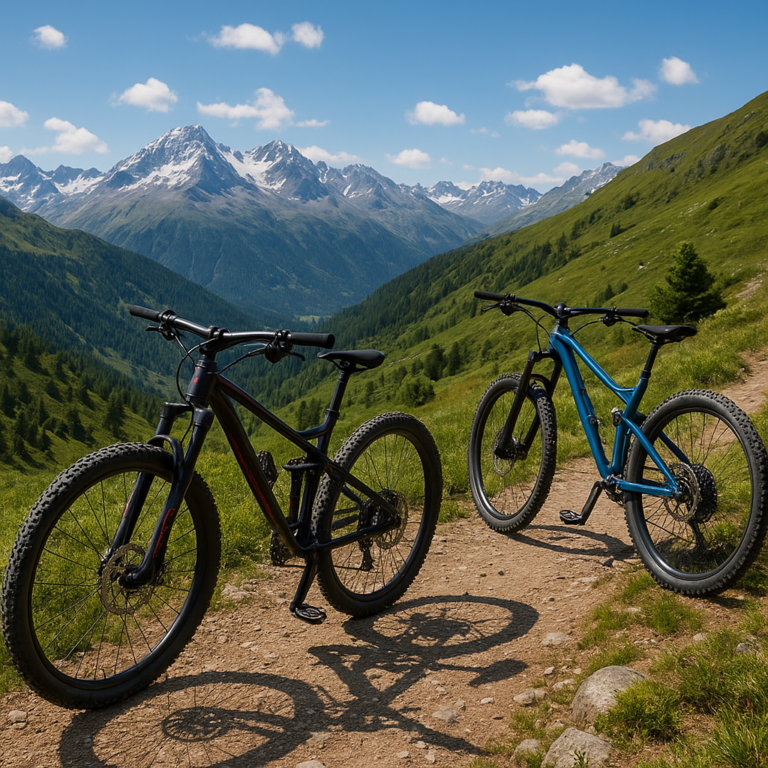
Mountain bikes are the Hummers of the bike world—ruged, tough, and ready to tackle anything. Here’s the breakdown:
| Type | Suspension | Terrain Focus | Weight | Best Use |
|---|---|---|---|---|
| Hardtail | Front suspension | Cross-country trails | Light | Speed and efficiency off-road |
| Full Suspension | Front & rear suspension | Technical trails | Heavier | Rough terrain, downhill, jumps |
| Dirt Jump | Rigid or minimal suspension | Urban jumps, park | Medium | Tricks and stunts |
Why suspension matters: It absorbs shocks, giving you control and comfort on bumpy trails.
Essential Gear and Safety Tips
- Helmet: A must-have for trail safety.
- Gloves and Pads: Protect your hands and joints.
- Hydration Pack: Stay fueled on long rides.
- Tires: Knobby, wide tires for grip.
Brands to watch: Cannondale, Santa Cruz, and Specialized lead the pack with innovative tech.
👉 CHECK PRICE on:
- Cannondale Mountain Bikes: Amazon | Walmart | Cannondale Official Website
- Santa Cruz Mountain Bikes: eBay | Santa Cruz Official Website
3. Hybrid Bikes: The Versatile All-Rounders
Why Choose a Hybrid Bike?
Hybrid bikes are the Honda Accords of cycling—reliable, versatile, and comfortable for a wide range of riders. They combine:
- Frame: Lightweight aluminum, sometimes steel for durability.
- Handlebars: Flat bars for an upright, comfortable posture.
- Tires: Medium-width tires (28-42mm) for mixed terrain.
- Gearing: Moderate gearing for city streets and light trails.
Our experience: Hybrids are perfect for commuting, fitness rides, and casual weekend adventures. They’re forgiving for beginners and practical for everyday use.
Top Hybrid Bike Brands to Consider
👉 CHECK PRICE on:
- Giant Hybrid Bikes: Amazon | Walmart | Giant Official Website
- Trek Hybrid Bikes: Amazon | Trek Official Website
- Specialized Hybrid Bikes: Amazon | Specialized Official Website
4. Cruiser Bikes: Classic Comfort and Style
Design and Comfort Features
Cruiser bikes are the vintage convertibles of the bike world—smooth, stylish, and made for laid-back rides. Key features include:
- Frame: Heavy steel or aluminum with a relaxed geometry.
- Handlebars: Wide, swept-back for an upright position.
- Tires: Wide balloon tires for cushioning.
- Saddle: Extra plush for comfort.
- Extras: Often come with fenders, chain guards, and sometimes a coaster brake.
Ideal Riding Scenarios for Cruiser Bikes
- Flat, paved surfaces like boardwalks and neighborhoods.
- Leisurely rides and short errands.
- Riders who prioritize comfort over speed.
Brands to check out: Electra, Firmstrong, and Sixthreezero.
👉 CHECK PRICE on:
- Electra Cruiser Bikes: Amazon | Walmart | Electra Official Website
- Firmstrong Cruiser Bikes: Amazon | Firmstrong Official Website
- Sixthreezero Cruiser Bikes: Amazon | Sixthreezero Official Website
🚲 Beyond the Big Four: Other Popular Bike Types Explained
Think the bike world stops at four? Nope! There’s a whole universe of specialized bikes that cater to niche needs:
- Gravel Bikes: Like road bikes but tougher, with wider tires for dirt and gravel paths. Perfect for adventure seekers.
- Touring Bikes: Built for carrying heavy loads on long trips, with sturdy frames and relaxed geometry.
- Electric Bikes (E-bikes): Bikes with motor assistance, great for commuting and tackling hills without breaking a sweat.
- Fixed-Gear and Track Bikes: Minimalist design, often single-speed, popular in urban settings and velodromes.
Each type has its own story and fan base. Curious about gravel or e-bikes? Check out our Gravel Bikes and Comuter Bikes guides for deep dives.
🔧 How to Choose the Right Bike for Your Riding Style and Needs
Picking your perfect bike can feel like dating—there’s chemistry, compatibility, and sometimes a little confusion. Here’s a step-by-step guide to help you find your match:
- Identify Your Riding Goals: Comuting, fitness, adventure, or leisure?
- Consider Terrain: Pavement, trails, mixed surfaces?
- Evaluate Comfort Needs: Aggressive posture or upright and relaxed?
- Set a Budget: Bikes come in all price ranges—know your limit.
- Test Ride: Nothing beats getting on the saddle to feel the vibe.
- Think About Accessories: Racks, lights, fenders, and locks.
- Check Frame Size: Proper fit is crucial for comfort and efficiency.
Our tip: Visit local bike shops for expert fitting and advice. Also, explore our Bike Brand Guides for brand-specific insights.
🛠️ Maintenance Tips to Keep Your Bike in Top Shape
A well-maintained bike is a happy bike! Here are some essentials to keep your ride smooth:
- Regular Cleaning: Dirt and grime wear down components.
- Lubricate the Chain: Use bike-specific lube to avoid rust and squeaks.
- Check Tire Pressure: Proper inflation improves efficiency and prevents flats.
- Brake Inspection: Ensure pads aren’t worn and brakes respond well.
- Gear Tuning: Smooth shifting saves energy and frustration.
- Annual Tune-Up: Professional service can catch hidden issues.
Pro tip: Keep a small repair kit with tire levers, spare tube, and a multi-tool on hand for emergencies.
💡 Common Myths About Different Bike Types Debunked
Let’s bust some myths that might be holding you back:
-
Myth: Road bikes are only for racers.
Truth: Many casual riders love road bikes for fitness and commuting. -
Myth: Mountain bikes are heavy and slow.
Truth: Modern mountain bikes can be surprisingly light and fast. -
Myth: Hybrid bikes are just “compromise” bikes.
Truth: They’re versatile and perfect for many everyday riders. -
Myth: Cruiser bikes are outdated.
Truth: They’re timeless classics for comfort and style.
Understanding these myths helps you make informed choices without bias.
🌍 Environmental and Health Benefits of Biking
Beyond fun and fitness, biking is a champion for the planet and your health:
- Zero Emissions: Bikes produce no pollution, reducing your carbon footprint.
- Cardiovascular Health: Regular cycling improves heart health and endurance.
- Mental Wellbeing: Riding outdoors reduces stress and boosts mood.
- Community Impact: Less traffic congestion and noise pollution.
- Cost Savings: Save on fuel, parking, and gym memberships.
According to the EPA, switching to biking for short trips can significantly cut greenhouse gases. So, every pedal stroke counts!
🏆 Our Expert Recommendations on the Best Bikes for Beginners and Pros
Whether you’re just starting or looking to upgrade, here are our top picks:
| Rider Level | Recommended Bike Type | Recommended Models | Why? |
|---|---|---|---|
| Beginner | Hybrid | Giant Escape, Trek FX, Specialized Sirus | Easy to ride, versatile, affordable |
| Intermediate | Road or Mountain | Trek Domane, Specialized Tarmac, Cannondale Trail | Performance-focused, durable |
| Advanced | Road, Mountain, or Gravel | Specialized S-Works, Santa Cruz Hightower, Cannondale Topstone | High-end tech, race-ready |
Remember, the best bike is the one that fits your lifestyle and makes you excited to ride.
📚 Recommended Links for Further Reading and Buying Guides
- Bike Brands™ – Bike Brand Guides
- Bike Brands™ – Bike Reviews
- Bike Brands™ – Bike Accessories
- Bike Brands™ – Gravel Bikes
- Bike Brands™ – Comuter Bikes
- Bicycle Safety Tips – NHTSA
- EPA – Benefits of Bicycling
❓ Frequently Asked Questions About the 4 Different Bikes
Q1: Can I use a mountain bike for city commuting?
✅ Absolutely! Mountain bikes handle potholes and curbs well, but they’re heavier and slower on pavement than hybrids or road bikes.
Q2: Are hybrid bikes good for long rides?
✅ Yes, especially if you prefer comfort over speed. Hybrids are great for 10-30 mile rides on mixed terrain.
Q3: What bike type is best for beginners?
✅ Hybrids are generally the best starting point due to their versatility and comfort.
Q4: Do cruiser bikes have gears?
❌ Most cruisers are single-speed, but some models include internal hub gears for easier pedaling.
Q5: How important is bike fit?
✅ Crucial! A proper fit prevents injuries and improves efficiency. Always get professionally fitted if possible.
For more FAQs, visit our Bike Brand Guides.
🔗 Reference Links and Credible Sources
- Trek Bikes Official Site
- Specialized Bikes Official Site
- Cannondale Bikes Official Site
- Santa Cruz Bicycles
- Environmental Protection Agency – Bicycling Benefits
- National Highway Traffic Safety Administration – Bicycle Safety
- Pinkbike – Mountain Bike Rim Widths (for tech enthusiasts)
- TrainerRoad – Cycling Cadence Efficiency
Conclusion

After cruising through the world of the 4 different bikes, it’s clear each type has its own unique personality and purpose. Whether you’re chasing speed on a road bike, conquering rugged trails with a mountain bike, enjoying versatile rides on a hybrid, or kicking back in style on a cruiser, there’s a perfect match for every rider.
Our confident recommendation: If you’re new to cycling or want a do-it-all ride, start with a hybrid bike like the Giant Escape or Trek FX. For focused performance, road and mountain bikes from Specialized or Cannondale offer cutting-edge tech and durability. And if comfort and style are your priorities, cruisers from Electra or Firmstrong will keep you smiling on every ride.
Remember, the best bike is the one that fits your lifestyle, terrain, and riding goals. Don’t hesitate to test ride multiple types and consult local experts. Your perfect bike is waiting to transform your rides into adventures.
Ready to roll? Check out our recommended shopping links below and explore further with trusted resources.
Recommended Links for Shopping and Further Exploration
-
Trek Road Bikes:
Amazon | Walmart | Trek Official Website -
Specialized Road Bikes:
Amazon | eBay | Specialized Official Website -
Cannondale Mountain Bikes:
Amazon | Walmart | Cannondale Official Website -
Santa Cruz Mountain Bikes:
eBay | Santa Cruz Official Website -
Giant Hybrid Bikes:
Amazon | Walmart | Giant Official Website -
Electra Cruiser Bikes:
Amazon | Walmart | Electra Official Website
Recommended Books on Biking
-
Zinn & the Art of Mountain Bike Maintenance by Lennard Zinn — A must-have for DIY bike care.
Amazon Link -
The Complete Bike Owner’s Manual by DK — Great for beginners wanting to understand all bike types and maintenance.
Amazon Link -
Bicycle Repair Manual by Chris Sidwells — Detailed guide for all skill levels.
Amazon Link
❓ Frequently Asked Questions About the 4 Different Bikes
What should I consider when choosing between different bike types?
Choosing the right bike depends on your riding goals, terrain, comfort preferences, and budget. Ask yourself: Are you commuting, racing, trail riding, or just cruising? For rough terrain, mountain bikes excel; for speed on pavement, road bikes shine; hybrids offer versatility; cruisers prioritize comfort. Also, consider frame size and test ride before buying.
How do electric bikes compare to traditional bikes?
Electric bikes (e-bikes) have a motor that assists pedaling, making hills and long distances easier. They’re heavier and costlier but great for commuting and reducing fatigue. Traditional bikes rely solely on rider power, offering simplicity and lighter weight. E-bikes open cycling to a broader audience but require battery maintenance.
What features distinguish touring bikes from other bicycles?
Touring bikes are designed for long-distance travel with heavy loads. They have sturdy frames, multiple mounting points for racks and panniers, relaxed geometry for comfort, and durable components. Unlike road or mountain bikes, touring bikes prioritize stability and carrying capacity over speed or ruggedness.
Which bike type is best for city commuting?
Hybrid bikes are often the best choice for city commuting due to their comfortable upright position, moderate tire width for varied surfaces, and versatile gearing. Some commuters prefer e-bikes for extra assistance. Road bikes can be fast but less comfortable; mountain bikes handle rough roads but are heavier.
What are the benefits of hybrid bikes compared to other types?
Hybrids blend the speed of road bikes with the durability of mountain bikes. They offer a comfortable riding posture, wider tires for stability, and versatility across pavement and light trails. Ideal for beginners and casual riders, hybrids are practical for fitness, commuting, and leisure.
How do road bikes differ from mountain bikes?
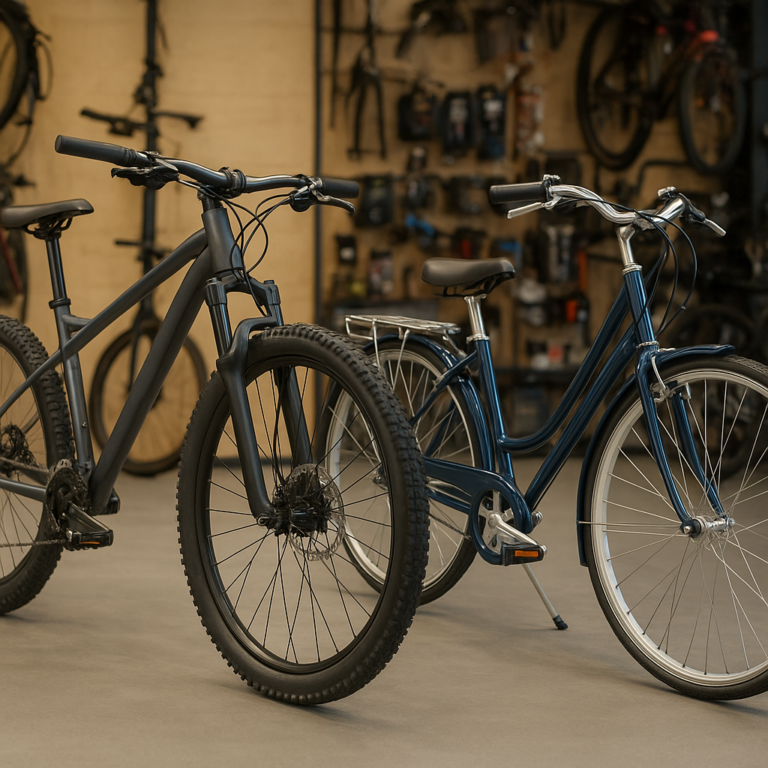
Road bikes are built for speed and efficiency on smooth pavement with lightweight frames, narrow tires, and drop handlebars. Mountain bikes are designed for off-road durability, featuring wide knobby tires, suspension systems, and flat handlebars for control on rough terrain.
What are the main types of bicycles for beginners?
For beginners, hybrid bikes are usually the best starting point due to their comfort and versatility. Some may start with cruisers for casual riding or mountain bikes if they plan to ride trails. Road bikes can be less forgiving for new riders due to aggressive geometry.
Are there bikes designed specifically for women?
Yes! Many brands offer women-specific bikes with adjusted frame geometry, shorter reach, narrower handlebars, and saddles designed for female anatomy. Brands like Specialized, Trek, and Giant have dedicated women’s lines to improve fit and comfort.
What factors should I consider when choosing a bike?
Consider your riding style, terrain, comfort preferences, budget, and fit. Also think about maintenance, accessories, and whether you want a bike for fitness, commuting, or recreation. Test rides and professional fittings are highly recommended.
Which type of bike is the easiest to ride?
Cruiser bikes are generally the easiest to ride due to their upright position, wide tires, and simple gearing. Hybrids are also easy and versatile. Road and mountain bikes require more skill and fitness, especially on technical terrain.
What is the difference between a hybrid and a mountain bike?
Hybrids are designed for mixed terrain and comfort, with moderate tires and upright handlebars. Mountain bikes are built for rough off-road trails, featuring suspension and knobby tires for grip and shock absorption.
What type of bike is best for long distance riding?
Road bikes and touring bikes are best for long distances. Road bikes offer speed and efficiency, while touring bikes provide comfort and load-carrying capacity for multi-day trips.
What is the most popular type of bike?
Globally, hybrid bikes are among the most popular due to their versatility. Road and mountain bikes also have large followings, especially among enthusiasts.
What are the 4 main types of bicycles?
The four main types are road bikes, mountain bikes, hybrid bikes, and cruiser bikes—each serving distinct riding styles and terrains.
What are the types of bikes?
Beyond the main four, there are gravel bikes, touring bikes, electric bikes, fixed-gear bikes, and more, each tailored for specific uses.
Are there 4 wheel bikes?
Yes, but they are specialized vehicles known as quadricycles or four-wheel bikes, used mostly for recreation or transport, not typical cycling.
What are the 4 types of mountain bikes?
The four common mountain bike types are cross-country (XC), trail, enduro, and downhill, each designed for different terrain and riding styles.
What is a 4 person bike called?
A bike built for four riders is called a quadruplet tandem or a quad tandem bike.
What are regular bicycles called?
Regular bicycles are often called standard bikes or simply bicycles; the term varies by context but usually refers to non-specialized bikes.
What is bike category 4?
In some classification systems, category 4 bikes refer to mountain bikes designed for technical downhill or freeride use, but definitions vary by region.
What different type of bikes are there?
There is a wide variety including road, mountain, hybrid, cruiser, gravel, touring, electric, fixed-gear, BMX, and more—each suited to different riders and terrains.
🔗 Reference Links and Credible Sources
- Trek Bikes Official Site
- Specialized Bikes Official Site
- Cannondale Bikes Official Site
- Santa Cruz Bicycles
- Environmental Protection Agency – Bicycling Benefits
- National Highway Traffic Safety Administration – Bicycle Safety
- TrainerRoad – Cycling Cadence: What Is It, What’s Most Efficient …
- Pinkbike – Mountain Bike Rim Widths