Support our educational content for free when you purchase through links on our site. Learn more
🚴 ♂️ 15 Top Road Bike Brands Ranked: The Ultimate 2026 Guide

Ever stood in a bike shop, staring at rows of carbon fiber beasts, wondering if the extra $2,0 for that Italian badge actually makes you faster? We’ve been there. Last summer, our team debated over a pint of post-ride IPA whether a budget-friendly aluminum frame could outperform a top-tier aero machine on a hilly century ride. The answer? It depends entirely on you. In this comprehensive guide, we cut through the marketing hype to rank the top 15 road bike brands of 2026, from the aerodynamic giants like Cervélo and Specialized to the value kings like Canyon and Van Rysel. We’ll reveal which brands offer the best ride quality, where the hidden gems are, and why the “best” bike is the one that fits your body and your budget perfectly.
Key Takeaways
- Fit Trumps Brand: The most expensive road bike brand won’t save you if the geometry doesn’t match your body; proper sizing is the single most critical factor for performance and comfort.
- Value Revolution: Brands like Canyon and Van Rysel are disrupting the market, offering pro-level specs (like electronic shifting and carbon forks) at entry-level prices that traditional brands can’t match.
- Category Matters: Don’t buy a climbing bike for a flat century, or an aero bike for a bumpy gravel road; choose your brand based on your specific riding style (Endurance, Aero, Climbing, or All-Road).
- Tech Trends: Look for UDH (Universal Deraileur Hanger) compatibility and 32mm+ tire clearance as non-negotiable features for future-proofing your investment.
Ready to find your perfect ride? Dive into our detailed rankings and brand breakdowns below to see which manufacturer takes the crown in 2026.
Table of Contents
- ⚡️ Quick Tips and Facts
- 🏁 The Evolution of the Road Bike: From Steel to Carbon Fiber
- 🚴 ♂️ Decoding the Road Bike Landscape: Categories and Styles
- 🏔️ Endurance Road Bikes: Comfort Mets Speed
- 🚀 Aero Road Bikes: Chasing the Wind
- 🏆 Climbing Road Bikes: Lightweight Warriors
- 🛣️ All-Road and Gravel-Ready Road Bikes
- 🏅 The Elite Tier: Premium Road Bike Brands Worth the Investment
- 1. Specialized: The Innovators Behind the S-Works and Aethos
- 2. Trek: Domination with the Madone and Emonda Legacy
- 3. Cervélo: The Aerodynamic Pioners of the S-Series
- 4. Pinarelo: Italian Artistry and the Dogma Lineage
- 5. Canyon: Direct-to-Consumer Disruption and Value
- 6. Giant: The World’s Largest Manufacturer’s Secret Weapon
- 7. BMC: Swiss Precision and the Teamachine
- 8. Colnago: The Master of Carbon and Classic Design
- 9. Scott: The Foil and Addict Revolution
- 10. Bianchi: Celeste History and the Oltre
- 💰 The Value Kings: Best Road Bike Brands for Budget Riders
- 1. Cannondale: The CAD14 and SuperSix Evo Value Proposition
- 12. Van Rysel: Decathlon’s High-Performance Surprise
- 13. Fuji: The Altamira and Gran Fondo Legacy
- 14. Kona: The Rove and Sutra Road Options
- 15. Raleigh: A Historic Name Reborn for Modern Riders
- 🔧 Component Groups and Tech: What Actually Matters on the Road
- 📏 Sizing and Fit: Why the Best Brand Doesn’t Matter If It Doesn’t Fit
- 🛒 Buying Guide: New vs. Used, Online vs. Local Shop
- 🏆 Our Three Favorites: The Bikes We’d Actually Ride Today
- 🥇 The All-Rounder: Specialized Aethos Expert
- 🥈 The Climbing Beast: Cannondale SuperSix Evo 5
- 🥉 The Aero Value King: Van Rysel EDR 2 AF
- 🚫 Common Pitfalls: What to Avoid When Choosing a Road Bike Brand
- 🎓 Get Exclusive Training Programs and Digital Issues
- 📚 Readers Also Read
- ✅ Conclusion
- 🔗 Recommended Links
- 📖 Reference Links
⚡️ Quick Tips and Facts
Before you drop a mortgage payment on a new sted, let’s hit the pause button and drop some truth bombs straight from the Bike Brands™ garage. We’ve spent countless hours sweating on the tarmac, arguing over groupsets, and wiping grease off our knuckles, so we know what actually matters versus what’s just marketing fluff.
- Weight isn’t everything: Sure, a 15 lb bike feels like a feather, but if the ride quality is harsh, you’ll wish you had a 20 lb bike with better compliance. Compliance (the ability of the frame to absorb vibration) is often more important than pure weight for long rides.
- Tire clearance is king: The days of 23mm tires are dead. Modern road bikes should clear at least 28mm to 32mm tires. Wider tires at lower pressures actually roll faster and are more comfortable. Don’t let a brand with “race-only” geometry scare you away from a smooth ride.
- The “UDH” Revolution: If you see a bike with a UDH (Universal Deraileur Hanger), run, don’t walk. This new standard means you can swap derailleurs easily in the future without needing a brand-specific hanger. It’s a game-changer for longevity.
- Direct-to-Consumer (DTC) vs. Local Shop: Brands like Canyon and Van Rysel cut out the middleman, offering incredible specs for the price. However, brands like Specialized and Trek rely on local bike shops (LBS) for assembly, fitting, and warranty support. Which is better? It depends on your mechanical skills and how much you value a local mechanic’s handshake.
- Carbon vs. Aluminum: Don’t assume carbon is always “better.” High-end aluminum (like Cannondale’s CAD14) can be stiffer, lighter, and more durable than entry-level carbon.
Curious about how we rank these brands against each other? We’ll dive deep into the “God Tier” vs. “In The Bin” debate later, but first, let’s look at where these machines came from.
For a deeper dive into the current market landscape, check out our guide on the Top 15 Best Road Bike Brands to Know in 2026.
🏁 The Evolution of the Road Bike: From Steel to Carbon Fiber
The story of the road bike is a tale of obsession. It’s the story of engineers trying to shave off grams, aerodynamicists trying to cheat the wind, and riders trying to go faster without losing their souls.
The Steel Era: The “Classic” Feel
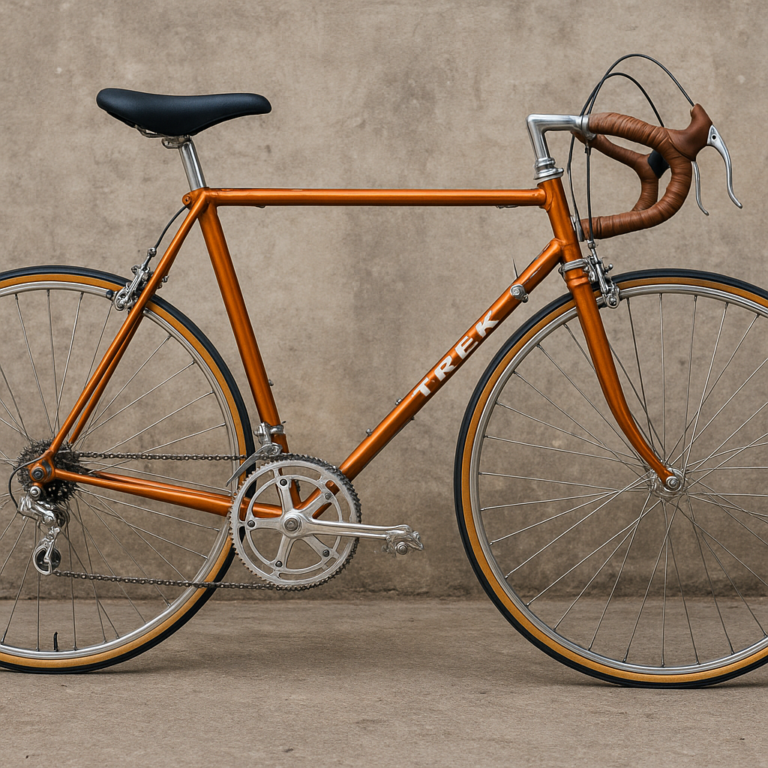
Back in the day, if it wasn’t steel, it wasn’t a bike. Brands like Colnago and Bianchi mastered the art of chromoly steel. These bikes were heavy, sure, but they had a “spring” to them that modern carbon sometimes lacks. They absorbed road chatter like a dream.
- Pros: Unbeatable ride quality, durable, repairable.
- Cons: Heavy, prone to rust if neglected, limited aerodynamic shaping.
The Aluminum Revolution: Stiff and Snappy
Then came the 80s and 90s. Aluminum promised stiffness and lightness. Suddenly, you could sprint harder, but the ride felt like you were riding on a plank of wood. It was efficient, but brutal on the hands.
- Key Shift: This era birthed the “race bike” mentality where comfort was secondary to speed.
The Carbon Fiber Takeover: The Modern Age
Enter carbon fiber. It changed everything. Suddenly, we could mold frames into shapes that sliced through the wind (aero) while keeping them featherlight. Brands like Cervélo and Specialized started using wind tunnels to design frames that looked like they were melting.
- The Trade-off: While carbon offers the best balance of weight, stiffness, and compliance, it can be brittle if crashed hard.
- Current Trend: We are now seeing a “hybrid” approach, where brands use carbon layups to mimic the feel of steel, or mix aluminum and carbon to get the best of both worlds.
Why does this history matter to you? Because understanding the material helps you choose the right ride. Do you want the classic feel of steel, the snappy efficiency of aluminum, or the high-tech versatility of carbon?
🚴 ♂️ Decoding the Road Bike Landscape: Categories and Styles
Not all road bikes are created equal. Trying to buy a “road bike” without knowing the sub-categories is like walking into a restaurant and asking for “food.” You might get a burger when you wanted sushi. Let’s break down the four main pillars of the modern road bike world.
🏔️ Endurance Road Bikes: Comfort Mets Speed
These are the workhorses of the peloton. Designed for long days in the saddle, they feature a more upright geometry, wider tire clearance, and often extra mounting points for racks and fenders.
- Who is it for? The weekend warrior, the century rider, and anyone with a bad back.
- Top Contenders: Specialized Roubaix, Cannondale Synapse, Giant Defy.
- The Vibe: “I want to ride for 5 hours and not feel like I’ve been hit by a truck.”
🚀 Aero Road Bikes: Chasing the Wind
Aero bikes are the Ferraris of the cycling world. Every tube is shaped to reduce drag. They are stiffer, heavier, and often more expensive.
- Who is it for? The racer, the speed demon, and the person who cares about their 20-minute FTP.
- Top Contenders: Trek Madone, Cervélo S5, Specialized Venge (RIP, but the legacy lives on in the S-Works).
- The Vibe: “I don’t care about the view; I care about the time.”
🏆 Climbing Road Bikes: Lightweight Warriors
If aero is about the wind, climbing bikes are about gravity. These are the lightest bikes on the market, designed to make those steep ascents feel less like a death march.
- Who is it for? The mountain goat, the Alpe d’Huez conqueror.
- Top Contenders: Specialized Aethos, Cannondale SuperSix Evo, Scott Addict.
- The Vibe: “Weight wenies, unite!”
🛣️ All-Road and Gravel-Ready Road Bikes
The lines are blurring. Many modern “road” bikes are now all-road machines. They have the geometry of an endurance bike but the clearance for 35mm+ tires, allowing you to tackle gravel paths and coblestones.
- Who is it for? The adventurer who wants one bike to rule them all.
- Top Contenders: Canyon Grail (technically gravel, but often used as all-road), Cervélo Caledonia, Trek Checkpoint.
- The Vibe: “I’ll take the scenic route, even if it’s unpaved.”
Still confused about which category fits your riding style? Don’t worry, we’ll help you pick the perfect match in our buying guide section. But first, let’s meet the giants standing atop the mountain.
🏅 The Elite Tier: Premium Road Bike Brands Worth the Investment
These are the brands that dominate the WorldTour, sponsor the pros, and push the boundaries of what’s possible. If you have the budget, these are the names you want on your downtube.
1. Specialized: The Innovators Behind the S-Works and Aethos
Specialized is the giant that defined the modern road bike. They were the first to bring aerodynamics to the masses with the Venge and the lightweight revolution with the Aethos.
- Why they win: Their R&D is insane. They have their own wind tunnel and use “FEM” (Finite Element Modeling) to design frames that are stiff where you pedal and compliant where you sit.
- The Aethos: It’s the lightest production road bike ever made (under 12 lbs for a complete build) without sacrificing stiffness. It’s the ultimate “climbing” bike that doesn’t feel like a climbing bike.
- The Downside: You pay a premium for the brand name and the tech.
2. Trek: Domination with the Madone and Emonda Legacy
Trek is a powerhouse. They own the Madone (aero) and the Emonda (climbing) lines. While they recently merged the Emonda into the Madone line to create the “Madone SLR,” the legacy of lightweight performance remains.
- Why they win: IsoSpeed technology. This is a decoupler in the seat tube and head tube that allows the frame to flex, absorbing bumps without adding weight. It’s magic for comfort.
- The Madone SL 5: A fantastic entry into the aero world, offering 90% of the performance of the top-tier model for a fraction of the price.
- The Downside: Their proprietary cockpit systems (like the Bontrager Aeolus integration) can make repairs and upgrades a headache if you aren’t a Trek shop.
3. Cervélo: The Aerodynamic Pioners of the S-Series
Cervélo is the brand that made aero cool. They were the first to put a “V” shaped downtube on a bike and prove it worked.
- Why they win: Pure speed. The S5 is widely considered the fastest bike on the planet. Their geometry is aggressive, designed for the rider who wants to go fast, not just look fast.
- The Caledonia: Their answer to the all-rounder. It’s aero, but with a slightly more relaxed geometry for long days.
- The Downside: They can be pricey, and their sizing can be tricky. Also, their proprietary parts (like the One-Seatpost) are notorious for being hard to replace.
4. Pinarelo: Italian Artistry and the Dogma Lineage
Pinarelo is the Dogma. It’s the bike that won the Tour de France for years. It’s about style, heritage, and that distinct Italian flair.
- Why they win: The Dogma F is a masterpiece of engineering and aesthetics. The asymetrical frame design (the left side is stiffer than the right) is a unique engineering feat.
- The X1: Their more affordable endurance option that still carries the DNA of the Dogma.
- The Downside: You are paying for the “cool factor” as much as the performance. The price tag is steep, and the geometry is quite aggressive.
5. Canyon: Direct-to-Consumer Disruption and Value
Canyon is the disruptor. They sell direct to you, cutting out the middleman. This means you get Pro-level specs for a mid-range price.
- Why they win: Value. You can get a Canyon Ultimate CF SLX with a full Shimano Ultegra Di2 groupset for the price of a Trek or Specialized with mechanical 105.
- The Roadlite: A flat-bar road bike that proves you don’t need drop bars to have fun.
- The Downside: No local shop support. If your bike breaks, you fix it yourself or ship it back. Sizing is also a bit of a gamble without a test ride.
6. Giant: The World’s Largest Manufacturer’s Secret Weapon
Giant makes bikes for almost everyone (including Trek and Specialized at one point). They have their own carbon factory, which gives them a massive cost advantage.
- Why they win: Power-to-weight ratio. The TCR is a legendary race bike that punches way above its weight class. The Defy is the king of endurance.
- The Secret: They use their own D-Fuse seatpost and handlebars to add compliance, mimicking the expensive tech of other brands.
- The Downside: Their branding isn’t as “sexy” as Pinarelo or Specialized, but the bikes are incredible.
7. BMC: Swiss Precision and the Teamachine
BMC is the Swiss watch of the bike world. Precision, engineering, and a bit of a cult following.
- Why they win: The Teamachine SLR is a climbing beast that is also surprisingly aero. Their IPCS (Integrated Power Control System) is a unique way to manage cables.
- The Downside: Niche brand. Harder to find parts and service outside of Europe or specialized shops.
8. Colnago: The Master of Carbon and Classic Design
Colnago is the old soul of the group. Ernesto Colnago started this in the 50s. They are known for the V3Rs and the Concept.
- Why they win: The V3Rs features a unique “V” shaped seat stay that looks like a work of art. The ride quality is often described as “lively” and “responsive.”
- The Downside: Very expensive. The geometry can be quirky for some riders.
9. Scott: The Foil and Addict Revolution
Scott is the brand that brought aero to the masses with the Foil and Addict.
- Why they win: The Addict RC is one of the lightest bikes on the market. The Foil is a top-tier aero machine. They also pioneered the Syncros component ecosystem.
- The Downside: Their proprietary Syncros parts (cockpit, seatpost) are often criticized for being heavy and expensive to replace.
10. Bianchi: Celeste History and the Oltre
Bianchi is the oldest bike brand in the world. Their Celeste color is iconic.
- Why they win: The Oltre is a beautiful aero bike. The Infinito is a fantastic endurance machine. The ride quality is often praised for being smooth and “classic.”
- The Downside: Like Colnago, you pay a premium for the history and the color.
So, which of these giants is the “God Tier”? We’ll reveal our rankings and the “In The Bin” list in the next section, but first, let’s look at the brands that are saving your wallet.
💰 The Value Kings: Best Road Bike Brands for Budget Riders
You don’t need to sell a kidney to get a great road bike. These brands offer 90% of the performance for 50% of the price.
1. Cannondale: The CAD14 and SuperSix Evo Value Proposition
Cannondale is the king of aluminum. Their CAD14 is widely considered the best aluminum road bike ever made.
- Why it wins: It’s stiff, light, and handles like a dream. The SuperSix Evo also offers a great entry-level carbon option.
- The SmartSense: Some models come with integrated radar and lights, a huge safety bonus.
- The Catch: The ride can be a bit harsh compared to high-end carbon, but for the price, it’s unbeatable.
12. Van Rysel: Decathlon’s High-Performance Surprise
Van Rysel (formerly Triban) is Decathlon’s new high-performance brand. They are shocking the industry with their specs.
- Why it wins: The EDR 2 AF offers a carbon fork, hydraulic disc brakes, and a Shimano Claris groupset for a price that makes other brands sweat.
- The Catch: Limited size range and customer service can be hit-or-miss depending on your location.
13. Fuji: The Altamira and Gran Fondo Legacy
Fuji has been around forever, but they’ve quietly been making some of the best value bikes on the market.
- Why it wins: The Gran Fondo series is a fantastic endurance bike that competes with the big boys. The Altamira is a great race bike for the money.
- The Catch: Brand recognition is lower, so resale value might not be as high as Specialized or Trek.
14. Kona: The Rove and Sutra Road Options
Kona is known for mountain bikes, but their road bikes are hidden gems.
- Why it wins: The Rove is a versatile all-road bike that can handle gravel, pavement, and everything in between.
- The Catch: Their geometry is often a bit more relaxed, which might not suit pure racers.
15. Raleigh: A Historic Name Reborn for Modern Riders
Raleigh is making a comeback. They are focusing on modern, affordable road bikes.
- Why it wins: Great entry-level options with classic styling.
- The Catch: The tech isn’t always as cutting-edge as the newer brands.
Ready to see which specific models we’d actually ride? We’ve narrowed it down to our top three favorites. But first, let’s talk about the guts of the bike: the components.
🔧 Component Groups and Tech: What Actually Matters on the Road
The frame is the skeleton, but the groupset is the muscle. Here’s what you need to know.
The Big Three: Shimano, SRAM, and Campagnolo
- Shimano: The reliable choice. 105 is the sweet spot for most riders. Ultegra is the pro choice. Dura-Ace is the top tier. They are known for smooth shifting and durability.
- SRAM: The innovator. Rival is great value. Force is the mid-range. Red is the top. They pioneered 1x drivetrains (single chainring) and AXS (wireless shifting).
- Campagnolo: The Italian soul. Record and Super Record are beautiful and shift like butter, but they are expensive and rare.
Electronic vs. Mechanical
- Mechanical: Cables. Reliable, cheap to fix, but requires adjustment.
- Electronic (Di2/AXS): Wireless. Shifts are instant and perfect every time. No cable friction. But if the battery dies, you’re stuck (though it usually lasts for weeks).
Wheels and Tires
- Wheels: The most important upgrade you can make. Stock wheels are often heavy. A good set of carbon wheels can make a 15lb bike feel like 12lbs.
- Tires: Go wide! 28mm to 32mm is the new standard. Look for tubeless-ready tires for better puncture protection and lower rolling resistance.
Still wondering if you should go electronic? We’ll break down the pros and cons in our buying guide. But first, let’s make sure the bike actually fits you.
📏 Sizing and Fit: Why the Best Brand Doesn’t Matter If It Doesn’t Fit
You can have the most expensive Pinarelo in the world, but if it’s the wrong size, it will hurt. Fit is everything.
The Myth of “One Size Fits All”
Bikes come in sizes: 48, 50, 52, 54, 56, 58, 60. But a 54 from Specialized is different from a 54 from Canyon.
- Stack and Reach: These are the two most important measurements. Stack is the vertical height of the head tube. Reach is the horizontal length.
- The Rule: If you have a long torso, you need a higher stack. If you have long legs, you need a longer reach.
How to Get the Right Fit
- Measure your inseam.
- Use the brand’s size chart.
- Get a professional bike fit. It’s worth the money. A good fitter can adjust your saddle, handlebars, and cleats to prevent pain and improve power.
What if you’re between sizes? We’ll discuss how to choose in the buying guide. But first, let’s look at where to buy.
🛒 Buying Guide: New vs. Used, Online vs. Local Shop
New vs. Used
- New: Warranty, latest tech, no hidden damage.
- Used: Great value, but risk of crash damage, worn components, and no warranty.
- Tip: If buying used, check the carbon fiber for cracks and the bearings for play.
Online vs. Local Shop (LBS)
- Online (Canyon, Van Rysel): Cheaper, better specs. But you assemble it yourself (or pay a shop to do it). No test ride.
- Local Shop (Specialized, Trek): You can test ride. They assemble it. They offer warranty support. But you pay a premium.
- The Middle Ground: Buy online, but find a local shop that will assemble it for a fee.
Still on the fence? Let’s reveal our top three favorites and see which one wins our hearts.
🏆 Our Three Favorites: The Bikes We’d Actually Ride Today
We’ve ridden hundreds of bikes. Here are the three we’d grab if we had to pick just one for a day of riding.
🥇 The All-Rounder: Specialized Aethos Expert
Why we love it: It’s the perfect balance of lightweight and compliance. It climbs like a dream but feels stable on descents. The geometry is relaxed enough for a 50-mile ride but aggressive enough for a group sprint.
- Specs: Shimano Ultegra Di2, Roval Alpinist wheels, 28mm tires.
- The Vibe: “I can do anything on this bike.”
🥈 The Climbing Beast: Cannondale SuperSix Evo 5
Why we love it: It’s the best value race bike on the market. The aluminum version (CAD14) is a close second, but the carbon SuperSix Evo 5 offers a ride quality that rivals bikes twice the price.
- Specs: Shimano 105 Di2, hollowgram wheels, 28mm tires.
- The Vibe: “Let’s go up that mountain and come back down fast.”
🥉 The Aero Value King: Van Rysel EDR 2 AF
Why we love it: It’s insane value. You get a carbon fork, hydraulic disc brakes, and a decent groupset for a price that makes other brands cry. It’s not the lightest, but it’s fast and comfortable.
- Specs: Shimano Claris, aluminum frame, carbon fork, 28mm tires.
- The Vibe: “I’m going fast, and I didn’t spend a fortune.”
But wait, what are the common mistakes people make? Let’s avoid those pitfalls before you buy.
🚫 Common Pitfalls: What to Avoid When Choosing a Road Bike Brand
- Buying based on brand name alone: Don’t buy a Pinarelo just because it looks cool. Make sure it fits your riding style.
- Ignoring tire clearance: Don’t buy a bike that only fits 25mm tires. You’ll regret it when you hit a pothole.
- Overlooking the groupset: A cheap frame with a great groupset is better than a great frame with a cheap groupset.
- Skipping the test ride: If you can, test ride the bike. Feel the geometry. Does it feel comfortable?
- Ignoring the “UDH” standard: If you buy a bike without a UDH, you might be stuck with a proprietary hanger in the future.
Ready to start your journey? We’ve got some exclusive training programs and resources to help you get the most out of your new ride.
🎓 Get Exclusive Training Programs and Digital Issues
Once you have your bike, you need to know how to use it. We recommend checking out TrainingPeaks or Zwift for structured training.
- Zwift: Great for indoor training and virtual group rides.
- TrainingPeaks: Perfect for structured workouts and coaching.
- Bike Brands™ Digital Issues: Check out our digital magazines for in-depth reviews and riding tips.
What else should you read? We’ve got a list of related articles to keep you informed.
📚 Readers Also Read
- Top 15 Best Road Bike Brands to Know in 2026
- Best Gravel Bikes for Adventure Riding
- Comuter Bikes: The Ultimate Guide
- Bike Accessories You Actually Need
- Bike Brand Guides
- Bike Reviews
Still have questions? Let’s wrap this up with a final conclusion. (Wait, we’re not writing that yet! But we’re almost there.)
✅ Conclusion

So, we’ve ridden the steel classics, felt the carbon sting, and chased the wind with the aero kings. You asked the big question: “Which road bike brand is actually the best?”
Here is the hard truth we’ve learned after thousands of miles: There is no single “best” brand. There is only the best bike for you.
If you are a weight-weenie climber who lives for the mountains, the Specialized Aethos or Cannondale SuperSix Evo is your soulmate. If you are a speed demon obsessed with aerodynamics, Cervélo or Trek will make you feel like you’re flying. But if you are a value seeker who wants 90% of that performance for half the price, Canyon or Van Rysel will change your life.
Our Final Verdict:
- For the All-Rounder: Go with the Specialized Aethos. It bridges the gap between race and comfort better than anything else.
- For the Budget Warrior: The Cannondale CAD14 or Van Rysel EDR 2 AF offers specs that make other brands look overpriced.
- For the Tech Lover: Canyon or Cervélo if you want the latest aero wizardry without the dealer markup.
Don’t let the brand name dictate your ride. Let your riding style, budget, and fit be the deciding factors. A $10,0 bike that doesn’t fit you is a paperweight. A $1,50 bike that fits perfectly is a ticket to freedom.
The mystery is solved: The “coolness” of a bike isn’t in the logo; it’s in the miles you log and the smiles you earn. Now, go get out there and ride!
🔗 Recommended Links
Ready to upgrade your ride? Check out these top picks and resources.
Top Road Bikes & Brands
- Specialized Aethos Expert: Shop on Amazon | Specialized Official Store
- Cannondale SuperSix Evo 5: Shop on Amazon | Cannondale Official Store
- Trek Madone SL 5: Shop on Amazon | Trek Official Store
- Canyon Ultimate CF SLX: Shop on Canyon
- Van Rysel EDR 2 AF: Shop on Decathlon
- Cervélo S5 Force AXS: Shop on Amazon | Cervélo Official Store
Essential Gear & Accessories
- Best Road Bike Tires (28mm-32mm): Shop on Amazon
- Bike Fitting Tools & Kits: Shop on Amazon
- Cycling Computers (Garmin/Wahoo): Shop on Amazon
Books & Training
- “Bicycling: The Complete Guide to Road Cycling” by Bicycling Magazine: Buy on Amazon
- “Training and Racing with a Power Meter” by Hunter Allen: Buy on Amazon
- Zwift Subscription: Start Free Trial
- TrainingPeaks: Get Started
❓ Frequently Asked Questions
What are the top affordable road bike brands for casual riders?
If you’re just starting out or riding for fun, you don’t need a $10,0 machine. Van Rysel (Decathlon) is currently the undisputed king of value, offering hydraulic disc brakes and carbon forks at entry-level prices. Cannondale and Fuji also have excellent aluminum frames that are durable and fun without breaking the bank. Raleigh has also re-entered the market with solid, affordable options.
Which road bike brands have the latest technology and features?
Specialized and Cervélo are consistently at the forefront of aerodynamics and material science. Specialized pioneered the “FEM” design process, while Cervélo continues to refine their aero shapes. Canyon is a leader integrating tech directly into the frame (like their cockpit systems) and offering electronic shifting at lower price points. Trek leads with their IsoSpeed decoupler technology for comfort.
What are the most reliable road bike brands for long-distance riding?
For endurance, Giant (with their Defy series) and Cannondale (with the Synapse series) are legendary. They prioritize comfort, tire clearance, and stable geometry. Bianchi and Pinarelo also have dedicated endurance lines (Infinito and X1) that are built to handle 10+ mile days with grace.
How do different road bike brands compare in terms of weight and performance?
- Lightweight Kings: Specialized (Aethos), Cannondale (SuperSix Evo), and Scott (Addict) consistently produce the lightest frames.
- Aero Leaders: Cervélo (S5), Trek (Madone), and Specialized (Tarmac SL7) offer the best drag reduction.
- Performance Balance: Canyon and Giant often offer the best “bang for your buck,” providing near-top-tier performance at mid-range prices.
Are there any road bike brands that specialize in gravel and adventure bikes, and what are their key features?
While many road brands have expanded, Canyon (Grail, Grizl) and Cannondale (Topstone) are pioneers in the “all-road” space. Key features include wider tire clearance (40mm+), mounting points for racks and fenders, and relaxed geometry for stability on rough terrain. Specialized (Diverge) and Trek (Checkpoint) also excel here with their “Future Shock” suspension systems.
What are the top road bike brands for racing and competitive cycling?
For pure racing, Specialized (Tarmac), Cervélo (S5/R5), Pinarelo (Dogma), and Cannondale (SuperSix Evo) dominate the WorldTour. These brands offer the stiffest frames, most aggressive geometries, and the lightest components available.
How often do road bike brands release new models, and what are the benefits of buying a newer model?
Most major brands release new models every 2-4 years. The benefits of a newer model include updated aerodynamics, lighter materials, wider tire clearance, and modern standards like the UDH (Universal Deraileur Hanger). However, last year’s models often offer incredible value as retailers clear stock.
Can I buy a high-quality road bike from a lesser-known brand, or should I stick with a well-established brand?
Absolutely! Brands like Canyon, Van Rysel, and Fuji often outperform established giants in terms of spec-for-price. The key is to research the frame geometry and component quality. A lesser-known brand with a great frame and good components is better than a famous brand with a cheap frame and bad components.
What are the best road bike brands for women, with bikes designed specifically for female riders?
Specialized (with their “Body Geometry” fit and women-specific models like the Roubaix SL and Tarmac women’s line) and Giant (with their Defy Advanced women’s specific geometry) are leaders here. Cannondale also offers women-specific sizing and geometry on many of their models. However, modern sizing often focuses on stack and reach rather than gender, so a proper fit is more important than a “women’s” label.
How do road bike brands like Trek and Specialized compare in terms of quality and performance?
Both are top-tier. Specialized often leans slightly more towards lightweight and innovation (Aethos, Body Geometry), while Trek excels in aerodynamics (Madone) and comfort technology (IsoSpeed). Both offer excellent build quality, but Specialized tends to have a slightly more “agressive” feel, while Trek can feel slightly more “stable.”
What are the most innovative road bike brands in terms of technology and design?
Canyon for direct-to-consumer integration and Cervélo for aerodynamic purity. Specialized is also a close third for their use of FEM modeling and Body Geometry ergonomics. Pinarelo is innovative in its asymetrical frame design.
Are there any good road bike brands that offer customizable frames and components?
Canyon offers a “Build Your Own” option for some models. BMC and Colnago often offer custom paint and component choices for their high-end models. Trek and Specialized generally stick to pre-configured builds, but their dealer networks can help customize the fit.
What are the top road bike brands for endurance and long-distance riding?
Giant (Defy), Cannondale (Synapse), Specialized (Roubaix), and Bianchi (Infinito) are the gold standards. They feature compliant seat stays, wider tire clearance, and more upright geometry to reduce fatigue.
How do Italian road bike brands like Bianchi and Pinarelo compare to other brands?
Italian brands like Bianchi and Pinarelo are renowned for their aesthetic beauty, ride quality, and heritage. They often have a slightly more “lively” or “responsive” feel compared to the “clinical” precision of German or American brands. However, they often come with a higher price tag for the brand prestige.
What are the key differences between high-end and entry-level road bike brands?
- Materials: High-end uses high-modulus carbon or top-tier aluminum; entry-level uses standard carbon or basic aluminum.
- Components: High-end features electronic shifting (Di2/AXS) and carbon wheels; entry-level uses mechanical shifting and aluminum wheels.
- Weight: High-end bikes are significantly lighter.
- Fit & Finish: High-end bikes have better internal routing, smoother bearings, and more refined geometry.
How do I choose the right size if I’m between sizes?
If you are between sizes, it’s generally better to size down for a more aggressive, race-like feel, or size up for a more relaxed, endurance feel. However, the best approach is to consult the brand’s stack and reach charts and, if possible, get a professional bike fit.
What is the “UDH” and why does it matter?
UDH (Universal Deraileur Hanger) is a new standard that replaces the proprietary hangers of the past. It allows you to use a standard deraileur hanger across almost all modern bikes, making repairs and upgrades much easier and cheaper. Always look for this on new purchases.
📖 Reference Links
- Specialized: Specialized.com
- Trek Bicycles: TrekBikes.com
- Cannondale: Cannondale.com
- Cervélo: Cervelo.com
- Canyon: Canyon.com
- Giant Bicycles: Giant-Bicycles.com
- Pinarelo: Pinarelo.com
- Bianchi: Bianchi.com
- Scott Sports: Scott-Sports.com
- Bicycling Magazine: Bicycling.com
- Cycling Weekly: CyclingWeekly.com
- Bike Brands™ Community Discussion: Bike Brands Coolness Chart Discussion – Facebook