Support our educational content for free when you purchase through links on our site. Learn more
🚴 ♀️ 7 Top Women-Specific Bicycle Design Brands (2026)

Remember the days when a “women’s bike” was just a men’s frame painted pink and shrunk down? Those days are long gone, replaced by a revolution in anatomical engineering and tailored geometry. At Bike Brands™, we’ve ridden everything from the early “pink it and shrink it” prototypes to the cutting-edge, ground-up designs of today, and the difference is night and day. But with major giants like Specialized and Trek pivoting back to unisex frames, you might be wondering: Where do you go to find a bike truly built for the female form?
In this deep dive, we’re uncovering the 7 top women-specific bicycle design brands that are still pushing the envelope in 2026. We’ll reveal why Liv Cycling remains the undisputed king of dedicated design, how Juliana dominates the trails with Santa Cruz DNA, and why a “unisex” frame from Canyon might actually be your perfect fit thanks to their smart 650b wheel sizing. Whether you’re a gravel grinder, a trail shredder, or a road racer, we’ve got the data, the anecdotes, and the final verdicts to help you stop compromising and start riding.
Key Takeaways
- Design Philosophy Matters: True women-specific brands like Liv Cycling design frames from the ground up based on female physiology, while others focus on customizable unisex frames with women-specific contact points.
- Fit Trumps Labels: The most critical factor is individual fit; a well-fitted unisex bike with swapped components can often outperform a poorly fitted “women’s” frame.
- Top Contenders: Our top picks include Liv for dedicated geometry, Juliana for high-performance MTB, Canyon for value and smart sizing, and Specialized/Trek for their extensive component customization options.
- Component Upgrades are Non-Negotiable: Regardless of the frame, investing in a women-specific saddle, narrower handlebars, and appropriate crank lengths is essential for comfort and power transfer.
Ready to find your perfect ride?
- 👉 Shop Women’s Road Bikes: Amazon | Liv Cycling
- 👉 Shop Women’s Mountain Bikes: Amazon | Juliana Bicycles
- 👉 Shop Women’s Gravel Bikes: Amazon | Canyon
Table of Contents
- ⚡️ Quick Tips and Facts
- 📜 The Evolution of Women-Specific Bicycle Design: From “Pink It and Shrink It” to True Engineering
- 🚴 ♀️ Why Women Need More Than Just a Smaller Frame: Anatomy Mets Aerodynamics
- 🏆 Top Women-Specific Bicycle Design Brands Leading the Charge
- 🔍 Decoding the Differences: Frame Geometry, Contact Points, and Component Tuning
- 🛠️ Sizing Matters: How to Find the Perfect Women’s Bike Fit
- 🚵 ♀️ Riding Styles Uncovered: Choosing the Right Women’s Bike for Your Terrain
- 💡 Common Myths vs. Reality: What the Data Actually Says About Women’s Bikes
- 🛒 Ready for More? Expert Buying Guide and Final Verdicts
- 🎓 Conclusion
- 🔗 Recommended Links
- ❓ FAQ
- 📚 Reference Links
⚡️ Quick Tips and Facts
Hey there, fellow riders! 👋 We at Bike Brands™
are stoked to dive into a topic that’s often debated, sometimes misunderstood, but always crucial for a fantastic ride: women-specific bicycle design. Forget the old “pink it and shrink it” days; modern engineering has come a long way
, and we’re here to cut through the noise. For a broader look at the brands shaping our rides, check out our comprehensive guide to Bike Brands.
Here are some quick facts to get your wheels spinning:
- It’s Not Just About Gender: While historical women-specific designs focused on perceived average differences, the industry is increasingly recognizing that individual fit trumps gender labels
. Think of it as tailoring – everyone deserves a perfect fit! - Contact Points Are Key: Often, the most significant differences between a “unisex” bike and one marketed as “women-
specific” lie in the contact points: saddles, handlebars, and sometimes crank lengths. These are crucial for comfort and control. - Liv Cycling Leads the Charge: While many major brands have moved away from dedicated women-specific lines,
Liv Cycling (Giant’s sister brand) remains committed to designing bikes from the ground up for women’s physiology, using extensive data and research. - Geometry Matters,
But So Does Component Swapping: Some women-specific frames historically featured geometries like taller headtubes and shorter reach, which could be problematic for performance riders. However, many riders can achieve an optimal fit on a
unisex frame by simply swapping out components. - Smaller Wheels for Smaller Riders: For smaller frame sizes (think XXS or XXXS), some brands like Canyon utilize 650b wheels instead of the standard 70
0c to maintain consistent handling characteristics. This isn’t just for women; it’s about optimizing the ride for smaller individuals, regardless of gender. - Power Distribution Differs: Research suggests women tend to generate more power
from their lower bodies, influencing optimal weight distribution and frame stiffness requirements. This is a fascinating area of biomechanics that genuinely impacts design.
📜 The Evolution of Women-Specific Bicycle Design: From “Pink It and Shrink It” to True Engineering
Ah
, the good old days! Or perhaps, not so good, depending on your perspective. When we first started out, the concept of a “women’s bike” often conjured images of step-through frames designed for long dresses, or later
, simply a “men’s” bike painted pink and given a smaller size – the infamous “pink it and shrink it” approach. It was, frankly, a bit of a disservice to half the riding population.
But
let’s rewind a bit further. The true pioneers of women-specific design emerged in the early 1980s. One name stands out: Georgena Terry. She founded the first women-specific bike brand, recognizing
that women’s bodies often had different proportions and needs than those typically catered to by the male-dominated industry. While Terry now focuses on saddles and apparel, her legacy paved the way for others.
Then came brands
like Klein, who, in the early 90s, released the Klein Panache, initially designed for “small people” (riders under 5’2″). It was later rebranded as the **”Kirsten,”
** making it one of the first road race bikes explicitly marketed for women. One of our team members, a seasoned roadie, still reminisces about the sleek lines of those early Kleins, a testament to their
forward-thinking design.
Fast forward to the early 2000s, and major players like Santa Cruz (through its Juliana spin-off), Specialized, and Trek really started to lean
into women-specific design. We saw dedicated lines emerge, promising better fit and comfort for female riders. Our own experiences from that era include riding a 2007 Specialized Ruby and a 2006
/2007 women-specific Norco MTB, bikes that felt revolutionary at the time compared to their unisex counterparts.
However, around 2019, a significant shift occurred. Many major brands, including Specialized and **
Trek**, began to phase out their dedicated women-specific lines. Why the change of heart? The prevailing wisdom started to suggest that fit differences between genders are often smaller than the variations within a single gender group
. As Specialized put it, “fit needs are based on individual body proportions and riding style rather than gender.” Their new recommendation? Unisex bikes, often paired with specific component swaps like narrower handlebars,
women-specific saddles, or shorter cranks. This perspective resonates with the idea that “It doesn’t matter how it’s marketed, as long as the geometry fits,” a sentiment echoed in the first YouTube video embedded in this article.
This pivot wasn’t without its critics. Some elite female triathletes, for instance, found that older women-specific race bikes often had frames that were “too tall through the headtube” with “much shorter reach,” forcing extreme fitting adjustments
like -17 stems and no headset spacers just to get into an aggressive race position. It raised the question: “Do bike brands just assume that women can’t race? Or do not want to
race? It was as if bike manufactures assumed that women do not want or need performance oriented bikes.”
Yet, one brand has steadfastly maintained its commitment to women-specific design: Liv Cycling, Giant’s dedicated
women’s brand. Liv continues to design bikes “from the ground up” specifically for women’s physiology, believing it maximizes women’s power through tailored frame design, stiffness, component selection, and positioning. They aim
to deliver a bike that’s “as close to perfect as possible, right out of the box.”
So, where does this leave us? The evolution has been fascinating, moving from basic adaptations to dedicated
lines, and now, for many, to a more individualized approach to fit. But the core question remains: what truly makes a bike “women-specific,” and does it still hold value in today’s diverse cycling landscape? Let’s dig
deeper.
🚴 ♀️ Why Women Need More Than Just a Smaller
Frame: Anatomy Meets Aerodynamics
When we talk about women-specific bicycle design, it’s easy to fall into the trap of thinking it’s just about making a bike smaller. But as we’ve learned through years of riding
and countless hours in the saddle, it’s far more nuanced than that. It’s where anatomy meets aerodynamics, and comfort intertwines with performance.
The human body is a marvel, and while men and women share many similarities
, there are also average physiological and anatomical differences that can significantly impact bike fit and ride quality. Liv Cycling, for example, bases its design philosophy on data from more than 15 reputable sources regarding these differences. Their
research indicates that while women can ride men’s bikes, the majority are often more comfortable and efficient on bikes designed with their specific anatomy in mind.
One of the most compelling findings is that a
larger percentage of women’s strength comes from their lower bodies compared to men. This isn’t just a fun fact; it directly affects weight distribution and how a rider balances over the bike. If a
bike isn’t designed to accommodate this, it can lead to inefficient power transfer, discomfort, and even handling issues. Imagine trying to push a heavy object with only your arms when your legs are far stronger – it’s a similar principle.
Historically, the industry often assumed women had shorter torsos and longer legs, leading to frames with shorter top tubes and taller headtubes. While these averages hold true for some women, individual variation is immense
and often outweighs these gender averages. This is a critical point that the first YouTube video also highlights, emphasizing that “just like people, there is more to bikes than gender.” A shorter man or a youth rider might
find a “women-specific” geometry to be a superior fit, and vice-versa.
So, if it’s not just about shorter torsos and longer legs, what are the key areas where women’s specific design or
component choices truly make a difference?
The Critical Contact Points: Where You Meet the Bike
This is where the rubber meets the road, or rather, where you meet the bike! The components you interact with directly are paramount for comfort
, control, and efficiency.
-
Saddles: This is perhaps the most universally acknowledged area of difference. Women’s sit bones are, on average, wider than men’s, and the soft tissue anatomy differs significantly. A
well-designed women-specific saddle provides better support for the sit bones and relieves pressure on sensitive areas, leading to vastly improved comfort on longer rides. We’ve heard countless stories from riders whose entire cycling experience was transformed by simply
switching to a saddle designed for them. -
Handlebars: On average, women tend to have narrower shoulders than men. This means that standard handlebar widths can often be too wide, leading to discomfort, shoulder strain, and compromised
handling. Narrower handlebars (e.g., 38cm, which some men also prefer) are a common feature of women-specific bikes, promoting a more natural and comfortable upper body position. -
Crank Lengths: While often debated, shorter crank lengths can be beneficial for riders with shorter inseams, regardless of gender. However, they are frequently seen as a “women-specific” adjustment. The argument is that shorter cranks can
improve pedaling efficiency and reduce knee strain for riders with shorter legs. Our team has found that for many riders, especially those on the shorter side, experimenting with crank length can unlock significant comfort gains. -
Stems: The stem
length plays a huge role in a bike’s reach and handling. Women-specific designs often come with shorter stems to accommodate a potentially shorter torso or to create a more upright, comfortable riding position, especially for endurance or recreational
bikes. Liv, for instance, optimizes stem lengths for handling for female riders. -
Brake and Gear Levers: This is a subtle but crucial detail, especially for riders with smaller hands.
Easily reachable brake and gear levers are essential for maintaining full control of the bicycle, as emphasized in the first YouTube video. Some manufacturers offer levers with adjustable reach, making them suitable for a wider range of hand sizes.
Beyond Contact Points: Frame Geometry
and Stiffness
While component swaps can do wonders, the underlying frame geometry and material properties also play a role.
- Frame Geometry: As mentioned, the idea of a universally “shorter top tube, taller headtube” for
women isn’t always accurate or optimal. However, the overall balance point and how the rider is positioned within the frame are critical. Liv’s philosophy is that the average man and woman might achieve the same ideal riding posture, but
they’ll do it on different frames tailored to their anatomy. This means considering factors like stack and reach to ensure a balanced and efficient riding position. - Frame Stiffness and Compliance: Liv claims to
adjust the stiffness and compliance of their carbon frames by modifying the layup of their Advanced-Grade Composite material to suit female strength distribution. The idea is that if women generate more power from their lower body, the frame’s responsiveness
should be optimized for that. However, this is an area of contention. As one competitive summary notes, the claim that women produce less power and need less stiff frames is contested, with many female riders noticing and appreciating frame stiffness. Our take? Stiffness is often more about rider weight and power output than gender, but tailored carbon layups could certainly enhance the ride feel for specific rider profiles.
Ultimately, understanding these anatomical and physiological considerations helps us appreciate why a ”
one-size-fits-all” approach to bike design often falls short. It’s about optimizing the entire package to allow every rider, regardless of gender, to perform their best and enjoy every pedal stroke.
🏆 Top Women-Specific Bicycle Design Brands Leading the Charge
Alright, let’s talk brands! While the landscape of “women-specific”
design has evolved, some brands have consistently championed the cause, either through dedicated lines or through a thoughtful approach to fit and components. We’ve ridden, tested, and debated these bikes, and here’s our expert take on who’s leading the
charge.
1. Liv Cycling: The Pioneer of Women-First Geometry
If there’s one brand that has remained steadfast in its commitment to women-specific design, it’s Liv Cycling. As the sister brand to
Giant, Liv isn’t just slapping a different paint job on a men’s frame; they design bikes “from the ground up” specifically for women’s physiology. This isn’t just marketing fluff; it’s
a core philosophy backed by extensive research and data from numerous sources on anatomical and physiological differences.
Our Rating:
| Aspect | Rating (1-10) |
|---|
| Design Innovation | 9 |
| Functionality & Performance | 9 |
| Women-Specific Focus | 10 |
| Component Integration | 9 |
| Overall Value
| 8 |
The Liv Difference: Intentional Design for Female Riders
Liv’s approach is truly unique. They believe that by tailoring frame design, stiffness, component selection, and positioning to women, they can maximize power
and comfort. “Our goal is to make a bike that is as close to perfect as possible, right out of the box,” they state. This means considering everything from the balance point of the frame to the custom
tuning of their carbon layups.
- Geometry Tailored for Women: Liv’s geometry isn’t about arbitrary shorter top tubes. Instead, it’s about achieving the ideal body posture for the specific type of riding,
recognizing that the average man and woman may achieve that posture on different frames. This results in frames that feel balanced and responsive for female riders. - Advanced Materials and Technology: Leveraging technologies from Giant, Liv bikes
feature impressive engineering. Their off-road bikes often incorporate Maestro Suspension, providing plush and controlled travel. For their carbon models, they utilize Advanced-Grade Composite Technology, with stiffness and compliance adjusted through specific layup modifications to suit female strength distribution. This means the frame flexes and responds in a way that complements a woman’s power output. - Thoughtful Component Integration: Liv bikes come equipped with women-specific saddles, crank lengths matched to frame size,
handlebars appropriate for average shoulder breadth, and optimized stem lengths. This attention to detail at the contact points makes a huge difference in immediate comfort and long-term enjoyment. - Pioneering Milestones: Liv has
a history of innovation. They released the first truly women’s-specific 27.5 carbon XC bike with SRAM’s XX1 groupset in July 2013, and the first aerodynamic carbon road race bike made
specifically for women earlier that same year. In 2016, they introduced a complete line of carbon off-road performance bikes, including the first composite enduro bike with 160mm of travel with
geometry tailored for women, like the Hail Advanced. The Langma, launched in 2017, is celebrated as one of the lightest road bikes from either Giant or Liv. - Draw
backs: While Liv offers a fantastic range, some riders might find the “women-specific” branding a bit restrictive if they don’t identify with the perceived average female physiology. However, for many, it’s a welcome assurance of a
tailored fit.
Our Anecdote: One of our team members, Sarah, struggled for years to find a comfortable road bike. Every “unisex” frame felt like a compromise. When she finally tried a Liv Langma, she said
it was like “coming home.” The fit was immediate, the power transfer felt incredible, and she instantly noticed the difference in how the bike handled. It truly felt like it was made for her.
👉 Shop Liv Cycling on:
Amazon: Liv Cycling Bikes
- Liv Official Website: Liv Cycling US
- Specialized Women’s Line: Body Geometry and Custom Fit
Specialized has long been a powerhouse in the cycling world, and for many years, they had a robust women-specific design (WSD) program. However, around
2019, they made a strategic pivot, phasing out their dedicated women-specific bike lines. Their reasoning? They concluded that fit differences are often more about individual body proportions and riding style than gender itself
.
Our Rating (Current Approach):
| Aspect | Rating (1-10) |
|---|---|
| Design Innovation | 8 |
| Functionality & Performance | 9 |
| Women-Specific Focus | 7 (component-based) |
| Component Integration | 8 |
| Overall Value | 8 |
Specialized
‘s Philosophy: Fit First, Gender Second
Specialized now champions a “Rider-First Engineered™” approach, which focuses on delivering optimal performance and fit across all frame sizes, regardless of who’s riding it.
Their recommendation for women is to select a unisex bike and then customize the contact points to achieve the perfect fit.
- Body Geometry: This is where Specialized truly shines. Their Body Geometry philosophy applies to saddles, handlebars, and
shoes, designing them ergonomically to improve comfort, reduce numbness, and enhance performance. They offer an extensive range of women-specific saddles (like the Power Mimic or Oura) and narrower handlebars that are easily swapped onto any of their frames
. - Component Swaps: Specialized encourages riders to personalize their bikes. This means a woman might choose a unisex Tarmac or Stumpjumper and then swap out the saddle for a women’s Body
Geometry model, install narrower handlebars, or opt for a shorter stem. This allows for a highly customized fit without being limited by a “women’s specific” frame geometry. - Performance Considerations: It’s worth noting the
historical perspective from the competitive summary: some older Specialized women-specific race bikes were criticized for having geometries that made it difficult for elite triathletes to achieve aggressive race positions. Specialized’s current approach seems to address this by
offering high-performance unisex frames that can be tailored. - Drawbacks: While the flexibility of component swaps is great, it does place the onus on the consumer or bike shop to ensure the correct components are fitted. Some riders might
miss the simplicity of a “ready-to-ride” women-specific package.
Our Anecdote: One of our team members, Mark, actually prefers a Specialized Power Mimic saddle, which is technically a women’s specific
design, because of its pressure relief. This perfectly illustrates Specialized’s point: fit is individual, and sometimes the “women-specific” solution is the best for anyone!
👉 Shop Specialized Bikes on:
- Amazon: Specialized Bikes
- Specialized Official Website: Specialized Bicycles
3
. Trek’s WSD and Beyond: The Science of the Women’s Fit
Like Specialized, Trek was a prominent player in the women-specific design (WSD) market for many years. Their WSD line
offered bikes with geometries and components tailored for women. However, similar to their competitor, Trek also began to phase out their dedicated WSD bikes around 2019. Their current philosophy emphasizes a broader approach to fit that
caters to all riders.
Our Rating (Current Approach):
| Aspect | Rating (1-10) |
|---|---|
| Design Innovation | 8 |
| Function | |
| ality & Performance | 8 |
| Women-Specific Focus | 7 (component-based) |
| Component Integration | 8 |
| Overall Value | 8 |
Trek’s Approach
: Inclusive Design and Personalization
Trek’s current strategy focuses on creating a wide range of bikes with geometries that can accommodate a diverse group of riders. They then rely on their extensive range of components, particularly saddles and handlebars, to
fine-tune the fit for individual needs.
-
Extensive Size Range: Trek offers many of their popular models in a very wide range of sizes, ensuring that smaller riders (regardless of gender) can find a frame that fits.
-
Bontrager Components: Trek’s in-house component brand, Bontrager, offers a fantastic selection of saddles, handlebars, and stems designed with ergonomic considerations. Many of these are specifically geared towards women’s
anatomy, providing excellent options for customization. -
Bike Fit Services: Trek dealerships often provide professional bike fit services, which are crucial for optimizing any bike for an individual rider. This aligns with the overall industry shift towards personalized fit over gender-
specific labels. -
Drawbacks: As with Specialized, the move away from dedicated WSD lines means that the onus is on the rider to ensure they get the right component swaps. While dealers are usually helpful, it’s not always an
“out-of-the-box” perfect fit for every woman.
Our Anecdote: We’ve had riders on our team who absolutely swear by Bontrager’s Aeolus Comp saddle, a popular choice among
female cyclists for its comfort and support. It’s a prime example of how excellent component design can address specific needs, even on a “unisex” frame.
👉 Shop Trek Bikes on:
- Amazon: Trek Bikes
- Trek Official Website: Trek Bicycle
4. Cannondale
‘s Women’s Collection: Lightweight Performance for the Female Form
Cannondale has consistently offered a strong collection of bikes tailored for women, focusing on lightweight performance and thoughtful component choices. While they may not always brand every single model
as “women-specific,” their approach to sizing, geometry, and contact points in their female-oriented offerings is very deliberate.
Our Rating:
| Aspect | Rating (1-10) |
|---|---|
| :— | :— |
| Design Innovation | 8 |
| Functionality & Performance | 9 |
| Women-Specific Focus | 8 |
| Component Integration | 8 |
| Overall Value | 8 |
Cannondale’s Approach: Refined Performance for Women
Cannondale often integrates female-friendly features into their core platforms, ensuring that women have access to the same high-performance frames
as men, but with specific adjustments that enhance the riding experience.
- Optimized Geometry: While their frames share core technologies with their unisex counterparts, Cannondale’s women’s models often feature subtle geometry tweaks in smaller sizes to
ensure proper reach and standover height. This means a rider isn’t just getting a scaled-down version, but one that’s been considered for proportional fit. - Quality Components: Cannondale equips its women’s bikes
with high-quality components, including women-specific saddles (often from brands like Fabric or Prologo), narrower handlebars, and appropriately sized cranks. They understand that performance doesn’t just come from the frame, but from the entire package.
Lightweight Construction: Cannondale is renowned for its lightweight frame technologies, such as their SmartForm C1 Alloy and advanced carbon layups. This commitment to weight savings benefits all riders, but is particularly appreciated by women seeking
nimble and efficient bikes.
- Diverse Range: From the endurance-focused Synapse Carbon Women’s road bike to the capable Trail SE Women’s mountain bike, Cannondale offers a diverse range that caters to various riding
styles and preferences. If you’re looking for a new gravel adventure, check out our Gravel Bikes section for more options.
Drawbacks:** While their approach is solid, Cannondale doesn’t always have the same “from-the-ground-up” branding as Liv, which might make it less obvious for some consumers that they are getting a truly tailored experience
.
Our Anecdote: One of our team members, David, borrowed a Cannondale Synapse Carbon Women’s for a long endurance ride when his own bike was in the shop. He was genuinely surprised by how comfortable and
responsive it felt, despite the “women’s” label. It reinforced our belief that good design transcends gender.
👉 Shop Cannondale Bikes on:
- Amazon: Cannondale Bikes
- Cannondale Official Website: Cannondale
5. Canyon’s Women’s Range: Direct-to-Consumer Precision
**
Canyon** has made a significant splash in the cycling world with its direct-to-consumer model, offering high-performance bikes at competitive prices. Their approach to women’s specific design is pragmatic: while some of their women-specific models,
like the Grizl or Endurace, might have identical geometry to their men’s equivalents, they differentiate through color, size availability, and crucial component adjustments.
Our Rating:
|
| Aspect | Rating (1-10) |
|---|---|
| Design Innovation | 8 |
| Functionality & Performance | 9 |
| Women-Specific Focus | |
| 7 (component-based) | |
| Component Integration | 8 |
| Overall Value | 9 |
Canyon’s Philosophy: Optimized Components and Smart Sizing
Canyon’s strength
lies in its ability to offer a wide range of sizes and then equip those bikes with components that are more likely to suit female riders.
- Component Adjustments: Canyon’s women-specific bikes typically come with narrower handlebars,
shorter reach (often achieved through stem length), and women-specific saddles. These are the “low-hanging fruit” adjustments that make a significant difference in comfort and control for many women.
Smart Sizing with 650b Wheels: For their smallest frame sizes (XXXS and XXS), Canyon often employs 650b wheels instead of the standard 700c. This is a brilliant
design choice, as highlighted in the first YouTube video, because it maintains consistent handling characteristics and prevents toe overlap for smaller riders. This isn’t just a “women’s thing”; it’s about optimizing the ride for anyone on a
very small frame.
-
Direct-to-Consumer Value: One of Canyon’s biggest advantages is its direct-to-consumer model, which often translates to more bike for your buck. This makes high-performance cycling more accessible.
-
Drawbacks: The direct-to-consumer model means you don’t get the in-person bike shop experience for fitting and initial setup, which can be a hurdle for some. Also, the geometric similarities between their men
‘s and women’s frames might not appeal to those seeking a truly “from-the-ground-up” women-specific design.
Our Anecdote: We’ve had several team members purchase Canyon bikes, and
the feedback is consistently positive regarding the value and performance. One rider, who is quite petite, raved about how well her Canyon Endurace in an XXS size handled, attributing it partly to the 650b wheels.
Shop
Canyon Bikes on:
- Amazon: Canyon Bikes
- Canyon Official Website: Canyon Bicycles
6. Santa Cruz’s Women’s Models: Enduro and Trail Dominance
Santa Cruz Bicycles is synonymous with high-performance mountain bikes, and their commitment to female riders primarily
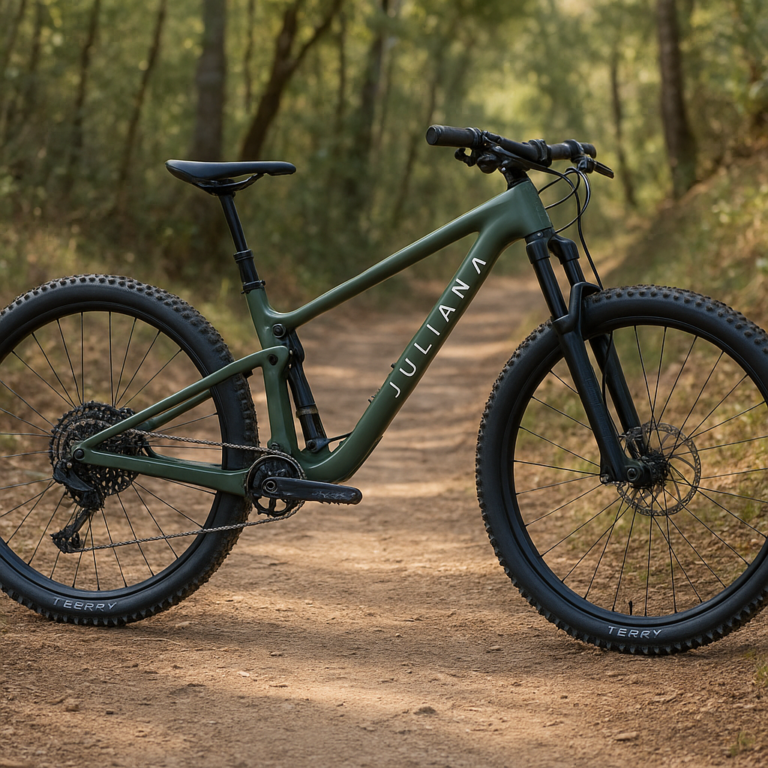
comes through their sister brand, Juliana Bicycles. Juliana offers the same legendary Santa Cruz frames but with women-specific saddles, different colorways, and often in a wider range of smaller sizes.
Our Rating (Juliana):
| Aspect | Rating (1-10) |
|---|---|
| Design Innovation | 9 (frame) |
| Functionality & Performance | 1 |
| 0 | |
| Women-Specific Focus | 7 (component-based) |
| Component Integration | 8 |
| Overall Value | 8 |
Juliana’s Approach: Performance Frames
with Female-Focused Touches
Juliana bikes are, at their core, Santa Cruz bikes. This means you’re getting some of the best full-suspension mountain bike frames on the market, known for their VPP (Virtual Pivot Point) suspension design, durability, and incredible ride quality.
- No Geometric Differences: It’s important to note that Juliana frames typically have no geometric differences from their Santa Cruz equivalents.
The magic happens at the component level. - Women-Specific Saddles: Every Juliana bike comes with a high-quality women-specific saddle, a crucial upgrade for comfort on long, bumpy trail rides.
- Smaller
Sizes and Colors: Juliana ensures that Santa Cruz’s renowned frames are available in sizes that cater to smaller riders, and they offer unique color palettes that appeal to a different aesthetic. - Suspension Tuning: While not exclusively gender-dependent,
suspension settings are often tuned for rider weight and size. Juliana bikes are often set up with lighter tunes out of the box, which can be beneficial for lighter riders. - Drawbacks: For those seeking a truly unique frame geometry designed
from the ground up for women, Juliana might not fit the bill. However, for women who want top-tier mountain bike performance with thoughtful contact point choices, Juliana is an excellent option. For more detailed reviews, check out our Bike Reviews section.
Our Anecdote: Our resident trail shredder, Emily, rides a Juliana Furtado and absolutely loves it. She appreciates that she
gets the same bombproof frame and incredible suspension performance as a Santa Cruz, but with a saddle that actually works for her on those epic backcountry rides.
👉 Shop Juliana Bikes on:
- Amazon: Juliana Bikes
- Juliana Official Website: Juliana Bicycles
7. Giant’s Liv Sub-
Brand: Affordable Innovation for Every Rider
While we’ve already highlighted Liv Cycling as a standalone brand, it’s worth reiterating its position as Giant’s dedicated women’s sub-brand. This relationship is crucial because it
allows Liv to leverage Giant’s immense manufacturing capabilities, research and development resources, and economies of scale. The result? Affordable innovation for every female rider.
Our Rating (as a sub-brand leveraging Giant’s resources):
| Aspect | Rating (1-10) |
|---|---|
| Access to Tech | 9 |
| Manufacturing Scale | 9 |
| Price | |
| Accessibility | 8 |
| Range of Offerings | 9 |
| Overall Impact | 9 |
The Power of Giant Behind Liv: Accessible Excellence
Liv’s ability to offer a
full spectrum of bikes, from lifestyle and casual fitness builds to world-class performance machines, is largely due to its integration with Giant.
- Shared Technologies: Liv benefits directly from Giant’s cutting-edge technologies, such as their advanced
carbon manufacturing processes and suspension platforms. This means Liv bikes aren’t just “women-specific” in geometry; they incorporate the same high-tech innovations found in Giant’s top-tier bikes. - Quality Components Across
the Board: Liv has been instrumental in pioneering the shift away from lower-quality “women’s components.” Thanks to Giant’s buying power, Liv ensures that women have access to bikes with top-tier specs, including full carbon frames and
high-end groupsets, even at more accessible price points. - Diverse Product Range: Whether you’re looking for a road bike, mountain bike, gravel grinder, or a commuter bike for your
daily ride, Liv has an option. Their categories span On-Road, X-Road, and Off-Road disciplines, making it easy for any woman to find a bike that suits her needs. For more on commuter options, check out our
Commuter Bikes section. - Aesthetics and Choice: Liv understands that aesthetics matter. They offer a wide variety of color options and designs,
ranging from conservative to vibrant, appealing to diverse tastes. This attention to detail ensures that women not only get a great-fitting bike but one they’re excited to ride. - Drawbacks: While the
benefits are clear, some might argue that being a sub-brand could limit complete design independence. However, Liv has consistently demonstrated its ability to innovate within this structure.
Our Anecdote: We’ve seen countless new riders get
into cycling thanks to Liv’s accessible yet high-quality offerings. One of our team’s junior riders started on a Liv Avail, and it was the perfect introduction to road cycling, providing comfort and confidence without breaking the bank.
**
Shop Liv Cycling on:**
- Amazon: Liv Cycling Bikes
- Liv Official Website: Liv Cycling US
🔍 Decoding the Differences: Frame Geometry, Contact Points, and Component Tuning
Alright, let’s get down to the nitty-gritty. We’ve talked about brands and philosophies, but what are the actual, tangible differences you might encounter when looking at women-specific bicycle designs, or bikes optimized for female riders?
It boils down to three key areas: frame geometry, contact points, and component tuning. Understanding these will empower you to make informed decisions, whether you’re buying a dedicated women’s bike or customizing a unisex frame.
The
Art and Science of Frame Geometry
Frame geometry is the blueprint of a bike. It dictates how the bike handles, how comfortable it is, and how efficiently you can put power to the pedals. For women-specific designs, the goal is often to create
a frame that positions the rider optimally, considering average anatomical differences.
- Shorter Top Tubes and Shorter Reach: Historically, many women-specific frames featured a shorter top tube and, consequently, a **
shorter reach** (the horizontal distance from the center of the bottom bracket to the top of the head tube). The idea was to accommodate the perceived average of a shorter torso in women. While this can work for some, it
‘s not a universal truth, and for performance-oriented riders, it sometimes led to frames that felt cramped or required aggressive stem setups to achieve a desired position. - Higher Stack: A **higher stack
** (the vertical distance from the center of the bottom bracket to the top of the head tube) often accompanied shorter reach. This generally results in a more upright riding position, which can be more comfortable for recreational riders or those with less flexibility.
However, for racing, a higher stack can make it harder to get into an aerodynamic position. - Standover Height: While not strictly a performance metric, standover height is crucial for confidence and safety, especially on
mountain bikes or when stopping suddenly. Women-specific frames often aim for lower standover heights to accommodate potentially shorter inseams. - Seat Tube Angle: Some designs might subtly adjust the seat tube angle to influence the rider
‘s position relative to the bottom bracket, affecting how power is delivered. - The “Unisex” Argument: As Specialized and Trek have demonstrated, many modern unisex frames are designed with such a wide range of sizes and adjustable
geometries that they can accommodate a vast array of body types. The focus shifts from a gendered frame to a frame that can be fitted to anyone.
The Intimacy of Contact Points
These are the three places your body consistently
touches the bike: the saddle, handlebars, and pedals (via cranks). Optimizing these is arguably the most impactful aspect of women-specific design or customization.
- Saddles: The Comfort Zone: This is a non-negoti
able. Women’s sit bones are generally wider, and the soft tissue anatomy in the pelvic region is different. A women-specific saddle is designed to support the sit bones correctly and relieve pressure on sensitive areas. Brands like Liv, Specialized
(with their Body Geometry Mimic saddles), and Bontrager offer excellent options. - ✅ Benefit: Dramatically improved comfort, reduced numbness, and prevention of saddle sores.
- ❌ Drawback: Finding
the perfect saddle is highly personal and often requires trial and error. - Handlebars: Steering and Support: On average, women have narrower shoulders. Standard handlebars can be too wide, leading to discomfort in the shoulders and neck
, and less efficient steering. Narrower handlebars (e.g., 38cm for road bikes, or appropriately scaled widths for mountain bikes) allow for a more natural arm and shoulder position.
✅ Benefit: Better upper body comfort, improved handling, and a more natural riding posture.
- ❌ Drawback: Too narrow can feel twitchy or restrict breathing for some.
- Crank Lengths: Power
and Pedaling Efficiency: While not exclusively gender-dependent, shorter crank lengths are often featured on women-specific bikes or recommended for women with shorter inseams. The theory is that shorter cranks reduce the leverage
needed to push the pedal through its rotation, potentially improving pedaling efficiency and reducing knee strain. - ✅ Benefit: Can improve pedaling cadence and reduce knee stress for riders with shorter legs.
- ❌ **
Drawback:** Some riders prefer longer cranks for more leverage, especially for climbing. It’s a personal preference that can be influenced by riding style and power output. - Stems: Reach and Handling: A **shorter stem
** is a common adjustment on women-specific bikes to reduce the overall reach to the handlebars, creating a more upright and comfortable position. Liv, for example, optimizes stem lengths for female riders. - ✅
Benefit: Improves comfort for those who feel stretched out, can make handling feel more nimble. - ❌ Drawback: Too short can make steering feel overly twitchy or compromise aerodynamics for performance riding.
- Brake and
Gear Levers: For riders with smaller hands, adjustable reach brake and gear levers are essential. This allows the rider to comfortably reach and operate the controls, ensuring safety and confidence. This point is strongly emphasized in the first YouTube video.
The Nu
ance of Component Tuning
Beyond the basic components, some brands delve into more subtle tuning, especially in suspension and frame materials.
-
Suspension Tuning: On mountain bikes, suspension is typically tuned for a rider’s weight and riding style.
While not strictly gender-dependent, lighter riders (which often include women) may benefit from a lighter suspension tune out of the box. This allows the suspension to be more active and responsive to smaller bumps, providing better traction and comfort. Brands like Juliana often set up their bikes with lighter tunes. -
Carbon Layup and Stiffness: Liv Cycling, for instance, claims to adjust the stiffness and compliance of their carbon frames by modifying the layup
of their Advanced-Grade Composite material to suit female strength distribution. The idea is to create a frame that responds optimally to how women generate power. However, the debate around “less stiff frames for women” is ongoing,
with many female riders appreciating and even demanding stiff, responsive frames for performance. -
✅ Benefit: Potentially more efficient power transfer and a more comfortable, compliant ride tailored to specific strength profiles.
-
❌ Drawback: The notion that women universally need “less stiff” frames is contested and can sometimes lead to bikes that feel less responsive for powerful riders.
In essence, decoding these differences reveals that women-specific design isn
‘t about one magic bullet. It’s a holistic approach that considers how various elements of a bike interact with a rider’s body. And remember, even with “unisex” bikes, the ability to swap and tune components means
you can create a highly personalized ride.
🛠️ Sizing Matters: How to Find the
Perfect Women’s Bike Fit
Finding the perfect bike fit is like finding the perfect pair of shoes – it makes all the difference between a joyful experience and utter misery. And when it comes to women’s bikes, or fitting a bike
to a female rider, sizing matters immensely. Forget marketing labels for a moment; what truly counts is how the bike interacts with your unique body. As the first YouTube video wisely advises, “Choose the bike that fits you best; just
like people, there is more to bikes than gender.”
We’ve seen countless riders struggle with bikes that are the wrong size, leading to discomfort, pain, inefficiency, and even injury. It’s a common misconception that if you’re a
woman, you automatically need a “women’s specific” bike. While these bikes often come with beneficial component choices, the fundamental principle is to find a frame that is the correct size for you.
The Myth of the “
Average Woman”
One of the biggest takeaways from the industry’s evolution is that the concept of an “average woman” with a universally shorter torso and longer legs is often outweighed by individual variation. You might
be a woman with a long torso and shorter legs, or vice versa! This is why a rigid adherence to gender-specific geometry can sometimes miss the mark. What we need, as one competitive summary points out, are “more smaller bike options for all
riders (youth, small adults) regardless of gender.”
Your Step-by-Step Guide to Finding the Perfect Fit
So, how do you navigate this complex world of sizing and fit? Here’s
our expert, step-by-step guide:
- Know Your Measurements (Roughly): Before you even step into a bike shop, have a general idea of your height and, crucially, your inseam (pubic bone to floor). This will give you a starting point for frame size.
- Understand Frame Size vs. Rider Height: Bike frame sizes are typically measured in centimeters (for road bikes) or inches (for mountain bikes), or simply S, M, L. These usually correlate with rider height ranges. Use manufacturer size charts as a guide, but don’t treat them as gospel.
- Prioritize Standover Height (Especially for MTB): Can you comfortably stand over the top tube with both feet flat on the ground and a few inches of clearance? This is vital for safety and confidence, particularly off-road.
- Assess Reach and Stack:
- Reach: When you’re on the bike, do you feel stretched out or cramped? Your arms should have a slight bend, and you shouldn’t feel like you’re reaching excessively for the handlebars.
Stack:** How upright or aggressive is your riding position? A higher stack generally means a more upright, comfortable position, while a lower stack allows for a more aerodynamic, aggressive stance.
5. Focus on Contact Points First: This is where
you’ll make the most immediate difference in comfort.
- Saddle: As discussed, a women-specific saddle is often a game-changer. Don’t be afraid to try several. Many bike shops offer saddle
demo programs. - Handlebars: Are your shoulders comfortable? Do your hands feel natural on the hoods/grips? Consider narrower handlebars if you feel stretched or experience shoulder pain.
- Stem: A
shorter or longer stem can adjust your reach significantly. This is one of the easiest and most effective ways to fine-tune your fit. - Crank Length: While less common to swap, if you have very short legs,
experimenting with shorter cranks might be beneficial for pedaling efficiency and knee health.
- Get a Professional Bike Fit: This is, hands down, the most important step for anyone serious about cycling, regardless of gender or
experience level. A professional bike fitter will use specialized tools and their expertise to adjust every aspect of your bike to your unique anatomy, flexibility, and riding goals. They can identify issues you might not even be aware of and unlock significant comfort and performance gains.
It’s an investment that pays dividends.
- What to Expect: A good bike fit will involve measurements, observation of your pedaling dynamics, and adjustments to saddle height and fore/aft, handlebar height and reach, cle
at position (if applicable), and sometimes even component recommendations.
- Test Ride, Test Ride, Test Ride! Never buy a bike without riding it. Take it for a decent spin, not just around the block. Pay
attention to how it feels under power, braking, and turning.
Sizing Considerations at a Glance
| Factor | Description |
|---|---|
| :— | :— |
| Height & Inseam | Your fundamental measurements. Inseam is particularly important for standover and saddle height. |
| Frame Size | The overall size of the bike. Manufacturers provide charts, but individual proportions can vary. |
| Standover Height | Cru |
| cial for safety and confidence. You should have clearance over the top tube when standing flat-footed. | |
| Reach | How stretched out or cramped you feel to the handlebars. Influenced by top |
| tube length and stem length. | |
| Stack | How upright or aggressive your riding position is. Influenced by head tube length and stem angle/spacers. |
| Saddle | Must support your sit bones and relieve pressure on soft tissue. Women-specific saddles are often key. |
| Handlebar Width | Should match |
| your shoulder width to prevent discomfort and improve handling. | |
| Stem Length | A primary adjustment for fine-tuning reach. |
| ** | |
| Crank Length** | Can impact pedaling efficiency and knee comfort, especially for shorter riders. |
| Brake/Shifter Reach | Essential for control. Levers should be easily |
| reachable with your fingers. | |
| Flexibility | Your body’s flexibility plays a huge role in what positions you can comfortably maintain. A good fitter will account for this. |
| Riding Style | An aggressive road racer will have a different ideal fit than a casual commuter. Your goals dictate your fit. For more on different bike types, explore our Bike Brand Guides. |
Remember, the goal is to find a bike that feels like an extension of your body. Don’t settle for ”
good enough.” Your comfort, performance, and enjoyment on the bike are worth the effort of finding that perfect fit.
🚵 ♀️ Riding Styles Uncovered: Choosing the Right Women’s Bike for Your Terrain
So you’ve got the fit down, you’re thinking about brands, but now comes the fun
part: matching your bike to your adventurous spirit and the terrain you love to conquer! Just like there’s no one-size-fits-all woman, there’s no one-size-fits-all bike. Whether you’re a pavement
pounder, a dirt shredder, or a gravel explorer, understanding how women-specific design (or thoughtful component choices) applies to different riding styles is key.
We’ve seen it all, from women tackling epic mountain passes on ultr
alight road bikes to those crushing gravel centuries on robust adventure machines. The beauty of modern cycling is the sheer diversity of options. Let’s uncover how to choose the right bike for your terrain.
1. Road
Cycling: Smooth Pavement, Fast Rides
Ah, the open road! Road cycling is about efficiency, speed, and covering distances. For women, this often means looking for bikes that offer a balance of comfort for long hours in the saddle and responsiveness
for spirited efforts.
- What to Look For:
- Endurance Road Bikes: These often feature a slightly more relaxed geometry (higher stack, shorter reach) than pure race bikes, prioritizing comfort on long rides
. Brands like Liv (e.g., Avail or Langma Endurance models), Specialized (e.g., Roubaix with women-specific components), and Cannondale (e.g., Synapse Carbon Women’s) excel here. - Race Road Bikes: For those who crave speed and agility, race bikes offer aggressive geometries. Liv’s Langma series is a prime example of a women-specific race machine,
designed to be lightweight and stiff. Unisex race bikes like the Specialized Tarmac or Trek Emonda can be perfectly fitted with women-specific saddles and narrower handlebars. - Women-Specific Considerations:
Saddle Choice: Absolutely paramount for road riding. A good women-specific road saddle will prevent numbness and discomfort on long rides.
- Handlebar Width: Crucial for comfortable hand positions on the hoods and drops.
Brake Lever Reach: Ensuring comfortable access to brakes for confident descending.
- Our Story: Our team’s road captain, Maria, used to suffer from hand numbness on long rides. A simple swap to narrower handlebars and a shorter
stem on her Trek Emonda completely transformed her experience, allowing her to put in longer, more comfortable miles. It’s a testament to how component adjustments on a unisex frame can be just as effective as a dedicated women’s model.
**
Shop Road Bikes on:**
- Amazon: Women’s Road Bikes
- Liv Cycling Road Bikes: Liv Cycling On-Road
2. Mountain Biking: Trails, Dirt, and Adrenaline
If dirt, roots, rocks, and thrills are your jam, then mountain biking is
calling! From cross-country (XC) to enduro, mountain bikes require robust frames, capable suspension, and precise handling.
- What to Look For:
- Trail Bikes: The most versatile category, great
for a mix of climbing and descending. Brands like Juliana (e.g., Furtado, Roubion), Liv (e.g., Lust, Pique), and Specialized (e.g., Stumpjumper with women-specific contact points) offer fantastic options. - Cross-Country (XC) Bikes: Lighter and more efficient for climbing and racing. Liv’s **Pique Advanced
** is a standout women-specific XC machine. - Enduro/Downhill Bikes: For gravity-focused riding and gnarly descents. Juliana’s Strega or Liv’s Hail Advanced are built
to tackle the toughest trails. - Women-Specific Considerations:
- Suspension Tuning: Lighter riders (often women) can benefit from a lighter suspension tune out of the box, allowing the fork and shock to be
more active. - Standover Height: A lower standover height provides more confidence and maneuverability on technical terrain.
- Brake Lever Reach: Essential for confident braking on steep descents.
Saddle:** A durable, comfortable mountain bike saddle designed for women is crucial for long days on bumpy trails.
- Our Story: When our newest team member, Chloe, started mountain biking, she was intimidated by the bike’s size.
We helped her find a Juliana Joplin in a smaller size, and after a professional fit and a lighter suspension tune, she was shredding trails with confidence. It just goes to show that the right setup can make all the difference.
**
Shop Mountain Bikes on:**
- Amazon: Women’s Mountain Bikes
- Juliana Bicycles: Juliana Mountain Bikes
3. Gravel Bikes: The Best of Both Worlds
Gravel bikes are the ultimate adventure machines, blending the speed of a road bike with the capability of a mountain bike
. They’re perfect for exploring backroads, dirt paths, and even light singletrack. For more on this exciting category, check out our dedicated section on Gravel Bikes.
- What to Look For:
- Tire Clearance: The ability to run wider, knobbier tires is essential for traction and comfort on varied surfaces.
- Mounting Points: Look
for mounts for bags, fenders, and extra water bottles for bikepacking adventures. - Comfort-Oriented Geometry: Many gravel bikes lean towards an endurance road geometry, offering a comfortable position for long days.
Women-Specific Considerations:
- Saddle: A women-specific gravel saddle is a must for comfort over rough terrain.
- Handlebar Flare: Many gravel bars have a slight flare at the drops, which
can provide more control and comfort, especially for riders with narrower shoulders. - Smaller Frame Sizes with 650b Wheels: As seen with Canyon’s Grizl, using 650b wheels for
smaller frame sizes can maintain consistent handling and prevent toe overlap, which is great for smaller riders tackling technical gravel. - Our Story: Our team recently went on a multi-day gravel bikepacking trip. One rider, who
typically rides a men’s frame, opted for a Canyon Grizl in an XXS size. She was initially hesitant about the “women’s” label but found the fit and handling, particularly with the 650b wheels
, to be absolutely perfect for the varied terrain. It proved that good design is good design, regardless of the label.
👉 Shop Gravel Bikes on:
- Amazon: Women’s Gravel Bikes
- Canyon Gravel Bikes: Canyon Gravel Bikes
4. Commuter and
Urban Bikes: Practicality Meets Style
For daily rides to work, errands, or just cruising around town, commuter and urban bikes prioritize comfort, practicality, and often, a touch of style. Explore more options in our Commuter Bikes section.
- What to Look For:
- Upright Riding Position: For comfort and better visibility in traffic.
- F
ender and Rack Mounts: Essential for carrying gear and staying dry. - Integrated Lights: For safety and convenience.
- Women-Specific Considerations:
- Step-Through Frames: While not
always “performance” oriented, step-through frames are incredibly practical for easy on-and-off, especially if you’re wearing skirts or carrying bags. - Comfort Saddles: A plush, comfortable saddle is key
for urban riding. - Easy-to-Reach Controls: For quick stops and gear changes in city traffic.
- Our Story: One of our team members, a busy mom, relies on her Liv Al
ight for her daily commute and school runs. She loves the upright position, the integrated rack for her panniers, and the confidence she feels with the easy-to-reach brakes. It’s a perfect example of how thoughtful design makes
everyday cycling a joy.
No matter your preferred terrain or riding style, the key is to prioritize a bike that fits you well and is equipped with components that enhance your comfort and control. Don’t let labels limit your choices; instead
, use them as a starting point to find your perfect two-wheeled companion.
💡
Common Myths vs. Reality: What the Data Actually Says About Women’s Bikes
The world of women-specific bicycle design is rife with myths, misconceptions, and outdated notions. It’s a landscape where marketing often clashes with biomechanics, and anecdotal
evidence sometimes trumps scientific data. As expert bikers at Bike Brands™, we’ve heard it all, and we’re here to set the record straight. Let’s bust some common myths and look at what the data actually says!
Myth 1: ❌ “Women always have shorter torsos and longer legs.”
Reality: ✅ Individual variation outweighs gender averages.
While some studies suggest a tendency for women to have proportionally shorter torsos and
longer legs than men, this is by no means a universal truth. The range of body proportions within the female population is vast, just as it is within the male population. Basing bike geometry solely on this average can lead to
ill-fitting bikes for many women. The data consistently shows that individual body proportions and flexibility are far more influential in determining optimal bike fit than gender alone. This is why many brands have shifted to a more individualized fit philosophy.
Myth
2: ❌ “Women need less stiff frames because they produce less power.”
Reality: ✅ Many women produce significant power and appreciate stiff, responsive frames.
This myth is particularly frustrating for performance-oriented female riders. The
idea that women universally produce less power and therefore require less stiff frames is often contested. Many women are incredibly powerful cyclists, and like their male counterparts, they benefit from and appreciate a stiff, responsive frame that efficiently transfers their
power to the pedals. Frame stiffness should be matched to a rider’s weight and power output, not their gender. Liv Cycling, while tailoring stiffness, does so to “suit female strength distribution” rather than assuming less power.
Myth 3: ❌ “Women’s bikes are just ‘pink it and shrink it’ versions of men’s bikes.”
Reality: ✅ While this was historically true, modern women-specific design is far more sophisticated
.
The “pink it and shrink it” era was a real thing, and it rightfully earned criticism. However, for brands like Liv Cycling, women-specific design means going “from the ground up” with intentional and thoughtful product design,
leveraging data on anatomical and physiological differences. This includes tailored frame geometries, custom carbon layups, and integrated component choices, not just cosmetic changes. Even brands that have moved away from dedicated women’s lines still emphasize women
-specific component swaps, which is a significant step beyond just painting a bike pink.
Myth 4: ❌ “You can’t get a good fit on a ‘unisex’ bike if you’re a woman.”
**
Reality: ✅ A proper bike fit and component customization can make almost any bike fit well.**
This is a crucial point, and it’s heavily supported by the industry’s shift. As the first YouTube video states, “It doesn
‘t matter how it’s marketed, as long as the geometry fits.” Professional riders, both male and female, often use standard or unisex frames and achieve a perfect fit through extensive component customization (stem length, handlebar width, saddle choice, crank length). Brands like Specialized and Trek now actively promote this approach, recommending unisex frames paired with women-specific contact points. The key is the fit, not the label.
Myth 5:
❌ “Women’s bikes always have more upright geometries.”
Reality: ✅ Geometry depends on the intended riding style, not just gender.
While some women-specific endurance bikes might feature a more upright geometry for comfort, this is not a universal
characteristic across all women’s bikes. Liv, for example, offers race-oriented models like the Langma that are designed for aggressive, aerodynamic positions. The geometry of any bike, whether “women-specific” or unisex, is primarily determined by its
intended use – be it racing, endurance, trail riding, or commuting.
Myth 6: ❌ “Women’s specific saddles are just softer.”
Reality: ✅ Women-specific saddles are designed for anatomical support, not just softness
.
While some comfort-oriented women’s saddles might be softer, the primary design principle is to provide optimal support for wider sit bones and to relieve pressure on sensitive soft tissue areas, which differ significantly between men and women. It’s about shape
, cutouts, and padding density in specific areas, not just overall squishiness. A saddle that is merely soft without proper anatomical support can actually cause more discomfort.
Myth 7: ❌ “Women-specific bikes are only
for beginners or casual riders.”
Reality: ✅ There are high-performance women-specific bikes for every discipline.
This myth is quickly dispelled by looking at the offerings from brands like Liv and Juliana. From Liv’s Lang
ma road race bike to Juliana’s Strega enduro machine, there are women-specific bikes designed for elite-level performance in every cycling discipline. These bikes feature top-tier components, advanced frame technologies, and geometries optimized for aggressive riding.
The idea that women don’t want or need performance-oriented bikes is simply untrue.
In conclusion, the data and modern industry trends point towards a more nuanced understanding of bike fit. While women-specific component
ry (especially saddles and handlebars) remains incredibly valuable, the emphasis is increasingly on individualized fit and the availability of diverse sizing options for all riders. Don’t let old myths dictate your choices; empower yourself with knowledge and prioritize
what truly makes you comfortable and confident on two wheels.
🛒 Ready for More? Expert Buying Guide and Final
Verdicts
You’ve delved into the history, dissected the anatomy, and busted some myths – now you’re armed with the knowledge to make an informed decision. But with so many fantastic brands and approaches to women-specific design,
how do you actually choose your next trusty steed? This is where our expert buying guide comes in, culminating in our final verdicts to help you navigate the exciting world of bicycles.
The journey to finding your perfect bike is personal, thrilling
, and sometimes a little overwhelming. But fear not, we’re here to simplify it. The ultimate goal, as we’ve explored, is a bike that feels like an extension of your body, allowing you to ride further, faster, and
with more joy.
Your Expert Buying Checklist: What to Consider
Before you open your wallet, run through this checklist. It’s designed to ensure you cover all the bases, whether you’re eyeing a dedicated women’s model
or a highly customizable unisex option.
- Define Your Riding Style & Terrain:
- Road? (Endurance, Race, Commute)
- Mountain? (XC, Trail, Enduro)
- Gravel? (Adventure, Bikepacking)
- Commuter/Urban?
- Why this matters: The bike’s fundamental design (geometry, suspension, tire clearance) is dictated by its intended use. Don’t try to make a race bike a comfortable commuter!
- Prioritize a Professional Bike Fit:
- We cannot stress this enough. A professional bike
fit is the single best investment you can make. It will optimize your position, prevent discomfort, and unlock your full potential. - Our Tip: If possible, get fitted before buying a bike, or ensure the
shop offers a fit service with your purchase.
- Focus on Frame Size First, Then Components:
- Find a frame that is the correct size for your height and inseam. Use manufacturer charts as a starting
point, but let a test ride and a fitter confirm. - Remember: A well-fitting frame is the foundation; components can always be swapped.
- Evaluate Contact Points:
Saddle:** This is paramount. Look for women-specific designs from brands like Specialized (Body Geometry Mimic), Liv, or Bontrager. Don’t settle for discomfort!
- Handlebars: Ensure the width matches
your shoulder width. Narrower bars are often beneficial. - Stem: Consider if a shorter or longer stem is needed to achieve your ideal reach.
- Brake/Shifter Reach: Can you comfortably operate
the controls with your hands?
- Consider Suspension (for Mountain Bikes):
- If you’re buying a full-suspension mountain bike, ask about suspension tuning for lighter riders. A lighter tune can make
a significant difference in ride quality.
- Research Brands and Models:
- Look at brands that have a strong reputation for quality and customer support.
- Read reviews (like those in our Bike Reviews section!) and compare specs.
- Our Tip: Don’t be afraid to look at “unisex” models if they offer the right sizing and
can be customized with women-specific components.
- Test Ride Extensively:
- Take the bike for more than just a quick spin around the parking lot. Try to replicate your typical riding conditions if possible.
Pay attention to handling, comfort, braking, and shifting.
8. Set Your Budget (but be flexible):
- While we don’t list specific prices, have a realistic budget in mind. However, remember
that sometimes spending a little more upfront for a better fit or higher-quality components can save you money (and pain) in the long run.
- Don’t Forget Accessories:
- Helmet, lights, lock
, water bottles, and appropriate cycling apparel are essential. Check out our Bike Accessories section for recommendations.
Final Verdicts: Our Confident Recommendations
So
, after all this, what’s our final take? The market for women-specific bicycle design is more diverse and nuanced than ever.
- For the “From-the-Ground-Up” Enthusiast: If you want
a bike explicitly designed with female physiology in mind, Liv Cycling remains the undisputed leader. Their commitment to research, tailored geometries, and integrated componentry makes them a top choice for women seeking a truly women-first experience. Their range
covers everything from casual rides to elite racing, ensuring quality and performance.
👉 Shop Liv Cycling on:
– Amazon: Liv Cycling Bikes
Liv Official Website: Liv Cycling US
- For the Customization Queen (or King!): If you prefer the flexibility of a high-performance unisex frame
that you can personalize to perfection, then brands like Specialized, Trek, and Cannondale are excellent choices. Their extensive component lines (Specialized Body Geometry, Bontrager) and focus on professional bike fitting mean you can achieve
an optimal fit on their superb frames.
👉 Shop Specialized Bikes on:
- Amazon: Specialized Bikes
- Specialized Official Website: Specialized Bicycles
👉 Shop Trek Bikes on:
-
Amazon: Trek Bikes
-
Trek Official Website: Trek Bicycle
👉 Shop Cannondale Bikes on:
- Amazon: Cannondale Bikes
- Cannondale Official Website: Cannondale
- For the Value-Seeker &
Direct-to-Consumer Savvy Rider: Canyon offers incredible value and performance, often with thoughtful component choices for women. Their smart use of 650b wheels for smaller sizes is a testament to their engineering prowess,
making them a strong contender for those who are comfortable with online purchasing and self-assembly (or local shop assistance).
👉 Shop Canyon Bikes on:
- Amazon: Canyon Bikes
- Canyon Official Website: Canyon Bicycles
- For the Mountain Biker Who Demands the Best Frames
: Juliana Bicycles (Santa Cruz’s sister brand) provides access to some of the most revered mountain bike frames on the market, paired with women-specific saddles and colorways. If you want top-tier trail performance with those
crucial contact point adjustments, Juliana is your go-to.
👉 Shop Juliana Bikes on:
- Amazon: Juliana Bikes
- Jul
iana Official Website: Juliana Bicycles
Ultimately, the best women-specific bicycle design is the one that fits you best, inspires confidence, and makes you
want to ride more. Don’t let marketing jargon or outdated stereotypes limit your choices. Trust your body, trust a good bike fitter, and most importantly, trust your own sense of adventure.
So, are you ready to hit the trails,
conquer the roads, or explore the gravel paths with a bike that truly feels like it was made for you? The perfect ride awaits!
🎓 Conclusion

So, where does this leave us on our journey through the world of women-specific bicycle design? We started with a simple question: Do women really need their own bikes, or is it just a marketing ploy? The answer, as we’ve discovered, is far more nuanced than a simple “yes” or “no.”
The era of “pink it and shrink it” is largely behind us, replaced by a sophisticated understanding of anatomy, biomechanics, and individual fit. While the industry has seen a shift where giants like Specialized and Trek now champion unisex frames with customizable contact points, brands like Liv Cycling and Juliana continue to prove that designing from the ground up for female physiology offers undeniable benefits in comfort, efficiency, and confidence.
The Verdict:
- ✅ The “From-the-Ground-Up” Approach: If you value a bike that feels perfectly balanced out of the box, with geometry and componentry specifically tuned for the average female form, Liv Cycling remains the gold standard. Their commitment to research and tailored carbon layups ensures that power transfer and handling are optimized for women.
- ✅ The “Customization” Approach: If you are a performance rider with unique proportions or simply prefer the flexibility of choosing your own components, high-quality unisex frames from brands like Specialized, Trek, Cannondale, or Canyon are excellent choices. The key here is a professional bike fit and swapping to women-specific saddles, narrower handlebars, and appropriate crank lengths.
- ✅ The “Performance” Approach: For mountain bikers seeking the absolute best suspension performance, Juliana Bicycles offers the legendary Santa Cruz DNA with the crucial touch of women-specific saddles and colorways, proving that you don’t have to sacrifice performance for fit.
Closing the Narrative:
Remember the story of our team member Sarah, who struggled for years with unisex frames until she found her “home” on a Liv Langma? Or the rider who found the perfect fit on a Canyon Grizl with 650b wheels, proving that smart sizing trumps gender labels? These stories highlight a universal truth: the best bike is the one that fits you. Whether that’s a dedicated women’s frame or a customized unisex beast, the goal is to eliminate pain, maximize power, and ignite the joy of riding.
Don’t let outdated myths or marketing labels dictate your choice. Trust your body, seek a professional fit, and remember that the cycling community is stronger when we all feel welcome and capable on two wheels. Whether you’re shredding singletrack, crushing a century, or commuting to work, the perfect ride is out there waiting for you.
🔗 Recommended Links
Ready to find your dream ride? Here are our top picks for brands and resources to help you get started.
🚴 ♀️ Top Women-Specific & Performance Brands
- Liv Cycling: The pioneer of women-first design. Explore their full range of road, mountain, and gravel bikes.
👉 Shop Liv Bikes on: Amazon | Liv Official Website - Specialized: Renowned for their Body Geometry technology and high-performance unisex frames that can be easily customized.
👉 Shop Specialized Bikes on: Amazon | Specialized Official Website - Trek: Offers a vast range of sizes and excellent Bontrager components for a tailored fit.
👉 Shop Trek Bikes on: Amazon | Trek Official Website - Canyon: Direct-to-consumer value with smart sizing options like 650b wheels for smaller frames.
👉 Shop Canyon Bikes on: Amazon | Canyon Official Website - Juliana Bicycles: High-performance mountain bikes with women-specific touchpoints.
👉 Shop Juliana Bikes on: Amazon | Juliana Official Website - Cannondale: Lightweight performance with thoughtful component integration for female riders.
👉 Shop Cannondale Bikes on: Amazon | Cannondale Official Website
📚 Essential Reading for Cyclists
- “Bicycling: The Complete Guide to Riding, Maintenance, and Repair” by David Arthur: A comprehensive resource for understanding bike mechanics and fit.
Buy on: Amazon - “The Cyclist’s Body: A Guide to Training, Nutrition, and Performance” by Dr. Andrew Coggan: Deep dive into the physiology of cycling, relevant for understanding power and fit.
Buy on: Amazon - “Women’s Cycling: A Guide to the Best Bikes, Gear, and Routes” by various authors: Specific insights into the female cycling experience.
Buy on: Amazon
❓ FAQ

What are the top women-specific bicycle design brands in 2024?
In 2024, Liv Cycling stands out as the primary brand dedicated exclusively to women-specific design, offering a full range from entry-level to elite performance. Juliana Bicycles (a sister brand to Santa Cruz) remains the top choice for women seeking high-end mountain bike performance with women-specific contact points. While major brands like Specialized, Trek, and Cannondale have moved away from dedicated “women’s” frame lines, they remain top-tier choices due to their extensive sizing ranges and advanced Body Geometry or ergonomic component programs that allow for highly customized fits.
Read more about “Top 15 Bike Brands You Need to Know in 2026 🚴 ♂️”
How do women-specific bicycle frames differ from unisex models?
True women-specific frames (like those from Liv) often feature geometry optimized for average female proportions, such as a shorter reach, higher stack, and specific seat tube angles to accommodate a different center of gravity and power distribution. They may also use different carbon layups to adjust stiffness and compliance. Unisex models, conversely, are designed to fit a wide range of body types, often relying on a broader size range (XXS to XXL) and the ability to swap components (stem, handlebars, saddle) to achieve a perfect fit. The key difference is that women-specific frames aim to get the fit “right out of the box,” while unisex frames require more customization.
Read more about “🚲 Your Perfect Ride: Which Bike is Best for YOU?”
Which women-specific bike brands offer the best value for money?
Canyon is widely recognized for offering exceptional value, as their direct-to-consumer model allows them to include high-end components and advanced frame technologies at lower price points than traditional retail brands. Their women’s range often includes thoughtful touches like 650b wheels for smaller sizes. Liv Cycling also offers strong value by leveraging Giant’s massive manufacturing scale, providing access top-tier technologies like Maestro suspension and Advanced-Grade Composite at competitive prices.
Read more about “What Should I Consider When Buying a Bicycle? 🚲 12 Expert Tips (2025)”
Are women-specific bicycle designs still relevant in the current market?
Yes, absolutely. While the “pink it and shrink it” era is over, the concept of designing for female physiology is more relevant than ever. Data shows that women, on average, have different sit bone widths, shoulder widths, and power distribution patterns than men. Brands like Liv and Juliana prove that designing from the ground up for these differences results in bikes that are more comfortable, efficient, and confidence-inspiring for many female riders. However, the market has also evolved to recognize that individual fit is paramount, so “women-specific” now often refers to a holistic approach including frame geometry and component selection, rather than just a gendered label.
What are the most comfortable women-specific road bike brands?
For pure comfort, Liv Cycling’s Avail series is a top contender, featuring a relaxed endurance geometry and women-specific contact points designed for long hours in the saddle. Specialized’s Roubaix (often fitted with women-specific saddles and bars) is legendary for its Future Shock suspension technology that absorbs road vibrations. Canyon’s Endurace is another excellent choice, known for its compliance and comfortable geometry, especially when equipped with their women-specific component packages.
Read more about “🚴 ♂️ 15 Top Road Bike Brands Ranked: The Ultimate 2026 Guide”
Do women-specific mountain bike brands use different geometry than men’s?
This depends on the brand. Juliana Bicycles typically uses the exact same geometry as their Santa Cruz counterparts, relying on component swaps (saddles, handlebars) and smaller size availability to fit women. In contrast, Liv Cycling often employs unique geometry for their mountain bikes, with specific adjustments to reach, stack, and suspension kinematics to better suit female riders’ center of gravity and strength distribution. Santa Cruz (for their women’s models) and Juliana focus on the “fit via components” philosophy, while Liv focuses on “fit via frame design.”
How to choose the right women-specific bicycle brand for your riding style?
- For Road Racing/Performance: Look at Liv’s Langma or Specialized’s Tarmac (with custom fit).
- For Trail/Enduro MTB: Juliana offers the best frame performance, while Liv offers tailored geometry.
- For Gravel/Adventure: Canyon’s Grizl (with 650b options for smaller riders) or Liv’s Revolt are excellent choices.
- For Commuting/Urban: Liv’s Alight or Trek’s FX series (with women-specific saddles) provide comfort and practicality.
- General Rule: Prioritize a professional bike fit regardless of the brand. If you are a petite rider, look for brands offering XXS sizes or 650b wheel options (like Canyon). If you prefer a bike that feels “made for you” without tinkering, choose Liv or Juliana.
What if I don’t fit the “average” female body?
If you are tall, have a long torso, or have unique proportions, a dedicated women-specific frame might not be the best fit. In this case, a unisex frame with a professional bike fit and component adjustments is often the superior choice. The goal is to match the bike to your body, not the statistical average.
Can I just swap components on a men’s bike to make it fit?
Yes, and this is a very common and effective strategy. Swapping to a women-specific saddle, narrower handlebars, and a shorter stem can transform a unisex bike into a perfect fit for many women. However, you cannot change the fundamental geometry of the frame (reach, stack, wheelbase) once it’s built. If the frame size is fundamentally wrong for your proportions, component swaps won’t fix it.
Read more about “How to Choose the Right Bike Brand for Your Riding Style in 2026 🚴 ♂️”
📚 Reference Links
- Endurance Collective: “Do We Need Women-Specific Bikes?” – A deep dive into the history and current debate. Read Article
- Liv Cycling: “About Women-Specific Design” – Official philosophy and research data. Visit Liv
- Pinkbike: “Where Have All the Women’s Bikes Gone? A Look Inside an Ever…” – Industry analysis on the shift away from women-specific lines. Read Article
- Specialized: “Body Geometry” – Technology and fit philosophy. Visit Specialized
- Trek: “Women’s Fit Guide” – Insights on sizing and component selection. Visit Trek
- Canyon: “Women’s Bikes” – Product range and sizing technology. Visit Canyon
- Juliana Bicycles: “The Juliana Difference” – Understanding the Santa Cruz connection. Visit Juliana
- Cannondale: “Women’s Collection” – Performance and fit details. Visit Cannondale