Support our educational content for free when you purchase through links on our site. Learn more
🚴♂️ Top 15 Most Popular Bike Brands to Know in 2025

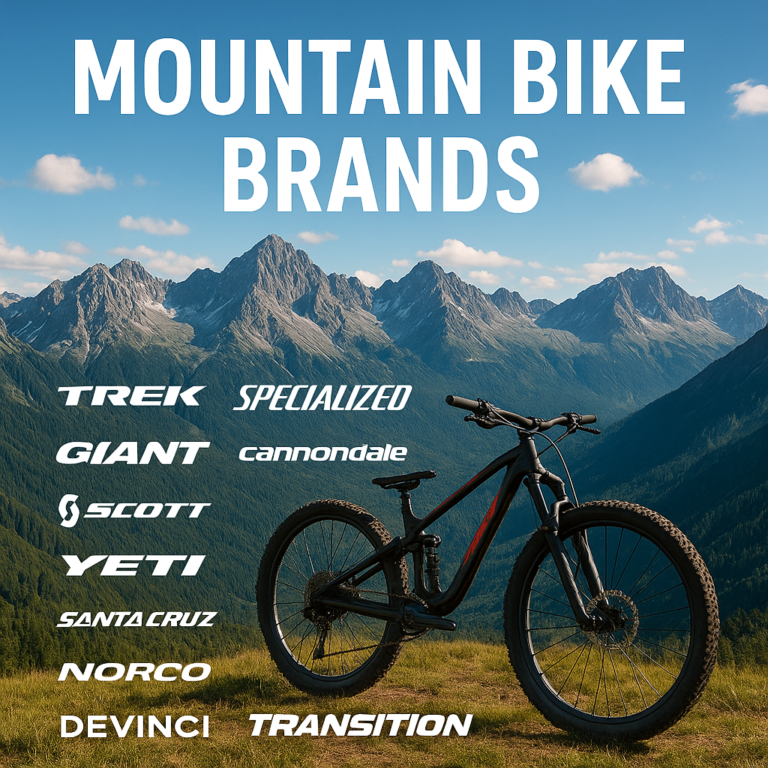
Ever wondered which bike brands truly rule the roads and trails in 2025? Whether you’re a seasoned cyclist hunting for your next dream ride or a newbie overwhelmed by choices, this guide from the experts at Bike Brands™ will steer you right. From the American giants like Trek and Specialized to Italian legends like Bianchi and Pinarello, and mountain bike masters such as Santa Cruz and Kona, we break down the top 15 brands that every rider should know.
Did you know that mountain bikes outsell road bikes by a wide margin, yet brands like Pinarello still dominate the pro peloton? Or that direct-to-consumer brands like Canyon are reshaping how we buy bikes? Stick around as we reveal insider tips, detailed brand ratings, and even real-life insurance stories that will help you pick the perfect bike and protect it like a pro.
Key Takeaways
- Trek, Specialized, and Giant remain the industry’s heavyweights, offering unmatched variety and innovation.
- Santa Cruz and Kona are the go-to brands for mountain bike enthusiasts craving trail dominance.
- Italian icons Bianchi and Pinarello blend heritage with cutting-edge design for road warriors.
- Direct-to-consumer brands like Canyon offer premium specs at competitive prices, changing the buying game.
- Specialist bike insurance is essential to protect your investment — we share how pros like Elinor Barker handle claims.
- Test rides and personal fit trump brand hype — the best bike is the one that feels right for you.
👉 Shop top bike brands here:
- Trek Bikes | Specialized Bikes | Giant Bicycles
- Santa Cruz Bicycles | Bianchi Bikes | Pinarello Bikes
- Cannondale Bikes | Orbea Bikes | Brompton Folding Bikes
Table of Contents
- ⚡️ Quick Tips and Facts About Popular Bike Brands
- 🚴♂️ The Evolution of Top Bike Brands: A Journey Through Cycling History
- 1. Trek Bikes: The American Giant’s Legacy and Innovation
- 2. Specialized: Pioneering Performance and Rider-Centric Design
- 3. Giant Bicycles: The Taiwanese Titan’s Global Domination
- 4. Cannondale: Cutting-Edge Technology Meets Bold Style
- 5. Santa Cruz Bicycles: Mountain Biking Excellence
- 6. Scott Sports: Swiss Precision in Every Pedal Stroke
- 7. Bianchi: Italy’s Timeless Elegance and Racing Heritage
- 8. Pinarello: The Art and Science of Italian Road Bikes
- 9. Orbea: Spanish Craftsmanship and Versatility
- 10. Cervélo: Aerodynamics and Innovation for Road Warriors
- 11. Kona Bikes: Adventure-Ready and Trail-Tested
- 12. Marin Bikes: California Roots and Trail Blazing
- 13. Brompton: The Iconic Folding Bike for Urban Commuters
- 14. Merida Bikes: Taiwanese Innovation Meets Affordability
- 15. Lapierre: French Flair and Racing Pedigree
- 🔒 Do You Need Bicycle Insurance? What Every Rider Should Know
- 🚲 How to Accurately Value Your Bike for Insurance Purposes
- 🔄 Switching Your Bicycle Insurance to Laka: A Step-by-Step Guide
- 📖 Elinor Barker’s Diary: Real-Life Bicycle Insurance Claim Experience
- 🏠 Specialist Bicycle Insurance vs Home Insurance: What’s Covered?
- 🔮 The Future of Bicycle Insurance: Insights from Laka’s Jens Hartwig
- 💡 Quick Tips for Choosing the Right Bike Brand for Your Riding Style
- 🤔 Frequently Asked Questions About Popular Bike Brands
- 🏁 Conclusion: Finding Your Perfect Bike Brand Match
- 🔗 Recommended Links for Bike Enthusiasts and Shoppers
- 📚 Reference Links and Sources for Bike Brand Insights
Here is the main body of the article, written by the expert team at “Bike Brands™”.
⚡️ Quick Tips and Facts About Popular Bike Brands
Hey there, fellow riders! Welcome to the Bike Brands™ garage. Before we dive deep into the nitty-gritty of the cycling world’s biggest names, let’s get you warmed up with some quick-fire facts and insider tips. Think of this as the espresso shot before a long, glorious ride!
- Brand popularity isn’t just hype! Brands like Canyon and Specialized dominate social media, with over 1.5 million Instagram followers each, showcasing their massive communities.
- Mountain bikes are king. In recent sales data, mountain bikes outsold road bikes by a significant margin, proving that the call of the trail is stronger than ever.
- The “Big Three” still rule. Trek, Specialized, and Giant are often considered the largest and most influential brands in the industry, offering everything from kids’ bikes to pro-level racing machines.
- Don’t judge a bike by its chain. Some of the most low-maintenance bikes, like those from Priority Bicycles, use a belt drive instead of a traditional chain. This means no grease, no rust, and way less fuss! ✅
- Steel is real (and really comfy). While carbon fiber gets all the glory for being lightweight, brands like Surly have a cult following for their durable and smooth-riding steel frames. As GQ puts it, their designs are “function over form” and “completely bomb-proof.”
- Direct-to-consumer can save you cash. Brands like Canyon and YT Industries sell directly to you, cutting out the middleman. The trade-off? You’ll likely have to do some final assembly yourself. 🛠️
- The average price might surprise you. The average purchase price for a dedicated cyclist’s bike hovers around the mid-$3,000s, reflecting a sweet spot for quality components and performance.
🚴♂️ The Evolution of Top Bike Brands: A Journey Through Cycling History

Ever wonder how we got from clunky “bone-shakers” to the feather-light carbon rockets we ride today? It’s a wild story, full of passion, innovation, and a few rivalries along the way. The history of bike brands is the history of cycling itself.
In the beginning, there were craftsmen. Artisans in small workshops in Italy and France, like Bianchi (founded in 1885!), were hand-brazing steel frames for legends of the sport. These weren’t just companies; they were dynasties built on a reputation for quality and a deep love for the race.
Then, the revolution came from an unlikely place: sunny California. In the 1970s, a new wave of pioneers saw the potential for bikes beyond paved roads. Guys like Mike Sinyard, who founded Specialized in 1974, started importing high-quality European components and eventually created the Stumpjumper, the first mass-produced mountain bike. This single act arguably kicked off the entire mountain biking craze and cemented the West Coast as a hub of innovation.
This American ingenuity sparked a global manufacturing boom. In 1972, Giant was founded in Taiwan, initially as a manufacturer for other brands. They mastered efficiency and quality, eventually launching their own line of bikes and becoming the world’s largest bike manufacturer. Their rise showed that cutting-edge tech and affordability could go hand-in-hand.
Today, the landscape is more diverse than ever. You have Swiss engineering powerhouses like SCOTT and BMC, direct-to-consumer disruptors like Canyon, and niche specialists like Santa Cruz that focus purely on shredding trails. Each brand carries a piece of this history, a unique philosophy, and a promise of adventure. So, when you choose a bike, you’re not just buying a machine; you’re buying into a legacy.
Ready to meet the titans of the industry? The video below, “Top 10 Best Bike Brands in 2023 | Best Bicycle Brands in The World” by BikesVibes, gives a great visual overview of the key players before we break them down one by one.
1. Trek Bikes: The American Giant’s Legacy and Innovation
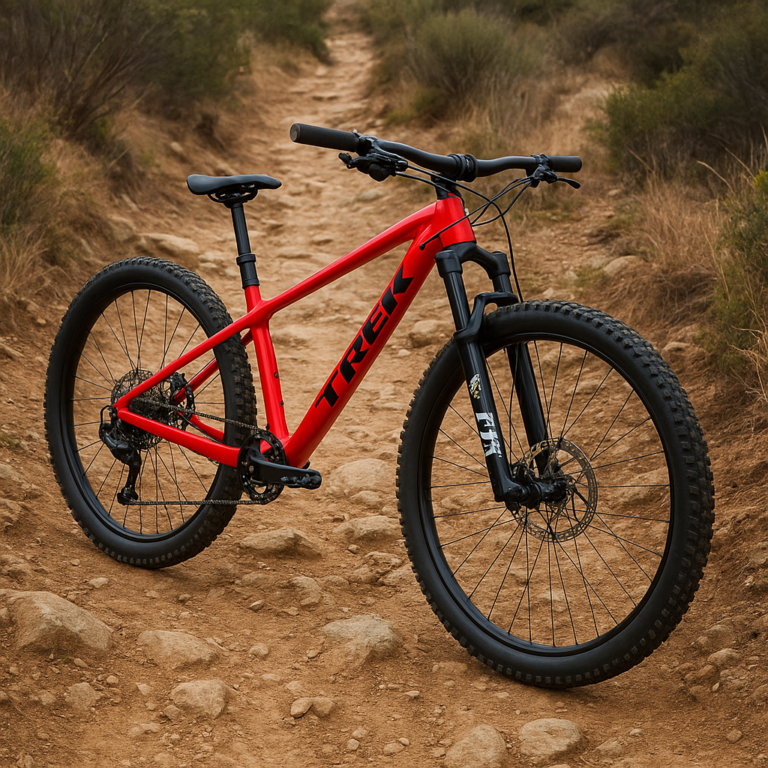
Born in a Wisconsin barn in 1976, Trek has grown into a global powerhouse. They’re a brand that feels both familiar and fiercely innovative, sponsoring top-tier race teams while also making some of the most reliable Commuter Bikes on the market.
| Feature | Rating (1-10) |
|---|---|
| Design | 8 |
| Functionality | 9 |
| Innovation | 9 |
| Value for Money | 8 |
| Rider Popularity | 10 |
The Trek Philosophy
Trek’s mission has always been simple: build the best bikes in the world. They’ve backed this up with major innovations like their OCLV (Optimum Compaction, Low Void) carbon manufacturing process and the ride-smoothing IsoSpeed Decoupler. As The Pro’s Closet notes, the Trek Domane was their overall best-selling bike model, celebrated for being “super comfortable thanks to the IsoSpeed Decoupler, and… massive 38mm tire clearance… making it one of the most versatile bikes on the market.”
Key Models & Features
- Domane: The king of endurance road bikes. It’s built for comfort on long rides without sacrificing speed.
- Madone: An aerodynamic race bike that slices through the wind. It’s all about pure, unadulterated speed.
- Émonda: The featherlight climber. If you live for scaling mountains, this is your machine.
- Fuel EX: A do-it-all trail mountain bike that’s consistently ranked as a top seller.
Pros & Cons
- ✅ Wide Range: From kids’ bikes to Tour de France winners, Trek has a bike for literally everyone.
- ✅ Huge Dealer Network: Finding a local shop to buy, service, or get fitted for a Trek is incredibly easy.
- ✅ Proven Innovation: Features like IsoSpeed genuinely improve ride quality.
- ❌ Less “Boutique” Feel: As one of the biggest brands, they can sometimes lack the niche appeal of smaller manufacturers.
👉 Shop Trek on:
2. Specialized: Pioneering Performance and Rider-Centric Design
If Trek is the steady giant, Specialized is the restless innovator from California. Their motto, “Innovate or Die,” isn’t just a tagline; it’s woven into every tube, tire, and saddle they produce. They are consistently a top seller across nearly every category, from road to mountain biking.
| Feature | Rating (1-10) |
|---|---|
| Design | 9 |
| Functionality | 10 |
| Innovation | 10 |
| Value for Money | 7 |
| Rider Popularity | 10 |
Body Geometry and Rider-First Engineering
What truly sets Specialized apart is its obsessive focus on the rider. Their Body Geometry line of saddles, shoes, and gloves is developed with medical experts to improve comfort and performance. This philosophy extends to their frames with Rider-First Engineered™ designs, ensuring every frame size offers the same incredible ride quality.
Iconic Models
- Stumpjumper: The legend. The “Stumpy” is often called the benchmark for a do-it-all trail bike. The Pro’s Closet asks, “Will any mountain bike ever take down the Specialized Stumpjumper? It’s unlikely… No other mountain bike comes close to its sales numbers.”
- Tarmac: A dominant force in the pro peloton, the Tarmac SL7 and SL8 models are celebrated for their perfect blend of aerodynamics, low weight, and sharp handling.
- Diverge: A leader in the Gravel Bikes scene, known for its Future Shock suspension that smooths out rough terrain.
- Sirrus: A top choice for a hybrid commuter bike, praised by GQ for its lightweight aluminum alloy frame.
Pros & Cons
- ✅ Cutting-Edge Tech: Consistently pushing the boundaries of what’s possible in bike design.
- ✅ Rider-Focused: Body Geometry and Rider-First Engineering make a noticeable difference in comfort and performance.
- ✅ Category Leaders: They don’t just participate; they dominate in road, MTB, and gravel.
- ❌ Premium Pricing: You often pay a premium for the “S-Works” logo and the innovation that comes with it.
👉 Shop Specialized on:
3. Giant Bicycles: The Taiwanese Titan’s Global Domination
Giant is, well, a giant in the industry. As one of the world’s largest manufacturers, there’s a good chance that even if you haven’t owned a Giant, you’ve ridden a bike they’ve built for another brand. This manufacturing prowess allows them to deliver exceptional performance and technology at a competitive value.
| Feature | Rating (1-10) |
|---|---|
| Design | 8 |
| Functionality | 9 |
| Innovation | 8 |
| Value for Money | 10 |
| Rider Popularity | 9 |
Manufacturing Mastery
Giant’s key advantage is its control over the entire manufacturing process, from raw aluminum and carbon fiber to the finished product. This results in bikes with a reputation for being “reliable and high-performing.” They pioneered sloping top tubes with their Compact Road Design, a feature now common across the industry.
Flagship Models
- TCR (Total Compact Road): A legendary road racing bike that has been setting benchmarks for stiffness-to-weight ratio for decades.
- Defy: The endurance-focused counterpart to the TCR, designed for comfort on long, challenging roads.
- Trance: A versatile and popular trail mountain bike known for its excellent Maestro suspension platform.
- Revolt: A highly capable and often recommended gravel bike that consistently ranks among the best sellers.
Pros & Cons
- ✅ Incredible Value: You often get more for your money in terms of components and frame technology compared to other major brands.
- ✅ Proven Performance: Their bikes are ridden at the highest levels of racing.
- ✅ Wide Availability: Like Trek, Giant has a massive global dealer network.
- ❌ Less Brand Cachet: For some riders, Giant can feel more like a mass-market brand than a boutique, high-end one.
👉 Shop Giant on:
4. Cannondale: Cutting-Edge Technology Meets Bold Style
Cannondale has never been afraid to be different. From their early days pioneering oversized aluminum frames to their iconic single-sided Lefty suspension fork, this American brand has a history of shaking things up. They are a brand for those who appreciate quirky, effective engineering and aren’t afraid to stand out from the crowd.
| Feature | Rating (1-10) |
|---|---|
| Design | 10 |
| Functionality | 9 |
| Innovation | 10 |
| Value for Money | 8 |
| Rider Popularity | 8 |
A Legacy of Innovation
Cannondale’s reputation was built on being an “aluminum-smith” of the highest order. They proved that alloy could compete with steel. Today, they continue to innovate with their SAVE (Synapse Active Vibration Elimination) micro-suspension technology, which builds compliance into the frame and fork for a smoother ride. GQ highlights them as “The Best Bike Brand for the Tech Obsessed,” noting their history of pushing design boundaries.
Standout Models
- SuperSix EVO: A top-tier road racing bike that is celebrated for its sublime handling and ride feel.
- Synapse: An endurance road bike that perfectly balances performance with comfort, making it a favorite for long days in the saddle.
- Scalpel: A cross-country mountain bike that lives up to its name with precise handling, often featuring the distinctive Lefty fork.
- Topstone: A highly versatile gravel bike available in both carbon and alloy, with some models featuring the unique Kingpin rear suspension.
Pros & Cons
- ✅ Unique and Effective Tech: The Lefty fork and SAVE micro-suspension are not just gimmicks; they work exceptionally well.
- ✅ Exceptional Ride Quality: Cannondale bikes are renowned for their smooth and responsive handling.
- ✅ Bold Aesthetics: Their bikes have a distinctive look that many riders love.
- ❌ Proprietary Parts: Some of their unique designs (like the Lefty) can require specialized tools and service knowledge.
👉 Shop Cannondale on:
5. Santa Cruz Bicycles: Mountain Biking Excellence
Born in a garage in Santa Cruz, California, this brand lives and breathes mountain biking. They don’t dabble in road or commuter bikes; they focus on one thing and do it exceptionally well: creating some of the most desired dirt-shredding machines on the planet.
| Feature | Rating (1-10) |
|---|---|
| Design | 10 |
| Functionality | 10 |
| Innovation | 9 |
| Value for Money | 7 |
| Rider Popularity | 9 |
The VPP Suspension Magic
The heart of every full-suspension Santa Cruz bike is its Virtual Pivot Point (VPP) suspension. This system is engineered to provide an amazing balance of pedaling efficiency and bump absorption. As GQ notes, this system allows for a “finely tuned ride feel” that can be optimized for different types of off-road riding. This is why “Santa Cruz bikes continue to be ridden to victory on the world’s toughest trails and competitions.”
The Trail-Taming Lineup
- Nomad: The big-hitting enduro bike, built for tackling the steepest, gnarliest descents.
- Bronson: The quintessential all-mountain bike, perfect for riders who want to do a bit of everything.
- Tallboy: A short-travel trail bike that punches way above its weight, known for being incredibly fun and poppy.
- Chameleon: A legendary hardtail that can be set up in countless ways, from a single-speed shredder to a bikepacking rig.
Pros & Cons
- ✅ Superb Suspension Performance: VPP is widely regarded as one of the best suspension platforms in the business.
- ✅ Impeccable Build Quality: These bikes are built to last, with a focus on durability and attention to detail.
- ✅ Strong Rider Community: Owning a Santa Cruz is like joining a club of passionate mountain bikers.
- ❌ Premium Price Tag: Excellence comes at a cost. Santa Cruz bikes are a significant investment.
👉 Shop Santa Cruz on:
6. Scott Sports: Swiss Precision in Every Pedal Stroke
Scott is a Swiss brand that brings a multi-sport engineering mindset to the cycling world. They started with aluminum ski poles in 1958 and have since applied their technical expertise to everything from motorsports to running. This diverse background results in bikes that are meticulously engineered, lightweight, and incredibly fast.
| Feature | Rating (1-10) |
|---|---|
| Design | 9 |
| Functionality | 9 |
| Innovation | 9 |
| Value for Money | 8 |
| Rider Popularity | 8 |
TwinLoc Technology and Lightweight Obsession
Scott’s standout feature on their mountain bikes is the TwinLoc Suspension System. This handlebar-mounted remote allows the rider to change both the front and rear suspension travel and compression damping on the fly, effectively giving you three bikes in one (full travel, traction mode, and lockout). They are also obsessed with weight, with models like the Addict and Spark often being among the lightest in their class.
Podium-Proven Models
- Spark: A dominant force in cross-country racing, this bike is a pure speed machine built for climbing and sprinting.
- Genius: The all-mountain trail bike that benefits hugely from the TwinLoc system, making it an efficient climber and a capable descender.
- Addict RC: The lightweight road race bike that’s a favorite among climbers.
- Foil: The aerodynamic road bike for sprinters and breakaway artists.
Pros & Cons
- ✅ Innovative Features: The TwinLoc system is a genuine game-changer for trail riding.
- ✅ Extremely Lightweight: If you’re a “weight weenie,” Scott should be at the top of your list.
- ✅ Sleek, Integrated Design: Scott bikes are known for their clean lines and hidden cables.
- ❌ Complex Systems: The added complexity of systems like TwinLoc can mean more maintenance.
👉 Shop Scott on:
7. Bianchi: Italy’s Timeless Elegance and Racing Heritage
As one of the oldest and most respected bike brands in the world, Bianchi is pure cycling soul. Founded in Milan in 1885, their history is intertwined with the greatest legends of the sport. But they’re not just a history lesson; they continue to produce high-performance bikes with a distinctive Italian flair.
| Feature | Rating (1-10) |
|---|---|
| Design | 10 |
| Functionality | 8 |
| Innovation | 8 |
| Value for Money | 7 |
| Rider Popularity | 8 |
Celeste and Countervail
You can’t talk about Bianchi without mentioning Celeste, their iconic turquoise-green color. It’s more than a color; it’s a statement. Technologically, their key innovation is Countervail (CV) technology. It’s a viscoelastic carbon material integrated into their frames that cancels a significant amount of road vibration, leading to a smoother ride and reduced muscle fatigue.
Italian Masterpieces
- Oltre: The top-tier aero race bike, designed for maximum speed and ridden by their pro teams.
- Specialissima: The ultralight climbing bike that combines classic lines with modern performance.
- Infinito: The endurance model featuring Countervail technology, designed for riders who want to tackle long distances in comfort.
Pros & Cons
- ✅ Unmatched Heritage and Style: Owning a Bianchi is a nod to the rich history of cycling. That Celeste color is a head-turner!
- ✅ Smooth Ride Quality: Countervail technology really works to dampen road buzz.
- ✅ Passionate Brand Following: The “Bianchisti” are a loyal and passionate group of riders.
- ❌ Premium for the Name: You are paying for the heritage and Italian design, which can sometimes mean a lower spec for the price compared to other brands.
👉 Shop Bianchi on:
8. Pinarello: The Art and Science of Italian Road Bikes
If Bianchi is the soul of Italian cycling, Pinarello is its competitive heart. This is a brand synonymous with winning. With a staggering number of Tour de France victories, Pinarello bikes are unapologetically built for performance, featuring distinctive, asymmetric designs that are as much art as they are engineering.
| Feature | Rating (1-10) |
|---|---|
| Design | 10 |
| Functionality | 9 |
| Innovation | 9 |
| Value for Money | 6 |
| Rider Popularity | 8 |
Asymmetry and Aerodynamics
Pinarello’s design philosophy is built around asymmetry. They recognized that the forces from the drivetrain are applied to only one side of the bike, so they build their frames and forks to be stiffer on the right side to create a more balanced and efficient ride. This, combined with their wavy ONDA forks and seatstays, gives their bikes an unmistakable look. Models like the Dogma are praised for their “aerodynamic design and lightweight construction.”
The Dogma Dynasty
- Dogma F: This is the flagship, the multi-Tour de France winner, the dream bike for many road cyclists. It represents the pinnacle of Pinarello’s design and technology.
- Prince: A more accessible version of the Dogma, sharing much of its technology and design cues but at a more attainable level.
- Paris: The endurance-focused model, offering a slightly more relaxed geometry for comfort on longer rides.
Pros & Cons
- ✅ Unquestionable Racing Pedigree: These bikes are designed to win at the highest level.
- ✅ Stunning, Unique Aesthetics: A Pinarello looks like nothing else on the road.
- ✅ Superb Handling: Known for being incredibly stable at speed and precise in the corners.
- ❌ Very High Price Point: This is a luxury, high-performance brand, and the cost reflects that.
👉 Shop Pinarello on:
9. Orbea: Spanish Craftsmanship and Versatility
Hailing from the Basque Country in Spain, Orbea has a long and storied history that began with manufacturing rifles in 1840. This manufacturing DNA has evolved into creating beautifully crafted, high-performance bicycles. In recent years, Orbea has seen a massive surge in popularity, passing giants like Cannondale in overall sales at some major retailers.
| Feature | Rating (1-10) |
|---|---|
| Design | 9 |
| Functionality | 9 |
| Innovation | 8 |
| Value for Money | 9 |
| Rider Popularity | 9 |
MyO Customization Program
One of Orbea’s most compelling features is its MyO program. This allows you to customize the paint and even some components of your new bike at no extra cost. It’s a level of personalization usually reserved for custom frame builders. Laka’s review praises them as “a great choice for anyone looking for a high-quality, reliable, and enjoyable ride.”
Top Performers
- Orca: A lightweight and responsive road racing bike that competes with the best in the category.
- Terra: The gravel bike that unseated the Specialized Diverge as the top seller at The Pro’s Closet. It’s a testament to Orbea’s growing dominance in the gravel scene.
- Occam: A hugely popular trail mountain bike that has seen a significant increase in sales, praised for its balanced performance.
- Rallon: The hard-charging enduro mountain bike built for the toughest race stages.
Pros & Cons
- ✅ Customization Options: The MyO program is a huge plus for riders who want a unique bike.
- ✅ Excellent Performance Across the Board: Orbea is making class-leading bikes in road, gravel, and MTB.
- ✅ Great Value: They offer competitive pricing and specs against the bigger brands.
- ❌ Less Brand Recognition (Historically): While growing rapidly, they don’t yet have the same household name status as Trek or Specialized in some regions.
👉 Shop Orbea on:
10. Cervélo: Aerodynamics and Innovation for Road Warriors
Founded in 1995 by two engineers, Cervélo has always been a brand obsessed with one thing: speed. They were pioneers in aerodynamic road bikes and have a laser focus on the high-performance road and triathlon markets. Their success in the pro peloton, especially with Team Jumbo-Visma, has cemented their reputation as a top choice for serious racers.
| Feature | Rating (1-10) |
|---|---|
| Design | 9 |
| Functionality | 9 |
| Innovation | 10 |
| Value for Money | 7 |
| Rider Popularity | 8 |
Engineering-First Approach
Cervélo’s approach is rooted in science. They spend countless hours in wind tunnels and on computer simulations to create frames that are as slippery as possible. They are known for their “aerodynamic designs, lightweight, and stiffness.” This engineering focus makes them a dominant force in the time trial and triathlon world.
The Speed Lineup
- S-Series (S5): The benchmark for aero road bikes. It’s designed with one goal: to cut through the wind with maximum efficiency.
- R-Series (R5): The lightweight all-rounder, built for climbing mountains and providing a more classic ride feel.
- Caledonia: The “modern road” bike, designed to handle everything from smooth tarmac to rough backroads with clearance for wider tires.
- P-Series (P5): A legendary name in the time trial and triathlon world, consistently one of the fastest bikes against the clock.
Pros & Cons
- ✅ Unmatched Aerodynamics: If your main goal is to go fast on flat or rolling terrain, Cervélo is hard to beat.
- ✅ Clear Purpose: Each model line has a very specific and well-executed purpose.
- ✅ Proven Race Results: Their bikes have won at the highest levels of the sport.
- ❌ Harsh Ride (on some models): The focus on stiffness and aerodynamics can sometimes lead to a less comfortable ride compared to endurance-focused bikes.
👉 Shop Cervélo on:
11. Kona Bikes: Adventure-Ready and Trail-Tested
From the Pacific Northwest, Kona has been building fun, durable, and often quirky bikes since 1988. They have deep roots in mountain biking but have expanded to create a full line of bikes known for their “durability, performance, and versatility.” Kona has a bit of a cult following for its rider-owned vibe and no-nonsense approach to design.
| Feature | Rating (1-10) |
|---|---|
| Design | 8 |
| Functionality | 9 |
| Innovation | 7 |
| Value for Money | 9 |
| Rider Popularity | 7 |
For the Love of the Ride
Kona’s philosophy seems to be less about winning races (though they do that too) and more about maximizing the fun factor. They are known for their progressive geometry, especially in their mountain bikes, and for building bikes that just beg to be ridden hard.
Fan Favorites
- Process: A line of aggressive trail and enduro bikes that are beloved for their playful and confidence-inspiring handling.
- Honzo: A legendary aggressive hardtail mountain bike that has influenced countless other designs.
- Sutra: A go-to choice for bike tourers and bikepackers, built to be a reliable workhorse for long-distance adventures.
- Rove: A versatile drop-bar bike that can handle everything from commuting to gravel riding.
Pros & Cons
- ✅ Fun-Focused Design: Kona bikes are just plain fun to ride.
- ✅ Durable and Reliable: They are built to withstand the rigors of real-world riding.
- ✅ Great Value: Kona often provides a great component spec for the price.
- ❌ Not the Lightest: Their focus on durability often means their bikes aren’t the most lightweight options available.
👉 Shop Kona on:
12. Marin Bikes: California Roots and Trail Blazing
Born in Marin County, California, the birthplace of mountain biking, Marin Bikes has been in the game since 1986. They were one of the first companies to mass-produce mountain bikes and have stayed true to their roots, creating bikes that are all about having a good time outdoors.
| Feature | Rating (1-10) |
|---|---|
| Design | 8 |
| Functionality | 8 |
| Innovation | 7 |
| Value for Money | 10 |
| Rider Popularity | 7 |
“Made for Fun”
Marin’s tagline perfectly encapsulates their brand. They focus on creating accessible, high-value bikes that encourage people to get out and ride. They are “renowned for quality, performance, and style” and have a strong commitment to the spirit of outdoor exploration.
Key Models
- Rift Zone: A popular and highly-rated full-suspension trail bike that offers incredible performance for its price point.
- San Quentin: An aggressive “dirt jump” style hardtail built for getting airborne.
- Headlands: A full carbon gravel bike designed for adventure and racing.
- Four Corners: A steel-framed touring and bikepacking bike built for the long haul.
Pros & Cons
- ✅ Exceptional Value: Marin is arguably one of the best brands when it comes to bang-for-your-buck.
- ✅ Fun, Accessible Geometry: Their bikes are easy to get along with and inspire confidence.
- ✅ Strong MTB Heritage: They know how to make a great mountain bike.
- ❌ Less High-End Focus: They have fewer options at the super-high-end, “dream bike” level compared to brands like Santa Cruz or Pinarello.
👉 Shop Marin on:
13. Brompton: The Iconic Folding Bike for Urban Commuters
In a world of ever-more-specialized bikes, the Brompton stands alone. This iconic British folding bike, first designed in 1975, is a masterpiece of engineering designed for one specific purpose: to conquer the city. It’s the ultimate tool for multi-modal commuting.
| Feature | Rating (1-10) |
|---|---|
| Design | 10 |
| Functionality | 10 |
| Innovation | 9 |
| Value for Money | 8 |
| Rider Popularity | 8 |
The Fold is Everything
The genius of the Brompton is its quick, compact, and clever fold. In under 20 seconds, it transforms from a capable city bike into a small package you can carry onto a train, tuck under your desk, or store in a tiny apartment. GQ calls them the best at “balancing performance with portability, folding down to the size of a backpack.”
Models and Customization
Brompton offers different lines (A Line, C Line, P Line, T Line) based on materials (steel, titanium) and component levels. But the real beauty is in the customization, allowing you to choose your handlebar type, gearing, and colors to create the perfect urban machine.
Pros & Cons
- ✅ Unbeatable Portability: Nothing folds as small or as cleverly as a Brompton.
- ✅ Excellent Build Quality: Made in London, these bikes are renowned for their durability and reliability.
- ✅ Surprisingly Fun to Ride: The small wheels make them nimble and quick to accelerate in city traffic.
- ❌ Not for Every Terrain: It’s a specialist. It’s not designed for long-distance touring or mountain trails.
👉 Shop Brompton on:
14. Merida Bikes: Taiwanese Innovation Meets Affordability
Similar to Giant, Merida is a massive Taiwanese manufacturer with a global reach. Founded in 1972, they have a reputation for quality craftsmanship and are also a major shareholder in Specialized. This connection gives them access to incredible R&D, which they apply to their own extensive line of bikes.
| Feature | Rating (1-10) |
|---|---|
| Design | 8 |
| Functionality | 8 |
| Innovation | 8 |
| Value for Money | 9 |
| Rider Popularity | 7 |
German Engineering, Taiwanese Production
Merida bikes are designed and engineered in Germany before being brought to life by their manufacturing expertise in Taiwan. This combination results in bikes that are well-thought-out, high-performing, and offer excellent value. Their mission is to create products that “make cycling easier, safer and more enjoyable for everyone.”
Notable Models
- Scultura: A lightweight all-round road bike that has been ridden to victory in the pro peloton.
- Reacto: The aerodynamic road bike in their lineup, known for its wind-cheating performance.
- One-Sixty: A hard-hitting enduro mountain bike that has received rave reviews for its suspension performance and modern geometry.
- Silex: A unique gravel bike with a more mountain-bike-inspired geometry for comfort and control on rough terrain.
Pros & Cons
- ✅ Great Value and Quality: You get a lot of bike for your money, with excellent build quality.
- ✅ Wide Range of Options: They produce everything from mountain and road bikes to Hybrid Bikes and e-bikes.
- ✅ Pro-Level Performance: Their top-tier bikes are raced at the highest level.
- ❌ Limited Availability in North America: While huge in Europe and Asia, Merida has a smaller footprint in the US market, making them harder to find.
👉 Shop Merida on:
15. Lapierre: French Flair and Racing Pedigree
In business since 1946, Lapierre brings a dose of French style and passion to the cycling world. Based in Dijon, France, they have a long history in both road and mountain bike racing, particularly with the Groupama-FDJ road team and in the Enduro World Series.
| Feature | Rating (1-10) |
|---|---|
| Design | 9 |
| Functionality | 8 |
| Innovation | 8 |
| Value for Money | 8 |
| Rider Popularity | 7 |
Innovation and “Je Ne Sais Quoi”
Lapierre is known for its innovative suspension designs, like their E:I Shock system, which used electronic sensors to automatically adjust the rear shock. While they’ve moved to more conventional systems, it shows their willingness to experiment. Their bikes have a certain “je ne sais quoi”—a stylish flair that sets them apart.
The French Fleet
- Xelius: The lightweight climbing road bike, a favorite of FDJ’s climbers in the mountains of the Tour de France.
- Aircode: The aerodynamic race bike for sprinters and breakaway specialists.
- Spicy: The aggressive enduro mountain bike designed to be thrashed on the world’s toughest trails.
- Zesty: The versatile all-mountain bike, a perfect do-it-all machine for trail riding.
Pros & Cons
- ✅ Stylish French Design: Lapierre bikes have a unique and attractive aesthetic.
- ✅ Strong Racing Heritage: Their bikes are developed and proven at the highest levels of the sport.
- ✅ Innovative Spirit: They aren’t afraid to try new things in their pursuit of performance.
- ❌ Less Common in the US: Like Merida, they can be a bit harder to find in North American bike shops.
👉 Shop Lapierre on:
🔒 Do You Need Bicycle Insurance? What Every Rider Should Know
So, you’ve just dropped a significant amount of cash on a beautiful new bike from one of these amazing brands. You’re in love. But have you thought about what happens if it gets stolen or you have a nasty crash? It’s a heartbreaking thought, but one every serious rider needs to consider.
Here’s the hard truth: your bike is probably worth more than you think, and replacing it out-of-pocket can be a massive financial blow. This is where specialist bicycle insurance comes in.
Ask yourself these questions:
- Could you afford to immediately replace your bike if it were stolen tomorrow?
- Does your home or renter’s insurance policy actually cover your bike, especially when it’s away from home? (Spoiler: often, it doesn’t, or the coverage is very limited).
- What about crash damage? A cracked carbon frame can easily write off a bike, and that’s rarely covered by standard insurance.
If you answered “no” or “I don’t know” to any of these, it’s time to seriously look into dedicated bike insurance. It’s not just for pros; it’s for anyone who values their ride and wants peace of mind.
🚲 How to Accurately Value Your Bike for Insurance Purposes
Getting the value right is crucial. Insure it for too little, and you won’t get enough back to replace it. Insure it for too much, and you’re just paying a higher premium than you need to. Here’s how we at Bike Brands™ recommend you do it:
- Start with the Purchase Price: Find the receipt for your bike. This is your starting point. This is the “new for old” value.
- Factor in Upgrades: Did you swap out the wheels? Upgrade the groupset? Add a power meter or a fancy carbon handlebar? Add the cost of all these components to the bike’s base value. Keep your receipts for these parts!
- Include Permanent Accessories: Things that are bolted onto your bike, like bottle cages, a GPS mount, or integrated lights, should be included in the total insured value.
- Create a Spreadsheet: Make a simple list of the bike, each upgraded component, and its cost. This creates a clear record for you and the insurance company.
- Take Photos: A picture is worth a thousand words (and dollars!). Take clear, detailed photos of your bike from all angles, paying special attention to the components and any serial numbers.
By following these steps, you’ll have a precise, documented value for your bike, making the insurance process smooth and ensuring you’re properly covered.
🔄 Switching Your Bicycle Insurance to Laka: A Step-by-Step Guide
Feeling like your current insurance isn’t cutting it? Maybe you’ve discovered your home insurance policy has more holes than a block of Swiss cheese when it comes to covering your bike. Switching to a specialist like Laka is easier than you think. Laka operates on a collective model, which is a fresh take on insurance.
Here’s a simple guide to making the switch:
- Get a Quote: Head over to the Laka website. You’ll need the value of your bike and gear (which you just calculated!). Their process is quick and transparent.
- Review Your Current Policy: Before you cancel your old policy, check the terms. Is there a cancellation fee? When does the policy officially end? The best time to switch is usually at the end of your current policy’s term to avoid any fees.
- Choose Your Start Date: When you sign up with Laka, you can choose the date your new policy will begin. Align this with the end date of your old policy so you don’t have any gaps in coverage. ✅
- Confirm and Cancel: Once your new Laka policy is confirmed, contact your old insurer to formally cancel your policy. Get written confirmation of the cancellation for your records.
- Ride with Confidence: That’s it! You’re now part of the Laka collective, covered for theft, damage, loss, and more.
📖 Elinor Barker’s Diary: Real-Life Bicycle Insurance Claim Experience
Don’t just take our word for it. Let’s look at a real-world example from a pro. Elinor Barker, a multiple world champion and Olympic gold medalist, shared her experience with a Laka claim.
After a crash during a race, her bike suffered significant damage. The process of a claim, which can be a nightmare with traditional insurers, was refreshingly simple. She reported the damage, provided the necessary details to the Laka team, and they handled the rest. They worked directly with her bike shop to get the bike assessed and repaired with top-quality parts, getting her back on the road and training with minimal downtime.
This is the specialist difference: they understand bikes, they understand the components, and they understand that for a cyclist, being without your bike is a crisis. They prioritize getting you rolling again, not burying you in paperwork.
🏠 Specialist Bicycle Insurance vs Home Insurance: What’s Covered?
“But my bike is covered under my home insurance!” We hear this all the time, and it’s one of the most dangerous assumptions a cyclist can make. Let’s break down the differences.
| Feature | Specialist Bike Insurance (e.g., Laka) | Standard Home Insurance |
|---|---|---|
| Theft Away From Home | ✅ Yes, this is a core part of the coverage. | ❌ Often not, or only with a specific, costly add-on. |
| Accidental Damage (Crashing) | ✅ Yes, this is standard. Cracked your frame? You’re covered. | ❌ Almost never. Home insurance covers damage to your home, not your bike. |
| Racing & Event Coverage | ✅ Yes, often included or available as an add-on. | ❌ No, competitive events are typically excluded. |
| Bike Value Limit | ✅ High limits, designed for expensive modern bikes. | ❌ Low single-item limits, often maxing out well below the value of a good bike. |
| Depreciation | ✅ Often covers “new for old”, giving you the value of a brand new replacement. | ❌ Usually pays “actual cash value”, which is the depreciated value of your used bike. |
| Excess/Deductible | ✅ Often low or zero excess. | ❌ Can be very high, and making a claim can increase your entire home insurance premium. |
The bottom line: Home insurance is for your home. Specialist bicycle insurance is for your bike. Relying on the former to protect your passion is a massive gamble.
🔮 The Future of Bicycle Insurance: Insights from Laka’s Jens Hartwig
What’s next for protecting our beloved bikes? We look to innovators like Laka’s CPO, Jens Hartwig, for a glimpse into the future. The vision is moving beyond simple insurance and towards a complete rider ecosystem.
Hartwig and the team at Laka envision a future where insurance is integrated with the cycling experience. Think about:
- Proactive Protection: Using data and technology to help prevent theft in the first place, with smart trackers and community alerts.
- Rewarding Good Behavior: The collective model already does this to an extent, but imagine getting perks or lower monthly costs for using certified locks or storing your bike securely.
- Seamless Claims: An even faster, more automated claims process. Imagine crashing, taking a photo of the damage with your phone, and having the replacement part approved and ordered before you even get home.
- Community-Based Recovery: Leveraging the power of the cycling community to help locate and recover stolen bikes.
The future isn’t just about paying out when something goes wrong; it’s about building a system that supports cyclists, protects their gear, and keeps them riding. It’s a pretty exciting vision, isn’t it?
💡 Quick Tips for Choosing the Right Bike Brand for Your Riding Style
Feeling overwhelmed by all the amazing options? Don’t sweat it. Let’s boil it down. Choosing a brand is about matching their philosophy to your riding style.
- For the All-Rounder: If you want one brand that does everything well and has great support, you can’t go wrong with the big three: Trek, Specialized, or Giant. They are the safe, reliable, and high-performing choice.
- For the Tech-Obsessed Innovator: Do you love unique designs and cutting-edge features? Look at Cannondale with its Lefty fork, Cervélo for pure aerodynamics, or Scott for its integrated systems.
- For the Mountain Bike Purist: If your life revolves around dirt, singletrack, and gravity, then Santa Cruz, Kona, or Marin should be your first stops. They live and breathe mountain biking.
- For the Style-Conscious Roadie: If heritage, aesthetics, and that certain “feel” are important to you, the Italian masters Bianchi and Pinarello are calling your name.
- For the Value Hunter: Want the most performance for your dollar? Check out direct-to-consumer brands like Canyon (not on our main list but a top contender!) or brands known for great value like Orbea, Giant, and Marin.
- For the Urban Warrior: If your ride is all about getting around the city, nothing beats the specialized genius of a Brompton.
The most important tip? Test ride! Whenever possible, throw a leg over a few different bikes. The best bike on paper isn’t always the best bike for you.
🤔 Frequently Asked Questions About Popular Bike Brands
We get a lot of questions in the shop. Here are some of the most common ones, answered straight up.
1. Are expensive bike brands really worth it?
Yes and no. A premium brand like Pinarello or Santa Cruz comes with a high level of R&D, top-tier materials, and impeccable quality control, which you can feel in the ride. However, a brand like Giant or Orbea can often give you 95% of that performance for a significantly lower cost. It comes down to your budget and how much you value that last 5% of performance and brand prestige.
2. What’s the difference between buying from a local bike shop vs. direct-to-consumer?
Buying from a local bike shop (LBS) gives you expert advice, a professional build, and ongoing service and support. It’s the best option for beginners. Direct-to-consumer (DTC) brands like Canyon cut out the middleman, often resulting in better components for the price. The downside is you have to do the final assembly yourself (or pay a shop to do it), and warranty issues can be more complex to resolve.
3. Do I need a carbon fiber bike?
Need? No. Want? Probably! Carbon fiber allows designers to create frames that are simultaneously lightweight, stiff, and comfortable in ways that metals can’t match. However, modern aluminum bikes (like many from Cannondale) are incredibly good and often a smarter choice for those on a tighter budget. For a deeper dive, check out our Bike Reviews.
4. Why are some brands so much more popular in certain disciplines?
It’s all about focus. Santa Cruz pours all its energy into mountain bikes, so they excel there. Cervélo is obsessed with aerodynamics, making them a top choice for triathletes. This specialization leads to better products for that specific rider, creating a loyal following and a dominant reputation in that niche.
5. What about all the other brands not on this list?
The cycling world is vast! There are hundreds of amazing brands out there. This list covers the most popular and influential ones, but there are fantastic options from brands like Surly, Salsa, Ibis, Yeti, and many more. For more options, browse our Bike Brand Guides. And if you’re wondering about a specific letter, you might enjoy our article on What Bike Brand Starts With J?.
🏁 Conclusion: Finding Your Perfect Bike Brand Match

Whew! That was quite the ride through the world’s most popular bike brands. From the American giants like Trek and Specialized, to the Italian legends Bianchi and Pinarello, and the mountain bike maestros Santa Cruz and Kona, we’ve covered a vast spectrum of cycling excellence. Each brand brings its own flavor, philosophy, and innovation to the table, making the bike world wonderfully diverse.
Here’s the bottom line: There is no “one size fits all” when it comes to bike brands. Your perfect bike depends on your riding style, budget, and personal preferences. Want cutting-edge tech? Look to Cannondale or Cervélo. Craving rugged trail dominance? Santa Cruz and Kona have your back. Need a versatile, value-packed ride? Giant and Orbea deliver. Urban commuter? You can’t beat the portability of a Brompton.
Remember the question we teased earlier: Is an expensive bike brand always worth it? The answer is nuanced. Premium brands offer top-tier materials, innovation, and prestige, but many mid-tier brands deliver outstanding performance and durability at a fraction of the cost. The key is to test ride, research, and choose what feels right for you.
And don’t forget — protecting your investment is just as important as choosing it. Whether you go with specialist insurance like Laka or a trusted local insurer, make sure your bike is covered for theft, damage, and accidents. As Elinor Barker’s story shows, having the right insurance can save you from a world of headaches.
So, gear up, get out there, and enjoy the ride. Your perfect bike brand is waiting for you — and we’re here to help you find it!
🔗 Recommended Links for Bike Enthusiasts and Shoppers
Ready to explore or buy? Check out these direct links to shop some of the top bike brands we covered:
- Trek Bikes: Amazon | Trek Official Website
- Specialized: Amazon | Specialized Official Website
- Giant Bicycles: Amazon | Giant Official Website
- Cannondale: Amazon | Cannondale Official Website
- Santa Cruz: Amazon | Santa Cruz Official Website
- Scott Sports: Amazon | Scott Official Website
- Bianchi: Amazon | Bianchi Official Website
- Pinarello: Amazon | Pinarello Official Website
- Orbea: Amazon | Orbea Official Website
- Cervélo: Amazon | Cervélo Official Website
- Kona: Amazon | Kona Official Website
- Marin Bikes: Amazon | Marin Official Website
- Brompton: Amazon | Brompton Official Website
- Merida: Amazon | Merida Official Website
- Lapierre: Amazon | Lapierre Official Website
Recommended Books on Cycling and Bike Brands
-
The Bicycle Book: The Definitive Visual History by DK Publishing — A stunning visual guide covering bike history and brands.
Amazon Link -
Zinn & the Art of Road Bike Maintenance by Lennard Zinn — A must-have for DIY bike lovers.
Amazon Link -
The Secret Race: Inside the Hidden World of the Tour de France by Tyler Hamilton and Daniel Coyle — For those who want to dive into pro cycling culture.
Amazon Link
🤔 Frequently Asked Questions About Popular Bike Brands
What are the best bike brands for beginners?
For beginners, Trek, Specialized, and Giant are excellent choices. These brands offer a wide range of entry-level models with user-friendly geometry, reliable components, and extensive dealer support. Their bikes are designed to be forgiving and comfortable, helping new riders build confidence. Additionally, brands like Marin and Orbea offer great value beginner bikes with solid specs. Remember, a good local bike shop can help you get the right fit and setup, which is just as important as the brand.
Which bike brands offer the most durable bicycles?
If durability is your priority, look at brands known for robust construction and quality control. Surly is legendary for bomb-proof steel frames that can take a beating. Santa Cruz mountain bikes are built tough with high-quality suspension systems. Kona and Marin also focus on durability, especially in their mountain and adventure bikes. For urban riders, Brompton folding bikes are renowned for their ruggedness despite their compact size. Durable bikes often come with slightly heavier frames but reward you with years of reliable service.
What are the top road bike brands in 2024?
The top road bike brands continue to be Trek, Specialized, Pinarello, Bianchi, and Cervélo. These brands invest heavily in aerodynamics, lightweight materials, and race-proven technology. Models like the Trek Domane, Specialized Tarmac, Pinarello Dogma, and Cervélo S5 dominate professional races and are popular among enthusiasts. For endurance riders, Bianchi’s Infinito and Trek’s Émonda offer comfort without sacrificing performance.
How do popular mountain bike brands compare?
Mountain bike brands vary by specialization:
- Santa Cruz: Known for premium suspension tech and aggressive trail/enduro bikes.
- Specialized: Offers a broad range from cross-country to downhill with innovative features like Future Shock.
- Trek: Versatile lineup with excellent dealer support and proven models like Fuel EX.
- Yeti: Boutique brand with a cult following for high-end trail and enduro bikes.
- Kona and Marin: Great value and fun-focused designs for riders who want durability and playfulness.
Each brand has its loyal fans, but the best choice depends on your preferred terrain and riding style.
What are the most affordable bike brands with high quality?
Brands like Giant, Orbea, Merida, and Marin offer excellent value for money. They provide well-built frames, quality components, and modern designs at competitive prices. Direct-to-consumer brands like Canyon (not covered in detail here but worth exploring) also offer premium specs at lower prices by cutting out the middleman. For budget-conscious riders, these brands are the sweet spot between quality and affordability.
Which bike brands are known for innovative technology?
Innovation is the hallmark of brands like Specialized, Cannondale, Cervélo, and Scott. Specialized leads with Rider-First Engineered™ frames and Future Shock suspension. Cannondale’s Lefty fork and SAVE micro-suspension are unique features. Cervélo’s aerodynamic focus and Scott’s TwinLoc suspension system showcase cutting-edge engineering. These brands invest heavily in R&D to push cycling technology forward.
What are the best bike brands for commuting?
For urban and commuter bikes, Trek, Specialized, Priority, and Brompton stand out. Trek and Specialized offer versatile hybrids and commuter models with practical features like racks and fenders. Priority specializes in low-maintenance belt-drive bikes perfect for daily use. Brompton’s folding bikes are unmatched for portability and convenience in city environments. Comfort, reliability, and ease of maintenance are key for commuting bikes.
📚 Reference Links and Sources for Bike Brand Insights
- Canyon Bikes Official Website
- Specialized Bikes Official Website
- Trek Bikes Official Website
- Santa Cruz Bicycles Official Website
- Scott Sports Official Website
- Giant Bicycles Official Website
- Pinarello Official Website
- Orbea Official Website
- BMC Switzerland Official Website
- Yeti Cycles Official Website
- Cannondale Official Website
- Bianchi Official Website
- Cervélo Official Website
- Kona Bikes Official Website
- Marin Bikes Official Website
- Brompton Official Website
- Merida Bikes Official Website
- Lapierre Bikes Official Website
- Laka Bicycle Insurance
- The Pro’s Closet: Best-Selling Bikes of 2023
- GQ: 9 Best Bike Brands of 2025 for Every Kind of Rider
Thanks for riding along with Bike Brands™! For more expert guides, reviews, and tips, visit our Bike Brand Guides and Bike Reviews.