Support our educational content for free when you purchase through links on our site. Learn more
🚲 Raleigh Bikes: The Ultimate 2026 Guide to Heritage & Modern Rides


Raleigh bikes remain the ultimate blend of British heritage and modern affordability, offering everything from iconic vintage collectibles to reliable daily commuters. Whether you’re hunting for a rusted 1970s Chopper to restore or a sleek new city cruiser, the brand delivers a unique riding experience that few competitors can match.
We still remember the first time we saw a pristine Raleigh Burner with its mag wheels spinning in a garage sale; it wasn’t just a bike, it was a time machine back to the 80s. Today, the brand has evolved under the Accell Group, producing modern machines that honor that legacy while keeping up with 2026’s riding demands.
Did you know that at its peak in 1913, Raleigh was the largest bicycle manufacturer in the world, churning out over 2 million bikes a year? That industrial might built a reputation for durability that still echoes in every frame they stamp out today.
While modern production has shifted overseas, the soul of the brand remains intact, offering riders a choice between the timeless steel of the past and the lightweight aluminum of the present.
Key Takeaways
- Heritage Mets Modernity: Raleigh offers a unique dual identity, producing authentic vintage restorations alongside affordable, mass-produced modern bikes.
- Iconic Models: The Raleigh Chopper and Burner are legendary collector’s items, while the Roadster and City series dominate the casual commuter market.
- Value Proposition: You get classic British styling and durable steel frames (on vintage models) at a price point that often undercuts specialized performance brands.
- Maintenance Reality: Modern Raleighs use standard Shimano components for easy servicing, but vintage models require specialized knowledge for parts like the 26 TPI threaded bottom brackets.
👉 Shop Raleigh Bikes on:
- Amazon: Search for New Raleigh Bikes
- eBay: Find Vintage Raleigh Bikes
- Official Site: Visit Raleigh Bikes
Table of Contents
- ⚡️ Quick Tips and Facts
- 🏭 From Nottingham to Now: The Epic History of Raleigh Bikes
- 🚲 Raleigh Bike Models Decoded: Finding Your Perfect Ride
- 1. The Iconic Raleigh Burner: A BMX Legend Reborn
- 2. Raleigh Roadster & Classic Cruiser: Vintage Vibes for Modern Streets
- 3. Raleigh Sport & Racing Heritage: Speed Mets Style
- 4. Raleigh Mountain Bikes: Conquering the Trails
- 5. Raleigh City & Commuter Bikes: Urban Mobility Mastered
- 6. Raleigh Kids & Junior Bikes: Growing Riders, Big Adventures
- 🔧 Raleigh Bike Components & Build Quality: What’s Under the Hood?
- 📏 Sizing Guide: How to Choose the Right Raleigh Bike Frame Size
- 🛠️ Maintenance & Care: Keeping Your Raleigh Rolling Smoothly
- 💰 Value for Money: Are Raleigh Bikes Worth the Hype?
- 🆚 Raleigh vs. Competitors: How Does the Brand Stack Up?
- 🛒 Where to Buy: Authorized Dealers and Online Options
- 🎨 Customization & Upgrades: Making Your Raleigh Uniquely Yours
- 🏆 Collecting Vintage Raleighs: A Guide for Enthusiasts
- ❓ Frequently Asked Questions About Raleigh Bicycles
- 🔗 Recommended Links & Resources
- 📚 Reference Links & Sources
- 🏁 Conclusion: Why the Raleigh Legacy Endures
⚡️ Quick Tips and Facts
Before you even crank a wrench or hit the “Add to Cart” button, let’s get the straight talk from the Bike Brands™ garage. We’ve seen thousands of bikes roll through our shop, from rusted relics to showroom shine, and Raleigh holds a special place in our collective heart.
- The “Made in UK” Myth: Here’s the first curveball. While the Raleigh Bicycle Company was once the largest manufacturer in the world, producing bikes in Nottingham since 187, modern Raleigh bikes are not made in the UK. Since the late 90s, production has shifted to low-cost manufacturing hubs like Vietnam, China, and Taiwan. If you see a “Made in UK” sticker on a new bike, check the date on the frame!
- The Vintage Goldmine: Old Raleighs (pre-190s) are legendary for their Reynolds 531 steel tubing and Sturmey-Archer hubs. These aren’t just bikes; they’re heirloms. A pristine vintage Raleigh Chopper or Burner can fetch serious cash at auction.
- The Chopper Legacy: The Raleigh Chopper isn’t just a bike; it’s a cultural phenomenon. With over 1.5 million sold, it defined a generation’s idea of “cool.”
- The Burner Boom: In the 80s, the Raleigh Burner single-handedly kickstarted the BMX craze in the UK. Those mag wheels? They were the stuff of dreams.
- Current Ownership: The brand is currently owned by the Dutch giant Accell Group, which also owns brands like Batavus and Koga. This means modern Raleighs benefit from global supply chains but retain the classic British aesthetic.
If you’re looking for a quick start on road riding, you might want to check out our guide on the 🚴 ♂️ 10 Best Road Bikes for Beginners (2026): Ride Faster, Spend Less to see how modern entry-level bikes stack up against the classics.
🏭 From Nottingham to Now: The Epic History of Raleigh Bikes

You can’t talk about Raleigh without feeling a bit of nostalgia. It’s like talking about the Beatles or the original Star Wars trilogy. The story starts in 187 in Nottingham, England, when Sir Frank Bowden bought a small bicycle shop on Raleigh Street. He didn’t just buy a shop; he bought a vision.
By 1913, Raleigh was the largest bicycle manufacturing company in the world. They were churning out bikes at a rate that would make a modern factory sweat. But the story isn’t just about numbers; it’s about innovation.
The Golden Era of British Engineering
During the mid-20th century, Raleigh was the gold standard. They introduced the RSW 16 in 1965, a small-wheled bike that challenged the Moulton. Then came the Raleigh Twenty, a sister model that became a staple for families. But the real game-changer? The Raleigh Chopper.
“The Chopper was more than just a bike, it was a cultural icon.” — Rider Testimonial
Designed to look like a custom chopper motorcycle, the Chopper featured a banana seat, high-rise handlebars, and a suicide shifter (a gear lever mounted on the top tube). It was pure freedom in the summer.
The Decline and the Revival
By the 1980s, the market shifted. Japanese and American brands started eating into Raleigh’s market share. The brand was acquired by TI-Raleigh, then later by Derby Cycle in 1987. In 19, frame production in the UK ceased. The brand was sold to Accell Group in 2012 for £62 million.
Today, Raleigh exists as a global brand, blending its heritage with modern manufacturing. While they don’t build frames in Nottingham anymore, the design DNA remains.
Why the History Matters to You
Understanding this history helps you decide what you’re buying. Are you after a vintage steel beast that will last forever? Or a modern alloy commuter that’s light and affordable? The answer lies in the era you choose.
🚲 Raleigh Bike Models Decoded: Finding Your Perfect Ride
Raleigh has a massive lineup, and it can be confusing. From the gritty streets of the city to the dusty trails of the countryside, there’s a Raleigh for every rider. Let’s break down the current and legendary models.
1. The Iconic Raleigh Burner: A BMX Legend Reborn
If you grew up in the 80s, the Raleigh Burner is etched into your memory. Launched in 1982, it was the bike that made BMX cool in the UK.
- Key Features: Composite mag wheels, sturdy chromoly frame, and that unmistakable retro look.
- The Vibe: Pure nostalgia. It’s not just a bike; it’s a time machine.
- Modern Take: Raleigh has reintroduced the Burner with modern components, making it rideable for today’s stunt riders.
2. Raleigh Roadster & Classic Cruiser: Vintage Vibes for Modern Streets
The Roadster is the epitome of British cycling. It’s the bike your grandad rode, but with a twist.
- Design: Step-through frames, balloon tires, and a comfortable upright riding position.
- Best For: Leisurely rides, park strolls, and looking good while doing it.
- The Catch: They can be heavy. If you’re planning to climb hills, you might want to look elsewhere.
3. Raleigh Sport & Racing Heritage: Speed Mets Style
Raleigh has a rich racing history, including the TI-Raleigh team that won the 1980 Tour de France. The modern Sport line tries to capture that spirit.
- Features: Lightweight frames, drop handlebars, and efficient gearing.
- Target: Fitness riders and weekend warriors.
- Note: While they look the part, they are often entry-level road bikes. For serious racing, you might need to look at higher-end brands, but for the price, they offer great value.
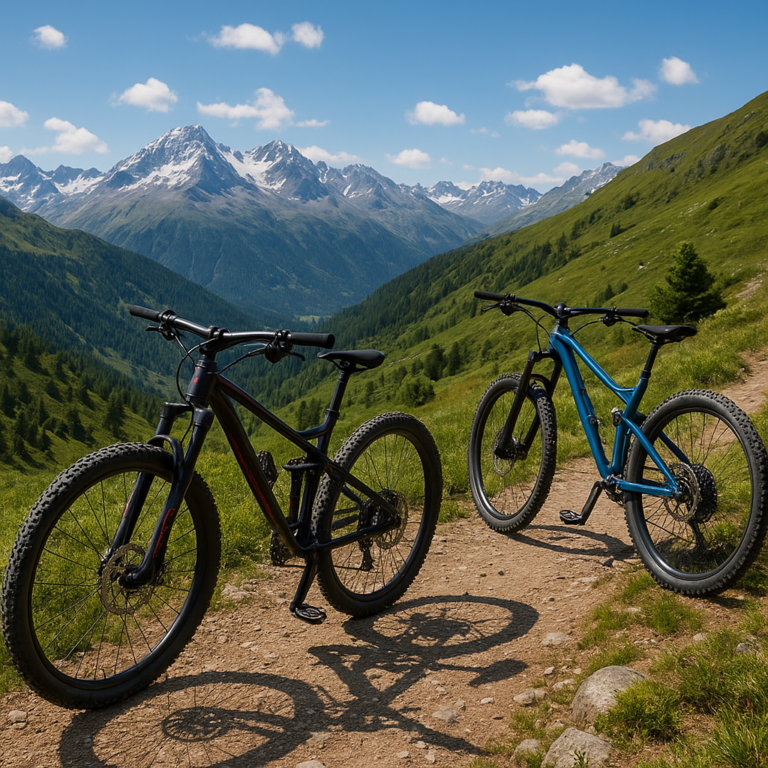
4. Raleigh Mountain Bikes: Conquering the Trails
Raleigh’s mountain bike range, often under the All Terrain or Serious Suspension series, is designed to handle rough stuff.
- Suspension: Many models come with front suspension forks to soak up bumps.
- Durability: Built to take a beating, though not quite at the level of high-end mountain bike brands like Specialized or Trek.
- Best For: Light trail riding, fire roads, and commuting on rough surfaces.
5. Raleigh City & Commuter Bikes: Urban Mobility Mastered
For the daily grind, Raleigh offers a range of city bikes. These are practical, reliable, and often come with fenders and racks.
- Features: Internal gear hubs (like Shimano Nexus), disc brakes, and sturdy frames.
- Why Choose: Low maintenance and great for stop-and-go traffic.
6. Raleigh Kids & Junior Bikes: Growing Riders, Big Adventures
Raleigh has a strong history with kids’ bikes, from the Chiper to the Grifter.
- Junior Style Range: Hand-built wheels, ball bearing headsets, and durable components.
- Play Bikes: Entry-level options for younger kids, focusing on fun and safety.
- The Grifter: A legendary model from the 70s, known for its ruggedness and balloon tires.
🔧 Raleigh Bike Components & Build Quality: What’s Under the Hood?
When you buy a Raleigh, you’re buying into a specific level of quality. Let’s get technical.
Frame Materials
- Modern Frames: Most modern Raleighs use aluminum alloy or steel. Aluminum is light and rust-proof, while steel offers a smoother ride and classic feel.
- Vintage Frames: If you find a pre-190s Raleigh, you’re likely looking at Reynolds 531 or Reynolds 753 steel tubing. These are legendary for their strength and ride quality.
Components
- Drivetrain: Modern Raleighs often use Shimano components (Altus, Acera, or Alivio). These are reliable and easy to service.
- Brakes: You’ll find a mix of V-brakes and disc brakes (mechanical or hydraulic) depending on the model.
- Wheels: Modern models use standard rims, but vintage models might have unique sizes (like the 20″ rear wheel on the Chopper).
Build Quality Assessment
| Aspect | Rating (1-10) | Notes |
|---|---|---|
| Design Aesthetics | 9 | Classic British styling is hard to beat. |
| Component Quality | 7 | Good entry-to-mid-level components. |
| Frame Durability | 8 | Steel frames last forever; aluminum is solid. |
| Ride Comfort | 8 | Steel frames and balloon tires offer a smooth ride. |
| Value for Money | 8 | Great bang for your buck, especially for beginners. |
Pro Tip: If you’re buying a used Raleigh, check the headset and bottom bracket. Vintage Raleighs used a unique 26 threads per inch (TPI) standard, which can make finding replacement parts tricky.
📏 Sizing Guide: How to Choose the Right Raleigh Bike Frame Size
Getting the wrong size bike is a recipe for disaster. You’ll be uncomfortable, inefficient, and possibly injured. Here’s how to get it right.
The Golden Rule
Standover Height: You should have at least 1-2 inches of clearance between your crotch and the top tube when standing over the bike.
Size Chart (General Guide)
| Rider Height | Frame Size (Inches) | Frame Size (CM) | Wheel Size |
|---|---|---|---|
| 4’10” – 5’2″ | 13″ – 14″ | 3 – 35 | 24″ |
| 5’2″ – 5’6″ | 15″ – 16″ | 38 – 41 | 26″ |
| 5’6″ – 5’10” | 17″ – 18″ | 43 – 46 | 27.5″ / 70c |
| 5’10” – 6’2″ | 19″ – 20″ | 48 – 51 | 27.5″ / 70c |
| 6’2″ – 6’4″ | 21″ – 2″ | 53 – 56 | 29″ / 70c |
Note: These are general guidelines. Always check the specific model’s geometry chart.
Special Considerations
- Vintage Bikes: Sizing can be tricky. A 1970s Raleigh might have different geometry than a modern one.
- Kids’ Bikes: Measure the child’s inseam, not just their height.
🛠️ Maintenance & Care: Keeping Your Raleigh Rolling Smoothly
Whether you have a vintage Chopper or a modern city bike, maintenance is key.
Routine Checks
- Tire Pressure: Check weekly. Under-inflated tires make riding harder and increase the risk of punctures.
- Chain Lubrication: Clean and lube your chain every 10 miles or after a wet ride.
- Brake Pads: Inspect for wear. If they’re thin, replace them immediately.
Vintage Bike Care
- Rust Prevention: Old steel frames are prone to rust. Keep them dry and apply a light coat of oil to the frame.
- Parts Sourcing: Finding parts for vintage Raleighs can be a challenge. Join online forums and check specialized vintage bike shops.
Step-by-Step: Basic Tune-Up
- Clean the bike: Use a mild soap and water. Avoid high-pressure hoses.
- Lubricate the chain: Apply lube to each link, then wipe off the excess.
- Check brakes: Squeeze the levers. They should feel firm, not spongy.
- Tighten bolts: Check the stem, handlebars, and seat post.
💰 Value for Money: Are Raleigh Bikes Worth the Hype?
This is the million-dollar question. Are Raleigh bikes worth the price?
The Case for Yes
- Heritage: You’re buying a piece of history.
- Style: The classic designs are timeless.
- Durability: Especially the vintage steel models, which are built to last a lifetime.
- Affordability: Modern Raleighs offer great value for beginners.
The Case for No
- Component Quality: They often use entry-level components compared to specialized brands.
- Weight: Some models, especially the cruisers, can be heavy.
- Resale Value: While vintage models hold value well, modern entry-level bikes depreciate quickly.
Verdict: If you’re looking for a stylish, reliable bike for casual riding or commuting, a Raleigh is an excellent choice. If you’re a serious racer or off-road enthusiast, you might want to look at more specialized brands.
🆚 Raleigh vs. Competitors: How Does the Brand Stack Up?
How does Raleigh compare to the big names?
Raleigh vs. Schwinn
- Raleigh: Stronger British heritage, better vintage models.
- Schwinn: More popular in the US, similar vintage appeal.
- Winner: It depends on your location and taste. Both have great vintage models.
Raleigh vs. Trek/Specialized
- Raleigh: Better value for casual riders, classic styling.
- Trek/Specialized: Better performance, higher-end components, more advanced technology.
- Winner: For performance, Trek/Specialized. For style and value, Raleigh.
Raleigh vs. Giant
- Raleigh: More focus on classic designs.
- Giant: Better manufacturing technology, often better value for money.
- Winner: Giant for modern performance, Raleigh for retro charm.
🛒 Where to Buy: Authorized Dealers and Online Options
Ready to ride? Here’s where you can find your new Raleigh.
Online Retailers
- Amazon: Great for new models and accessories.
- eBay: The best place for vintage Raleighs.
- Specialized Bike Shops: Check local shops for new models.
Authorized Dealers
Raleigh has a network of authorized dealers worldwide. Check the Raleigh Official Website for a dealer locator.
👉 Shop Raleigh on:
- Amazon: Search for Raleigh Bikes on Amazon
- eBay: Search for Vintage Raleigh Bikes on eBay
- Raleigh Official: Visit Raleigh Bikes Official Site
🎨 Customization & Upgrades: Making Your Raleigh Uniquely Yours
One of the best things about Raleigh bikes is how easy they are to customize.
Popular Upgrades
- Handlebars: Swap stock bars for riser bars or drop bars.
- Saddles: Upgrade to a more comfortable saddle.
- Wheels: Install lighter or stronger wheels.
- Paint: Repaint your frame for a fresh look.
Vintage Customization
- Restoration: Restore a vintage Raleigh to its original glory.
- Café Racer Style: Turn a classic roadster into a modern café racer.
🏆 Collecting Vintage Raleighs: A Guide for Enthusiasts
Collecting vintage Raleighs is a rewarding hobby. Here’s how to get started.
What to Look For
- Rarity: Models like the Chopper Mk1 or Burner are highly sought after.
- Condition: Original parts and paint are key.
- Documentation: Keep any original manuals or receipts.
Where to Find Them
- Estate Sales: Great place to find hidden gems.
- Online Marketplaces: eBay and specialized forums.
- Bike Shows: Attend local bike shows to meet other collectors.
Featured Video: The Evolution of Raleigh
For a visual journey through the history of Raleigh’s most iconic models, check out this video that dives deep into the Raleigh Boxer, Chiper, Burner, and Chopper. It’s a must-watch for any enthusiast.
🎥 Watch: The Evolution of Raleigh Bikes
❓ Frequently Asked Questions About Raleigh Bicycles
How do you date a vintage Raleigh bike?
Dating a vintage Raleigh involves checking the frame serial number. The serial number is usually stamped on the bottom bracket or the rear dropout. You can use online databases or contact Raleigh’s heritage department for assistance.
Do they still make Raleigh products?
Yes, Raleigh still produces bikes today, but they are manufactured in Asia. The brand is owned by the Accell Group and focuses on modern designs with a retro aesthetic.
Are old Raleigh bikes worth anything?
It depends on the model and condition. Rare models like the Chopper Mk1 or Burner in pristine condition can be worth thousands. Common models may only be worth a few hundred.
Does Raleigh bikes still exist?
Yes, Raleigh is very much alive. They continue to produce a wide range of bikes for all types of riders.
Are Raleigh bikes still made in the UK?
No, Raleigh bikes have not been made in the UK since the late 190s. Production is now outsourced to countries like Vietnam, China, and Taiwan.
What is the best Raleigh bike for commuting?
The Raleigh City or Comuter series is ideal for daily commuting. They come with fenders, racks, and reliable gearing.
How much do vintage Raleigh bikes cost today?
Prices vary widely. A common vintage model might cost $10-$30, while rare models like the Chopper Mk1 can fetch $1,0 or more.
Where can I find a Raleigh bike dealer near me?
Use the dealer locator on the Raleigh official website or check local bike shops. Many independent shops also carry Raleigh bikes.
🔗 Recommended Links & Resources
- Raleigh Bikes Official Website: Visit Raleigh
- Amazon Search: Raleigh Bikes
- eBay Search: Vintage Raleigh Bikes
- Bike Brands™ Category: Bike Brand Guides: Explore Guides
- Bike Brands™ Category: Bike Reviews: Read Reviews
- Bike Brands™ Category: Electric Bikes: Check E-Bikes
- Bike Brands™ Category: Bike Accessories: Find Accessories
- Bike Brands™ Category: City Bikes: Browse City Bikes
Books:
- Raleigh: The Story of a British Bicycle Company by David B. Wilson
- The Bicycle Book by Bill Mason
📚 Reference Links & Sources
- Raleigh Bicycle Company – Wikipedia: Read the Full History
- Accell Group: Official Corporate Site
- BikeRaleigh (City of Raleigh): Bike Program Info
- Raleigh Cycles (Official): Brand Overview
🏁 Conclusion: Why the Raleigh Legacy Endures

So, we’ve taken a long ride through the history, models, and quirks of Raleigh bikes. We’ve seen how a small shop in Nottingham grew into a global giant, how the Chopper became a cultural icon, and how the brand has adapted to the modern world.
The Verdict:
- Positives: Timeless design, durable steel frames (vintage), great value for beginners, and a rich heritage.
- Negatives: Modern models use entry-level components, and vintage parts can be hard to find.
Our Recommendation:
If you’re a beginner looking for a stylish, reliable bike, or a collector hunting for a piece of history, Raleigh is a fantastic choice. For the casual rider, a modern Raleigh city bike offers great value. For the enthusiast, a vintage Raleigh is a treasure trove of nostalgia and engineering.
Final Thought:
Remember that first video we mentioned? It showed how the Chopper was “pure freedom in the summer.” That feeling hasn’t changed. Whether you’re riding a 1970s Chopper or a 2024 city bike, the joy of the ride is what matters. So, hop on, pedal out, and enjoy the legacy.
Ready to ride? Check out our Bike Brand Guides for more insights, or dive into our Bike Reviews to find your perfect match.