Support our educational content for free when you purchase through links on our site. Learn more
Choose the Right Mountain Bike for Your Trails 🚵

To answer “How do I choose the right mountain bike for my terrain and riding style?”, start with the trails you ride most, then match the bike type, fit, tires, and suspension to those conditions. A versatile trail bike suits a mix of climbs, roots, rocks, and descents; smoother trails often call for an efficient XC bike or hardtail, while steep, rough terrain may reward an enduro bike.
We’ve seen riders buy a long-travel bike for mellow local trails, then spend every climb wishing it were lighter. We’ve also watched a simple tire change transform a bike’s confidence on loose dirt. The lesson: the right match matters more than the biggest spec sheet.
Key Takeaways
- Choose for your usual terrain: XC bikes favor speed and climbing, trail bikes balance varied riding, and enduro bikes prioritize rough descents.
- Decide between hardtail and full suspension based on trail roughness, comfort, efficiency, and your willingness to maintain extra components.
- Get the fit right: compare the maker’s size chart, reach, and riding position, then test ride if possible.
- Treat wheels and tires as part of the setup: size, tread, casing, and pressure all influence traction and handling.
- Compare the whole bike, not one headline feature: reliable brakes, suitable suspension, durable tires, and local service support can matter more than a premium component.
Table of Contents
- ⚡️ Quick Tips and Facts: Choosing a Mountain Bike
- 🗺️ Mountain Bike Basics: How Terrain and Riding Style Shape Your Choice
- 🔎 Start With Your Terrain and Riding Goals
- How to describe the trails you ride
- How often you ride, and what you want to improve
- 🌲 9 Mountain Bike Types Matched to Terrain and Riding Style
- 1. Cross-country mountain bikes for speed and climbing
- 2. Trail bikes for all-around riding
- 3. Downcountry bikes for fast, rough trail rides
- 4. Enduro bikes for steep, technical descents
- 5. Downhill bikes for lift-accessed bike parks
- 6. Hardtails for simplicity and lower-maintenance riding
- 7. Full-suspension bikes for comfort and control
- 8. Fat bikes for snow, sand, and loose surfaces
- 9. Electric mountain bikes for extra range and climbing support
- 🧭 Match Bike Style to Your Local Trails
- Smooth paths, mellow singletrack, and gravel connectors
- Rooty, rocky, and rolling trails
- Step climbs, sharp turns, and technical descents
- Bike parks, jumps, drops, and lift-accessed terrain
- Mud, sand, snow, and other challenging conditions
- 🛠️ Hardtail or Full Suspension?
- Hardtail mountain bike pros and trade-offs
- Full-suspension mountain bike pros and trade-offs
- When a short-travel or long-travel bike makes sense
- 📏 Find the Right Mountain Bike Size and Fit
- How to choose a frame size using height and inseam
- Reach, stack, standover, and riding position explained
- How to test-ride a mountain bike for fit
- Women’s mountain bikes and inclusive fit considerations
- 🛞 Wheel Size, Tires, and Traction
- 29-inch, 27.5-inch, and mixed-wheel mountain bikes
- How tire width, tread, and casing affect grip
- Tubeless tires, inserts, and puncture protection
- 📐 Geometry and Suspension: What the Numbers Mean
- Head angle, wheelbase, and stability
- Seat angle, reach, and climbing position
- Suspension travel, fork quality, and shock setup
- ⚙️ Components That Change the Ride
- Brakes, rotor size, and stopping power
- Gears, drivetrain range, and shifting
- Droper posts, handlebars, stems, and contact points
- Frame materials: aluminum, carbon, steel, and titanium
- 🔋 Choosing an Electric Mountain Bike
- E-MTB hardtail or full suspension
- Motor support, battery capacity, range, and charging
- E-MTB weight, handling, and trail access
- 💰 Set a Budget and Compare Bike Value
- Where to spend and where you can save
- New, used, and pre-owned mountain bikes
- Questions to ask before buying a used MTB
- ✅ Mountain Bike Test-Ride and Buying Checklist
- What to check on the bike and its components
- Questions for a local bike shop
- Common mountain bike buying mistakes to avoid
- 🧰 First Setup, Safety Gear, and Ongoing Maintenance
- Set tire pressure and suspension sag
- Helmet, repair kit, and essential trail gear
- Basic cleaning, servicing, and replacement parts
- ❓ Frequently Asked Questions About Choosing a Mountain Bike
- What type of mountain bike is best for beginners?
- How much suspension travel do I need?
- Is a 29er or 27.5-inch mountain bike better?
- Can I ride a cross-country bike on technical trails?
- Should I buy a mountain bike online or from a bike shop?
- 🏁 Conclusion
- 🔗 Recommended Links
- 📚 Reference Links
⚡️ Quick Tips and Facts: Choosing a Mountain Bike
The best mountain bike is the one that suits the trails you actually ride, not the one with the longest travel or the flashiest carbon. Start with your terrain, then choose the bike category, fit, and components that support your riding style.
| If you mostly ride… | Start by considering… | Why |
|---|---|---|
| Smooth trails, long routes, and climbs | Cross-country (XC) bike or hardtail | Efficient pedaling and lower weight |
| A mix of climbs, roots, rocks, and descents | Trail bike | A versatile balance of climbing and descending |
| Step, rough trails and demanding descents | Enduro bike | More suspension and stability for aggressive riding |
| Lift-served bike parks | Downhill bike | Built for descending, not routine uphill pedaling |
| Snow, sand, or other soft surfaces | Fat bike | Extra-wide tires help float over loose ground |
| Longer rides with extra climbing support | Electric mountain bike (e-MTB) | Pedal assist can extend your range and reduce climbing effort |
Quick facts:
- Hardtails have front suspension only; full-suspension bikes have front and rear suspension.
- Suspension travel is measured in millimeters. More travel generally means more capacity for rough terrain, but it can add weight and reduce pedaling efficiency.
- 29-inch wheels tend to roll over obstacles smoothly; 27.5-inch wheels can feel more nimble. Rider height, frame fit, and handling preference matter too.
- Tires are a major part of how a bike feels. Tread, casing, width, and pressure affect grip, speed, and comfort.
- Trek’s buyer’s guide puts the decision plainly: “Your local terrain and riding style will determine what’s just right for you.” That’s sound advice, even if there’s no universal bike-category border between “trail” and “enduro.”
- New to the sport? A trail bike is often a practical starting point for varied singletrack. For smoother trails and a simpler setup, a hardtail may be the smarter choice.
Our bikers at Bike Brands™ have watched riders buy more suspension than their local trails can use, then wonder why the bike feels sluggish on the way up. We’ve also seen the reverse: a lightweight XC bike meeting a rocky descent and making its rider wish for a little more margin. The right match avoids both surprises.
For more cycling advice, browse our Bike Brand Guides and Bike Reviews. Curious about a bike brand with a mountain in its name? Here’s our guide to what bike brand has a mountain in the name.
🗺️ Mountain Bike Basics: How Terrain and Riding Style Shape Your Choice
Mountain bikes may share knobby tires and a sturdy look, but they’re not all built for the same job. An XC bike is a quick climber; a downhill bike is a confident descender. A trail bike tries to keep both personalities in the same garage.
The Trek mountain bike buyer’s guide groups its advice around terrain, suspension, and bike type. The category language varies across brands and regions, but the underlying trade-off is consistent: climbing efficiency, descending confidence, comfort, and weight pull against one another.
| Design priority | What it tends to improve | What it may compromise |
|---|---|---|
| Low weight and efficient pedaling | Climbing and long-distance speed | Comfort and composure on very rough descents |
| More suspension travel | Control and comfort over bigger impacts | Weight, cost of maintenance, and climbing feel |
| Slacker geometry and longer wheelbase | Stability at speed and on steep descents | Tight, slow-speed maneuverability |
| Faster, lower-profile tires | Rolling speed on firm ground | Grip in loose, muddy, or rocky conditions |
| Wider, more aggressive tires | Traction and confidence | Rolling resistance and sometimes weight |
One video featured in this article describes bike shopping as a “minefield” of choices and sorts bikes by intended use, from hardtails and XC bikes to downhill, dirt-jump, and fat bikes. Its broad message is a useful one: start with where and how you ride, then pick the bike. You can revisit that perspective in the first YouTube video.
How to describe the trails you ride
Before comparing brands, describe your usual rides in plain language:
- Surface: hardpack, loose dirt, gravel connectors, mud, roots, rocks, sand, or snow.
- Trail shape: flat loops, rolling terrain, long climbs, steep pitches, switchbacks, or sustained descents.
- Features: small bumps, rock gardens, drops, jumps, berms, or technical ledges.
- Ride length: short sessions, all-day outings, or long-distance routes.
- Access: pedal-up trails, shuttle routes, or chairlift-served parks.
A useful rule from The Pro’s Closet’s mountain bike category overview is that bike categories describe different priorities, not rigid laws. “Trail” and “all-mountain” can overlap; a brand’s “trail” bike may be another brand’s shorter-travel enduro bike. Compare geometry, travel, and intended use—not just the label on the downtube.
How often you ride, and what you want to improve
Your present skill matters, but your goals matter too. If you’re learning cornering and braking on local singletrack, a manageable hardtail or trail bike can help you build skills without paying for capability you rarely use. If your goal is to ride rough descents faster, a more capable full-suspension bike may be worth considering.
Ask yourself:
- Do I want to climb faster, descend with more confidence, ride farther, or practice jumps?
- Will I ride this bike mostly one kind of trail, or take it everywhere?
- Am I comfortable maintaining suspension, brakes, and tubeless tires?
- Do I want a bike that suits my current pace, or one with room to grow?
Our team has seen a rider’s “future-proof” purchase turn into a heavy bike that spent most of its life on smooth paths. We’ve also seen a rider begin on a hardtail, gain confidence, and later choose a full-suspension bike with a much clearer idea of what they wanted. Buy for your most common rides, with enough capability for the occasional adventure.
🌲 9 Mountain Bike Types Matched to Terrain and Riding Style
Here’s a practical guide to the main mountain bike styles. The categories overlap, and specifications change between models and model years, so use the table as a starting point rather than a strict formula.
| Bike type | Best suited to | Typical strengths | Main trade-off |
|---|---|---|---|
| Cross-country (XC) | Smooth-to-moderately rough trails, racing, long climbs | Light, efficient, quick | Less forgiving on rough descents |
| Trail | Varied everyday singletrack | Versatile balance | Not as specialized as an XC or enduro bike |
| Downcountry | XC-style speed with more trail capability | Efficient, but more descent-ready than a pure XC bike | Still not a substitute for a long-travel bike on very rough terrain |
| Enduro | Step, technical descents with pedal-up access | Stable and capable downhill | Heavier and less lively on climbs |
| Downhill (DH) | Lift-served or shuttle-accessed descents | High-speed control and impact capacity | Poor choice for regular pedal-up rides |
| Hardtail | Smooth trails, learning, simpler ownership | Direct feel, lower maintenance needs | Rear wheel gives less comfort on rough ground |
| Full suspension | Rooty, rocky, or rough trails | More comfort and rear-wheel tracking | More weight and additional service needs |
| Fat bike | Snow, sand, and soft terrain | Float and traction on loose surfaces | Slower and more demanding to pedal on firm ground |
| Electric MTB (e-MTB) | Longer rides, steep climbs, or assisted exploration | Motor support and extended ride options | More weight, complexity, and charging needs |
1. Cross-country mountain bikes for speed and climbing
XC bikes prioritize pedaling efficiency, low weight, and responsive acceleration. They’re a good fit for riders who cover distance, enjoy climbing, race, or mostly ride smoother trails. Many modern XC bikes can handle more technical ground than older race bikes, but they’re still designed to reward efficient riding.
- Best for: long loops, smoother singletrack, climbing, and XC racing.
- Potential drawbacks: less suspension and lighter-duty parts may be less comfortable or robust on repeated big impacts.
- Examples: Trek Procaliber hardtails and Supercaliber full-suspension bikes illustrate different approaches to XC riding. Check the current specifications on Trek’s mountain bike range.
If your favorite part of a ride is the climb and you like carrying speed, XC may feel like a keen hiking partner. If you’d rather charge through rock gardens, that same bike may ask for more rider input than you want.
2. Trail bikes for all-around riding
Trail bikes are the versatile middle ground: capable enough for varied singletrack, but generally easier to pedal than a long-travel enduro bike. They’re a strong option when your local riding includes a mixture of climbs, roots, rocks, and descents.
The Pro’s Closet describes trail bikes as an all-around category; Trek likewise calls them a useful place to start if you want one bike for a broad range of trails. The agreement is more important than the wording: trail bikes suit riders who don’t want to specialize too early.
- Best for: mixed terrain and everyday trail riding.
- Potential drawbacks: a trail bike may feel less fast than an XC bike on smoother routes and less composed than an enduro bike on very steep, rough descents.
- Examples: Trek Fuel EX and Specialized Stumpjumper families are worth comparing for trail-focused options. Confirm each current model’s travel and setup through Trek and Specialized.
3. Downcountry bikes for fast, rough trail rides
“Downcountry” generally describes an efficient, XC-influenced bike with extra descending capability. It can make sense for riders who enjoy long, fast rides but want more comfort and control than a dedicated race setup offers.
- Best for: rolling trails, long days, and moderate technical descents.
- Potential drawbacks: the label isn’t standardized. A downcountry bike may overlap with an XC bike or a short-travel trail bike.
- Shopping tip: compare geometry, tire clearance, suspension travel, and components. Don’t buy based on the category name alone.
For one brand-specific example, Trek’s Top Fuel range has been positioned as a balance between XC efficiency and trail capability; model specifications vary, so check the current official model page.
4. Enduro bikes for steep, technical descents
Enduro bikes are designed for riders who prioritize descending on rugged terrain but still need to pedal or push back to the top. They typically use more travel and geometry that favors stability over the speed and nimbleness of an XC setup.
- Best for: steep, rocky trails and aggressive riding.
- Potential drawbacks: extra travel and robust components can make long climbs feel slower.
- A useful distinction: enduro doesn’t always mean lift access. It can describe a pedalable bike intended for difficult downhill terrain.
The exact line between trail, all-mountain, and enduro varies by brand and region. That’s why a trail test ride and a look at the geometry chart beat arguing over category labels.
5. Downhill bikes for lift-accessed bike parks
Downhill bikes are built primarily to descend steep, rough terrain at speed. Their robust frames, suspension, and components are designed around high-impact use, while climbing efficiency is not the main goal.
Trek’s buyer guide gives a practical warning: “Only start with a downhill bike if you plan to use a chairlift or shuttle truck.” We’d add that frequent bike-park riders should also consider protective gear, transport, and maintenance.
- Best for: lift-served parks, shuttle laps, and dedicated downhill courses.
- Potential drawbacks: cumbersome for everyday climbing and less versatile as an only bike.
- Examples: Trek Session and Specialized Demo are downhill-oriented model families; verify current options and specifications with Trek and Specialized.
6. Hardtails for simplicity and lower-maintenance riding
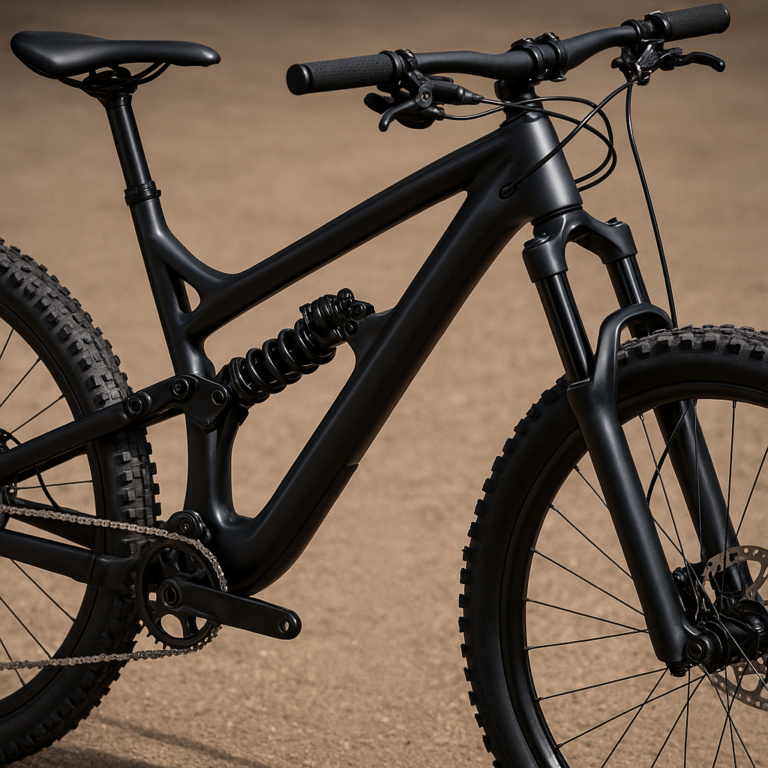
A hardtail has a suspension fork but no rear shock or rear suspension linkage. That simpler design often means fewer suspension parts to service, direct pedaling feel, and a clear connection to the trail.
- Best for: smoother trails, riders who value simplicity, and developing skills.
- Benefits: generally easier to maintain than a comparable full-suspension bike; often a good fit for efficient riding.
- Drawbacks: the rear wheel and rider absorb more of the bumps on rough terrain, which can reduce comfort and traction.
- Examples: Trek Marlin and Roscoe illustrate different hardtail intentions, from accessible trail use to rougher riding. Check current details on Trek’s official site.
A hardtail is not a “beginer-only” bike. Plenty of experienced riders enjoy the simplicity and the way it encourages careful line choice. The video’s description of hardtails as “great beginners bikes” and “great all-rounders” is useful, but the right hardtail still depends on tire clearance, geometry, fork, and terrain.
7. Full-suspension bikes for comfort and control
Full-suspension bikes use a suspension fork and rear shock. On uneven ground, rear suspension can help the back wheel stay in contact with the trail, improving comfort and control. It does not make rocks disappear; it gives you another tool for managing them.
- Best for: rough trails, repeated roots and rocks, and riders seeking added comfort.
- Benefits: more suspension support and often better composure on rough descents.
- Drawbacks: more parts to maintain and a setup that affects how the bike pedals and handles.
- Setup matters: set sag and rebound to your weight and riding needs. Trek’s guide also recommends adjusting air-sprung suspension to the rider; follow the instructions for your specific fork and shock.
8. Fat bikes for snow, sand, and loose surfaces
Fat bikes use very wide tires to improve flotation and traction on surfaces where standard-width tires can sink or struggle. They’re especially useful for snow and sand, though tire choice and pressure still matter.
- Best for: soft surfaces and certain winter or beach rides.
- Benefits: flotation and a distinctive, stable feel on loose terrain.
- Drawbacks: wide tires can feel slow and require more effort on firm trails.
- Example: Trek’s Farley family is an example of a fat-bike platform; check current configurations on Trek’s official site.
“Go anywhere” is an appealing phrase, but no tire makes deep sand easy. Surface conditions, tire pressure, and rider technique still get a vote.
9. Electric mountain bikes for extra range and climbing support
An e-MTB adds pedal assistance to a mountain bike. It can help riders tackle longer routes, repeated climbs, or group rides with differing fitness levels. It still needs pedaling, handling, and sensible trail choices.
- Best for: riders who want assistance on climbs or more range in a given ride.
- Benefits: motor support can make steep climbing more accessible and help extend an outing.
- Drawbacks: extra weight, a battery and motor to manage, and potential trail-access rules to check.
- Examples: Trek Powerfly and Specialized Turbo Levo families represent e-MTB options. Browse our Electric Bikes category and compare current manufacturer information from Trek and Specialized.
Don’t select an e-MTB by motor torque or battery capacity alone. Fit, handling, riding mode, battery range, service support, and the rules at your riding areas matter just as much.
🧭 Match Bike Style to Your Local Trails
A bike that feels terrific on a smooth loop may feel under-equipped on steep rock slabs. A long-travel bike that inspires confidence on a descent can feel like overkill on a mellow trail network. Use the trail conditions you encounter most often—not the gnarliest trail you might ride once a year—as your baseline.
| Trail character | A sensible starting point | What to prioritize |
|---|---|---|
| Smooth and fast | XC bike or hardtail | Efficiency, fit, and faster-rolling tires |
| Mixed roots and rocks | Trail bike | Balanced suspension, traction, and comfort |
| Step and rough | Trail or enduro bike | Control, suitable travel, strong brakes, durable tires |
| Lift-accessed descents | Downhill bike | Stable handling, robust components, protective gear |
| Snow or sand | Fat bike | Tire volume, suitable pressure, and flotation |
Smooth paths, mellow singletrack, and gravel connectors
For smoother trails and longer rides, an XC bike or hardtail can be a sensible match. Lighter, faster-rolling tires and efficient geometry help maintain speed. If your route includes occasional rough patches, prioritize a suitable fork and durable tires rather than jumping straight to a long-travel frame.
If your riding is mostly paved paths and city streets with only occasional dirt, an MTB may not be the most efficient choice. Our City Bikes category can help you compare bikes better suited to daily urban riding.
Rooty, rocky, and rolling trails
A trail bike is often a good starting point for mixed terrain. Look for a comfortable fit, a capable fork, hydraulic disc brakes, a droper post if the bike’s intended use supports one, and tires that suit the local surface.
Our team tends to favor a versatile tire setup for mixed routes: a grippier front tire for steering confidence and a somewhat faster-rolling rear tire when conditions allow. That’s a preference, not a rule; wet roots or loose corners may call for more grip at both ends.
Step climbs, sharp turns, and technical descents
Step and technical trails reward control, predictable braking, traction, and a fit that lets you move around the bike. A trail or enduro bike may suit this terrain, depending on how rough and descent-focused your rides are.
Check:
- Whether the suspension travel matches the size and frequency of impacts.
- Whether the brakes feel powerful and easy to modulate.
- Whether the tires have enough casing protection for rocks.
- Whether the geometry feels stable without being awkward on slow, tight turns.
More suspension cannot compensate for poor line choice or a badly set-up bike, but the right bike can give you a wider comfort zone.
Bike parks, jumps, drops, and lift-accessed terrain
For regular lift-served downhill riding, a downhill bike may make sense. For occasional park days mixed with regular trail rides, a trail or enduro bike may be more versatile. For dedicated jumps, pump tracks, and tricks, a dirt-jump bike is a different tool: typically compact, maneuverable, and not intended for long-distance trail climbing.
The featured video also separates dirt-jump and slopestyle bikes from trail and downhill bikes. That distinction matters: a jump bike is not simply a small trail bike. Get a bike designed for the feature you want to ride, and wear protective equipment appropriate to the risk.
Mud, sand, snow, and other challenging conditions
Tires are often the first adjustment to consider when conditions change. The WTB guide to choosing mountain bike tires for your terrain recommends matching tread to the surface: lower-profile knobs for firm ground, more aggressive tread for loose conditions, and tall, spaced knobs to help clear mud.
That advice is useful, but tire choice is a balance. Aggressive tread can improve grip while increasing rolling resistance. A durable casing can help protect against impacts but may add weight. Check your frame and rim clearance before increasing tire width.
🛠️ Hardtail or Full Suspension?
The simple version: choose a hardtail for simplicity and efficient riding; choose full suspension when the comfort and control of rear suspension suit your terrain and priorities. Neither is automatically better.
| Consideration | Hardtail | Full suspension |
|---|---|---|
| Rear suspension | None | Rear shock and linkage |
| Trail feel | Direct; more feedback from the rear wheel | More comfort and composure on rough ground |
| Maintenance | Fewer suspension components | Additional shock and linkage service |
| Pedaling feel | Often efficient and straightforward | Depends on frame design and suspension setup |
| Best fit | Smother trails, simplicity, and budget-conscious builds | Rougher trails and riders prioritizing comfort and control |
Hardtail mountain bike pros and trade-offs
Pros
- A simpler suspension system with fewer rear-suspension parts.
- Direct pedaling feel and a clear sense of the trail.
- A practical choice for smoother singletrack and general riding.
- Can build skills in choosing lines and managing bumps.
Trade-offs
- The rear wheel has no shock to absorb impacts.
- Rough trails may feel more tiring or less forgiving.
- A low-spec fork or tires can limit performance even when the frame is capable.
A hardtail may be a great first mountain bike, but it is not automatically the best beginner bike. If the trails near home are rough and you value comfort, a well-fitting short-travel full-suspension bike may be more enjoyable.
Full-suspension mountain bike pros and trade-offs
Pros
- Front and rear suspension help manage uneven terrain.
- Rear-wheel tracking can improve comfort and traction on rough trails.
- More suspension can give riders added confidence on descents.
Trade-offs
- More components require inspection and periodic service.
- Setup affects handling: sag, rebound, and compression settings matter.
- The bike may feel heavier and cost more to maintain than a simpler hardtail.
Trek’s guide describes the same basic compromise: full suspension adds comfort and control, while a hardtail is generally lighter, simpler, and efficient to pedal. The right choice depends on your trails and how much maintenance you’re willing to handle.
When a short-travel or long-travel bike makes sense
Travel is the distance the suspension can compress, usually listed in millimeters. It helps describe a bike’s intended use, but travel alone does not tell you how a bike rides. Geometry, suspension design, tires, and setup all affect handling.
- Shorter travel: suits smoother trails, climbing efficiency, and riders who prioritize speed.
- Mid-range travel: can suit mixed terrain and all-around trail riding.
- Longer travel: makes more sense for bigger impacts, steep descents, and aggressive terrain.
The “right” amount depends on the trail and the bike’s design. Compare complete bikes, not just fork and shock numbers.
📏 Find the Right Mountain Bike Size and Fit
A well-fitting bike is easier to control and more comfortable. Start with the manufacturer’s size chart, then consider reach, standover, saddle position, and how the bike feels during a test ride. Height alone cannot guarantee fit, since riders of the same height can have different leg, torso, and arm proportions.
How to choose a frame size using height and inseam
Use this process:
- Measure your height and inseam in the way the bike maker recommends.
- Check the specific model’s size chart. Sizing can differ across brands and even model families.
- Compare the next size up or down if you fall near a size boundary.
- Check standover and reach, not just the letter on the frame.
- Test ride when possible, especially if you’re between sizes or buying a costly bike.
Trek provides model-specific sizing guidance in its mountain bike buyer’s guide. Other brands may use different size labels or geometry, so don’t assume a “medium” from one brand matches a “medium” from another.
Reach, stack, standover, and riding position explained
| Fit term | What it describes | Why it matters |
|---|---|---|
| Reach | Horizontal distance from the bottom bracket area to the top of the head tube | Helps describe room to stand and move over the bike |
| Stack | Vertical distance to the top of the head tube | Influences handlebar height and riding position |
| Standover | Clearance between you and the frame when standing over it | Useful for comfort and maneuvering, especially on uneven terrain |
| Seat height and droper-post travel | Saddle position and how far it can lower | Affects pedaling and room to move on descents |
Geometry numbers are most useful when comparing bikes in the same size range. They don’t replace a test ride; a long reach that looks good on paper may not feel right for your body or riding style.
How to test-ride a mountain bike for fit
During a test ride, check more than whether the saddle feels comfortable in the parking lot:
- Can you stand and move around the bike without feeling cramped?
- Does the front wheel feel manageable on climbs?
- Can you lower the saddle enough for descending?
- Do the brakes and shifters fall naturally under your fingers?
- Does the bike turn predictably at slow speed and feel stable at higher speed?
- Do you feel stretched out, crowded, or balanced?
Ask a shop to adjust saddle height and cockpit position before deciding. A small setup adjustment can change the ride; a poor frame size is much harder to fix.
Women’s mountain bikes and inclusive fit considerations
Some bike lines are designed with women-specific geometry or component options; many current bikes use unisex frames with a range of sizes. Fit your body, not a marketing label. Pay attention to frame size, reach, saddle shape, crank length, handlebar width, and brake-lever reach.
A women’s-specific model may be a good fit for some riders, while another rider may prefer a unisex frame with different contact points. A knowledgeable fitter or bike shop can help compare options without assuming one design suits every woman.
🛞 Wheel Size, Tires, and Traction
Wheels and tires shape acceleration, obstacle rollover, traction, and handling. There’s no universally best wheel size—and even the best wheels can’t make the wrong tire choice disappear.
29-inch, 27.5-inch, and mixed-wheel mountain bikes
| Wheel setup | Common ride character | Considerations |
|---|---|---|
| 29-inch | Rolls smoothly over trail obstacles and can hold speed | Fit and handling preference matter; may feel large to some riders |
| 27.5-inch | Often feels nimble and responsive | Can require more effort to maintain speed over rough obstacles |
| Mixed wheel (MX or mulet) | 29-inch front and 27.5-inch rear | Combines a larger front wheel with a smaller rear; handling is design-dependent |
The Trek guide describes 29-inch wheels as rolling faster and smoothing obstacles, while 27.5-inch wheels can feel more nimble. Treat those as general tendencies, not guarantees. Frame geometry, tire choice, rider size, and trail type also change how a bike feels.
How tire width, tread, and casing affect grip
Tires are the bike’s only contact with the ground. The WTB tire guide advises matching tread to surface and priorities:
- Firm hardpack: closely spaced, lower-profile knobs can roll efficiently.
- Loose dirt: taller, more widely spaced knobs can improve bite and shed debris.
- Mud: open, tall tread can help clear mud.
- Rocky trails: durable casing and supportive knobs can help with control and protection.
A common setup is a grippier front tire and a faster-rolling rear tire, but that’s not a universal recipe. Riders who prioritize grip in wet or technical terrain may choose aggressive tires at both ends.
Tubeless tires, inserts, and puncture protection
Tubeless systems use sealant inside a compatible tire and rim instead of a traditional inner tube. They can seal some small punctures and allow riders to use lower pressures than they might with tubes, but they require compatible components and periodic maintenance.
- Confirm that your rim and tire are tubeless-compatible.
- Carry a pump, plugs, and a spare tube for trail repairs.
- Consider tire inserts if your riding involves frequent hard impacts or rim strikes.
- Check sealant levels periodically; it can dry out over time.
Tubeless isn’t puncture-proof. A large cut may still need a plug, boot, tube, or a ride home with a story.
📐 Geometry and Suspension: What the Numbers Mean
Geometry figures help explain how a bike may handle, but no single number tells the whole story. Compare bikes in the same size and category, then test ride when you can.
Head angle, wheelbase, and stability
A bike’s head angle and wheelbase contribute to steering and stability. In general, a more relaxed front-end setup and longer wheelbase can feel stable on steep descents, while a shorter, more compact bike may feel easier to maneuver in tight terrain. These are tendencies; tire size, fork offset, frame size, and rider position also matter.
Seat angle, reach, and climbing position
Seat angle, reach, and cockpit setup help determine where your body sits while pedaling. A bike that positions you well can feel more balanced on climbs and comfortable over longer rides. If a bike feels as though your front wheel wanders uphill, ask a shop to check fit and setup before blaming the frame.
Suspension travel, fork quality, and shock setup
Suspension travel is one factor; suspension quality and setup are just as important. A well-adjusted fork can perform better than a longer-travel fork set up poorly. Learn the basics of:
- Sag: how much the suspension compresses under your weight.
- Rebound: how quickly the suspension returns after compression.
- Compression: how the suspension resists compressing under impacts and rider input.
Follow the fork and shock maker’s setup instructions. If you’re unsure, ask a shop to help set initial pressure and rebound, then adjust in small steps on familiar terrain.
⚙️ Components That Change the Ride
A frame’s category gets attention, but the component package influences braking, shifting, comfort, and durability. A balanced build often beats one premium part paired with weak points elsewhere.
Brakes, rotor size, and stopping power
Hydraulic disc brakes are common on modern mountain bikes. Brake feel and power depend on the specific system, rotor size, pad condition, setup, and rider preference. For steep terrain or heavier bikes, ask whether the brake and rotor combination is appropriate for your use.
Test for:
- Predictable lever feel and comfortable reach.
- Sufficient stopping power for your terrain.
- Rotors and pads in good condition on a used bike.
- Easy access to replacement pads and service.
Gears, drivetrain range, and shifting
Modern mountain bike drivetrains often use a single front chainring with a wide-range cassette. That simplifies shifting at the front and leaves a broad selection of climbing and faster gears at the rear. Smooth setup and a suitable gear range matter more than a headline gear count.
Shimano and SRAM both make mountain bike drivetrains across different levels. Higher-tier groups may reduce weight or provide different features, but a well-maintained lower-tier drivetrain can shift reliably. Check that the lowest climbing gear suits your fitness and local climbs.
Droper posts, handlebars, stems, and contact points
A droper seatpost lets you lower the saddle from the handlebar for descents, then raise it for pedaling. It can make it easier to move around the bike, especially on technical trails.
Also consider:
- Handlebar width: affects steering leverage and comfort; it can often be adjusted by a shop.
- Stem length and bar height: influence cockpit fit and steering feel.
- Saddle shape: should suit your anatomy and riding position.
- Grips and pedals: contact points deserve attention because you touch them on every ride.
Frame materials: aluminum, carbon, steel, and titanium
| Material | Common appeal | Things to consider |
|---|---|---|
| Aluminum | Widely used and practical | Frame feel and weight vary by design |
| Carbon fiber | Can be engineered for low weight and specific ride characteristics | Inspect carefully after impacts; repairability depends on damage and specialist support |
| Steel | Often valued for durability and ride feel | Can be heavier; construction and corrosion protection vary |
| Titanium | Often chosen for durability and distinctive ride characteristics | Availability and build choices vary widely |
Material does not determine whether a bike is good. Geometry, construction quality, component selection, fit, and intended use matter more than the material name alone.
🔋 Choosing an Electric Mountain Bike
An e-MTB can make climbing and longer rides more accessible, but it should still fit your trails and body. Compare complete systems—not just motor figures—and check local access rules before buying.
E-MTB hardtail or full suspension
An e-MTB hardtail may suit smoother trails and riders who want a simpler setup. A full-suspension e-MTB can better suit rougher terrain, where rear suspension adds comfort and control. The motor and battery make electric bikes heavier than many non-electric bikes, so handling and fit deserve a proper test ride.
Motor support, battery capacity, range, and charging
Range depends on more than battery capacity. Rider weight, terrain, climbing, assist mode, temperature, tire choice, and riding style can all affect how far a charge lasts. Treat manufacturer range estimates as test-condition guidance, not a promise for every trail.
Before buying, ask:
- What assist modes does the system offer?
- Can the battery be removed for charging?
- How long does charging take, according to the manufacturer?
- What service and replacement-battery support is available?
- Does the bike provide the range you need on your usual routes?
For more options and advice, browse our Electric Bikes section.
E-MTB weight, handling, and trail access
The extra mass of an e-MTB can affect how it feels when lifting, transporting, or maneuvering at low speed. Motor assistance can help on climbs, but it doesn’t remove the need for braking skills and trail judgment.
Access rules differ between trails and land managers. Check local regulations for your specific e-MTB class and riding area before heading out; don’t assume every trail permits every type of motorized assistance.
💰 Set a Budget and Compare Bike Value
Instead of focusing one component, compare the whole package: frame, fork, shock, brakes, drivetrain, tires, wheels, and service support. A bike that fits your riding and can be maintained locally may better value than a more expensive build with parts you don’t need.
Where to spend and where you can save
Prioritize:
- Correct fit and suitable geometry.
- A fork and shock that suit your terrain, if the bike has suspension.
- Reliable brakes and a useful drivetrain range.
- Tires that provide appropriate grip and protection.
- A droper post for trail riding where lowering the saddle is useful.
- Serviceable components and accessible replacement parts.
You can often save by choosing a simpler frame material or a less expensive drivetrain tier, provided the bike still meets your needs. Avoid buying a bike with a poor fit just because its component list looks impressive.
New, used, and pre-owned mountain bikes
A new bike provides a clearer service history and manufacturer support, while a used bike may offer strong value if it has been maintained. Used suspension, worn drivetrains, damaged wheels, and tired brakes can turn an apparent bargain into an expensive repair project.
For used bikes, budget time for a careful inspection and, ideally, a shop assessment before you commit.
Questions to ask before buying a used MTB
- Can the seller explain the bike’s age, use, and service history?
- Have the fork and rear shock been serviced according to their makers’ recommendations?
- Are the frame, fork, and wheels free of cracks or significant impact damage?
- Do the brakes stop firmly without leaks or unusual noises?
- Is the drivetrain worn, skipping, or difficult to adjust?
- Are replacement parts available for the suspension and frame?
- Does the bike fit you, and is the model suitable for your trails?
If the seller won’t allow a reasonable inspection, walk away. There are other bikes, and no ride is worth buying someone else’s mystery.
✅ Mountain Bike Test-Ride and Buying Checklist
A few minutes of checking can save months of regret. Take this list to the shop or use it when comparing models.
What to check on the bike and its components
- Frame size and riding position.
- Fork and shock travel, adjustment, and serviceability.
- Tire clearance and tread suited to your terrain.
- Brake feel, lever reach, and rotor condition.
- Drivetrain range and smooth shifting.
- Droper-post operation, if fitted.
- Wheel condition, tubeless compatibility, and available replacement parts.
- Fit of pedals, saddle, grips, and handlebar.
Questions for a local bike shop
Ask the shop:
- Which size best suits my measurements and riding position?
- What trails is this model designed for?
- What maintenance should I expect for the suspension and drivetrain?
- Can you set up the suspension and explain how to adjust it?
- Are the tires tubeless-compatible, and what pressure range should I try?
- What parts are likely to need replacement after regular use?
- Can I test-ride the bike on terrain similar to mine?
A good shop should explain trade-offs clearly, not merely point to the most expensive model. If you’re comparing brands, our Bike Brand Guides and Bike Reviews offer more reading.
Common mountain bike buying mistakes to avoid
❌ Choosing a bike because it has the most travel.
❌ Assuming the same frame-size label means the same fit across brands.
❌ Ignoring tires and brakes while comparing frame specifications.
❌ Buying a downhill bike for regular uphill rides.
❌ Assuming an e-MTB’s advertised range will match every ride.
❌ Choosing aggressive tires for speed—or fast tires for grip—without considering your local conditions.
✅ Start with your trails, test the fit, and compare complete bikes.
🧰 First Setup, Safety Gear, and Ongoing Maintenance
A new bike needs a sensible setup before the first real trail ride. We’ve seen a two-minute tire-pressure adjustment make more difference to a rider’s confidence than an upgrade they’d been eyeing for months.
Set tire pressure and suspension sag
- Check the tire and rim maker’s pressure guidance and stay within the listed limits.
- Start with a pressure appropriate to your weight, tire width, casing, and trail.
- Set suspension pressure and sag using the fork and shock manufacturer’s directions.
- Begin with recommended rebound settings, then adjust gradually.
- Test on a familiar trail and change one setting at a time.
There is no single pressure that works for every rider. Tubeless setups, tire inserts, casing strength, rider weight, and terrain all influence the right setting.
Helmet, repair kit, and essential trail gear
Carry the basics, even on short rides:
- A properly fitted cycling helmet.
- Water and a way to carry it.
- A pump or inflator, tire plugs if tubeless, and a spare tube.
- A multi-tool and a chain quick link compatible with your drivetrain.
- A phone, identification, and a route plan.
- Gloves and weather-appropriate layers.
- Knee pads or a full-face helmet when the terrain and riding style justify them.
For helmets and trail kit, browse our Bike Accessories category. Pick equipment that fits properly and is intended for your kind of riding.
Basic cleaning, servicing, and replacement parts
After muddy rides, clean the bike gently and dry the drivetrain before lubricating it. Avoid directing high-pressure water at bearings and suspension seals. Inspect brake pads, tires, chain, and suspension regularly, and follow the manufacturers’ service schedules.
A mountain bike is built to get dirty; it just appreciates not being stored as a mud sculpture. Keep track of service intervals for the fork, shock, brakes, and e-MTB system, and consult a qualified mechanic if you spot damage or unusual play.
❓ Frequently Asked Questions About Choosing a Mountain Bike
What type of mountain bike is best for the trails I ride?
Choose based on your most common terrain. An XC bike or hardtail suits smoother trails and climbing; a trail bike is a versatile choice for mixed singletrack; an enduro bike suits steep, rough descents; and a downhill bike is best for regular lift- or shuttle-accessed riding. For snow or sand, consider a fat bike. If your routes are mixed, write down the trail conditions and compare the bike’s intended use, geometry, tires, and suspension—not just its category name.
How do I choose the right mountain bike wheel size for my riding style?
A 29-inch wheel may roll smoothly over obstacles and hold speed, while a 27.5-inch wheel can feel more nimble. A mixed-wheel setup combines a larger front wheel with a smaller rear wheel. These are general tendencies, not guarantees: frame size, geometry, rider height, and tire setup also shape the ride. Test ride the wheel size on a correctly sized bike when possible.
Should I get a hardtail or full-suspension mountain bike?
Choose a hardtail if you value simplicity, direct pedaling, and a bike suited to smoother trails. Consider full suspension if your usual terrain is rough or you want added comfort and control from rear suspension. Full suspension brings more components to set up and service. Neither is only for beginners or experts; the trail and your preferences should decide.
What mountain bike features matter most for beginners?
Start with fit, suitable tires, reliable brakes, a sensible gear range, and a fork appropriate to your trails. A droper post can be helpful for technical trail riding, but it isn’t essential for everyone. A hardtail can be a great first bike, while a trail bike may suit someone whose local trails are rougher. Choose a bike you can ride comfortably and maintain, rather than chasing the most expensive component package.
How much suspension travel do I need?
Use terrain as your guide. Smother trails and efficient climbing often call for less travel; rougher, steper trails may benefit from more. Travel is only one part of the ride, so compare geometry, suspension design, components, and intended use. If you’re between categories, a test ride can reveal whether you value climbing efficiency or extra descending comfort more.
Do I need an electric mountain bike?
An e-MTB may suit you if you want motor assistance for climbs, longer routes, or rides with a group whose fitness levels differ. Consider extra weight, battery charging, service support, and access rules. If you enjoy unassisted riding and your routes are manageable on a standard bike, an e-MTB may add complexity without much benefit.
What tires should I choose for my terrain?
Match tread and casing to the surface and your priorities. Faster-rolling tread can suit hardpack; taller, more open knobs may help in loose or muddy conditions; a durable casing can be useful on rocky trails. WTB’s mountain bike tire guide covers the balance between grip, speed, and protection. Confirm tire width compatibility with your frame and rims.
Should I buy a mountain bike online or from a bike shop?
Online shopping can make it easier to compare models and specifications, while a local bike shop can help with sizing, test rides, setup, and service. If buying online, verify the size chart, assembly requirements, return policy, warranty terms, and local service options. If you’re unsure about fit, a shop test ride is especially valuable.