Support our educational content for free when you purchase through links on our site. Learn more
Trek Bicycle History & Models: 51 Bikes to Know 🚲

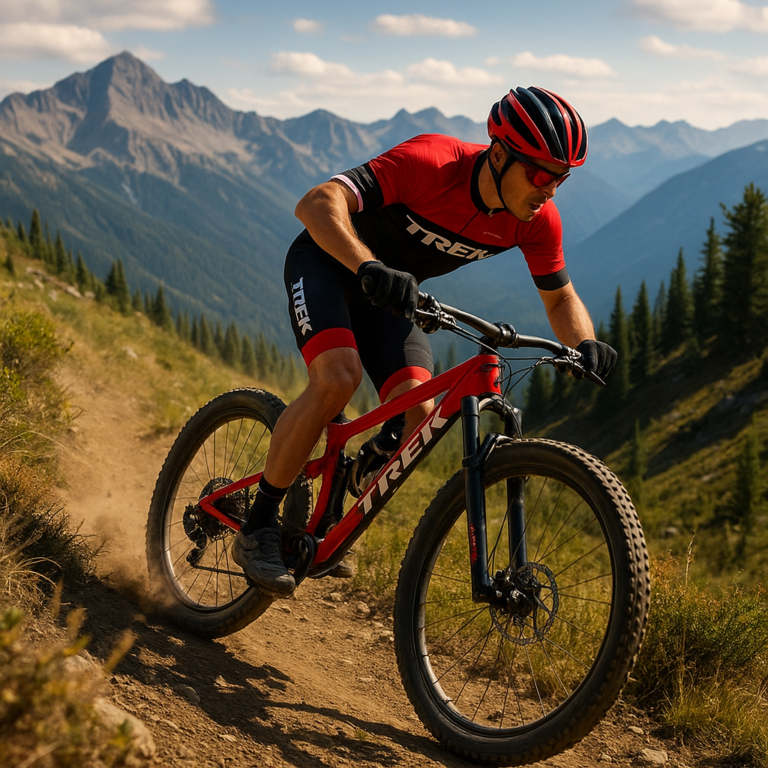
Trek bicycle brand history and models make the most sense when you start with what Trek has always chased: practical, well-enginered bikes for real riding, from long-distance steel touring frames to modern carbon race bikes and electric commuters. Founded in Wisconsin in 1976, Trek grew from a five-person workshop into a global brand with bikes for road, gravel, mountain, city, and more.
The origin story has a wonderfully humble detail: Trek says it built 904 touring frames in its first full year, working out of a red barn in Waterloo. That small start eventually led to familiar names such as Madone, Domane, Marlin, Fuel EX, and Checkpoint—and a model range broad enough to make choosing one feel like studying for a pleasantly muddy exam.
We’ll trace Trek’s history, explain what its model names mean, and compare notable bikes across generations. Our practical advice: choose by riding style, fit, and exact model-year specification—not by badge alone.
Key Takeaways
- Trek began in 1976 as a Wisconsin framebuilder focused on handcrafted steel touring bikes.
- OCLV Carbon, racing, and mountain-bike development helped shape Trek’s growth and reputation.
- Model families signal riding purpose: Madone for performance road, Domane for endurance, Checkpoint for gravel, and Fuel EX for trail riding.
- Trek’s lineup spans road, gravel, mountain, hybrid, city, and electric bikes, but availability and specifications vary by year and market.
- Compare the exact model year, fit, frame, and components. A familiar name doesn’t guarantee that a particular bike suits your routes.
- For a first commuter, start with FX or Verve; for a first trail bike, compare Marlin and Roscoe.
- Browse Trek bikes, our Bike Brand Guides, and Bike Reviews for more comparisons.
Table of Contents
- ⚡️ Quick Tips and Facts: Trek Bikes at a Glance
- 🚲 Trek Bicycle History: From Wisconsin Workshop to Global Brand
- Founding, early steel frames, and the first Trek bikes
- Carbon fiber, racing, and the rise of OCLV
- Key milestones in Trek’s growth and innovation
- 🧭 How Trek Bike Names, Numbers, and Categories Work
- 🚴 ♀️ 51 Notable Trek Bicycle Models and Families
- 1. Trek 520
- 2. Trek 550
- 3. Trek 590
- 4. Trek Madone
- 5. Trek Émonda
- 6. Trek Domane
- 7. Trek 1 Series
- 8. Trek 2 Series
- 9. Trek 3 Series
- 10. Trek 4 Series
- 11. Trek 5 Series
- 12. Trek 6 Series
- 13. Trek 7 Series
- 14. Trek 8 Series
- 15. Trek 9 Series
- 16. Trek Checkpoint
- 17. Trek Boone
- 18. Trek Crockett
- 19. Trek CrossRip
- 20. Trek 520
- 21. Trek 720
- 22. Trek 920
- 23. Trek FX
- 24. Trek Dual Sport
- 25. Trek Verve
- 26. Trek District
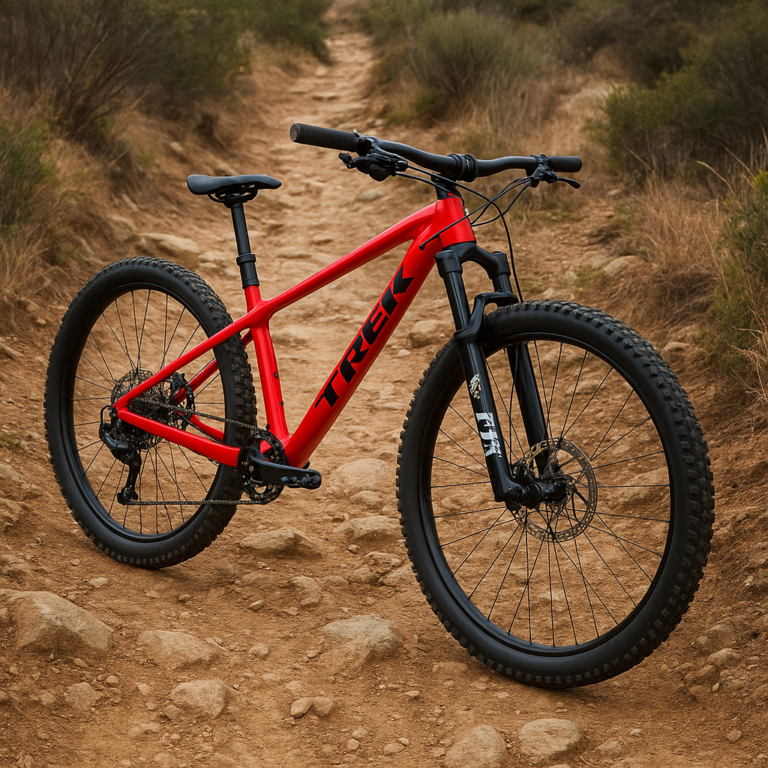
- 27. Trek Marlin
- 28. Trek X-Caliber
- 29. Trek Procaliber
- 30. Trek Top Fuel
- 31. Trek Fuel EX
- 32. Trek Remedy
- 33. Trek Slash
- 34. Trek Session
- 35. Trek Roscoe
- 36. Trek Stache
- 37. Trek Farley
- 38. Trek Ticket
- 39. Trek 1120
- 40. Trek Sawyer
- 41. Trek 800
- 42. Trek Powerfly
- 43. Trek Rail
- 44. Trek Allant+
- 45. Trek Fetch+
- 46. Trek Fuel EXe
- 47. Trek Domane+
- 48. Trek Checkpoint+
- 49. Trek Madone Gen 8
- 50. Trek Émonda ALR
- 51. Trek Electra Townie
- 🛣️ Trek Road Bikes: Race, Endurance, and Electric Road
- 🌲 Trek Mountain Bikes: Cross-Country, Trail, Enduro, and Downhill
- ⚡ Trek Electric Bikes: E-MTB, Comuter, and Cargo Models
- 🪨 Trek Gravel, Cyclocross, Touring, and All-Road Bikes
- 🏙️ Trek Hybrid, Fitness, City, and Comuter Bikes
- 🧱 Trek Frame Materials and Technology Explained
- OCLV carbon versus aluminum frames
- Suspension designs and mountain-bike geometry
- Trek components, wheels, and drivetrain options
- 🔍 How to Choose the Right Trek Bicycle
- Match a Trek bike to your riding style and terrain
- Choosing frame size, fit, and riding position
- Comparing carbon, aluminum, and electric models
- New, used, and discontinued Trek bikes
- 🧰 Trek Bike Maintenance, Warranty, and Support
- 🏆 Trek Versus Specialized, Giant, Cannondale, and Other Brands
- ❓ Trek Bicycle Brand History and Models: FAQs
- ✅ Conclusion
- 🔗 Recommended Links
- 📚 Reference Links
⚡️ Quick Tips and Facts: Trek Bikes at a Glance
If you’re comparing mountain-bike makers, our related guide to what bike brand has a mountain in the name? is a useful trailhead. Trek itself is an American bicycle company whose story starts in a Wisconsin barn—and whose model range now covers road racing, gravel, commuting, mountain biking, and electric-assist riding.
| Quick fact | The useful version |
|---|---|
| Founded | 1976, in Waterloo, Wisconsin |
| Founders | Dick Burke and Bevil Hogg |
| First products | Hand-built steel touring frames; Trek says it made 904 frames in its first full year |
| Best-known technologies | OCLV Carbon, IsoSpeed, IsoFlow, and Project One customization |
| Best-known road families | Madone, Émonda, and Domane |
| Best-known mountain-bike families | Marlin, Procaliber, Fuel EX, Top Fuel, Slash, and Session |
| Major related brands | Electra bikes and Bontrager components and accessories |
| Where to begin shopping | Browse the official Trek bike range and our Bike Brand Guides |
A quick caveat before we roll: Trek’s lineup and model names change over time and differ by country. A bike called “Marlin 7” in one model year may have different parts from another, so always verify the exact year and specification on Trek’s product page or with a Trek retailer.
The short version? Trek began as a small builder of high-end steel frames and grew into a broad, innovation-focused bicycle company. But the history isn’t a simple parade of flawless breakthroughs. Some ideas worked beautifully; some prototypes and production experiments taught Trek expensive lessons. That tension—craftsmanship one side, calculated risk on the other—is part of what makes the brand’s history worth exploring.
🚲 Trek Bicycle History: From Wisconsin Workshop to Global Brand
Founding, early steel frames, and the first Trek bikes
Trek’s official heritage account traces the company’s roots to an unsuccessful attempt by Burke and Hogg to build a bicycle-store chain. When that plan faltered, they turned toward a different opportunity: making distinctive, high-quality bicycles in the United States. Trek says they chose the name “Trek” during a conversation at the Pine Knoll supper club in Wisconsin—a short word that suggested travel and adventure.
In spring 1976, the company began building frames in a red barn in Waterloo. Trek’s history describes a five-person operation producing 904 touring frames during its first full year. They were made from steel tubing, joined with silver brazing, and finished by hand. The goal wasn’t to make the cheapest bike on the rack. It was to show that American builders could produce a refined touring frame to compete with prestigious European bikes. Read Trek’s account of its heritage and founding and its official timeline.
That original focus helps explain why Trek’s history still leans heavily on craft, testing, and product development. A brand can grow far beyond its first workshop, but its early identity tends to stick like mud on a shoe.
Carbon fiber, racing, and the rise of OCLV
Trek moved beyond steel in stages. It experimented with bonded aluminum in the 1980s, then explored carbon-fiber construction. Early carbon production presented a familiar engineering problem: the material could be light and fast, but consistency and ride quality mattered just as much as a number on a scale.
Trek’s answer was OCLV Carbon, short for Optimum Compaction, Low Void. Trek introduced the process in 1992, aiming to control carbon-fiber compaction and reduce voids in the material. In plain English: carbon is only as dependable as the way it’s laid up, pressed, cured, inspected, and integrated into the finished frame. Trek’s carbon technology overview explains its own approach; for an independent primer on composite materials, see the U.S. Department of Energy’s explanation of lightweight materials.
Racing helped bring that engineering into public view. Trek-supported teams raced at the highest levels, and the company developed road and mountain bikes around competition. Racing can speed up product development, but it isn’t a guarantee that every pro-bike feature suits everyday riding. A race bike is built around speed and a particular rider’s needs; your best bike may instead prioritize comfort, fit, durability, or low-maintenance ownership.
Trek’s carbon story also includes misteps. Its early experiments showed that a light frame isn’t automatically a good frame. As the company’s timeline puts it, early carbon work involved hard lessons before in-house production methods matured. That’s a useful reminder when comparing bikes: frame material alone doesn’t tell you how a bicycle rides, how it’s made, or how it will hold up.
Key milestones in Trek’s growth and innovation
Here’s a compact timeline of major shifts. Dates and “first” claims are presented as Trek’s own historical account unless otherwise stated.
| Year | Milestone | Why riders might care |
|---|---|---|
| 1976 | Trek starts building steel touring frames in Waterloo | The brand’s foundation in handcrafted, long-distance bicycles |
| 1980 | Trek expands into a larger factory | A shift from small framebuilder toward larger-scale bicycle manufacturing |
| 1983 | Trek introduces its first mountain bike, the 850 | Trek begins applying its frame-building experience to off-road riding |
| 1985–1987 | Aluminum bonding and carbon-fiber experiments advance | New materials expand options for weight, stiffness, and frame design |
| 1992 | Trek introduces OCLV Carbon and full-suspension mountain bikes | Carbon production and suspension become major parts of the brand’s engineering story |
| 1995 | The Y full-suspension design appears | A striking alternative to conventional mountain-bike suspension layouts |
| 2001 | Project One launches | Riders gain more ways to customize paint and component choices |
| 2003 | The Madone road-bike family arrives | Trek establishes a flagship road-racing platform |
| 2014 | Trek acquires Electra | The company broadens its reach into cruiser and lifestyle bikes |
| 2019 | The Supercaliber cross-country platform debuts | An example of Trek pursuing a middle ground between hardtail and full suspension |
| 2024 | The Madone Gen 8 is introduced | Trek combines aerodynamic design with a lighter race-bike platform |
Trek’s timeline of innovation is the best place to check its own milestone descriptions. Historical summaries sometimes differ in how they define a “first,” count a model year, or describe when a technology became commercially available. For dates and claims about Trek’s own product releases, the company timeline is the primary source; independent sources are helpful for context, but may use different definitions.
🧭 How Trek Bike Names, Numbers, and Categories Work
Trek model names aren’t one universal code. Some identify a broad family—Domane, Marlin, or Fuel EX—while numbers and suffixes typically distinguish versions, components, frame materials, or intended use. The precise meaning changes by generation, so don’t treat a model number as a permanent spec sheet.
| Name or label | Typical clue | What to verify |
|---|---|---|
| Madone | Performance road and racing | Frame generation, gearing, wheels, fit, and included cockpit |
| Domane | Endurance road and rougher pavement | Tire clearance, comfort features, and whether it’s road or electric |
| Checkpoint | Gravel riding and bikepacking | Tire clearance, mounts, gearing, and frame material |
| Marlin | Entry-level and recreational mountain biking | Fork type, brakes, gearing, and wheel size |
| Fuel EX | Trail-focused full-suspension mountain biking | Suspension travel, shock and fork spec, and geometry |
| Slash | Longer-travel enduro mountain biking | Travel, wheel setup, brakes, and intended terrain |
| “AL” / “ALR” | Usually an aluminum-frame designation | Exact alloy, frame features, and component build |
| “SL” / “SLR” | Often a higher-tier frame or lighter construction | Don’t assume equivalent meaning across families |
| “+” | Commonly marks electric-assist models | Motor, battery capacity, assist system, and local regulations |
| Model number | Often separates trim levels within a family | Year-specific component list; numbers don’t always compare across families |
Our buying rule: compare the complete model name, model year, and manufacturer-listed parts—not just “Trek 7 versus Trek 8.” A higher number may signal better components within one range, but it doesn’t mean a higher-numbered hybrid is automatically better than a lower-numbered road bike.
For new-bike research, use Trek’s official bikes catalogue and browse independent perspectives in our Bike Reviews section. A dealer can also identify year-specific differences that aren’t obvious from a used-bike listing.
🚴 ♀️ 51 Notable Trek Bicycle Models and Families
Trek has produced many models across decades, and not all names below refer to bikes currently sold. Some are historic examples; others are families whose exact versions change by year and market. Treat this as a guide to Trek’s model history, not a promise that every bike is available new today.
A note on names and duplication: Trek has reused model numbers and model names across different eras. The historical 520 touring bike and later Trek bikes with similar numerical naming are not necessarily the same design. We’ve grouped the list around notable model families and representative names rather than pretending every number is unique.
1. Trek 520
The 520 became one of Trek’s best-known touring-bike names. Its reputation comes from a practical formula: a stable ride, carrying capacity, and the kind of straightforward design that suits loaded road trips. Trek has changed the model over its long life, so check the exact year for frame details, mounts, gearing, and brake type.
Best suited to: traditional touring, commuting with luggage, and riders who value practical utility over race-bike sharpness.
Trade-off: a touring build can feel slower and heavier than a dedicated road bike when unloaded.
Explore Trek’s current touring and road-bike range.
2. Trek 550
The 550 name is associated with Trek road bikes from the brand’s early carbon era. Historical accounts describe a full-carbon 550 introduced in the early 1990s; details vary by model year, and it shouldn’t be confused with later road-bike families. Trek’s timeline places the model within its OCLV development story.
Best suited to: collectors and riders researching Trek’s carbon history.
Trade-off: age, replacement parts, and condition matter more than the name’s old prestige.
Read Trek’s timeline and verify vintage components with a qualified mechanic.
3. Trek 590
The 590 belongs to Trek’s historic numbered road-bike naming era. As with other vintage model numbers, frame material and components can vary with year and specification. A surviving badge won’t tell you whether a decades-old bike is safe to ride; inspect the frame, fork, wheels, and braking system.
Best suited to: historical research or restoration projects.
Trade-off: old parts may be difficult to find, and a model number alone isn’t enough to assess value or fit.
For vintage-bike context, consult the Bicycle Museum of America and Trek’s heritage page.
4. Trek Madone
The Madone is Trek’s flagship performance-road family, named after the Col de la Madone climb in France. It is designed around fast road riding, with generations emphasizing aerodynamics, carbon engineering, and race-oriented handling. The 2024-generation Madone brought Trek’s IsoFlow design into a lighter platform.
Best suited to: fast group rides, racing, and riders who want a high-performance road bike.
Trade-off: aggressive fit and performance-focused parts may be less appealing for relaxed commuting or long days on rough roads.
See the official Madone range and our bike reviews.
5. Trek Émonda
The Émonda was developed as Trek’s lightweight climbing-oriented road-bike family. Trek introduced it in 2014; later lineups and technologies may change, so compare the specific model year rather than assuming every Émonda is identical. It has appealed to riders who prioritize responsive climbing and a light-feling road bike.
Best suited to: climbing, fast road rides, and riders looking for a performance-oriented position.
Trade-off: a lightweight road-race setup may not be as comfortable or versatile on rough surfaces as an endurance or gravel bike.
Check Trek’s current road bikes.
6. Trek Domane
The Domane is Trek’s endurance-road family, designed for longer rides and rougher roads than a pure race setup typically targets. Some generations include Trek’s IsoSpeed technology, which is intended to improve compliance. Equipment and design depend on the exact generation.
Best suited to: long road rides, endurance events, and pavement that isn’t billiard-table smooth.
Trade-off: an endurance-focused geometry may feel less aggressive than a Madone for riders chasing a low, race-ready position.
Explore Domane models.
7. Trek 1 Series
Trek’s 1 Series has been used for road-bike models positioned toward accessible entry-level riding. Historical examples include aluminum road bikes, but specifications vary substantially by year. A well-maintained used 1 Series can be a sensible first road bike if it fits and its parts are in sound condition.
Best suited to: road-bike newcomers and general fitness rides.
Trade-off: older versions may have limited tire clearance, dated gearing, or worn components.
For shopping advice, see our Bike Reviews and compare current options on Trek’s road-bike page.
8. Trek 2 Series
The 2 Series is another historic Trek road-bike designation, generally associated with more accessible builds than Trek’s upper-tier race models. The badge alone doesn’t establish its frame material or component quality; check the year and original specification.
Best suited to: used-road-bike shoppers who want a familiar brand and a simple platform.
Trade-off: older entry-level components may be harder to upgrade cost-effectively than to replace as a complete bike.
Before buying used, ask a shop to inspect the drivetrain, wheels, brakes, and frame.
9. Trek 3 Series
The 3 Series name appears in Trek’s past road-bike numbering. It’s best understood as a model-era label rather than a current, consistent specification. Frame condition and fit should lead your decision—not nostalgia or a seller’s “rare model” description.
Best suited to: used-bike research and budget road riding when the individual bike checks out.
Trade-off: vintage standards can complicate wheel, brake, and drivetrain replacement.
Use Trek’s support resources to identify documentation where available.
10. Trek 4 Series
Trek’s 4 Series models are part of its broader historic numbered-road-bike family. The model number may indicate a position within a specific range, but it should not be used to compare bikes from different decades.
Best suited to: riders assessing a used Trek road bike with known service history.
Trade-off: exact equipment can vary enough that two bikes with the same family number may ride and maintain differently.
Check serial information and components with a Trek retailer or experienced mechanic.
11. Trek 5 Series
The 5 Series designation has appeared across Trek model eras and may refer to very different constructions depending on year. Don’t infer that every “5” means carbon or a particular tier. Confirm the frame material and original specification.
Best suited to: shoppers who have found a specific model-year bike and can verify its details.
Trade-off: ambiguous listings can make comparisons difficult.
Trek’s heritage and timeline pages are a useful starting point for historical model research.
12. Trek 6 Series
The 6 Series belongs to Trek’s historical model-number vocabulary. On a used bike, condition, fit, and maintenance are more revealing than the number on the frame. Check for corrosion, cracks, damaged carbon, and worn bearings before a purchase.
Best suited to: informed used-bike buyers.
Trade-off: older parts or less-common standards may make repairs less convenient.
For general fit and riding guidance, browse Bike Brand Guides.
13. Trek 7 Series
The 7 Series is another Trek historical designation that needs model-year context. The name isn’t a reliable shortcut for frame material, ride quality, or current market value.
Best suited to: riders comparing a known example against bikes of a similar age and use.
Trade-off: restoration can cost more time and effort than the finished bike is worth to a practical commuter.
Have a mechanic assess the bike before investing in major upgrades.
14. Trek 8 Series
Trek’s 8 Series models span historic catalogues and can differ by category and year. If you’re looking at a used one, identify its category first—road, mountain, or another type—then assess its fit and components.
Best suited to: model-history enthusiasts and careful secondhand buyers.
Trade-off: “Series 8” doesn’t identify a universal, current Trek spec.
Use the official Trek support page to start a model lookup.
15. Trek 9 Series
The 9 Series label has appeared in Trek’s higher-end model naming, but the details depend on the bike family and generation. Treat the number as a clue, not proof that the bike is right for you.
Best suited to: riders researching a specific model year or comparing original builds.
Trade-off: high-end older parts may be expensive or difficult to source.
A pre-purchase inspection is a smart spend of effort, especially for carbon frames.
16. Trek Checkpoint
The Checkpoint is Trek’s gravel-bike family, built for riding beyond smooth pavement. Depending on generation and trim, you’ll find different frame materials, gearing, tire clearance, and attachment points. Those details determine whether a Checkpoint suits gravel racing, mixed-surface touring, or everyday rough-road exploration.
Best suited to: gravel routes, all-road rides, and riders who want more tire and surface versatility than a typical road bike.
Trade-off: a gravel setup may be slower on smooth tarmac than a dedicated road-racing bike.
Explore Trek Checkpoint models and our bike-brand guides.
17. Trek Boone
The Bone is Trek’s cyclocross-oriented carbon-bike family. Cyclocross bikes are built for short, intense races involving dirt, mud, barriers, and frequent accelerations. A Boone can also appeal to riders seeking a lightweight, versatile drop-bar bike, but the fit and tire clearance should match your use.
Best suited to: cyclocross racing and fast mixed-surface riding.
Trade-off: a race-oriented setup may be less comfortable for relaxed bikepacking than a gravel-specific design.
Check Trek’s road and gravel range.
18. Trek Crockett
The Crockett is associated with Trek’s aluminum cyclocross bikes. Aluminum offers a robust, practical alternative to carbon, though ride feel also depends on tires, geometry, wheels, and fit.
Best suited to: cyclocross, winter training, and mixed-surface riding.
Trade-off: a cyclocross frame may have less luggage provision or different geometry from a dedicated gravel bike.
Ask a retailer to compare the exact Crockett generation with a Checkpoint before choosing.
19. Trek CrossRip
The CrossRip was a versatile drop-bar platform intended for mixed riding. It’s now best treated as a historical or used-bike family, with parts and features depending on year. The name reflects the appeal of one bike for commuting, fitness, and imperfect roads.
Best suited to: secondhand shoppers seeking a do-it-all drop-bar bike.
Trade-off: older versions may not offer the tire clearance or accessory mounts of newer gravel models.
Inspect the brakes, gearing, wheels, and frame before buying.
20. Trek 520
The 520 appears again here only because Trek’s numeric names and catalogues span multiple eras; it is not a separate model from the 520 described above. In any model comparison, use the year and complete specification to avoid mixing versions.
Best suited to: touring-bike history and model-year comparisons.
Trade-off: a model name alone can obscure major changes between generations.
Check the serial number and ask a knowledgeable Trek dealer for help identifying the frame.
21. Trek 720
The 720 name has appeared on Trek bikes across different eras and is often encountered in discussions of older hybrid and utility models. It’s a reminder that Trek’s numerical naming has not always mapped neatly onto one modern category.
Best suited to: buyers who have identified a specific older bike and can verify its purpose and parts.
Trade-off: online listings may use the name loosely or provide incomplete year information.
For practical city-bike options, see our City Bikes section.
22. Trek 920
The 920 is associated with Trek’s adventure and touring range. The platform appealed to riders who wanted to carry gear and leave the smoothest roads behind. Equipment and availability depend on model year.
Best suited to: loaded adventure riding, touring, and rough-road trips.
Trade-off: a bike designed around stability and luggage may feel less nimble than a lightweight road bike.
Compare it with the Checkpoint and your intended load before choosing.
23. Trek FX
The FX is Trek’s fitness-hybrid family: flat handlebars, a relatively efficient riding position, and broad usefulness for commuting, exercise, and paved paths. FX versions differ in gearing, brakes, fork design, and accessories.
Best suited to: new riders, fitness rides, and everyday transportation on mostly paved routes.
Trade-off: a standard FX isn’t a substitute for a suspension-equipped mountain bike on technical trails.
Explore Trek FX bikes and our City Bikes.
24. Trek Dual Sport
The Dual Sport is aimed at riders who split time between paved streets and smoother off-road paths. Different generations may use a suspension fork or a simpler rigid front end, so check the exact model before assuming it has a particular feature.
Best suited to: mixed paved and light-gravel routes.
Trade-off: a hybrid’s middle-ground design won’t be as fast as a road bike or as capable as a purpose-built mountain bike on technical trails.
Compare the Dual Sport range with Trek’s FX family.
25. Trek Verve
The Verve is a comfort-oriented hybrid, with a more upright riding position than a typical road bike. It suits casual rides, errands, and paved paths, with versions and equipment varying by year.
Best suited to: relaxed fitness riding, neighborhood trips, and comfort-first commuting.
Trade-off: the upright position prioritizes easy visibility and comfort over aerodynamics.
See Trek’s hybrid bikes and our City Bikes coverage.
26. Trek District
The District name has been used for urban-focused bikes, including practical city-oriented designs. Depending on year and version, you may find features intended to simplify everyday riding, such as a more commuter-friendly setup.
Best suited to: urban trips and low-fuss transportation.
Trade-off: a city bike’s convenience features can add weight compared with a stripped-down fitness bike.
For lights, locks, racks, and other commuter essentials, browse Bike Accessories.
27. Trek Marlin
The Marlin is one of Trek’s best-known entry-level mountain-bike families. It’s designed to introduce riders to trail riding, with models that vary in fork, drivetrain, brakes, and other components. Some Marlins are also used for commuting and general recreation, though trail suitability depends on the exact build.
Best suited to: beginner trail riding, dirt paths, and general-purpose use.
Trade-off: an entry-level fork and components may be less suitable for aggressive, technical trails.
See Trek’s Marlin range and our Bike Reviews.
28. Trek X-Caliber
The X-Caliber is a hardtail mountain-bike family aimed at cross-country riding. A hardtail has front suspension but no rear shock, making it mechanically simpler and often efficient on climbs and smoother trails.
Best suited to: cross-country riding, fitness, and riders who prefer a direct pedaling feel.
Trade-off: on rough, technical trails, a hardtail asks more of your line choice and body position than a full-suspension bike.
Compare Trek’s cross-country mountain bikes.
29. Trek Procaliber
The Procaliber is a performance cross-country hardtail family. Some generations use Trek comfort or frame technologies intended to take the edge off rough terrain while preserving a hardtail’s efficiency.
Best suited to: XC racing, fast singletrack, and riders who value light, efficient climbing.
Trade-off: it won’t offer the same rear-wheel travel or descending comfort as a full-suspension trail bike.
For trail and cross-country comparisons, see Trek’s mountain-bike range.
30. Trek Top Fuel
The Top Fuel sits in Trek’s cross-country and short-travel full-suspension territory. It aims to combine climbing efficiency with enough suspension for rougher routes than a hardtail comfortably handles. Exact travel and geometry depend on generation.
Best suited to: fast trail rides, XC events, and riders who want rear suspension without a long-travel enduro feel.
Trade-off: riders tackling steep, rocky descents may prefer a longer-travel platform.
Explore Trek’s cross-country bikes.
31. Trek Fuel EX
The Fuel EX is a versatile full-suspension trail-bike family. It’s intended to climb efficiently enough for long days while offering more descending confidence than an XC-oriented bike. Trek has revised its geometry and equipment over time, so model year matters.
Best suited to: riders who want one mountain bike for varied trail conditions.
Trade-off: a trail bike is a compromise by design; it won’t be as light and quick as a race hardtail or as downhill-focused as a dedicated gravity bike.
Explore Trek Fuel EX bikes.
32. Trek Remedy
The Remedy was a trail and all-mountain bike family, known for a more aggressive character than shorter-travel XC models. It may be discontinued or absent from a current market range, making year and condition crucial for secondhand shoppers.
Best suited to: riders researching older aggressive trail bikes.
Trade-off: a used full-suspension bike may need costly suspension service or bearing replacement.
Get a mechanic’s inspection before buying, especially if service records are missing.
33. Trek Slash
The Slash is Trek’s enduro-oriented mountain-bike family, intended for demanding descents and steep, rough trails while retaining the ability to pedal back uphill. Geometry, wheel configuration, and suspension travel vary across generations.
Best suited to: enduro riding, bike-park days, and riders who regularly tackle rough descents.
Trade-off: extra travel and robust parts can mean more weight and less efficiency on long, smooth climbs.
Check Trek’s enduro bikes.
34. Trek Session
The Session is Trek’s downhill platform, designed for steep tracks and gravity-focused riding. It’s not a general trail bike: its geometry and suspension are intended for descending performance.
Best suited to: downhill racing and bike-park laps.
Trade-off: it’s poorly matched to ordinary commuting or long climbs.
If you’re shopping used, carefully inspect the frame, suspension, wheels, and service history.
35. Trek Roscoe
The Roscoe is a hardtail mountain-bike family with a more playful trail focus than a basic cross-country hardtail. Depending on the generation, its tires, geometry, and fork can make it more at home on rougher recreational trails.
Best suited to: trail riding, learning skills, and riders who enjoy a simpler bike with generous tire grip.
Trade-off: a hardtail remains a hardtail; rough descents can be more demanding than on a full-suspension bike.
Browse Trek’s trail mountain bikes.
36. Trek Stache
The Stache is a distinctive historical Trek hardtail associated with plus-size tires and playful trail handling. It stands out as a model that reflects the mountain-bike industry’s experiments with wheel and tire formats.
Best suited to: riders researching plus-tire mountain-bike history or searching for a specific used bike.
Trade-off: tire and wheel standards can make replacement choices more limited than on mainstream current models.
Check availability and compatibility before buying replacement parts.
37. Trek Farley
The Farley is Trek’s fat-bike family, designed around wide tires for snow, sand, and other soft surfaces. A fat bike’s broad tires can provide flotation and traction, but they don’t make every surface effortless—soft snow still takes real work.
Best suited to: winter riding, snow trails, and soft-surface adventures.
Trade-off: wide tires and reinforced parts tend to make fat bikes heavier than ordinary trail bikes.
Find Trek’s current offerings through its mountain-bike range.
38. Trek Ticket
The Ticket is a dirt-jump and slopestyle platform associated with short, playful riding and aerial features. It’s a specialized bike, not a versatile commuter or cross-country machine.
Best suited to: dirt jumps, pump tracks, and slopestyle riding.
Trade-off: its focused geometry and setup make it a poor choice for long-distance rides.
For protective equipment and riding essentials, browse Bike Accessories.
39. Trek 1120
The 1120 is an adventure and bikepacking-oriented model associated with gear-carrying versatility. Its appeal is simple: a bike that can take equipment beyond a day ride, with a setup intended for exploring unpaved routes.
Best suited to: bikepacking and loaded adventure riding.
Trade-off: an adventure build may feel slower and more specialized than a conventional gravel bike.
Compare its intended load and tire setup with the Checkpoint.
40. Trek Sawyer
The Sawyer is a steel mountain-bike model remembered for its classic, rugged character. It appeals to riders who value a distinctive frame and simpler mechanical feel, but it’s best assessed as a specific used bike rather than a current, universal Trek category.
Best suited to: steel-bike enthusiasts and riders seeking a vintage-inspired trail machine.
Trade-off: older component standards may limit parts compatibility and upgrade options.
Check frame condition and replacement-part availability before taking one home.
41. Trek 800
The Trek 800 is a historic name found on older recreational mountain bikes. Many examples have spent years as commuters, garage bikes, and trail companions, which means condition varies widely.
Best suited to: basic riding or a low-stakes restoration if the bike is sound.
Trade-off: an old recreational mountain bike may not be safe or suitable for modern technical trails, regardless of brand reputation.
Have the frame, brakes, tires, and fork inspected before riding.
42. Trek Powerfly
The Powerfly is Trek’s electric mountain-bike family, using pedal assistance to support trail climbs and longer rides. Motor, battery, travel, and trim differ between versions. For electric-bike research, see our Electric Bikes section.
Best suited to: riders who want electric assistance on trails and climbs.
Trade-off: extra weight, battery management, and local e-bike rules deserve consideration.
Explore Trek’s e-MTB range.
43. Trek Rail
The Rail is a full-power electric mountain-bike family built for trail and enduro-style riding. It combines a mountain-bike chassis with motor assistance, making steep climbs more accessible while preserving a trail-bike purpose.
Best suited to: riders prioritizing powerful assistance for demanding off-road routes.
Trade-off: a heavier e-MTB can feel different under braking, in tight handling, and when transporting or lifting the bike.
Compare current specifications on Trek’s electric mountain-bike page.
44. Trek Allant+
The Allant+ is Trek’s electric urban and commuter-bike family. It is designed to help riders cover daily distances with less effort, with equipment varying by model and market.
Best suited to: commuting, errands, and practical urban rides where pedal assistance is useful.
Trade-off: weight, charging needs, and secure parking are part of e-bike ownership.
See our Electric Bikes and City Bikes sections, plus Trek’s electric-bike range.
45. Trek Fetch+
The Fetch+ family is Trek’s electric cargo-bike range. Cargo bikes can replace some car trips, but their size, load capacity, storage needs, and handling matter as much as motor power.
Best suited to: families, cargo hauling, and riders who want to carry groceries or equipment by bike.
Trade-off: a long or heavy cargo bike needs suitable parking and a test ride with realistic loads.
Check Trek’s electric bikes and review the manufacturer’s load guidance before carrying passengers or cargo.
46. Trek Fuel EXe
The Fuel EXe was Trek’s lighter-assist electric mountain-bike family, intended to give riders a subtler boost than a full-power e-MTB. The system and specification depend on the particular generation.
Best suited to: riders seeking a more natural-feling assist for mountain-bike rides.
Trade-off: lighter-assist systems can offer a different balance of power and range from full-power e-MTBs.
Compare motor support and service options in Trek’s electric mountain-bike range.
47. Trek Domane+
The Domane+ is the electric-assist branch of Trek’s Domane road and endurance platform. It combines drop-bar road-bike design with pedal assistance, with motor systems and frame details varying by generation.
Best suited to: road riders who want support on longer routes or climbs.
Trade-off: added system weight and charging requirements make it a different ownership experience from a conventional Domane.
Browse Trek’s electric road bikes.
48. Trek Checkpoint+
The Checkpoint+ adds electric assistance to Trek’s gravel-bike concept. It’s aimed at riders who want to explore longer mixed-surface routes with support from an e-bike system.
Best suited to: gravel riding and all-road adventures where assistance helps extend range or reduce effort.
Trade-off: weight, battery range, and the availability of charging during longer trips require planning.
See Trek’s electric-bike range and our Electric Bikes guides.
49. Trek Madone Gen 8
The Madone Gen 8, introduced in 2024, represents a newer iteration of Trek’s performance-road family. Trek describes the design as combining aerodynamics and lightness, with IsoFlow carried forward as part of the frame architecture. Independent riding impressions may differ according to fit, route, and component build.
Best suited to: riders looking for a modern, race-oriented road bike.
Trade-off: high-performance geometry and integrated components can make fitting and repairs more specialized.
Read the official Madone details and compare it with Domane and Émonda before deciding.
50. Trek Émonda ALR
The Émonda ALR name refers to aluminum versions of Trek’s lightweight performance-road concept. It offers a different material and price tier from carbon builds, while the experience still depends on frame design, wheels, tires, and fit.
Best suited to: road riders seeking a responsive aluminum platform.
Trade-off: an aluminum frame’s ride feel is not determined by material alone, and current model availability varies.
Check Trek’s road-bike selection for current equivalents and specifications.
51. Trek Electra Townie
Electra Townie is a cruiser-style family known for an upright riding position and Electra’s Flat Foot Technology concept. Trek acquired Electra in 2014, bringing the brand’s lifestyle and cruiser bikes into its wider family.
Best suited to: relaxed neighborhood rides, casual trips, and riders who want an easygoing position.
Trade-off: cruiser geometry prioritizes comfort and confidence over speed and climbing efficiency.
Explore Electra Townie bikes and our City Bikes.
🛣️ Trek Road Bikes: Race, Endurance, and Electric Road
Trek’s road-bike families make more sense when you compare their intended ride rather than their prestige:
| Riding goal | Trek family to investigate | What to focus on |
|---|---|---|
| Racing and fast group rides | Madone | Aerodynamics, aggressive fit, gearing, and wheelset |
| Climbing and performance road riding | Émonda | Weight, gearing, fit, and current availability |
| Long-distance comfort | Domane | Endurance geometry, tire clearance, and comfort features |
| Gravel and rough roads | Checkpoint | Tire clearance, mounts, gearing, and brake setup |
| Electric road support | Domane+ | Motor, battery, range, and system service |
| Cyclocross | Bone or Crockett | Mud clearance, race fit, and surface needs |
Trek’s road-bike category is the right source for current specifications. For a test ride, pay attention to hand comfort, breathing position, steering, and whether you can hold the riding posture comfortably—not just whether the bike feels fast for the first five minutes.
Our rider-room advice: if your routes include broken pavement, a slightly wider tire and endurance position can make a bigger real-world difference than chasing the lightest frame. A race bike is thrilling, but a comfortable bike tends to see more miles.
🌲 Trek Mountain Bikes: Cross-Country, Trail, Enduro, and Downhill
A mountain bike’s category is a rough map of its intended terrain—not a strict fence. You can ride an XC bike on trails, but the more technical and steep the route, the more suspension travel, tire grip, braking power, and robust parts start to matter.
| Category | Trek families to compare | Typical riding focus | Main compromise |
|---|---|---|---|
| Entry-level / recreational | Marlin | Paths, beginner trails, general riding | Less capable equipment for aggressive terrain |
| Cross-country hardtail | X-Caliber, Procaliber | Efficient climbing and fast trails | Less rear comfort on rough descents |
| Short-travel full suspension | Top Fuel | Fast trails and XC routes | Less downhill reserve than longer-travel bikes |
| Trail | Fuel EX, Roscoe | Varied singletrack and everyday trail riding | Not the lightest option for racing |
| Enduro | Slash | Step, rough descents and bike-park riding | More weight and less climbing efficiency |
| Downhill | Session | Gravity riding and downhill tracks | Poor fit for ordinary pedaling and commuting |
| Fat bike | Farley | Snow, sand, and soft surfaces | Heavy tires and higher rolling resistance |
Trek’s official mountain-bike range helps you check current models. For trail planning and safety, the International Mountain Bicycling Association offers trail advocacy and riding resources.
Fit comes before fancy suspension. A well-fitting hardtail with good tires can be more enjoyable than an expensive full-suspension bike that feels too long or too tall. If you’re new to trails, ask a shop to set suspension sag and explain rebound and compression adjustments. A shock pump is not a mystical wand, but it does help.
⚡ Trek Electric Bikes: E-MTB, Comuter, and Cargo Models
Trek’s electric-bike range spans trail riding, commuting, road riding, gravel, and cargo. Common family names include Powerfly, Rail, Fuel EXe, Allant+, Domane+, Checkpoint+, and Fetch+, though exact availability changes.
| Use | Trek family examples | Before buying, check |
|---|---|---|
| Full-power e-MTB | Powerfly, Rail | Motor support, battery capacity, suspension, weight |
| Lighter-assist e-MTB | Fuel EXe | Assist feel, range, battery service, intended terrain |
| Electric commuting | Allant+ | Lights, rack, fenders, battery removal, parking |
| Electric road riding | Domane+ | Motor integration, range, geometry, charging |
| Electric gravel | Checkpoint+ | Tire choice, ride distance, power support |
| Electric cargo | Fetch+ | Load limits, storage footprint, passenger rules |
Trek’s electric-bike catalogue lists its current range. For the basics of e-bike classifications in the United States, the PeopleForBikes e-bike policy resource explains the common class framework. Local laws can differ, especially on trails and multi-use paths, so check the rules where you ride.
E-bike ownership has a few extra questions: Where will you charge it? Can you store it securely? Is there a local shop that services its motor and battery system? And will the bike fit in your car rack or apartment? Motor power is only part of the story.
For commuter and family options, browse our Electric Bikes and City Bikes guides.
🪨 Trek Gravel, Cyclocross, Touring, and All-Road Bikes
These categories overlap, but their priorities differ:
| Bike type | Trek examples | Built around | A good match if you… |
|---|---|---|---|
| Gravel | Checkpoint | Mixed surfaces, tire clearance, versatility | Ride dirt roads and pavement on the same outing |
| Cyclocross | Bone, Crockett | Short races, mud clearance, quick handling | Race CX or want a focused mixed-surface bike |
| Touring | 520 and historical touring models | Stability, luggage, long distances | Carry bags over multi-day routes |
| Adventure / bikepacking | 920, 1120 | Gear, rougher routes, all-day exploration | Want to leave smooth roads behind |
| All-road | Domane or suitable Checkpoint builds | Road speed with broader surface tolerance | Ride pavement, rough roads, and light gravel |
The Checkpoint is the obvious place to start for a modern gravel-bike search, while the 520 remains a significant name in Trek’s touring history. For specific riding, inspect tire clearance, mounts, gearing, and frame fit. A gravel bike with narrow tires and no luggage mounts may suit fast gravel rides but not your remote bikepacking plan.
See Trek’s gravel-bike models and our Bike Brand Guides. The Adventure Cycling Association also provides route and touring resources.
🏙️ Trek Hybrid, Fitness, City, and Comuter Bikes
For everyday riding, Trek’s FX, Dual Sport, Verve, and District families cover different preferences. Electra Townie bikes sit nearby in the relaxed-cruiser corner.
- FX: A fitness-oriented flat-bar bike for pavement, commuting, and longer recreational rides.
- Dual Sport: A mixed-surface hybrid for paved roads and smoother paths.
- Verve: A comfort-focused bike with a more upright posture.
- District: An urban-oriented family, with exact specifications depending on year.
- Electra Townie: A relaxed cruiser-style ride with a distinctive upright position.
The best commuter isn’t always the fastest bike. It’s the one that fits, feels safe in traffic, accommodates your route, and can carry what you need. Consider lights, a lock, fenders, a rack, and puncture-resistant tires as part of the total setup.
Trek’s hybrid-bike range is a useful starting point. For city-riding essentials and related guides, browse City Bikes and Bike Accessories.
🧱 Trek Frame Materials and Technology Explained
OCLV carbon versus aluminum frames
Trek offers bikes made with different frame materials, including carbon fiber and aluminum. Steel also features prominently in the company’s early history and some modern bicycle designs. Each material can make excellent bikes; design, construction, fit, and components matter alongside material choice.
| Material | Common strengths | Common trade-offs | Best question to ask |
|---|---|---|---|
| Aluminum | Often offers a practical balance of weight, durability, and value | Ride feel depends heavily on frame design and tires | Does this exact model fit my route and budget? |
| Carbon fiber | Allows carefully shaped, lightweight frame designs | Damage can be harder to assess; repair and replacement can be specialized | What inspection and crash-replacement support applies? |
| Steel | Known for repairability and a distinctive traditional ride character | Often heavier than comparable high-performance carbon or aluminum frames | Is the frame built for my intended load and use? |
OCLV Carbon is Trek’s carbon-fiber manufacturing approach, not a separate frame material. Carbon quality depends on fibers, layup, resin, compaction, curing, and inspection. A carbon frame isn’t automatically fragile, nor is it immune to damage. If it has been in a crash, have a qualified shop inspect it.
For Trek’s own explanations, see its technology page. For maintenance and safety, the U.S. Consumer Product Safety Commission provides general bicycle guidance.
Suspension designs and mountain-bike geometry
Trek mountain bikes range from rigid and hardtail designs to full suspension and downhill platforms. Suspension travel isn’t a score where more always means better. More travel can improve control on rough descents, while shorter-travel bikes tend to feel more efficient on smoother routes.
When testing a mountain bike, pay attention to:
- Reach and stack: Do you feel balanced, or stretched and cramped?
- Wheelbase and steering: Does the bike feel stable at speed and manageable in tight turns?
- Suspension setup: Is sag set for your weight and riding style?
- Tire choice: Is there enough grip for your terrain without excessive rolling resistance?
- Brakes: Can you control speed confidently on your local trails?
A rider who mostly pedals smooth cross-country routes may be happier on a Procaliber or Top Fuel than on a Slash. Someone who spends weekends on steep, rocky terrain may want the extra capability of a longer-travel design.
For safe riding and trail etiquette, check local land-manager guidance and IMBA’s trail resources.
Trek components, wheels, and drivetrain options
The frame name tells only part of the story. Components influence how a Trek bike shifts, brakes, sters, and feels.
- Drivetrain: Check gear range for your hills and riding pace.
- Brakes: Hydraulic disc brakes provide strong, consistent braking when properly maintained; exact setup varies by model.
- Wheels and tires: These can make a major difference in comfort and traction.
- Cockpit: Handlebar width, stem length, and saddle position affect fit and control.
- Accessories: Racks, fenders, lights, and bags can turn a sport bike into practical transport.
Trek has historically used Bontrager for components and accessories; availability and branding can change. Explore Trek’s parts and accessories and our Bike Accessories guides.
🔍 How to Choose the Right Trek Bicycle
Match a Trek bike to your riding style and terrain
Use this quick sequence to narrow the field without getting lost in model-name soup:
- Write down your real rides. List surfaces, hills, distance, cargo, and how often you’ll ride.
- Choose the broad category. Road, gravel, mountain, hybrid, city, or electric.
- Pick the intended subcategory. For example, XC versus trail, or endurance road versus racing.
- Set practical requirements. Tire clearance, rack mounts, lights, fenders, or cargo capacity.
- Choose a frame material and component tier that suit your needs and maintenance expectations.
- Get the correct fit. Use Trek’s size chart as a starting point, then test ride or arrange a professional fit.
- Compare the exact year and build. Confirm drivetrain, brakes, suspension, wheels, and warranty terms.
- Plan ownership. Include servicing, storage, security, and accessories in your decision.
| If your main ride is… | Start by comparing… |
|---|---|
| Paved commuting and fitness | FX, Verve, or District |
| Paved rides with occasional smooth dirt paths | Dual Sport |
| Beginner trail riding | Marlin or Roscoe |
| Fast XC singletrack | Procaliber or Top Fuel |
| General mountain trails | Fuel EX |
| Step, technical descents | Slash or Session, depending on use |
| Long-distance road rides | Domane |
| Racing and fast road riding | Madone |
| Gravel roads and mixed surfaces | Checkpoint |
| Electric commuting | Allant+ |
| Electric mountain biking | Powerfly, Rail, or Fuel EXe |
Trek’s bike finder and model pages can help you narrow the options. Our Bike Reviews offer another perspective.
Choosing frame size, fit, and riding position
A bike can have excellent parts and still be the wrong bike if it doesn’t fit. Start with Trek’s size guide, but treat it as a starting point: body proportions, flexibility, riding style, and preference affect fit.
- Measure your height and inseam using Trek’s current sizing instructions.
- Check the model-specific size chart. Different families can fit differently even at the same nominal size.
- Stand over the frame where applicable and confirm comfortable clearance.
- Test reach and posture. Your hands should feel supported, not stretched or cramped.
- Try a realistic ride. A five-minute parking-lot spin won’t reveal every comfort issue.
- Adjust contact points. Saddle height and position, handlebar angle, and levers can make a significant difference.
- Ask for a professional fit if you have persistent pain, unusual proportions, or a performance goal.
The League of American Bicyclists offers general riding-safety resources, while a Trek retailer can help with model-specific sizing. Don’t size by pride. The best frame is the one that puts you in a controlled, comfortable position.
Comparing carbon, aluminum, and electric models
The right comparison starts with your use, not a material label or motor badge.
| Priority | Consider | Keep in mind |
|---|---|---|
| Practical everyday use | Aluminum hybrid or city bike | Add lights, fenders, and a rack if you’ll commute |
| Performance road riding | Carbon or aluminum road bike | Fit and wheel setup can matter more than frame material |
| Technical mountain trails | Trail or enduro model matched to terrain | Set up suspension and tires correctly |
| Help on hills or longer commutes | Electric-assist bike | Plan charging, service, storage, and local legal use |
| Long-distance gravel | Gravel or adventure bike | Confirm gearing, tire clearance, and luggage mounts |
A carbon bike can make sense if you value its design and performance and can maintain it properly. Aluminum can be an excellent choice for regular use. An e-bike can make riding more accessible or practical, but it brings battery and motor considerations. There is no universal winner—there is a bike that best fits the rides you actually do.
New, used, and discontinued Trek bikes
A used Trek can be a sensible way to find a past model such as a 520, Remedy, or Stache. But old brand reputation doesn’t make a worn-out bike safe. Ask for the model year, service records, and a clear photo of the frame and components.
Used-bike inspection checklist:
- Look for dents, cracks, corrosion, or signs of a crash.
- Check carbon carefully; get a professional inspection if damage is possible.
- Test brakes, shifting, suspension, and steering bearings.
- Inspect tire condition, wheels, chain, cassette, and brake pads.
- Confirm the bike fits and that replacement parts are available.
- Ask a Trek retailer or mechanic to help identify the model year.
- Check whether the bike may be subject to a safety recall through the U.S. Consumer Product Safety Commission.
For new bikes, verify current model availability at Trek’s official catalogue. For secondhand buying advice and brand comparisons, browse our Bike Reviews.
🧰 Trek Bike Maintenance, Warranty, and Support
Good maintenance keeps a bike safer and more enjoyable. Trek’s warranty coverage depends on the product, original owner, location, and applicable terms, so read the current warranty document rather than relying on a retailer’s shorthand.
A simple care routine:
- Before each ride: Check tire pressure, brakes, wheels, and quick-release or thru-axle security.
- After wet or muddy rides: Clean and dry the bike; lubricate the chain appropriately.
- Regularly: Inspect chain wear, brake pads, tire damage, and suspension function.
- Annually—or sooner with heavy use: Arrange a professional service.
- After a crash: Stop riding if you suspect frame or fork damage and get it inspected.
Trek’s official support and service page is the starting point for manuals, warranty details, and retailer help. For general bicycle safety, see the CPSC bicycle safety guidance.
A practical ownership note: electric models need system-specific service, and full-suspension bikes need regular bearing and shock maintenance. Build local service access into your choice before you buy.
🏆 Trek Versus Specialized, Giant, Cannondale, and Other Brands
Trek competes in a crowded market with respected brands including Specialized, Giant, Cannondale, Scott, Canyon, and Santa Cruz. There isn’t one brand that wins every category. Model-to-model comparison is more useful than logo-to-logo debate.
| Brand | Common comparison strengths | What to compare against Trek |
|---|---|---|
| Trek | Broad range, extensive dealer network in many markets, established road and mountain-bike families | Fit, local servicing, model-year specification |
| Specialized | Broad lineup and well-known performance families | Equivalent category, frame generation, dealer support |
| Giant | Large global manufacturer and broad choice | Component build and local availability |
| Cannondale | Distinctive road and mountain-bike designs | Frame features, repair support, and fit |
| Santa Cruz | Strong focus on mountain bikes | Suspension design, intended terrain, service |
| Canyon | Direct-to-consumer model in many markets | Assembly, fit support, and local servicing |
Trek’s dealer network can be useful when you value in-person sizing and service, while direct-to-consumer brands may offer a different buying experience. Neither approach is automatically better. Compare the exact bike you would buy, the support available where you live, and the fit you can achieve.
Browse more brand comparisons in our Bike Brand Guides and independent perspectives in Bike Reviews.
❓ Trek Bicycle Brand History and Models: FAQs

When was Trek Bicycle founded, and how has the brand evolved?
Trek was founded in 1976 in Waterloo, Wisconsin, by Dick Burke and Bevil Hogg. It began by building steel touring frames by hand and expanded into complete bicycles, mountain bikes, carbon-fiber road bikes, electric bikes, and a much wider range of products. Trek’s official heritage history and timeline describe the company’s development from a small barn workshop into a global bicycle brand.
The key shift was not simply “steel to carbon.” Trek also moved from specialist framebuilding to multiple riding categories and a broad dealer network. Its history includes experiments and setbacks as well as successful technologies.
Why do historical accounts sometimes give different Trek dates or milestones?
Sources may count a prototype, announcement, production run, or model-year launch differently. Trek’s own timeline is the strongest reference for how the company describes its milestones; independent sources help add context. If two dates differ, check what each source means by “introduced” or “first produced.”
What are Trek’s most popular bicycle models for road, mountain, and hybrid riding?
Trek’s best-known families include Madone, Émonda, and Domane for road riding; Marlin, Procaliber, Fuel EX, Slash, and Session for mountain biking; and FX, Dual Sport, and Verve for hybrid riding. Electric examples include Powerfly, Rail, and Allant+.
“Popular” can mean widely recognized, frequently discussed, or currently available; it doesn’t guarantee a model is right for you. Compare the model’s intended riding category and year-specific specification on Trek’s bike catalogue.
How do Trek bike model names and trim levels differ?
The family name typically identifies the broad platform or intended use—such as Marlin for entry-level mountain bikes or Domane for endurance road riding. Numbers and suffixes commonly distinguish builds, frame versions, or equipment levels, but the system is not perfectly consistent across generations.
Always compare the complete model name, model year, frame material, drivetrain, brakes, wheels, and suspension. A model number is a clue, not a guarantee that two bikes are directly comparable.
Which Trek bicycle is best for beginners and everyday commuting?
For mostly paved commuting, the FX is a sensible starting point for riders who want a fitness-style flat-bar bike. The Verve suits riders who prefer a more upright, relaxed position, while the Dual Sport is worth considering if your route includes smoother dirt paths. For electric assistance, compare the Allant+ range.
The right choice depends on fit, route surface, storage, and what you need to carry. Try the bike with a realistic riding position, then factor in a lock, lights, fenders, and rack. See Trek’s hybrid range and our City Bikes guides.
Is the Trek Marlin suitable as a first mountain bike?
A Marlin can be a suitable first mountain bike for recreational trails and learning basic off-road skills. The exact model matters: check its fork, brakes, drivetrain, tire setup, and the difficulty of the trails you plan to ride. It is not automatically the right choice for aggressive downhill riding.
Read more about “Choose the Right Mountain Bike for Your Trails 🚵”
Are Trek bikes made in the United States?
Trek was founded in Wisconsin, and its Waterloo headquarters remains central to the company’s identity. However, that doesn’t mean every Trek bicycle is manufactured in the United States. Manufacturing locations and assembly processes vary by model and year. For a specific bike, check its frame label and ask Trek or an authorized retailer rather than assuming the brand’s origin equals the product’s place of manufacture.
Read more about “🚲 Top 10 Best Bicycle Brands in the USA (2026)”
What does Trek OCLV Carbon mean?
OCLV stands for Optimum Compaction, Low Void, Trek’s name for its carbon-fiber manufacturing approach. It describes a process intended to control how carbon material is compacted and reduce voids in the finished structure. It does not mean every OCLV frame has the same layup, weight, or ride characteristics; model and generation still matter.
Does Trek still sell every model mentioned in its history?
No. Some Trek families are historic or discontinued, and model availability can change by country and year. Names such as Remedy, Stache, CrossRip, and older numbered road bikes may be most relevant to secondhand research. Check Trek’s current product catalogue before visiting a retailer.
Read more about “9 Must-Know Facts About American Star Bicycles for Sale 🚲 (2025)”
Is a used Trek bike a good buy?
It can be, if the bike fits, matches your use, and passes a careful inspection. Check the frame, fork, brakes, wheels, drivetrain, suspension, and parts availability. For carbon or full-suspension bikes, professional inspection is particularly worthwhile. A familiar brand name does not cancel out age, damage, or neglected maintenance.
Read more about “15 Key Mountain Bike Features to Check Before You Buy 🚵”
How do I identify a Trek bike’s model year?
Start with the serial number, frame details, component specification, and any original paperwork. A local Trek retailer may be able to help identify the bike. Photos of the frame, drivetrain, fork, and decals can also help narrow it down, but paint and stickers may have been changed. Trek’s support page is the best official starting point.
Does Trek offer electric mountain, gravel, and commuter bikes?
Trek has offered electric-assist bikes across multiple categories, including mountain, commuter, and road or gravel applications. Model names and availability change, so consult Trek’s electric-bike catalogue for current options. Before buying, compare system support, range, battery handling, service access, and local regulations.
Read more about “What Bike Brand Has a Mountain in the Name? 🏔️”
✅ Conclusion

Trek’s story runs from hand-built steel touring frames in a Wisconsin barn to one of the broadest model ranges in cycling. The company’s defining chapters include its move into mountain bikes, its OCLV Carbon development, its race-oriented road platforms, and its expansion into commuter and electric bicycles.
Our confident recommendation: choose the Trek family that matches your riding first, then compare the exact model year, fit, components, and local service support. For paved commuting, start with FX or Verve. For a first trail bike, compare Marlin and Roscoe. For road riding, consider Domane for endurance and Madone for a more race-focused setup. For gravel, start with Checkpoint. If you’re buying used, prioritize condition and inspection over a famous model name.
Trek’s strongest positives are its wide category coverage, long engineering history, and extensive model families. The drawbacks are just as practical: model names can be confusing across generations, availability changes, and a famous badge cannot tell you whether a specific bike fits or is well maintained.
And what did those early carbon experiments teach us? That innovation earns its reputation only when it becomes a reliable bike you actually want to ride. That’s a better test than any decal.
For more comparisons, explore Bike Brand Guides, Bike Reviews, Electric Bikes, City Bikes, and Bike Accessories.
🔗 Recommended Links
- Shop Trek bikes and explore current models
- Browse Trek road bikes
- Browse Trek mountain bikes
- Browse Trek electric bikes
- Explore Electra Townie bikes
- Explore Trek equipment and accessories
- Find Trek support, manuals, and warranty information
- Visit Bike Brands™ Bike Brand Guides
- Visit Bike Brands™ Bike Reviews
- Visit Bike Brands™ Electric Bikes
- Visit Bike Brands™ City Bikes
- Browse bicycle-history books on Amazon
- Browse mountain-biking books on Amazon
- Browse bike-touring and bikepacking books on Amazon
📚 Reference Links
- Trek Bicycle Corporation: official heritage and global history
- Trek: official timeline of innovation and impact — Trek’s account of its history and major milestones
- Trek: current bicycle catalogue
- Trek: bicycle technology information
- Trek: support, manuals, and warranty resources
- Trek: electric bicycle catalogue
- Electra Bicycle Company
- U.S. Consumer Product Safety Commission: bicycle safety and recalls
- PeopleForBikes: electric-bike policy resources
- International Mountain Bicycling Association
- League of American Bicyclists: ride-safety resources
- Adventure Cycling Association: bicycle touring resources
- Bicycle Museum of America