Support our educational content for free when you purchase through links on our site. Learn more
Trek Bikes Guide: Find Your Perfect Ride 🚲

The best Trek bike is the one that fits your body, your routes, and the way you actually ride. Trek makes bikes for road, gravel, mountain, commuting, kids, and electric riding, so start with your terrain and priorities before comparing model names or components.
We’ve seen riders light up on a trail-ready hardtail, then discover it’s a slog on their daily pavement commute. The takeaway: choose the right category first, test the fit, and only then decide whether you need carbon, suspension, or electric assistance.
Key Takeaways
- Match the bike to your riding: Explore Trek mountain bikes, road bikes, gravel bikes, and electric bikes.
- Prioritize fit over fancy specs. Use Trek’s size finder and take a test ride if you can.
- Compare the complete bike, not just the frame: Gearing, brakes, tires, suspension, and service access all shape your ride.
- Check the details before buying: Model availability, warranty terms, and specifications vary by bike and region.
- Think beyond the purchase: Include maintenance, safety gear, and useful accessories in your plan.
Table of Contents
- ⚡️ Quick Tips and Facts About Trek Bikes
- 🏁 Trek Bikes at a Glance: What the Brand Is Known For
- 📜 Trek’s History: From a Wisconsin Barn to a Global Bike Brand
- 🚲 Trek Bike Types: Find the Right Ride for You
- ⛰️ Mountain Bikes: Trail, Cross-Country, Downhill, and Fat Bikes
- ⚡ Electric Mountain Bikes: Full-Suspension and Hardtail
- 🛣️ Road Bikes: Race, Endurance, and Electric Road
- 🌾 Gravel Bikes: All-Road, Gravel Race, and Electric Gravel
- 🏙️ Hybrid and City Bikes: Comuting and Everyday Riding
- 🧒 Kids’ Bikes: Trek Models for Young Riders
- 🌀 BMX, Dirt Jump, and Slopestyle Bikes
- 🏊 Triathlon and Time-Trial Bikes
- 🏆 Best Trek Bikes by Riding Style
- 1. Best Trek Mountain Bike for Trail Riding
- 2. Best Trek Cross-Country Bike for Speed and Climbing
- 3. Best Trek Downhill Bike for Step, Technical Terrain
- 4. Best Trek Electric Mountain Bike for Big Days Out
- 5. Best Trek Road Bike for Racing and Fast Group Rides
- 6. Best Trek Endurance Bike for Long-Distance Comfort
- 7. Best Trek Gravel Bike for Mixed-Surface Adventures
- 8. Best Trek Electric Gravel Bike for Extra Range
- 9. Best Trek City Bike for Comuting
- 10. Best Trek Kids’ Bike for Growing Riders
- 🔍 Trek Bike Model Families Explained
- Popular Trek Mountain Bike Families
- Popular Trek Road Bike Families
- Popular Trek Gravel Bike Families
- Popular Trek Electric Bike Families
- Popular Trek Hybrid and City Bike Families
- 🧭 How to Choose a Trek Bike
- Match Your Bike to Your Riding Style and Terrain
- Choose the Right Frame Material: Aluminum or Carbon
- Compare Gears, Brakes, Suspension, and Components
- Set a Budget for Your Trek Bike and Gear
- 📐 Trek Bike Sizing and Fit Guide
- How Trek Bike Sizes Work
- How to Measure Yourself for a Trek Bike
- Fit Adjustments: Saddle, Handlebars, and Reach
- Trek Bike Geometry: What the Numbers Mean
- 🔋 Trek Electric Bikes: Motors, Batteries, Range, and Charging
- How Far Can a Trek E-Bike Go?
- E-Bike Classes, Speed Limits, and Local Rules
- Battery Care, Charging, and Replacement
- Trek E-Bike Safety and Maintenance
- 🧩 Trek Bike Customization and Project One
- Custom Paint, Colors, and Frame Options
- Component Choices, Wheel Builds, and Personal Fit
- 🛠️ Trek Bike Parts, Accessories, and Cycling Gear
- Wheels, Tires, and Tubes
- Pedals, Drivetrain, and Brakes
- Handlebars, Stems, and Grips
- Lights, Bike Computers, and Visibility Gear
- Pumps, Tools, and Maintenance Supplies
- Bags, Panniers, and Bike Storage
- Water Bottles, Cages, Fenders, Bells, and Kickstands
- Helmets, Shoes, Apparel, and Rider Protection
- 🔧 Trek Bike Maintenance, Repairs, and Service
- Essential Checks Before Every Ride
- Cleaning and Lubricating Your Trek Bike
- When to Service Suspension, Brakes, and Drivetrain
- Finding a Trek Dealer and Local Bike Shop Support
- 🛡️ Trek Warranty, Crash Replacement, and Product Safety
- Trek’s Warranty Coverage: What to Check
- Bike Registration, Recalls, and Safety Notices
- ♻️ Buying a Trek Bike: New, Used, or Certified Pre-Owned
- Where to Buy Trek Bikes
- How to Inspect a Used Trek Bike
- Trek Bike Test Rides, Returns, and Fit Support
- 🌱 Trek’s Sustainability, Mission, and Cycling Community
- ❓ Trek Bikes FAQs
- Are Trek Bikes Good Quality?
- What Is Trek Best Known For?
- Are Trek Bikes Made in the USA?
- How Long Do Trek Bikes Last?
- How Do Trek Bikes Compare With Specialized and Giant?
- Is a Trek Bike Worth Buying?
- ✅ Conclusion
- 🔗 Recommended Links
- 📚 Reference Links
⚡️ Quick Tips and Facts About Trek Bikes
- Trek makes bikes for road, gravel, mountain, city, kids, and electric riding. Start with the kind of riding you actually do, not the fanciest frame material on the showroom wall. Browse Trek’s official bike range or our Bike Brand Guides for more brand comparisons.
- Fit matters more than the logo. A properly sized Trek Marlin can be a happier ride than an ill-fitting top-tier carbon bike. Use Trek’s size and fit resources and arrange a test ride when possible.
- Aluminum is not a consolation prize. Trek’s Alpha aluminum models can offer excellent value and durability; carbon often makes most sense when weight, ride feel, or performance justify the extra complexity.
- Trek e-bikes need the same fit and safety checks as conventional bikes, plus sensible battery care. For background on Trek’s manufacturing, see Where Are Trek Bikes Made? 🌍 Discover 7 Key Locations (2025).
- 👉 Shop with the whole ownership picture in mind: fit, service access, warranty terms, replacement parts, and the riding you’ll do.
- Trek says its frames are covered by a warranty for as long as the original owner owns the frame, subject to the current warranty terms and exclusions. Read the actual policy before assuming every part is covered for life.
| Quick fact | What it means for you |
|---|---|
| Founded in 1976 | Trek has decades of bicycle-design and manufacturing history. |
| Based in Waterloo, Wisconsin | The company’s roots are in the United States, though its manufacturing footprint is international. |
| Broad model range | You can compare bikes for pavement, dirt, commuting, racing, and assisted riding under one brand. |
| Dealer and service network | Local support can be useful for fitting, assembly, repairs, and test rides. |
| Different warranties by component | Frame coverage does not mean every component has identical coverage. Check the current written policy. |
Our quick recommendation: Choose the category first, get the fit right, then compare the specific build kits. And keep one question in your back pocket: does the Trek you’re eyeing suit your actual rides, or just the rides you imagine doing on a particularly ambitious Saturday?
🏁 Trek Bikes at a Glance: What the Brand Is Known For
Trek is a major American bicycle brand with a wide lineup spanning entry-level recreational bikes to high-performance race and mountain bikes. Its appeal is not one magic frame or one universal “best” model; it’s the breadth of its range, product development, dealer support, and recognizable model families.
Trek’s own site describes the brand with the line, “It’s more than just a bike. It’s a Trek.” That is marketing language, naturally, but there’s a practical point underneath it: Trek sells complete bike ecosystems, including parts, accessories, service, and support through dealers. You can explore Trek’s current collection and our Trek and other bike brand guides.
| What Trek offers | Examples | Best for |
|---|---|---|
| Mountain bikes | Marlin, Roscoe, Fuel EX, Slash | Trails, cross-country, technical descents |
| Road bikes | Domane, Émonda, Madone | Endurance riding, climbing, racing |
| Gravel bikes | Checkpoint | Mixed pavement, gravel roads, bikepacking |
| Electric bikes | Powerfly, Rail, Verve+, Domane+ | Assisted commuting, trail rides, longer routes |
| Hybrid and city bikes | FX, Dual Sport, Verve | Fitness rides, commuting, everyday transport |
| Kids’ bikes | Wahoo and other youth models | Learning and growing into cycling |
The catch: A famous badge doesn’t erase the need to compare geometry, components, and intended use. A race bike can feel awkward on a relaxed commute; a trail bike can feel like pedaling a sofa on a long road ride. The “right Trek” is the one that fits both your body and your plans.
📜 Trek’s History: From a Wisconsin Barn to a Global Bike Brand
Trek began in 1976 in Waterloo, Wisconsin, initially building steel touring frames. From those early days, the company expanded into a global manufacturer with products across multiple cycling disciplines. Trek’s company history and its anniversary stories offer the brand’s own account of that growth.
The company’s history also includes major shifts in bike design, from steel and aluminum frames to carbon-fiber construction and modern electric-assist systems. Trek’s history is relevant not because age automatically proves quality, but because a long-running brand has had time to build engineering, distribution, and service systems. Those systems still need to be judged by the model and local dealer you’re considering.
| Era | Broad development |
|---|---|
| 1970s | Trek launches in Wisconsin with handcrafted steel frames. |
| Following decades | The company expands into more materials, categories, and international markets. |
| Modern era | Carbon engineering, suspension platforms, electronic shifting, and e-bike systems become central parts of the lineup. |
| Today | Trek sells bikes and cycling equipment worldwide through online and retail channels. |
Our perspective: Brand history is useful context, not a substitute for a test ride. Think of it like a veteran trail guide: experience is reassuring, but you still want to know whether the route suits your legs.
🚲 Trek Bike Types: Find the Right Ride for You
Before comparing model names, match your ride to the bike category. Trek’s range is broad, so the same brand can sell both a lightweight road racer and a burly e-mountain bike that feels happiest on rough trails.
| Bike type | Where it shines | Trade-off |
|---|---|---|
| Mountain | Dirt trails, rocky paths, forest tracks | Knobby tires and suspension add drag on pavement |
| Road | Paved roads, fast group rides, long-distance riding | Narrower tires and road-focused posture may feel less versatile |
| Gravel | Gravel roads, rough pavement, mixed-surface adventures | Usually slower than a dedicated road racer on smooth tarmac |
| Hybrid/city | Comuting, fitness, errands | Less specialized than a road, gravel, or mountain bike |
| Electric | Longer rides, hills, hauling, easier commuting | More weight and extra battery and motor care |
| Kids’ | Learning and youth riding | Fit and manageable weight matter especially much |
| Dirt jump | Jumps, pump tracks, and skatepark-style riding | Not designed for long-distance comfort or general commuting |
| Triathlon/time trial | Aerodynamic racing against the clock | Specialized position and limited everyday versatility |
⛰️ Mountain Bikes: Trail, Cross-Country, Downhill, and Fat Bikes
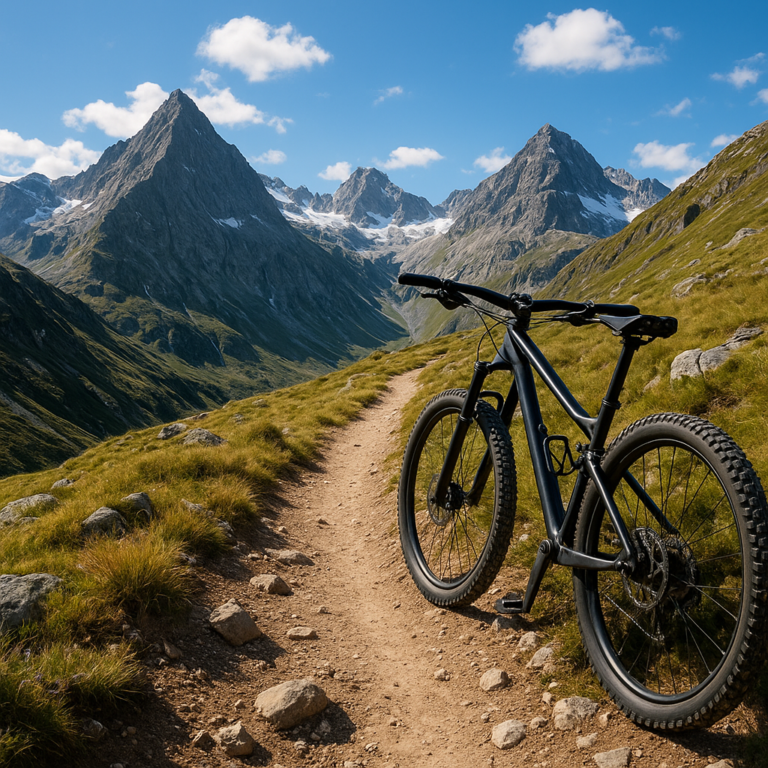
Trek mountain bikes range from hardtails such as the Marlin and Roscoe to full-suspension models such as the Fuel EX, Top Fuel, Slash, and Session. Check the current Trek mountain-bike lineup because available models and specifications can change by year and market.
- Cross-country (XC): Built around efficient climbing and fast pedaling. Models such as the Top Fuel suit riders who want an efficient bike for racing and flowing trails.
- Trail: A versatile middle ground for climbs, turns, roots, and descents. The Fuel EX family is a well-known trail-bike option.
- Enduro: Designed for aggressive descending while retaining the ability to pedal back up. Slash models are oriented toward challenging terrain.
- Downhill: Built for steep, rough descents and lift-access riding. A downhill bike is a specialist tool, not the ideal one-bike garage choice.
- Hardtail: One front suspension fork, no rear shock. Easier to maintain and often a strong value for beginner trails and everyday riding.
- Fat bike: Very wide tires for loose or soft surfaces. Confirm current availability in your region before setting your heart on a specific model.
Our trail-side advice: Don’t buy suspension travel you don’t need. More travel can boost confidence on rough descents, but it can add weight and reduce climbing efficiency. The best setup is the one that matches your local trails, not the most dramatic spec sheet.
⚡ Electric Mountain Bikes: Full-Suspension and Hardtail
Trek’s electric mountain-bike families include models such as the Powerfly and Rail. Powerfly models are commonly aimed at versatile trail riding, while Rail models are built for more demanding, longer-travel mountain-bike terrain. Always verify the exact motor, battery, travel, and equipment on the specific model page.
A full-suspension e-MTB can help smooth rough terrain and make technical trails feel more manageable, while an e-hardtail is mechanically simpler and often better suited to smoother trails or mixed-use riding.
Benefits
- Motor assistance can make steep climbs and repeated laps more accessible.
- A larger battery may support longer rides, though actual range depends heavily on conditions.
- E-assist can help riders with different fitness levels enjoy a ride together.
Drawbacks
- Added weight affects lifting, transport, and handling when the motor is off.
- Battery and motor systems require compatible service and careful maintenance.
- Range estimates are not guarantees; steep climbs, rider weight, temperature, and assistance mode all matter.
For more model comparisons and buying advice, see our Electric Bikes section and Trek’s electric mountain-bike lineup.
🛣️ Road Bikes: Race, Endurance, and Electric Road
Trek road bikes include endurance-focused models such as the Domane and performance-oriented families such as the Madone. Trek’s road range and naming can shift across model years, so use the official road-bike listings to confirm current options.
- Endurance road: A more comfort-oriented choice for long rides and imperfect pavement.
- Race road: Prioritizes speed, aerodynamic efficiency, and responsive handling.
- Electric road: Adds motor assistance for hills, longer rides, or a helping hand on the way home.
A fast road bike is exhilarating on open pavement, but it may be less forgiving if your rides include broken lanes, gravel shortcuts, or an upright commuting position. If you’re comparing road models, weigh tire clearance, gearing, frame fit, and serviceable components—not just frame weight.
🌾 Gravel Bikes: All-Road, Gravel Race, and Electric Gravel
The Trek Checkpoint is the brand’s best-known gravel platform, designed for riding across pavement and unpaved roads. It can suit everything from fast gravel events to loaded adventures, depending on the model and setup. Trek’s gravel-bike range is the place to check current builds and tire-clearance details.
Gravel bikes often combine drop handlebars with wider tires, stable geometry, and mounting points for accessories. That makes them versatile, but “gravel bike” doesn’t mean “perfect at everything.” A gravel-race build may favor speed; a bikepacking setup may prioritize tire clearance, mounts, and carrying capacity.
A quick setup checklist
- Choose tires based on the balance of pavement speed and loose-surface grip.
- Check the frame’s maximum tire clearance for the exact model year.
- Confirm mounting points for bottles, bags, and racks if touring is on the agenda.
- Consider lower gearing if your routes include steep climbs or loaded riding.
- Test the handlebar position on a ride long enough to expose comfort issues.
🏙️ Hybrid and City Bikes: Comuting and Everyday Riding
Trek’s FX, Dual Sport, and Verve families cover a range of fitness and everyday riding needs. The FX is often oriented toward efficient fitness riding and commuting; Dual Sport models lean toward mixed pavement and light paths; Verve models focus on a more relaxed, upright riding position. See Trek’s hybrid bike range and our City Bikes guides.
| Need | What to look for |
|---|---|
| Daily commuting | Rack and fender compatibility, lights, secure locking options |
| Fitness riding | Efficient tires, comfortable reach, suitable gearing |
| Rough paths | Wider tires and a stable riding position |
| Upright comfort | Higher handlebar position and a relaxed fit |
| Carrying groceries | Rack mounts and a suitable rear rack or pannier setup |
A practical city bike may not have the glamour of a carbon race machine, but it can quietly become the most-used bike in the house. That’s a pretty good performance review.
🧒 Kids’ Bikes: Trek Models for Young Riders
Trek kids’ bikes, including models in the Wahoo range, are designed for young riders who need a manageable bike size and controls. The best kids’ bike is not simply the one they can barely reach; it should feel easy to start, steer, brake, and stop.
- Match wheel size and frame size to the child, not just their age.
- Check brake-lever reach and make sure the child can operate the brakes confidently.
- A lighter bike is often easier for a young rider to control.
- Avoid buying a bike so large that the child has to “grow into” an unsafe fit.
- A short test ride in a safe area can reveal fit problems quickly.
See Trek’s kids’ bike range and ask a local shop to help with sizing.
🌀 BMX, Dirt Jump, and Slopestyle Bikes
Trek’s dirt-jump offerings have included the Ticket family, with availability varying by market and year. Dirt-jump bikes are purpose-built for jumps, pump tracks, and controlled tricks. Their compact geometry and robust components are very different from those of a road or cross-country bike.
Before buying:
- Confirm the model is currently offered in your region.
- Check whether the bike is intended for dirt jumping, park riding, or another use.
- Inspect wheels, fork, and drivetrain after hard landings.
- Wear a properly fitted helmet and appropriate protective gear.
A dirt-jump bike is a great specialist ride, but it won’t turn the commute into a comfortable cruise. It may turn your car park into an improvised jump line, though. Please ask permission first.
🏊 Triathlon and Time-Trial Bikes
Trek’s time-trial and triathlon options have included the Speed Concept. These bikes are shaped around aerodynamic positioning and event-specific equipment, with fit and setup playing an outsized role in comfort and performance.
- Choose a triathlon bike for dedicated time-trial or triathlon use, not general-purpose riding.
- Get professional fit guidance before committing to an aggressive position.
- Check the rules for your event, including equipment and handlebar requirements.
- Expect a more specialized maintenance and travel setup than with a standard road bike.
For riders who want one bike for commuting, club rides, and occasional racing, an endurance or race road bike may be a more flexible choice.
🏆 Best Trek Bikes by Riding Style
There’s no universal winner here; the “best” model depends on terrain, experience, fit, and how you ride. The models below are useful starting points, not a substitute for checking current specifications or taking a test ride.
| Riding goal | Trek family to investigate | Why it may fit |
|---|---|---|
| Beginner mountain biking | Marlin | Hardtail versatility and an accessible entry point into trails |
| More aggressive trail riding | Roscoe or Fuel EX | Wider tires or full suspension, depending on the build |
| XC efficiency | Top Fuel | A more pedaling-focused mountain-bike platform |
| Technical descents | Slash or Session | More downhill-oriented design and capability |
| Road endurance | Domane | Comfort-oriented road platform |
| Road racing | Madone | Performance-oriented design |
| Gravel adventure | Checkpoint | Mixed-surface riding and adventure potential |
| Everyday commuting | FX, Dual Sport, or Verve | Fitness, mixed-path, or upright comfort options |
| Assisted trail riding | Powerfly or Rail | E-MTB choices across different trail needs |
1. Best Trek Mountain Bike for Trail Riding
Consider: Trek Fuel EX for an all-round full-suspension trail-bike starting point; consider the Roscoe if you prefer a simpler hardtail feel.
The Fuel EX family is suited to riders who want a bike that can climb, turn, and handle rougher descents without being a dedicated downhill machine. The Roscoe’s hardtail layout can be appealing to riders who value simplicity and direct trail feedback.
Pros
- Trail-focused versatility across varied terrain.
- Full suspension can improve comfort and control over rough sections.
- A hardtail option can reduce rear-suspension maintenance.
Cons
- Full suspension adds weight and service needs.
- A hardtail is less forgiving when trails get rough.
- The right fit and suspension setup matter as much as the model name.
Check the exact model-year geometry and equipment on Trek’s mountain-bike pages.
2. Best Trek Cross-Country Bike for Speed and Climbing
Consider: Trek Top Fuel for riders who want an efficient bike for climbing and fast, flowing trails.
Cross-country bikes favor pedaling efficiency, lower weight, and quick handling. A modern XC bike can handle more terrain than the old-school “race-only” stereotype suggests, but it will still feel different from a long-travel enduro bike.
Best for: Fitness-minded riders, XC racing, long climbs, and flowing trails.
Think twice if: Your regular routes involve repeated steep drops, big jumps, or very rough descents. In that case, a more trail-oriented model may give you more comfort and control.
3. Best Trek Downhill Bike for Step, Technical Terrain
Consider: Trek Session for dedicated downhill riding, subject to current availability and exact model specifications.
Downhill bikes are built for aggressive descents and lift-assisted days. They typically prioritize suspension, stability, and control over easy climbing. That’s precisely what you want on a steep track—and a chore if you’re pedaling a long road climb back to the top.
Before buying a downhill bike, check:
- Whether your local trails allow the bike and suit its design.
- Whether you have lift or shuttle access.
- The cost and availability of suspension and wheel service.
- Whether a trail or enduro bike would be more versatile for your riding.
4. Best Trek Electric Mountain Bike for Big Days Out
Consider: Powerfly for versatile assisted trail riding; Rail for riders looking toward more aggressive terrain. Confirm current configurations on Trek’s electric mountain-bike page.
The best e-MTB depends on your terrain and priorities. A high-capacity battery may help on long, steep rides, while a lighter setup may feel more agile. Motor support can expand your route options, but it also changes how the bike weighs, accelerates, and behaves when switched off.
Practical tip: Test the bike on a real climb if possible. A parking-lot spin won’t tell you how the motor responds under sustained load.
5. Best Trek Road Bike for Racing and Fast Group Rides
Consider: Madone for riders seeking a race-oriented road platform, after checking the latest model specifications and fit.
Race-focused road bikes tend to reward a more aerodynamic riding position and responsive handling. They can feel thrilling in a fast group, but a highly aggressive fit may become uncomfortable on long, relaxed rides.
Compare:
- Frame size and reach.
- Tire clearance for your preferred road conditions.
- Mechanical versus electronic shifting, where available.
- Wheel and tire setup.
- The cost and complexity of any proprietary components.
6. Best Trek Endurance Bike for Long-Distance Comfort
Consider: Domane for long rides and varied pavement.
Endurance road bikes generally emphasize a more sustainable position and comfort over long hours. The Domane family is worth investigating if your rides include imperfect roads, extended distances, or a preference for less aggressive geometry.
Comfort is personal, though. A plush frame cannot compensate for a saddle that doesn’t suit you, handlebars that are too low, or a frame that’s the wrong size.
7. Best Trek Gravel Bike for Mixed-Surface Adventures
Consider: Checkpoint for riders who want one bike for paved roads, gravel routes, and adventure rides.
The Checkpoint can be a strong choice for riders who want drop-bar speed with more off-pavement flexibility. Compare tire clearance, mounts, geometry, and gearing carefully: these details determine whether a particular build suits racing, touring, or casual exploration.
Our setup note: If your route is mostly smooth pavement with occasional compact gravel, you may prefer a faster-rolling tire. If it includes loose corners or rough tracks, prioritize grip and volume.
8. Best Trek Electric Gravel Bike for Extra Range
Consider: Trek’s electric gravel availability varies; check the current electric bike catalog for models sold in your market.
An electric gravel bike can help riders tackle longer routes or hills, but availability and model choice can differ substantially by country. Compare motor assistance, range, tire clearance, mounting options, and battery-removal or charging arrangements before purchasing.
9. Best Trek City Bike for Comuting
Consider: FX for efficient fitness commuting, Dual Sport for mixed paths, or Verve for a more upright position.
A commuter’s best bike is the one that fits the route and carries the daily essentials. Ask whether the model supports the rack, fenders, lights, and lock strategy you need. Trek’s hybrid range and our city bike articles can help narrow the field.
10. Best Trek Kids’ Bike for Growing Riders
Consider: A correctly sized Trek kids’ bike from the current youth range, including Wahoo models where suitable.
Kids’ bikes should feel manageable now, not “just about usable after another growth spurt.” Have your child test the bike’s starts, stops, turns, and brake controls. A confident rider is worth more than a larger wheel size on paper.
🔍 Trek Bike Model Families Explained
Model names can feel like a secret code at first. The simple trick: identify the category, then compare model families within it. Use Trek’s current listings because names, equipment, and availability change over time.
Popular Trek Mountain Bike Families
| Family | General riding focus |
|---|---|
| Marlin | Recreational and entry-level hardtail mountain biking |
| Roscoe | Trail hardtail riding |
| Top Fuel | Cross-country and efficient trail riding |
| Fuel EX | Versatile trail riding |
| Slash | Aggressive enduro-oriented riding |
| Session | Downhill-focused riding |
| Powerfly | Electric mountain biking |
| Rail | More aggressive electric mountain biking |
These are broad descriptions, not guarantees that every model year has the same geometry or equipment.
Popular Trek Road Bike Families
| Family | General riding focus |
|---|---|
| Domane | Endurance and longer road rides |
| Madone | Performance and race-oriented road riding |
| Émonda | Historically associated with lightweight climbing-focused road performance; check current lineup and regional availability |
| Domane+ | Electric-assist road riding where offered |
| Speed Concept | Time-trial and triathlon use |
Trek’s road line can change over time, so confirm which families and versions are currently available in your market.
Popular Trek Gravel Bike Families
| Family | General riding focus |
|---|---|
| Checkpoint | Gravel, mixed surfaces, and adventure riding |
When comparing Checkpoint builds, focus on frame material, tire clearance, gearing, mounts, and the type of riding each build is designed for.
Popular Trek Electric Bike Families
| Family | General riding focus |
|---|---|
| Powerfly | Electric mountain biking |
| Rail | More aggressive electric mountain biking |
| Verve+ | Upright electric commuting and recreational riding |
| FX+ | Electric-assist urban and fitness riding |
| Domane+ | Electric road riding where available |
Motor and battery specifications can differ by year, region, and trim. Use Trek’s official model page rather than assuming every bike with the same family name is identical.
Popular Trek Hybrid and City Bike Families
| Family | General riding focus |
|---|---|
| FX | Fitness riding and commuting |
| Dual Sport | Pavement and light mixed-surface riding |
| Verve | Relaxed, upright everyday riding |
A city bike can be “simple” in the best sense: practical gearing, easy mounting, useful accessories, and a position that makes you want to ride again tomorrow.
🧭 How to Choose a Trek Bike
A good purchase begins with your route, not the brochure. Here’s our no-drama method.
Match Your Bike to Your Riding Style and Terrain
- List your regular rides. Note road, gravel, trails, hills, distance, and weather.
- Choose your main use. If most rides are commuting, don’t buy a downhill bike for the 10% of the route that’s a rough path.
- Consider how you carry things. Luggage may call for rack mounts, bags, and a stable setup.
- Be honest about speed and comfort. A race posture is not automatically fun for everyone.
- Keep future riding realistic. Choose some flexibility, but don’t pay for features you’ll rarely use.
Choose the Right Frame Material: Aluminum or Carbon
| Material | Common strengths | Things to consider |
|---|---|---|
| Aluminum | Often practical, durable, and good value | Can feel firmer than some carbon setups; construction varies |
| Carbon fiber | Can be shaped for low weight and specific ride characteristics | Damage inspection and repair need specialist judgment |
| Steel | Durable and repairable in many situations; common in some bike categories | Usually heavier than comparable high-performance carbon |
| Titanium | Corosion-resistant and valued for its ride qualities | Less common and often specialist-oriented |
Material alone does not decide ride quality. Frame geometry, tire choice, wheels, fit, and the build all matter. Carbon is not automatically better for every rider, and aluminum is not automatically harsh.
Compare Gears, Brakes, Suspension, and Components
When comparing two Trek bikes in a similar category, inspect:
- Gearing: Does the range suit your steepest climbs and fastest descents?
- Brakes: Hydraulic disc brakes generally offer strong modulation; mechanical systems can be simpler to service.
- Suspension: Check travel, adjustability, and service intervals.
- Wheels and tires: These influence grip, comfort, durability, and acceleration.
- Drivetrain: Compare the specific groupset and replacement-part availability.
- Mounts and integration: Confirm compatibility with racks, fenders, lights, and bags.
The biggest component label doesn’t automatically make the best ride. Good fit and dependable brakes beat braging rights.
Set a Budget for Your Trek Bike and Gear
We won’t list specific prices because they vary by model, region, and retailer. Instead, consider total ownership:
- Bike and assembly.
- Helmet, lock, lights, pump, and repair kit.
- Regular service and wear parts such as chains, brake pads, and tires.
- E-bike battery and motor support, if applicable.
- Travel or storage needs.
A slightly less expensive bike that fits well and gets serviced locally may be a better choice than a higher-spec model that stretches your budget and sits unused.
📐 Trek Bike Sizing and Fit Guide
A size chart is a useful starting point; it is not a final verdict. Trek publishes sizing guidance and tools, but proportions, mobility, riding style, and model geometry can affect the best fit.
How Trek Bike Sizes Work
Trek sizing is model-specific. Road, mountain, and hybrid bikes can use different geometry and sizing conventions. Two bikes labeled the same size may still feel different because of reach, stack, handlebar width, and frame shape.
Use the Trek size finder for a first pass, then confirm with a shop or test ride.
How to Measure Yourself for a Trek Bike
- Measure your height without shoes, standing against a wall.
- Measure inseam with a book held snugly between your legs, then measure from the floor to the book’s upper edge.
- Check the size chart for the specific model.
- Compare your measurements with the bike’s reach and standover figures.
- Test the bike if possible, especially if your measurements fall between sizes.
Do not size a bike based only on a friend’s setup. Their arms, torso, flexibility, and preferences are not included in your inseam measurement.
Fit Adjustments: Saddle, Handlebars, and Reach
A basic fitting sequence:
- Set saddle height so your leg has a comfortable, slight bend at the bottom of the pedal stroke.
- Adjust saddle fore-aft position to support a balanced riding position.
- Set handlebar height and reach for control and comfort.
- Check brake-lever reach, especially for smaller hands.
- Take a short ride, then make small adjustments one at a time.
If you feel persistent numbness, pain, or instability, get help from a qualified bike fitter or local dealer. “Ride through it” is not a fitting technique.
Trek Bike Geometry: What the Numbers Mean
| Geometry term | Plain-language meaning |
|---|---|
| Reach | Horizontal room from the bottom bracket area to the head tube |
| Stack | Vertical height at the front of the frame |
| Head-tube angle | Influences steering feel and front-wheel position |
| Seat-tube angle | Affects seated pedaling position |
| Wheelbase | Distance between the wheels; longer often feels more stable |
| Standover | Clearance above the top tube when standing over the bike |
Geometry numbers are best compared within the same type of bike. A gravel bike and downhill bike have very different jobs, so comparing their head-tube angles as if they were competing in the same event is a bit like comparing a trail map to a train timetable.
🔋 Trek Electric Bikes: Motors, Batteries, Range, and Charging
Trek offers electric bikes across several categories, with systems and specifications varying by model and market. Trek’s e-bike range is the best place to verify the exact motor, battery, assist class, and compatibility.
How Far Can a Trek E-Bike Go?
There is no single dependable range number for every Trek e-bike. Range depends on:
- Battery capacity and battery condition.
- Assistance mode and motor output.
- Rider and cargo weight.
- Hills, wind, surface, and stop-start riding.
- Temperature and tire pressure.
- Cadence and gear selection.
Treat range estimates as planning guidance, not a promise. For a longer trip, leave a safety buffer rather than aiming to arrive at the last percentage point of battery.
E-Bike Classes, Speed Limits, and Local Rules
E-bike classifications, allowed speeds, and access rules differ by country, state, and trail system. In the United States, the common three-class framework distinguishes bikes by assistance speed and whether the bike uses a throttle; regulations may still vary locally. Check the PeopleForBikes e-bike laws resource and your local authorities before riding on public trails.
Battery Care, Charging, and Replacement
- Use the charger specified for your bike’s battery system.
- Follow Trek and system-maker guidance for charging, storage, and temperature.
- Avoid storing a battery in extreme heat or cold.
- Inspect the battery and connectors for visible damage.
- Ask an authorized dealer about diagnosis, replacement, or software service.
Never improvise battery repairs. E-bike batteries store substantial energy, and damaged lithium-ion batteries need qualified handling. See the U.S. Consumer Product Safety Commission’s e-bike battery safety guidance.
Trek E-Bike Safety and Maintenance
E-bikes are heavier and may accelerate differently from conventional bikes. Practice starting, braking, cornering, and stopping in a quiet space before riding in traffic or on a technical trail.
Keep tires inflated within their recommended range, inspect brake pads regularly, and arrange service for motor, battery, and firmware concerns with a qualified Trek dealer or service provider.
🧩 Trek Bike Customization and Project One
Trek’s Project One program has offered custom paint and selected build choices on eligible models and in participating markets. Options vary, so check the official Project One page for current eligibility and selections.
Custom Paint, Colors, and Frame Options
Custom paint is fun, but it should come after fit and function. First choose the right frame, size, and category; then consider the finish. Confirm lead times, local availability, and the conditions that apply to custom orders before placing one.
Component Choices, Wheel Builds, and Personal Fit
A shop or fitter can help you refine:
- Handlebar width and shape.
- Saddle and seatpost.
- Gearing and crank length.
- Wheel and tire setup.
- Pedals, grips, and cockpit position.
Compatibility matters. Modern frames may use specific standards for brakes, axles, bottom brackets, seatposts, and electronic systems. Check compatibility with Trek or a qualified mechanic before ordering aftermarket parts.
🛠️ Trek Bike Parts, Accessories, and Cycling Gear
Accessories can make a good bike far more practical. Trek’s equipment and accessories pages cover a range of riding essentials; you can also browse our Bike Accessories guides.
Wheels, Tires, and Tubes
Match tires to terrain, frame clearance, wheel size, and riding style. Wider tires can offer more comfort and grip, while narrower slick tires may roll efficiently on smooth pavement. Check the frame and fork’s maximum clearance and the wheel’s tubeless compatibility before upgrading.
Pedals, Drivetrain, and Brakes
- Pedals: Flat pedals are practical for casual riding and learning; clipless systems can help secure your feet for performance riding.
- Drivetrain: Keep the chain clean and lubricated; replace worn parts before they damage the cassette or chainrings.
- Brakes: Inspect pad wear and rotor condition. Brake work is safety-critical, so use a mechanic if you’re uncertain.
Handlebars, Stems, and Grips
Cockpit changes can affect comfort and handling. Confirm bar diameter, stem compatibility, cable or hose length, and steering setup. A shorter stem is not automatically a fix for a poorly sized frame.
Lights, Bike Computers, and Visibility Gear
For commuting, use lights appropriate to your conditions and local requirements. A bike computer can track navigation or ride data, but it should not distract you in traffic. Reflective clothing and predictable riding remain valuable even with powerful lights.
Pumps, Tools, and Maintenance Supplies
A useful starter kit includes:
- A pump suited to your valve type.
- Tire levers and a spare tube or compatible repair kit.
- A multitool.
- Chain lubricant and a cleaning cloth.
- A way to carry the tools on the bike.
Learn how to repair a flat before you’re standing beside one, miles from home, conducting an awkward roadside negotiation with a thorn.
Bags, Panniers, and Bike Storage
Check whether your Trek has rack and fender mounts before purchasing luggage. Frame bags, handlebar bags, and panniers can all work well, but attachment points and tire clearance determine what fits.
Water Bottles, Cages, Fenders, Bells, and Kickstands
Simple accessories can make daily riding more pleasant. Confirm bottle-cage mounting positions, fender clearance, kickstand compatibility, and local rules for bells or horns. A bell is particularly useful on shared paths; it’s a polite “coming through,” not a medieval challenge.
Helmets, Shoes, Apparel, and Rider Protection
Choose a properly fitted helmet that meets relevant safety standards; the U.S. National Highway Traffic Safety Administration provides general bicycle safety guidance. Shoes and clothing should suit your pedals, weather, and riding position. For trail riding, consider gloves and additional protective gear appropriate to the terrain.
🔧 Trek Bike Maintenance, Repairs, and Service
Regular maintenance protects performance and helps catch problems early. Trek’s dealer network can assist with fitting and service; use its dealer locator to find local support.
Essential Checks Before Every Ride
Use this quick pre-ride check:
- Tires: Check pressure and look for cuts, embedded debris, or bulges.
- Brakes: Squeeze each brake and confirm it feels firm and works.
- Wheels: Make sure they’re secure and spin without obvious rubbing.
- Drivetrain: Check that the chain is on and shifts normally.
- Cockpit: Confirm handlebars and saddle are secure.
- E-bike system: Check battery seating and charge if applicable.
If anything feels loose, cracked, or unsafe, stop and get it inspected before riding.
Cleaning and Lubricating Your Trek Bike
- Rinse gently; avoid directing high-pressure water at bearings or suspension seals.
- Use bike-specific cleaner or mild soap.
- Dry the bike, especially the chain and drivetrain.
- Apply suitable chain lubricant sparingly, then wipe away excess.
- Clean the chain before adding fresh lubricant.
Too much lube attracts grit. A shiny chain can become a tiny, expensive sandpaper machine if neglected.
When to Service Suspension, Brakes, and Drivetrain
Service intervals depend on use, conditions, and component-maker guidance. Rough, wet, dusty, and frequent riding can shorten intervals. Watch for:
- Suspension noise, leaks, or reduced performance.
- Brake squeal, weak braking, or worn pads.
- Skipping gears, a noisy chain, or poor shifting.
- Wheel woble, loose spokes, or bearing play.
- Unusual motor or battery behavior on an e-bike.
Use the service guidance for the specific components on your bike and ask a qualified mechanic when in doubt.
Finding a Trek Dealer and Local Bike Shop Support
A local shop can help with sizing, test rides, assembly, warranty questions, and routine service. Trek’s site promotes a network of retailers, but coverage and services vary by location. Confirm the shop handles your particular bike system—especially for e-bike motor and battery work.
🛡️ Trek Warranty, Crash Replacement, and Product Safety
Warranty coverage depends on the product, location, owner, and terms in force at the time of purchase. Trek’s website describes lifetime frame coverage for the original owner on eligible frames, but that should not be read as a lifetime warranty on every part. Review Trek’s warranty policy and keep your proof of purchase.
Trek’s Warranty Coverage: What to Check
Before buying, verify:
- Which frame and fork parts are covered.
- Coverage periods for components, paint, and accessories.
- Whether coverage transfers to a second owner.
- What documentation is required.
- How crash replacement or damage claims are handled.
- Whether the policy differs in your country.
Trek’s promotional wording may emphasize long-term frame coverage; the written warranty is the document that defines the actual coverage.
Bike Registration, Recalls, and Safety Notices
Register your bike if Trek offers registration in your region, retain the serial number and receipt, and check official recall notices. In the United States, consumers can search the CPSC recalls database. For a serious crash or suspected frame damage, stop riding and have the bike inspected by a qualified professional.
♻️ Buying a Trek Bike: New, Used, or Certified Pre-Owned
A new bike gives you a known service history and current retailer support. A used Trek can be a strong value, but only if its fit, condition, and ownership history check out.
Where to Buy Trek Bikes
You can check Trek’s official online store and dealer locator. Availability, delivery options, support, and return conditions differ by region and retailer.
Trek advertises a 30-day return period on its website in some markets, with conditions. Confirm the current local terms before buying; promotional policies and eligibility can vary.
How to Inspect a Used Trek Bike
- Confirm the exact model and year. Compare the serial number and original specifications where possible.
- Inspect the frame. Look for cracks, dents, suspicious paint damage, or signs of a crash.
- Check the wheels. Look for damaged rims, loose spokes, and rough bearings.
- Test the brakes and shifting. They should work consistently without unusual noises.
- Inspect wear parts. Check chain, cassette, brake pads, tires, and suspension.
- Ask about service history and ownership.
- For an e-bike, check system diagnostics and battery condition with a qualified dealer.
- Avoid a purchase if the seller cannot explain the bike’s ownership or serial number.
A professional inspection may cost time, but it can save you from buying a mystery project with two wheels.
Trek Bike Test Rides, Returns, and Fit Support
A test ride should include more than a spin around the shop car park. If possible, test the bike on terrain similar to your normal route, paying attention to reach, steering, braking, shifting, and comfort. Ask whether the dealer can make small setup adjustments before you decide.
🌱 Trek’s Sustainability, Mission, and Cycling Community
Trek describes its mission as making the world a better place to live and ride. Company commitments are worth considering, but we recommend checking current reports and measurable details rather than relying on a slogan alone. Explore Trek’s company and sustainability information and compare it with your own priorities.
Cycling can also support everyday transport, outdoor recreation, and community connections. A practical bike that replaces short car trips may be more meaningful to your routine than a high-spec machine that rarely leaves the garage.
The first YouTube video embedded above, “Trek Has Nothing Left to Sell You (And They Know It)”, offers a critical perspective on premium-bike pricing and the challenge of justifying expensive upgrades. It’s an opinion video, not an independent specification test, but it raises a useful buyer question: does the upgrade improve your ride enough to justify the added cost and complexity? Our answer: judge the bike by its fit, components, support, and your real-world use—not by the logo or the loudest take online.
❓ Trek Bikes FAQs

Where can I find the best deals on Trek bikes?
Check Trek’s official site, authorized local dealers, and reputable used-bike channels. End-of-season stock and prior model years may offer good value, but availability varies. Compare the exact model year, component build, warranty eligibility, assembly, and return terms—not just the headline discount.
Read more about “🚲 14 Best Bike Brands for Comuting (2026)”
What features make Trek bikes stand out?
Trek stands out for its broad range of bike categories, established model families, engineering resources, custom options on eligible models, and dealer-service network. The right model may also offer useful frame mounts, suspension design, or integrated systems. These features vary by bike, so compare specific builds rather than assuming every Trek has the same advantages.
Read more about “Cannondale Bikes: Which Ride Is Right for You? 🚴”
What are the latest Trek bike models?
Model-year availability changes and can vary by country. Trek’s official bike catalog is the most reliable place to see current models and specifications. Check the local country site as regional lineups may differ.
Read more about “🚵 ♂️ Top 25 Mountain Bike Manufacturers Ranked for 2026”
How do Trek bikes compare to other brands?
Trek competes with brands such as Specialized, Giant, Cannondale, Scott, and Santa Cruz. Each has strengths across different categories and price tiers. Compare bikes with similar intended use, frame material, components, warranty terms, fit, and local service access. A Trek may be the better choice for one rider, while a similarly equipped Specialized or Giant may suit another.
Read more about “What Are the Big Three Bike Manufacturers? 🚴 (2026)”
What are the best Trek bikes for beginners?
It depends on where you ride:
- For entry-level trails, consider a correctly sized Marlin hardtail.
- For commuting and fitness, explore FX or Dual Sport models.
- For relaxed everyday rides, look at the Verve range.
- For a young rider, choose a properly fitted bike from Trek’s current kids’ range.
Beginners benefit most from stable handling, reliable brakes, manageable weight, and a comfortable fit.
Read more about “What Is the Top Road Bike Brand? 15 Brands to Compare 🚴”
Can I customize my Trek bike with aftermarket parts?
Usually, but compatibility is essential. Check wheel size, axle standard, brake mounts, drivetrain compatibility, seatpost diameter, tire clearance, and electronic-system requirements. Ask a Trek dealer or qualified mechanic before modifying safety-critical components. Trek’s Project One offers selected factory customization on eligible models; aftermarket changes may affect warranty coverage if they cause damage.
What is the warranty on Trek bikes?
Trek’s warranty terms vary by product and region. Trek describes lifetime coverage for eligible frames for the original owner, while parts and accessories may have different coverage periods and exclusions. Read the current written warranty policy and keep your receipt.
Read more about “Is Schwinn a Good Brand? What Riders Should Know 🚲”
How much do Trek road bikes typically cost?
Trek road-bike pricing varies widely by frame material, groupset, wheels, and model year, so there is no single typical figure that stays accurate across markets. Compare models within the same category and include the cost of pedals, helmet, lights, maintenance, and any necessary fit adjustments. Check your local Trek site or dealer for current regional pricing.
Read more about “How Much Is a Good Cheap Bike? 🚲”
How much do Trek bikes cost?
Trek sells bikes across a broad range, from recreational and kids’ bikes to high-performance carbon road bikes and electric mountain bikes. The category, frame material, components, motor system, and model year drive the difference. For a fair comparison, shortlist bikes with similar use and equipment, then check local stock and support.
Read more about “How to Choose a Bike Brand That Fits Your Ride 🚴”
What are the key features to consider when buying a Trek bike?
Focus on:
- Correct frame size and comfortable riding position.
- Intended terrain and tire clearance.
- Gearing appropriate for your hills and speed.
- Brake type and maintenance access.
- Suspension needs, if any.
- Rack, fender, and bottle mounts.
- Local service and warranty terms.
- Total ownership needs, including accessories and maintenance.
Read more about “Trek Bicycle vs Giant Bicycle: Which One Fits You? 🚴”
How do I choose the right Trek bike for my riding style?
Start with your most frequent ride. Choose a road bike for paved-road speed, a gravel bike for mixed surfaces, a mountain bike for trails, a hybrid for fitness and commuting, and an e-bike if assistance will make your intended rides more accessible. Then check fit, test ride, and compare the exact build.
Read more about “How to Choose a Mountain Bike for Your Riding Style 🚵”
What are the different types of Trek bikes available?
Trek offers categories including mountain, road, gravel, hybrid and city, kids’, electric, and selected triathlon or dirt-jump models. Availability changes by market and model year. Browse Trek’s official catalog to confirm what is currently sold in your location.
Read more about “Choose the Right Mountain Bike for Your Trails 🚵”
Are Trek bikes still made in the USA?
Trek’s roots and headquarters are in Wisconsin, but its bicycles are manufactured across an international supply chain. The manufacturing location varies by product and model. Check the bike’s country-of-origin label and our guide to where Trek bikes are made.
Read more about “🚴 ♂️ 15 High End Bicycle Brands That Actually Dominate (2026)”
Are Trek bikes made by Giant?
Trek and Giant are separate bicycle brands. Some bicycle companies use contract manufacturing and global suppliers, but that does not make one brand the owner or maker of every other brand’s bikes. For an individual model’s origin, consult its labeling and official product information.
Read more about “12 Best Giant Mountain Bike Alternatives 🚵”
Why are Trek bikes so expensive?
Higher-spec bikes can use costly frame materials, suspension, drivetrains, wheels, brakes, and electronic systems. Brand distribution, research, quality control, and dealer service also affect the overall package. But a higher price does not guarantee a better fit or better ride for you. Compare equivalent specifications and decide whether the upgrade delivers something you’ll actually use.
Read more about “17 Bicycle Manufacturers With Natural Landmark Names 🏔️”
Is a Trek bike worth buying?
For many riders, yes—if the model fits, suits the terrain, and comes with useful local service support. Trek’s range makes it possible to compare different categories within one brand, but you should still test comparable bikes from other manufacturers before choosing. Our confident recommendation is to buy the best-fitting bike for your real riding, not simply the most expensive Trek you can justify.
Read more about “What Are the Most Popular Bike Brands? 🚲”
✅ Conclusion

Trek’s biggest strength is its wide selection: you can find bikes for road racing, gravel adventures, mountain trails, commuting, kids, and electric-assisted riding. The brand also offers an established dealer network and long-running model families, but those advantages don’t remove the need to check the specifics.
The positives: extensive categories, recognizable model options, custom choices on eligible bikes, and access to dealer service.
The drawbacks: model names and specifications can be confusing, availability differs by market, premium builds can be costly, and warranty coverage is subject to written terms and exclusions.
Our recommendation: decide where you’ll ride, narrow down the bike type, get the fit right, and test your shortlist. Compare Trek with equivalent bikes from Specialized, Giant, Cannondale, or other brands, then choose the ride that feels best and is easiest to support locally. And that unresolved question from the start—does the Trek suit your real rides? A test ride, a careful fit check, and an honest look at your routes will give you the answer.
🔗 Recommended Links
- Shop Trek bikes and cycling gear
- Explore Trek mountain bikes
- Explore Trek road bikes
- Explore Trek gravel bikes
- Explore Trek electric bikes
- Find a Trek dealer
- Read Bike Brands™ bike reviews
- Browse Bike Brands™ electric bike guides
- Explore Bike Brands™ accessories
- Explore Bike Brands™ city bike guides
- Where Are Trek Bikes Made? 🌍 Discover 7 Key Locations (2025)
- The Rider by Tim Krabbé on Amazon
- The Complete Book of Road Cycling & Racing by Willard Peveler on Amazon
- Trek’s international bike and cycling gear collection
📚 Reference Links
- Trek Bikes: Official bike catalog
- Trek Bikes: Company information and stories
- Trek Bikes: Warranty policy
- Trek Bikes: Size finder
- Trek Bikes: Project One customization
- Trek Bikes: Dealer locator
- Trek Bikes: Equipment and accessories
- PeopleForBikes: E-bike laws by state
- U.S. Consumer Product Safety Commission: Micromobility safety
- U.S. National Highway Traffic Safety Administration: Bicycle safety
- U.S. Consumer Product Safety Commission: Recalls
- Trek Bikes: International collection and cycling gear