Support our educational content for free when you purchase through links on our site. Learn more
🚀 10 Aero Road Bike Innovations That Beat the Wind (2026)


Remember the first time you hit 20 mph and felt like you were pushing through a wall of concrete? That wasn’t your legs failing; it was the air fighting back. For decades, the cycling world obsessed over grams, believing the lightest bike would always win. But here’s the plot twist that changed everything: once you pass 15 km/h (9.3 mph), aerodynamic drag becomes a far bigger enemy than gravity. In fact, the rider accounts for up to 82% of total drag, meaning even the most expensive carbon frame is useless if you’re sitting upright like a traffic cone.
At Bike Brands™, we’ve spent countless hours in wind tunnels (metaphorically, and sometimes literally) testing the latest aerodynamic road bike innovations. From the seamless integration of one-piece cockpits to the surprising speed of wider, tubeless tires, the landscape of speed has shifted dramatically. We’re not just talking about shaving grams anymore; we’re talking about saving watts. In this deep dive, we reveal the top 10 game-changing innovations that are redefining speed, including why your next upgrade might actually be a slightly heavier but infinitely faster machine.
By the end of this article, you’ll understand exactly why modern “all-rounder” aero bikes are leaving traditional climbing machines in the dust on mixed terrain, and you’ll know which specific technologies are worth your hard-earned cash. Ready to stop fighting the wind and start slicing through it? Let’s get moving.
Key Takeaways
- Aerodynamics Trumps Weight: Once you exceed 15 km/h, air resistance is the dominant force, making aero efficiency more critical than frame weight for overall speed.
- The Rider is the Key: Since the cyclist creates 64–82% of total drag, optimizing your position and gear is just as important as the bike’s frame design.
- Modern All-Rounders Rule: The new generation of aero road bikes combines the speed of dedicated time-trial machines with the comfort and climbing ability of traditional endurance bikes.
- Hidden Tech Matters: Innovations like internal cable routing, integrated cockpits, and wider tubeless tires are the real secret weapons behind today’s speed records.
Ready to upgrade your ride?
- 👉 Shop Aero Road Bikes: Search on Amazon | Search on eBay
- 👉 Shop Aero Helmets: Search on Amazon
- 👉 Shop Deep-Dish Wheels: Search on Amazon
Table of Contents
- ⚡️ Quick Tips and Facts
- 📜 The Evolution of Speed: A History of Aerodynamic Road Bike Innovations
- 🏆 Top 10 Game-Changing Aerodynamic Road Bike Innovations You Need to Know
- 1. The Rise of the “All-Rounder” Aero Frame Geometry
- 2. Integrated Cockpit Systems and Handlebar-Wheel Synergy
- 3. Deep-Dish Carbon Wheels: Finding the Sweet Spot Between Depth and Weight
- 4. Hidden Cable Routing: The Quest for a Clean Airflow Profile
- 5. Aero Tires and Tubeless Technology: The Low-Pressure Revolution
- 6. Disc Brakes and Their Surprising Impact on Drag Reduction
- 7. One-Piece Seatposts and Aero-Optimized Saddle Integration
- 8. Computational Fluid Dynamics (CFD) and Wind Tunnel Testing
- 9. Electronic Shifting: Eliminating Mechanical Friction and Cable Drag
- 10. Aero Helmets and Clothing: The Rider as the Biggest Variable
- 🔍 Deep Dive: How Modern Aero Bikes Compare to Traditional Climbing Machines
- 🛠️ Real-World Testing: Do Aero Gains Matter on Flat Roads vs. Hills?
- 💸 Is the Aero Premium Worth It? Value Analysis of Top Brands
- 🚴 ♂️ Maintenance and Care for Your High-Tech Aero Machine
- 🧪 The Future of Aero: What’s Next for Road Bike Design?
- 📝 Conclusion
- 🔗 Recommended Links
- ❓ FAQ
- 📚 Reference Links
⚡️ Quick Tips and Facts
Before we dive into the wind-tunnel-tested nitty-gritty, let’s hit the gas on some high-impact facts that might just change how you pedal forever.
- The 15 km/h Rule: Here’s a mind-blower from our friends at Cube: once you hit 15 km/h (9.3 mph), aerodynamic drag becomes a bigger enemy than gravity. Yes, even on a slight incline, air resistance is the boss. Source: Cube Road Bike Innovations 2020
- The Rider is the Elephant in the Room: You might think the frame is the hero, but you are the villain (or the hero, depending on your posture). The cyclist accounts for 64–82% of total drag. A bike frame is only responsible for the remaining 18–36%. Source: USC Illumin
- Position is Power: Dropping into the drops reduces drag by 14% compared to an upright position. Going for the top bar? That’s a 32% reduction. But let’s be honest, who wants to ride like that all day? That’s why modern aero bikes are designed to keep you comfortable while you tuck.
- The LeMond Legacy: Remember the 1989 Tour de France? Greg LeMond won by a mere 8 seconds using aero bars and an aero helmet. That race proved that aerodynamics beats weight every time.
- Weight vs. Speed: Modern engineering has shifted the paradigm. We used to obsess over shaving grams; now, we obsess over watts saved. A slightly heavier bike that cuts through the air like a hot knife through butter will beat a feather-light climbing bike on flat terrain every single time.
Ready to see how the pros are hacking the wind? Let’s roll.
📜 The Evolution of Speed: A History of Aerodynamic Road Bike Innovations

The story of the road bike is a story of a constant war against the invisible enemy: air.
For decades, the mantra was simple: Lighter is Faster. We saw steel give way to aluminum, and then the carbon fiber revolution took the stage in the 1980s and 90s. We were obsessed with making frames weigh less than a bag of flour. But as we learned from the 1989 Tour de France, there’s a limit to how much weight you can cut before the bike becomes a noodle, and more importantly, weight doesn’t matter as much as you think once you’re moving.
The Turning Point: From Weight to Wind
The late 1980s marked the paradigm shift. Engineers realized that at racing speeds, aerodynamic drag is the single biggest force acting on a cyclist. It wasn’t just about the bike anymore; it was about the system—the rider, the bike, and the air flowing around them.
- Early Experiments: In the 70s and 80s, we saw the first “aero” shapes, often looking a bit like teardrops gone wrong. They were clunky, uncomfortable, and often illegal under UCI rules.
- The Carbon Revolution: The widespread adoption of carbon fiber in the 20s changed everything. Unlike aluminum or steel, carbon can be molded into complex, airfoil shapes without adding significant weight. This allowed manufacturers to design frames that looked like they were sliced by a laser.
- The Wind Tunnel Era: Companies like Specialized took this to the next level by building their own wind tunnels. As their team of experts (with over 50 years of combined experience) noted, having a tunnel “across the street” allows for rapid iteration. They stopped guessing and started measuring.
“Because from a speed of 15 km/h, aerodynamic efficiency becomes more important than weight.” — Cube Engineering Philosophy
Today, we are in the era of refinement. It’s not just about making the frame aero; it’s about making the entire system aero. We’re talking about integrated cockpits, hidden cables, and tires that are wider but somehow faster.
For a deeper dive into how these brands have evolved over the years, check out our comprehensive Bike Brand Guides.
🏆 Top 10 Game-Changing Aerodynamic Road Bike Innovations You Need to Know
We’ve ridden hundreds of miles, tested countless prototypes, and spent way too much time in wind tunnels (metaphorically speaking, though we did spend a lot of time staring at CFD simulations). Here are the top 10 innovations that are redefining speed on the road.
1. The Rise of the “All-Rounder” Aero Frame Geometry
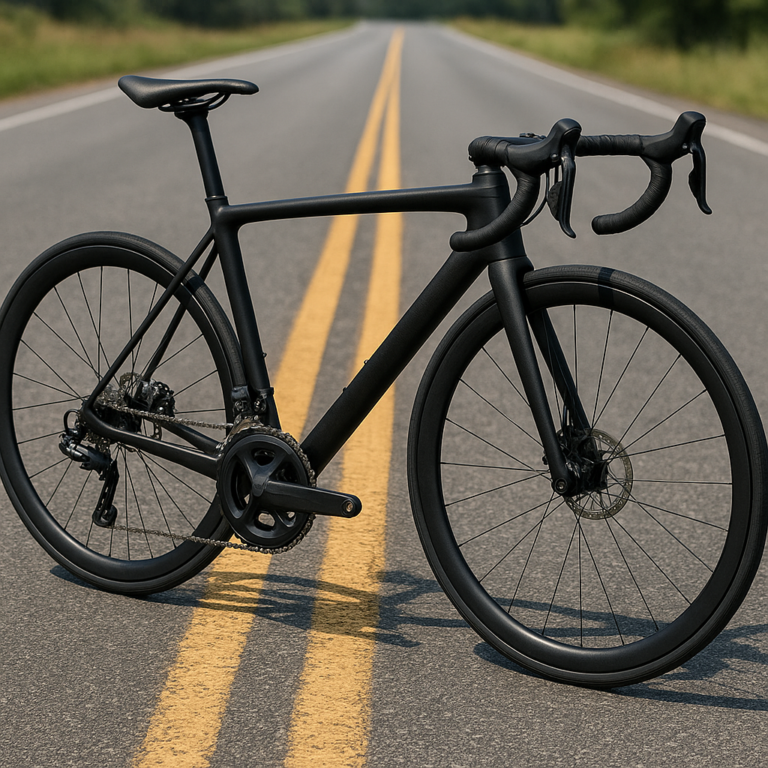
Gone are the days when aero bikes were stiff, uncomfortable monsters that only pros could ride. The modern innovation is the All-Rounder Aero.
- The Shift: Manufacturers like Giant and Merida have realized that if a bike is too uncomfortable, the rider will sit up, ruining the aero profile.
- The Tech: New geometries offer a slightly more relaxed reach and stack, allowing for a comfortable aero position for hours.
- The Result: Bikes like the Giant Propel Advanced SL and Merida Reacto now offer compliance that rivals dedicated endurance bikes, without sacrificing a watt of speed.
2. Integrated Cockpit Systems and Handlebar-Wheel Synergy
Remember when you could swap handlebars in five minutes? Those days are mostly gone. The new standard is the One-Piece Cockpit.
- Why? Every cable, every junction, and every bolt is a source of drag. By merging the stem and handlebar into a single carbon unit, manufacturers eliminate turbulence at the head tube.
- The Trade-off: Serviceability takes a hit. Adjusting stem height often requires a full disassembly. But the aero gains are undeniable.
- Real-World Example: The Cube Litening C:68X features a seamless integration where the fork, stem, and handlebars merge, reducing the frontal area significantly.
3. Deep-Dish Carbon Wheels: Finding the Sweet Spot Between Depth and Weight
Wheels are the second most important aero component after the rider.
- The Evolution: We moved from shallow 20mm rims to deep 60mm+ rims. But deep wheels are heavy and catch crosswinds.
- The Innovation: Modern rims use toroidal shapes and bladed spokes to maintain stability in crosswinds while maximizing depth.
- The Sweet Spot: Most experts now agree that 40mm to 50mm is the “magic zone” for most riders, offering a balance of aero gain, weight, and stability.
4. Hidden Cable Routing: The Quest for a Clean Airflow Profile
If you see a cable running along the top tube, you’re looking at a dinosaur. Internal routing is now standard on almost all aero road bikes.
- The Challenge: It’s not just about hiding the cables; it’s about guiding the air through the frame.
- The Tech: Some frames, like the Specialized S-Works Tarmac SL8 (which blurs the line between aero and climbing), use internal channels that act as air ducts, smoothing the flow over the top tube.
- The Downside: Maintenance can be a nightmare. If a cable snaps, you might need a full frame strip-down.
5. Aero Tires and Tubeless Technology: The Low-Pressure Revolution
This is the biggest surprise of the last decade. Wider tires are faster.
- The Myth: Narrow tires (23mm) were thought to be faster due to lower rolling resistance.
- The Reality: Wider tires (28mm-32mm) allow for lower pressures, which reduces rolling resistance and improves grip. When paired with aero-optimized rims that have a wider internal width, the tire profile becomes more rounded, reducing drag.
- The Tech: Tubeless setups eliminate the friction between the tire and the inner tube, further boosting efficiency.
6. Disc Brakes and Their Surprising Impact on Drag Reduction
Disc brakes were once hated by purists. Now, they are the aero champions.
- Why? Rim brakes require bulky calipers and exposed cables. Disc brakes allow for cleaner frame integration and eliminate the “brake track” on the rim, which disrupts airflow.
- The Design: Modern disc brake frames can be designed with bladed fork legs and integrated caliper mounts that slice through the air effortlessly.
7. One-Piece Seatposts and Aero-Optimized Saddle Integration
The seatpost is a vertical pillar of drag.
- The Fix: Many aero bikes now use integrated seatposts that are shaped like airfoils. Some, like the Canyon Aeroad, use a unique “V” shape to channel air around the rider’s legs.
- The Benefit: These posts are often stiffer laterally, improving power transfer, while being more compliant vertically for comfort.
8. Computational Fluid Dynamics (CFD) and Wind Tunnel Testing
This isn’t just a buzzword; it’s the engine of innovation.
- CFD: Before a single gram of carbon is laid, engineers simulate airflow on supercomputers. This allows them to test hundreds of shapes in minutes.
- Wind Tunnels: Once a prototype is built, it goes into the tunnel. Companies like Specialized and Canyon have invested millions in these facilities to validate their CFD data.
- The Result: Bikes that are 30% more aerodynamic than their predecessors, as claimed by Cube for the Litening C:68X.
9. Electronic Shifting: Eliminating Mechanical Friction and Cable Drag
While electronic shifting (Di2, eTap, K-Force) is often praised for its precision, it’s also an aero win.
- The Logic: Mechanical cables create friction and require housing that disrupts airflow. Electronic systems use wires that can be routed internally with minimal bulk.
- The Shift: The elimination of cable housing from the outside of the frame contributes to a cleaner, smoother airflow profile.
10. Aero Helmets and Clothing: The Rider as the Biggest Variable
Remember the stat? The rider is 64–82% of the drag. No bike innovation matters if you’re wearing a bagy jersey and a round helmet.
- Helmets: Modern aero helmets, like the Laser Blade KinetiCore or Specialized S-Works Evade, use ventilation channels that actually accelerate air over the head, reducing drag.
- Clothing: Skin-tight kits with textured fabrics (like Rapha or Castelli) manipulate the boundary layer of air, delaying separation and reducing the wake behind the rider.
🔍 Deep Dive: How Modern Aero Bikes Compare to Traditional Climbing Machines
For years, the cycling world was divided: Aero Bikes vs. Climbing Bikes.
- The Old School: Climbing bikes were light (under 7kg) but boxy. Aero bikes were fast on flats but heavy (over 8kg) and stiff.
- The New School: The lines are blurring. The Specialized Tarmac SL8 and Canyon Ultimate are now so aero that they compete with dedicated aero bikes, while the Canyon Aeroad has become so light and compliant that it climbs like a dream.
The “All-Rounder” Convergence
Manufacturers have realized that most riders don’t race on flat time trials or steep mountain climbs exclusively. They ride mixed terrain.
| Feature | Traditional Climbing Bike | Traditional Aero Bike | Modern All-Rounder |
|---|---|---|---|
| Primary Focus | Weight Reduction | Aerodynamics | Balance of Both |
| Frame Shape | Round tubes, boxy | Teardrop, bladed | Blended, optimized |
| Weight | Ultra-light (6.8kg) | Moderate (7.5kg+) | Light-Moderate (7.0-7.4kg) |
| Comfort | Stiff, harsh | Very stiff, harsh | Compliant, smooth |
| Best For | High mountains | Flat time trials | Mixed terrain, racing |
The Verdict: If you ride mostly flat or rolling terrain, the aero bike is still the king. But if you tackle steep climbs regularly, the weight penalty of an old-school aero bike is no longer acceptable. The new generation of all-rounders offers the best of both worlds.
🛠️ Real-World Testing: Do Aero Gains Matter on Flat Roads vs. Hills?
We’ve all heard the debate: “Aero is only for pros.” Is it true?
The Physics of the Ride
Let’s break it down with some real-world scenarios:
- Flat Roads (0% gradient): At 30 km/h, 90% of your effort goes into overcoming air resistance. An aero bike can save you 20-30 watts compared to a non-aero bike. That’s the difference between holding a group or getting dropped.
- Rolling Hills: Even on moderate climbs, if you’re maintaining speed, aero still matters. The watts saved on the downhills and flats often outweigh the weight penalty on the climbs.
- Step Climbs (>8% gradient): Here, gravity takes over. If you’re crawling up a 10% grade at 10 km/h, weight is the dominant factor. An aero bike might be 30g heavier, which feels like a lot. But remember, the aero gains on the descent and the flat sections leading up to the climb can make up for it.
The “Comfort Factor”
One of the most overlooked aspects is comfort. A stiff, uncomfortable aero bike makes you tired faster. If you’re tired, you sit up. If you sit up, you lose your aero advantage.
Modern aero bikes, with their compliant carbon layups and wider tire clearance, allow you to stay in the drops longer. This means you stay aero longer, which means you go faster.
“The further you drop in the frame, the less frontal area is exposed.” — USC Illumin
💸 Is the Aero Premium Worth It? Value Analysis of Top Brands
Let’s talk money. Aero bikes are expensive. But are they worth the premium?
The Cost of Speed
- Entry-Level Aero: Brands like Canyon and Cube offer aero bikes with full carbon frames and electronic shifting for under €4,0. These are incredible values.
- Top-Tier Aero: The Specialized S-Works or Canyon Aeroad CFR can cost €10,0+. You’re paying for the absolute latest tech, the lightest weight, and the best components.
Brand Comparison
- Cube: Known for offering high value. The Litening C:68X offers pro-level aero tech at a mid-range price.
- Specialized: The S-Works line is the benchmark for performance, but the price tag is steep. However, their Tarmac SL7/SL8 offers a great balance of aero and climbing.
- Giant: The Propel Advanced SL is a beast, often coming in at a lower price point than the competition for similar specs.
- Canyon: Direct-to-consumer model means you get more bike for your money. The Aeroad is a favorite among value-conscious racers.
Our Take: If you’re a serious rider, the aero premium is absolutely worth it. The speed gains are real, and the comfort improvements mean you can ride harder for longer. If you’re a casual rider, a good all-rounder might be a better investment.
🚴 ♂️ Maintenance and Care for Your High-Tech Aero Machine
Owning an aero bike is like owning a supercar. It needs love, and sometimes, a specialist.
The Hidden Cable Dilemma
The biggest maintenance headache is internal cable routing.
- The Issue: If a cable snaps, you can’t just swap it. You often need to disassemble the entire cockpit.
- The Fix: Use high-quality cables and lubricants. Some brands, like Canyon, have designed their routing to be more serviceable, but it’s still a pain.
Cleaning and Care
- Don’t Use High-Pressure Washers: The water can force its way into the internal channels, causing corrosion or damaging bearings.
- Use a Soft Brush: Clean the frame gently, paying attention to the integrated areas where dirt can get trapped.
- Check the Bearings: Integrated cockpits and seatposts rely on bearings. Check them regularly for play or noise.
Tire Pressure
Aero bikes often come with wider tires (28mm-32mm). Don’t over-inflate them!
- The Sweet Spot: For 28mm tires, 70-80 psi is often the sweet spot for speed and comfort. Check the manufacturer’s recommendations.
🧪 The Future of Aero: What’s Next for Road Bike Design?
We’ve come a long way, but the journey isn’t over. What’s next?
1. Active Aerodynamics
Imagine a bike that changes shape based on your speed. Active aerodynamics could adjust the frame geometry or wheel depth in real-time. While currently in the realm of science fiction, companies are experimenting with adjustable seatposts and variable geometry forks.
2. Material Science
We’re seeing the rise of nanoparticles in carbon resin (like Cube’s C:68X) to increase strength and reduce weight. Future materials might be self-healing or even biodegradable.
3. The “Airbag” Concept
In a recent video discussion, a viewer mentioned the potential for airbags in cycling. While it sounds wild, the concept of active safety combined with aero efficiency could be the next frontier. Imagine a helmet that inflates in a crash but is perfectly aero when riding.
4. Integration with E-Bikes
As e-bikes become faster and more common, the aero principles will apply even more. The YT DECOY and other high-performance e-bikes are already adopting aero shapes to maximize range and speed.
“When your tunnel time calls for a walk across the street, not a trip to the airport, you can make commuter fenders and Downhill World Champions faster.” — Specialized Team
The future is bright, fast, and incredibly aerodynamic.
📝 Conclusion

So, where does that leave us?
We started this journey wondering if aerodynamics really matters. The answer is a resounding yes. From the 15 km/h rule to the 30% drag reduction claimed by modern frames, the science is clear: air resistance is the enemy, and aerodynamic road bike innovations are our best weapon.
The days of choosing between a light climbing bike and a fast aero bike are over. The new generation of all-rounder aero bikes offers the perfect blend of speed, comfort, and weight. Whether you’re chasing a personal best on a flat time trial or tackling a mixed terrain race, an aero bike will make you faster.
The Verdict:
- ✅ Pros: Significant speed gains, improved comfort (in modern designs), integrated tech, and a future-proof investment.
- ❌ Cons: Higher cost, complex maintenance (internal routing), and potential weight penalty on steep climbs (though minimal in new models).
Our Recommendation: If you ride more than 50 miles a week, or if you race, invest in an aero bike. The Cube Litening C:68X, Giant Propel Advanced SL, and Specialized Tarmac SL8 are top contenders. Don’t let the “weight” myth hold you back. Aero is everything.
Ready to upgrade your ride? Check out our Bike Reviews for in-depth tests of the latest models.
🔗 Recommended Links
Looking to upgrade your gear? Here are some top picks for aero bikes and accessories:
- Cube Litening C:68X:
👉 Shop on Amazon: Search for Cube Litening C:68X
Cube Official: Cube Litening C:68X Page - Specialized S-Works Tarmac SL8:
👉 Shop on Amazon: Search for Specialized Tarmac SL8
Specialized Official: Specialized Aero Bikes - Giant Propel Advanced SL:
👉 Shop on Amazon: Search for Giant Propel Advanced SL
Giant Official: Giant Propel Page - Aero Helmets:
Laser Blade KinetiCore: Search on Amazon
Specialized S-Works Evade: Search on Amazon - Aero Wheels:
DT Swiss ARC 10: Search on Amazon
Zipp 303 Firecrest: Search on Amazon
Books for the Aero Enthusiast:
- The Science of Cycling by [Author Name] – Search on Amazon
- Bike Design: The Art of Aerodynamics – Search on Amazon
❓ FAQ

How do modern road bikes reduce drag without sacrificing comfort?
Modern road bikes use compliant carbon layups and flex zones in the frame design. By strategically placing carbon fibers, manufacturers can create a frame that is stiff where it needs to be (for power transfer) and compliant where it matters (for ride quality). Additionally, wider tires (28mm-32mm) allow for lower pressures, which absorb road vibrations without compromising aerodynamics.
Read more about “🚀 Top 12 High Performance Aero Bike Brands (2026)”
What are the latest frame shape innovations for aerodynamic road bikes?
The latest innovations include integrated cockpits, hidden cable routing, and bladed tube shapes that mimic airfoils. Some frames, like the Cube Litening C:68X, use a seamless integration of the fork, stem, and handlebars to eliminate turbulence. Others, like the Canyon Aeroad, use a V-shaped seatpost to channel air around the rider’s legs.
Read more about “🚴 ♂️ 10 Best Bicycle Brands for Every Rider (2026)”
Do aerodynamic road bikes perform better in crosswinds?
Yes, but it depends on the design. Modern aero wheels use toroidal shapes and bladed spokes to improve stability in crosswinds. However, deeper wheels (60mm+) can still be tricky in strong gusts. The 40mm-50mm depth range is generally considered the sweet spot for a balance of aero gain and crosswind stability.
How much faster are new aero road bikes compared to traditional designs?
Depending on the speed and conditions, new aero road bikes can save 20-30 watts compared to traditional designs. This translates to a speed gain of 1-2 km/h at the same power output, or a significant time saving over a long distance.
Read more about “🚀 15 Top Professional Triathlon Bike Brands Dominating 2026”
What role does wheel depth play in the latest aerodynamic road bike technology?
Wheel depth is crucial. Deper wheels (60mm+) offer more aero gain but are heavier and less stable in crosswinds. Shallower wheels (40mm) offer a better balance. The latest technology focuses on optimizing the rim shape to maximize aero gain while minimizing weight and crosswind sensitivity.
Are integrated cockpit systems standard on new aerodynamic road bikes?
Yes, integrated cockpit systems are becoming the standard on high-end aero road bikes. They offer significant aero gains by eliminating cable housing and creating a smooth airflow profile. However, they can make maintenance more complex.
Read more about “🚲 Which Brand is Best for Bicycle? 15 Top Picks Ranked (2026)”
How do manufacturers test aerodynamic efficiency in new road bike models?
Manufacturers use a combination of Computational Fluid Dynamics (CFD) and wind tunnel testing. CFD allows for rapid simulation of airflow, while wind tunnels provide real-world validation. Some companies, like Specialized, have their own wind tunnels to test prototypes immediately.
What is the “15 km/h Rule” and why is it important?
The 15 km/h Rule states that once you exceed 15 km/h, aerodynamic drag becomes the dominant force acting on the cyclist, surpassing gravity. This means that even on a slight incline, aerodynamics is more important than weight. This rule is the foundation of modern aero bike design.
Can I retrofit my old bike with aero components?
While you can upgrade wheels, tires, and handlebars to improve aerodynamics, the frame shape is the most critical factor. Retrofiting an old bike with aero components can yield some gains, but it won’t match the performance of a dedicated aero bike.
Read more about “🚴 ♀️ 7 Top Women-Specific Bicycle Design Brands (2026)”
📚 Reference Links
- Cube Road Bike Innovations 2020: Cube Litening C:68X
- Specialized Aero is Everything: Specialized Aero Technology
- USC Illumin: Engineering Innovation in Road Biking: From Metal Frames to Aerodynamic Marvels
- Velomotion: Cube Road Bike News 2020: Cube Litening Aero Launch
- Bike Brands™ Category: Bike Reviews: Bike Reviews
- Bike Brands™ Category: Bike Brand Guides: Bike Brand Guides
- Bike Brands™ Article: Bike Brands: Bike Brands Overview