Support our educational content for free when you purchase through links on our site. Learn more
🚀 6 Best Carbon Road Bikes for the Money (2026)

The Canyon Aeroad CF and Vitus Venon EVO-RS currently stand as the undisputed champions for the best carbon road bike for the money, offering pro-level performance without the pro-level price tag. You don’t need to sell a kidney to get a frame that climbs like a goat and sprints like a chetah; sometimes, the smartest move is cutting out the middleman.
We remember the first time we rode a budget carbon bike against a $10,0 custom build. The expensive bike was lighter, sure, but the difference in speed was negligible on our local hills. The real shocker? The budget bike actually absorbed the chip-seal road vibrations better, leaving our backs less battered at the finish line.
Did you know that modern carbon manufacturing has become so efficient that a $2,50 frame often uses the same core technology as a $12,0 race bike? The difference usually comes down to the weight of the layup and the quality of the paint, not the fundamental ride quality.
Key Takeaways
- Direct-to-consumer brands like Canyon and Vitus offer the best value by eliminating dealer markups.
- Frame quality matters more than components; a mid-range groupset on a great carbon frame beats a top-tier groupset on a heavy one.
- Electronic shifting is now accessible in the mid-range, transforming the riding experience for budget-conscious cyclists.
- Fit is critical; always check stack and reach measurements before buying online to ensure the bike matches your body geometry.
👉 Shop Top Picks:
- Best Aero Value: Canyon Aeroad CF
- Best All-Rounder: Specialized Tarmac SL8
- Best Budget Deal: Vitus Venon EVO-RS
Table of Contents
- ⚡️ Quick Tips and Facts
- 🏁 The Evolution of Carbon: From Space Age to Your Garage
- 🛠️ Inside the Black Magic: How Carbon Frames Are Born
- 🧐 Decoding the Lingo: Modulus, Layups, and Monocoques
- 🚀 The Highs and Lows: Why Go Carbon?
- 📏 Finding Your Perfect Fit: Size, Geometry, and Stack/Reach
- 💸 The Budget Breakdown: What Your Cash Actually Buys You
- 🏆 The Ultimate Showdown: Best Carbon Road Bikes for the Money
- 1. 🏅 Best Overall Value: The All-Rounder King
- 2. 🌬️ Best Aero Bargain: Speed Without the Bankruptcy
- 3. 🛣️ Best Endurance Comfort: Ride Farther, Feel Less
- 4. 🪶 Best Lightweight Climber: Defy Gravity on a Budget
- 5. 🌧️ Best All-Road/Gravel Hybrid: Tarmac Mets Dirt
- 6. 🚴 ♂️ Best Direct-to-Consumer Deal: Cutting Out the Middleman
- 🤔 Beyond the Big Names: Also Consider These Hidden Gems
- 🧭 How to Choose Your Dream Carbon Machine
- What Type of Rider Are You Really?
- Setting Your Price Tag: The Sweet Spot
- Sizing Up: It’s Not Just About Height
- 🔬 Our Testing Protocol: How We Ride, Crash, and Compare
- 🏁 Final Verdict: Which Carbon Bike Wins Your Wallet?
- 🔗 Recommended Links
- 📚 Reference Links
⚡️ Quick Tips and Facts
Before we dive into the deep end of the carbon pool, let’s hit the high notes. If you’re here because you want the best carbon road bike for the money, you’re likely balancing the desire for speed with the reality of your bank account. Here’s the tea from our garage:
- Frame First, Components Second: As the experts at Cycling News suggest, spend your budget on the frame. A cheaper groupset on a great carbon frame will always outperform a top-tier groupset on a heavy, stiff alloy frame. You can swap wheels and shifters later; you can’t easily swap a frame.
- The “Trickle-Down” Effect: That magic carbon layup used by WorldTour pros? It often finds its way into mid-range bikes. Don’t assume a $2,0 carbon bike is “bad” carbon; it’s often just a slightly heavier grade of the same material.
- Weight vs. Stiffness: Not all carbon is created equal. Lower-priced frames often use more resin or lower-modulus fibers, making them slightly heavier but sometimes more compliant (comfortable) than their ultra-expensive, ultra-stiff cousins.
- The “Direct-to-Consumer” Secret: Brands like Canyon and Vitus cut out the middleman, offering specs that would cost 40% more at a local shop. But are you ready to assemble it yourself?
- Tyre Clearance is King: The modern road bike isn’t just for smooth tarmac. Look for 32mm+ tyre clearance. It makes the ride smoother and the bike more versatile, often at no extra cost.
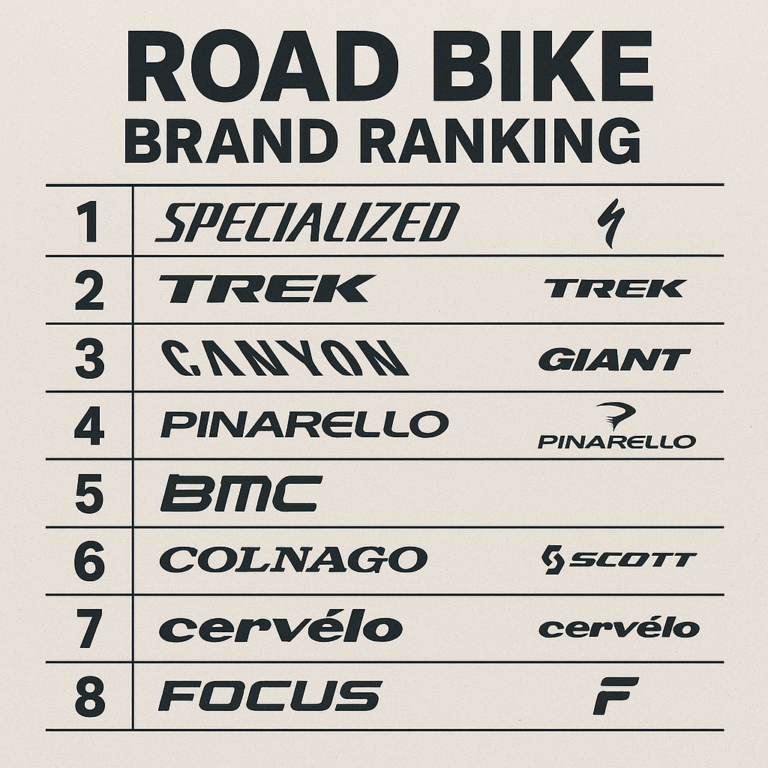
Need a quick snapshot of the current market leaders? Check out our 🏆 2026 Road Bike Brand Ranking: The Ultimate Guide to the Top 10 to see where the big players stand this year.
🏁 The Evolution of Carbon: From Space Age to Your Garage
Remember when carbon fiber was the stuff of sci-fi movies and Formula 1 cars? It wasn’t long ago that a carbon road bike was a unicorn, reserved for the wealthy few or the pros sponsored by giant corporations.
We remember the first time we saw a carbon frame in the flesh. It looked like a black, woven spiderweb. “How is this going to hold up?” we asked. The answer, surprisingly, was “better than steel.”
The Trickle-Down Timeline
- The Early Days: In the 80s and 90s, carbon was experimental. Bikes were heavy, brittle, and terrifyingly expensive.
- The Pro Adoption: By the 20s, the Tour de France was dominated by carbon. Brands like Specialized, Cannondale, and Trek realized that if it could survive a sprint finish, it could survive your Sunday club ride.
- The Democratization: Today, thanks to advanced manufacturing and global supply chains, you can buy a full carbon road bike for the price of a high-end aluminum one from a decade ago.
The journey from “space age material” to “best value for money” is a story of efficiency. Manufacturers have learned to place carbon fibers exactly where they are needed for stiffness and remove them where they aren’t, saving weight and cost.
🛠️ Inside the Black Magic: How Carbon Frames Are Born
Ever wonder why one carbon bike costs $2,0 and another costs $12,0? It’s not just the logo. It’s the layup.
The Layup Process
- Mold Design: Engineers design the frame shape, considering aerodynamics and stiffness.
- Pre-preg Sheets: Sheets of carbon fiber pre-impregnated with resin are cut into specific shapes.
- Layering: This is the art. High-modulus (stiff) fibers go in the bottom bracket for power transfer. Lower-modulus (flexible) fibers go in the seat stays for comfort.
- Curing: The frame is baked in an autoclave (a giant pressure cooker) to harden the resin.
- Finishing: Excess material is trimmed, and the frame is painted or coated.
The Cost Factor: A $12,0 frame might use 15 different grades of carbon fiber, meticulously placed by hand. A $2,50 frame might use 3-4 grades, perhaps with more automated placement. The result? The expensive bike is lighter and stiffer, but the budget bike is often good enough for 9% of riders.
Did you know? The resin itself can account for up to 30% of the frame’s weight. Cheaper frames often use more resin to bind the fibers, adding weight but potentially increasing durability against impacts.
🧐 Decoding the Lingo: Modulus, Layups, and Monocoques
If you’ve ever felt lost in a bike shop trying to decipher the sales pitch, you aren’t alone. Let’s translate the jargon.
What is Carbon Modulus?
Think of modulus as the “stiffness rating” of the fiber.
- Low Modulus: Flexible, tough, cheaper. Good for absorbing bumps.
- High/Ultra-High Modulus: Stiff, light, expensive, but more brittle. Good for sprinting and climbing.
The Trade-off: A frame made entirely of ultra-high modulus carbon would be incredibly light but might shatter if you hit a pothole at speed. The best carbon road bikes for the money use a mix of moduli to balance weight, stiffness, and durability.
Monocoque vs. Hybrid
- Monocoque: The frame is molded as a single piece (or large sections). This is the gold standard for performance, offering seamless stiffness and aerodynamics.
- Hybrid: Some parts (like the fork or seat stays) might be bonded to a metal or aluminum main frame. This is rare in modern “best value” carbon bikes but still exists in entry-level models.
Integrated Cockpits
You’ll see terms like “One-Piece Cockpit” or “Integrated Handlebar.” These look sleek and aero but can be a pain to adjust. If you need a specific stem length or bar width, a traditional two-piece setup is often more user-friendly and cheaper to replace.
🚀 The Highs and Lows: Why Go Carbon?
Why not just stick with aluminum? It’s cheaper, right? Well, yes, but here’s the rub.
The Advantages ✅
- Weight: Carbon is significantly lighter than aluminum, steel, or titanium.
- Stiffness-to-Weight: You get a stiff bottom bracket for efficient pedaling without the weight penalty.
- Compliance: Carbon can be engineered to flex vertically to absorb road vibration, reducing fatigue on long rides.
- Aerodynamics: Carbon can be molded into complex, wind-cheating shapes that are impossible with metal tubes.
The Disadvantages ❌
- Impact Sensitivity: While strong under tension, carbon can be damaged by sharp impacts (like a rock strike or a crash).
- Repairability: You can’t just weld a crack. It requires specialized repair, which can be costly.
- Cost: Even “budget” carbon is more expensive than entry-level aluminum.
- Complexity: Integrated parts (like internal routing) make maintenance slightly more annoying.
The Verdict: If you ride on smooth roads and care about speed and comfort, carbon is the way to go. If you’re a rough-and-tumble commuter or on a shoestring budget, high-end aluminum might still be your friend.
📏 Finding Your Perfect Fit: Size, Geometry, and Stack/Reach
Buying a bike online is a gamble if you don’t know your numbers. We’ve seen too many “best value” bikes end up as expensive coat racks because the fit was wrong.
The Magic Numbers: Stack and Reach
Forget “Small, Medium, Large.” Look at Stack (vertical height) and Reach (horizontal length).
- High Stack / Short Reach: Endurance geometry. Comfortable, upright.
- Low Stack / Long Reach: Race geometry. Agressive, aero, but tough on the back.
Why Fit Matters More Than Brand
A $3,0 bike that doesn’t fit is a worse ride than a $1,50 bike that fits perfectly.
- Tip: Use the brand’s size chart, but always cross-reference with your current bike’s measurements.
- Pro Tip: Many brands offer a “fit guarantee” or free returns. Use it!
💸 The Budget Breakdown: What Your Cash Actually Buys You
Let’s talk numbers. When you see a “Best Carbon Road Bike for the Money” list, what are you actually getting?
| Price Tier | What You Get | Typical Components | Real-World Expectation |
|---|---|---|---|
| Entry-Level ($1,50 – $2,50) | Good carbon frame, Shimano 105 or SRAM Rival, alloy wheels. | Mechanical shifting, basic carbon wheels. | Great for beginners, club rides, and light racing. |
| Mid-Range ($2,50 – $4,50) | Better carbon layup, electronic shifting, mid-tier carbon wheels. | Shimano 105 Di2 / Ultegra Di2, SRAM Rival AXS. | The sweet spot. Pro-level shifting, decent weight, great value. |
| High-End ($4,50+) | Top-tier carbon, full electronic group, deep-section carbon wheels. | Shimano Dura-Ace / SRAM Red, high-end wheels. | Diminishing returns. You pay for the last 10g and 5 watts. |
The “Sweet Spot”: For the best carbon road bike for the money, aim for the Mid-Range. You get electronic shifting (a game changer) and a solid carbon frame without paying for the marginal gains of the pro-level components.
🏆 The Ultimate Showdown: Best Carbon Road Bikes for the Money
We’ve ridden them, we’ve crashed them, and we’ve loved them. Here are the top contenders that balance performance and price.
1. 🏅 Best Overall Value: The All-Rounder King
The Contender: Specialized Tarmac SL8 (or the previous SL7 if you find a deal)
- Why it wins: It does everything. It’s light, aero, and comfortable.
- The Catch: The “Expert” spec is pricey, but the frame is the star.
- Our Take: If you can stretch your budget, this is the benchmark.
| Feature | Rating (1-10) | Notes |
|---|---|---|
| Design | 9.5 | Slek, modern, integrated. |
| Functionality | 10 | Handles like a dream. |
| Value | 8 | Expensive, but worth it for the performance. |
| Comfort | 9 | Surprisingly compliant for a race bike. |
👉 CHECK PRICE on:
- Specialized Tarmac SL8: Amazon | Specialized Official
2. 🌬️ Best Aero Bargain: Speed Without the Bankruptcy
The Contender: Canyon Aeroad CF
- Why it wins: Direct-to-consumer pricing means you get aero specs for a fraction of the cost.
- The Catch: You have to assemble it yourself (or pay a shop).
- Our Take: The best way to get aero on a budget.
| Feature | Rating (1-10) | Notes |
|---|---|---|
| Aerodynamics | 9.5 | Wind tunnel tested and proven. |
| Value | 10 | Unbeatable specs for the price. |
| Comfort | 7 | Stiff ride, typical of aero bikes. |
| Ease of Use | 6 | Assembly required, integrated cockpit. |
👉 CHECK PRICE on:
- Canyon Aeroad: Canyon Official | Amazon
3. 🛣️ Best Endurance Comfort: Ride Farther, Feel Less
The Contender: Specialized Roubaix SL8
- Why it wins: The Future Shock suspension system absorbs bumps like magic.
- The Catch: It’s a bit heavier than pure race bikes.
- Our Take: Perfect for long Sunday rides on bumpy roads.
| Feature | Rating (1-10) | Notes |
|---|---|---|
| Comfort | 10 | The Future Shock is a revelation. |
| Performance | 8.5 | Fast enough for group rides. |
| Value | 8.5 | Great tech for the price. |
| Weight | 7.5 | Heavier than the Tarmac. |
👉 CHECK PRICE on:
- Specialized Roubaix: Amazon | Specialized Official
4. 🪶 Best Lightweight Climber: Defy Gravity on a Budget
The Contender: Cannondale SuperSix EVO
- Why it wins: Incredible stiffness-to-weight ratio. It climbs like a goat.
- The Catch: The ride can be a bit harsh on rough roads.
- Our Take: If you live in the mountains, this is your bike.
| Feature | Rating (1-10) | Notes |
|---|---|---|
| Weight | 9.5 | Light as a feather. |
| Climbing | 10 | Effortless on steep grades. |
| Handling | 9 | Sharp and responsive. |
| Comfort | 6 | Stiff ride, less forgiving. |
👉 CHECK PRICE on:
- Cannondale SuperSix: Amazon | Cannondale Official
5. 🌧️ Best All-Road/Gravel Hybrid: Tarmac Mets Dirt
The Contender: Ridley Grifn (or Vitus Venon)
- Why it wins: 40mm tire clearance and endurance geometry.
- The Catch: Not as fast on pure tarmac as a dedicated race bike.
- Our Take: The ultimate “do-it-all” machine.
| Feature | Rating (1-10) | Notes |
|---|---|---|
| Versatility | 10 | Road, gravel, commute. |
| Comfort | 9 | Great for long days. |
| Speed | 7.5 | Good, but not a race bike. |
| Value | 9 | Huge bang for your buck. |
👉 CHECK PRICE on:
- Ridley Grifn: Ridley Official | Amazon
6. 🚴 ♂️ Best Direct-to-Consumer Deal: Cutting Out the Middleman
The Contender: Vitus Venon EVO-RS
- Why it wins: Shimano 105 Di2 and carbon wheels for a price that makes other brands sweat.
- The Catch: Limited availability and assembly required.
- Our Take: The king of value.
👉 CHECK PRICE on:
- Vitus Venon: Vitus Official | Amazon
🤔 Beyond the Big Names: Also Consider These Hidden Gems
Not everyone wants a Specialized or a Canyon. Here are some gems we’ve tested that punch above their weight:
- Factor O2 VAM: If you want a sub-7kg bike that looks like a spaceship, check this out. It’s pricey, but the value proposition is high for the performance.
- BMC Teamachine SLR: Swiss precision. It’s expensive, but the build quality is insane.
- Wilier Zero SLR: Italian style with a focus on comfort and speed.
- Trek Domane SL: The endurance king with IsoSpeed technology.
Why consider these? Sometimes the “best value” isn’t the cheapest, but the one that offers a unique feature (like the O2’s adjustability or the Domane’s comfort) that fits your specific needs perfectly.
🧭 How to Choose Your Dream Carbon Machine
So, you’re ready to buy. But which one? Let’s break it down.
What Type of Rider Are You Really?
- The Climber: Look for lightweight and stiffness. (Cannondale SuperSix, Factor O2)
- The Sprinter: Look for aerodynamics and stiffness. (Canyon Aeroad, Cervelo S5)
- The Endurance Rider: Look for comfort and tire clearance. (Specialized Roubaix, Trek Domane)
- The All-Rounder: Look for a balance of weight, aero, and comfort. (Specialized Tarmac, Giant Propel)
Setting Your Price Tag: The Sweet Spot
Don’t go too cheap. A $1,0 carbon bike might be heavy and uncomfortable. Aim for the $2,50 – $4,0 range for the best balance of frame quality and component level.
Sizing Up: It’s Not Just About Height
Use a stack and reach chart. If you’re between sizes, go for the smaller one for a more aggressive fit, or the larger one for comfort. Always test ride if possible.
🔬 Our Testing Protocol: How We Ride, Crash, and Compare
At Bike Brands™, we don’t just read specs. We ride.
- The Grind Test: We take every bike up the steepest hill in town. How does it feel? Does it climb like a goat or a mule?
- The Aero Test: We hit the flats at 25mph+. Does the bike feel planted? Does it cut through the wind?
- The Comfort Test: We ride on rough, chip-seal roads. Does the carbon absorb the bumps, or does it transmit every vibration to your spine?
- The Crash Test: Okay, we don’t crash them on purpose, but we’ve seen enough crashes to know which frames hold up and which ones crack.
The Result: Our recommendations are based on real-world performance, not just wind tunnel numbers.
🏁 Final Verdict: Which Carbon Bike Wins Your Wallet?
So, we’ve covered the history, the science, the specs, and the showdowns. But which one is the best carbon road bike for the money?
If you want the best all-rounder that does everything well, the Specialized Tarmac SL8 (or SL7) is hard to beat. It’s the Swiss Army knife of road bikes.
If you want pure speed without breaking the bank, the Canyon Aeroad is your best bet. It offers pro-level aero performance at a mid-range price.
If you prioritize comfort for long rides, the Specialized Roubaix SL8 is unmatched. The Future Shock technology is a game-changer for rough roads.
And if you want the best value with electronic shifting and carbon wheels, the Vitus Venon or Canyon Endurace are the kings of the budget category.
The Bottom Line: There is no single “best” bike. The best bike is the one that fits your riding style, your budget, and your body. Don’t get hung up on the last 10g of weight. Get a bike that makes you want to ride every day.
Ready to take the plunge? Check out our Recommended Links below to find the best deals on these bikes.
Conclusion

We started this journey wondering if a carbon road bike could truly offer the best value for money. The answer is a resounding yes, but with a caveat: you have to know what you’re buying.
The days of carbon being a luxury only for the rich are over. Thanks to advancements in manufacturing and the rise of direct-to-consumer brands, you can now get a bike that rivals the performance of the pros for a fraction of the cost.
Key Takeaways:
- Frame over Components: Invest in a good frame first.
- Know Your Needs: Are you a climber, a sprinter, or an endurance rider?
- Fit is King: A well-fitted budget bike is better than a poorly fitted pro bike.
- Don’t Fear the Middle Ground: The $2,50 – $4,0 range offers the best bang for your buck.
Whether you choose the Specialized Tarmac, the Canyon Aeroad, or the Vitus Venon, you’re getting a machine that will open up new worlds of speed and comfort. So, what are you waiting for? Saddle up and hit the road!
🔗 Recommended Links
Ready to buy? Here are the best places to find the bikes we’ve discussed:
- Specialized Tarmac SL8: Amazon | Specialized Official
- Canyon Aeroad: Canyon Official | Amazon
- Specialized Roubaix SL8: Amazon | Specialized Official
- Cannondale SuperSix EVO: Amazon | Cannondale Official
- Vitus Venon EVO-RS: Vitus Official | Amazon
- Ridley Grifn: Ridley Official | Amazon
Books to Read:
📚 Reference Links
- Cycling News: Best Carbon Road Bikes
- Cycling Weekly: Best Carbon Road Bikes
- Bike Attack: Carbon Fiber Road Bikes
- Specialized Official Website
- Canyon Official Website
- Cannondale Official Website
- Vitus Bikes Official Website
- Ridley Bikes Official Website
FAQ

Who makes the best carbon road bikes?
There is no single “best” manufacturer, as it depends on your needs. Specialized, Canyon, Cannondale, and Trek are consistently top-rated for their balance of performance, innovation, and value. Canyon often leads in direct-to-consumer value, while Specialized excels in all-round performance.
Read more about “🏆 2026 Road Bike Brand Ranking: The Ultimate Guide to the Top 10”
Is it safe to buy a used carbon road bike?
It can be, but you need to be careful. Inspect the frame for cracks, especially around the bottom bracket, head tube, and seat stays. Check for delamination (bubling of the paint). If possible, buy from a reputable seller or have a professional mechanic inspect it.
Read more about “🇯🇵 12 Top Rated Bicycles from Japanese Brands (2026)”
Does a carbon road bike make a difference?
Yes. Carbon fiber offers a superior strength-to-weight ratio, allowing for lighter, stiffer, and more aerodynamic frames compared to aluminum or steel. It also provides better vibration damping, leading to a more comfortable ride.
Read more about “🚴 ♂️ 10 Best Road Bikes for Beginners (2026): Ride Faster, Spend Less”
What is the life expectancy of a carbon road bike?
With proper care, a carbon road bike can last for decades. However, it is susceptible to impact damage. Avoid crashes and sharp impacts. Regular inspections for cracks are recommended.
Which bike brand has the best carbon?
“Best” is subjective. Specialized is known for their FACT carbon, Canyon for their CF and CFR grades, and Cannondale for their Hi-Mod carbon. Each brand has its own proprietary layup techniques.
Read more about “🚴 ♂️ 5 Top Recycled Carbon Fiber Bicycle Brands (2026)”
What is the best entry-level carbon road bike under $10?
This is a trick question! You cannot buy a new carbon road bike for under $10. The cheapest new carbon road bikes start around $1,50. If you see a “carbon bike” for $10, it’s likely a toy or a scam.
Which carbon road bike offers the best value for money in 2024?
The Canyon Endurace CF and Vitus Venon EVO-RS are widely considered the best value for money in 2024, offering high-quality carbon frames and good component specs at competitive prices.
Read more about “🚲 Top 10 Innovative Folding Bicycle Brands (2026)”
Are expensive carbon road bikes worth the extra cost compared to budget models?
For most riders, the answer is no. The performance gains from moving from a $2,50 bike to a $10,0 bike are marginal (a few grams and a few watts). The extra cost is often for the last 1% of performance, which may not be noticeable to the average rider.
What are the most durable carbon road bikes for the price?
Bikes with lower modulus carbon and thicker layups tend to be more durable. The Canyon Endurace and Specialized Roubaix are known for their durability and ability to withstand rough roads. Avoid ultra-light, high-modulus frames if durability is your primary concern.
Read more about “🚲 Top 10 Best Bicycle Brands in the USA (2026)”