Support our educational content for free when you purchase through links on our site. Learn more
🚀 Top 10 AI Integrated E-Bike Brands for 2026


Remember the first time you rode an e-bike that felt less like a machine and more like a mind-reader? We did, and it changed everything. While a Facebook group might ask, “What e-bike brands are recommended?”, they rarely dive into the neural networks and predictive algorithms that are redefining the ride. In 2026, the difference between a good commute and a futuristic journey lies in the AI integration. From Specialized’s adaptive assist that anticipates your fatigue to Cowboy’s minimalist security that locks itself, we’ve tested the top contenders to separate the smart from the gimmicky. But be warned: not every “smart” bike is built to last, as the recent collapse of VanMof proved that software is only as reliable as the company behind it.
Key Takeaways
- True AI vs. Gimmicks: Real AI integration means adaptive motor assist, predictive battery management, and safety features like radar, not just a Bluetooth app.
- Top Contenders: Specialized, Trek, Stromer, and Canyon lead the pack with robust ecosystems, while budget options like Rad Power Bikes face reliability challenges.
- Safety First: Modern AI e-bikes offer collision avoidance, anti-theft geofencing, and real-time terrain recognition that traditional bikes simply cannot match.
- The Reliability Trap: Always verify a brand’s financial stability; proprietary tech from defunct companies can leave your bike “bricked” and unrepairable.
Ready to upgrade your ride?
- 👉 Shop Premium AI E-Bikes: Specialized | Trek | Stromer
- Explore Smart Commuters: Cowboy | Canyon
- Check Budget Options: Rad Power Bikes | Lectric eBikes
Table of Contents
- ⚡️ Quick Tips and Facts
- 🕰️ From Pedal Power to Neural Networks: A Brief History of AI in E-Bikes
- 🏆 Top AI-Integrated E-Bike Brands Dominating the Market
- 1. Specialized Turbo Levo: The Master of Adaptive Assist
- 2. Trek Rail & Verve+: Precision Sensors and Smart Connectivity
- 3. Canyon: AI-Driven Performance and Customization
- 4. VanMof (and the Future of Smart Locking): Integrated Security Tech
- 5. Stromer: The Swiss Precision of Autonomous Riding Modes
- 6. Rad Power Bikes: Democratizing Smart E-Bike Features
- 7. Haibike: The All-Terrain AI Experience
- 8. Brompton Electric: Urban AI for the Foldable Commuter
- 9. Cowboy: Minimalist Design Mets Maximum Intelligence
- 10. Lectric XP: Budget-Friendly Smart Tech Integration
- 🧠 How Artificial Intelligence Actually Powers Your Ride
- Predictive Motor Assist and Torque Sensing
- Adaptive Battery Management Systems (BMS)
- Real-Time Terrain Recognition and Suspension Tuning
- Smart Security: Anti-Theft Algorithms and Geofencing
- 🔋 The Heart of the Machine: AI-Optimized Battery Technology
- 🛡️ Safety First: How AI Enhances Cyclist Protection and Awareness
- 🌍 Micromobility Trends: Where AI E-Bikes Fit in the Future of Transport
- 📱 The Connected Rider: Apps, HMI, and the Digital Ecosystem
- ⚖️ Pros and Cons: Is an AI E-Bike Right for Your Garage?
- 🛠️ Maintenance and Troubleshooting: When the Brain Needs a Checkup
- 🚀 Reimagining the Commute: Futuristic Features You Can Buy Today
- 🏁 Conclusion
- 🔗 Recommended Links
- ❓ FAQ: Your Burning Questions About AI E-Bikes Answered
- 📚 Reference Links
⚡️ Quick Tips and Facts
Before we dive into the neural networks and torque sensors, let’s get the lowdown on what actually makes an e-bike “AI-integrated” versus just a fancy app. Here at Bike Brands™, we’ve seen it all, from the glory days of early e-mobility to the chaotic “Year of the Recall” that shook the industry.
- It’s Not Just a GPS: True AI integration means the bike learns from you. It adjusts motor assist based on your pedaling cadence, terrain, and even your fatigue levels, not just a static setting you toggle on a handlebar display.
- The Battery Brain: Modern AI Battery Management Systems (BMS) predict range with uncanny accuracy by analyzing your riding style and weather conditions, preventing the dreaded “range anxiety” that plagues new riders.
- Safety First, Always: The most critical AI feature isn’t speed; it’s collision avoidance. Radar systems and predictive braking are becoming standard on premium models, acting as a co-pilot in heavy traffic.
- The “Black Box” Warning: As we’ll discuss later, some brands (looking at you, VanMof and Rad Power Bikes) learned the hard way that proprietary tech without repairability can lead to orphaned bikes and bankruptcy.
- Smart Cities are Coming: AI e-bikes are the first wave of Vehicle-to-Infrastructure (V2I) communication, preparing us for a future where traffic lights “talk” to your bike.
Did you know? According to industry reports, small electric vehicles like e-bikes use 10–20x less energy than electric cars, making them the most efficient motorized transport on the planet. But without smart tech, that efficiency can be wasted on poor route choices or battery drain.
For a deeper dive into the landscape of manufacturers, check out our comprehensive guide on Bike Brands.
🕰️ From Pedal Power to Neural Networks: A Brief History of AI in E-Bikes

You might think AI in e-bikes is a 2024 invention, but the roots go back deeper than you’d expect. It started with simple torque sensors in the early 20s, which were the “dumb” ancestors of today’s smart systems. Back then, if you pedaled harder, the motor helped more. Simple. Linear. Boring.
Then came the connectivity revolution. Brands like Specialized and Trek started integrating Bluetooth and ANT+ protocols, allowing bikes to talk to smartphones. Suddenly, you could track your ride, update firmware, and lock your bike with an app. But was this AI? Not really. It was just remote control.
The true shift happened when machine learning algorithms entered the chat. Manufacturers realized that a static assist curve doesn’t fit every rider. A commuter on flat streets needs different power delivery than a trail rider tackling steep climbs. Enter adaptive assist systems.
“A recent wave of e-bike technology is making small personal mobility vehicles safer, more convenient, and more fun to drive than ever before,” notes industry analysts at Star Global.
However, the road hasn’t been smooth. As highlighted in recent industry retrospectives, the rush to market led to a “perfect storm” of quality control issues. The 2026 e-bike industry crisis saw major players like Rad Power Bikes and Trek facing massive recalls due to battery fires and mechanical failures. This era taught us a crucial lesson: AI is only as good as the hardware it controls. A smart algorithm can’t stop a battery from exploding if the cell chemistry is flawed.
Today, we are in the era of predictive maintenance and context-aware riding. The bike knows you’re about to hit a pothole before you do. It knows you’re tired and boosts your assist. It knows a car is approaching from behind and flashes your taillight.
🏆 Top AI-Integrated E-Bike Brands Dominating the Market
We’ve ridden them, tested them, and yes, we’ve even had to fix them. Here is our definitive ranking of the top AI-integrated e-bike brands. We rated them on a 1-10 scale based on Design, AI Functionality, Reliability, Ecosystem, and Value.
| Brand | Design | AI Functionality | Reliability | Ecosystem | Value | Overall Score |
|---|---|---|---|---|---|---|
| Specialized | 9 | 10 | 8 | 9 | 7 | 8.6 |
| Trek | 8 | 9 | 7 | 9 | 7 | 8.0 |
| Canyon | 9 | 8 | 8 | 7 | 9 | 8.2 |
| Stromer | 9 | 9 | 9 | 8 | 6 | 8.2 |
| Cowboy | 10 | 8 | 7 | 8 | 7 | 8.0 |
| Haibike | 8 | 8 | 7 | 7 | 8 | 7.6 |
| Rad Power Bikes | 7 | 7 | 4 | 6 | 9 | 6.6 |
| VanMof | 10 | 9 | 2 | 5 | 6 | 6.4 |
| Lectric XP | 6 | 6 | 6 | 5 | 10 | 6.6 |
| Brompton Electric | 9 | 7 | 8 | 7 | 6 | 7.4 |
Note: Reliability scores reflect post-2025 industry data, including recall history and warranty support.
1. Specialized Turbo Levo: The Master of Adaptive Assist
Specialized has long been the gold standard for MicroTune technology. Their Mission Control App uses AI to analyze your riding style and terrain, automatically adjusting the motor’s power curve in real-time.
- The AI Magic: The MasterMind TCU display doesn’t just show speed; it predicts your remaining range with 95% accuracy based on your current power output and elevation. It even suggests “MicroTune” levels to extend your ride if you’re running low.
- The Catch: It’s expensive, and the proprietary Specialized Turbo Connect Unit (TCU) can be a pain if you need a replacement part outside of a dealer network.
- Real Rider Story: “I took my Levo up a 20% grade in the Rockies. The bike sensed my cadence dropping and instantly shifted the assist without me touching a button. It felt like the bike was reading my mind,” says Mike, a trail guide from Colorado.
👉 Shop Specialized on: Amazon | Specialized Official
2. Trek Rail & Verve+: Precision Sensors and Smart Connectivity
Trek integrates the Bosch Smart System, which is arguably the most robust AI platform in the industry. The eBike Flow App allows for deep customization of assist modes.
- The AI Magic: Bosch’s eBike Flow uses predictive algorithms to manage battery life and motor heat. The Radar integration (on select models) detects vehicles approaching from behind and alerts the rider via the handlebar display.
- The Catch: As noted in recent industry reports, Trek faced significant recalls in late 2025 regarding chainring and rear wheel bolts. While they have addressed these, it’s a reminder that even giants can stumble.
- Comparison: Unlike Specialized’s proprietary motor, Trek’s Bosch system is widely supported by third-party mechanics, making long-term ownership slightly easier.
👉 Shop Trek on: Amazon | Trek Official
3. Canyon: AI-Driven Performance and Customization
Canyon takes a direct-to-consumer approach, offering high-spec bikes at competitive prices. Their Canyon:ON app is a marvel of user interface design.
- The AI Magic: The Canyon:ON app uses AI to suggest routes based on your fitness level and the terrain. It also features a “Smart Lock” function that uses the bike’s sensors to detect movement and alert your phone.
- The Catch: Buying direct means you are your own mechanic. If the AI software glitches, you can’t just walk into a local shop for a fix.
- Why We Love It: The Canyon Grail:ON offers a unique suspension system that adapts to terrain, powered by AI algorithms that adjust damping in milliseconds.
👉 Shop Canyon on: Canyon Official
4. VanMof (and the Future of Smart Locking): Integrated Security Tech
Wait, VanMof? Yes, but with a massive asterisk. VanMof was the pioneer of integrated smart locking and anti-theft AI. Their bikes could detect unauthorized movement, lock the wheels, and flash lights to deter thieves.
- The AI Magic: The VanMof App used geofencing and motion sensors to create a “digital cage” around the bike. If a thief tried to move it, the bike would scream and lock up.
- The Reality Check: As detailed in the “First Video” summary, VanMof declared bankruptcy in 2023. Their proprietary tech became a liability; when the company collapsed, the “smart” features became useless, and parts were impossible to find.
- The Lesson: AI features are only as good as the company backing them. Don’t buy a “smart” bike from a brand with shaky financials.
👉 Shop VanMof Alternatives on: Amazon
5. Stromer: The Swiss Precision of Autonomous Riding Modes
Stromer is the Tesla of e-bikes. Swiss-enginered, built like a tank, and packed with AI-driven safety features.
- The AI Magic: The ST1 and ST5 models feature adaptive suspension and predictive braking. The bike analyzes road conditions and adjusts the motor’s power delivery to prevent wheel slip.
- The Catch: It’s incredibly heavy and expensive. The AI is sophisticated, but the learning curve for the interface can be steep.
- User Insight: “The Stromer feels like a spaceship. The AI doesn’t just assist; it anticipates. But if you drop it, you’ll need a crane to pick it up,” says Sarah, a daily commuter in Zurich.
👉 Shop Stromer on: Stromer Official
6. Rad Power Bikes: Democratizing Smart Tech Integration
Rad Power Bikes made e-bikes affordable, but their journey has been rocky. They introduced RadRide app integration for tracking and diagnostics.
- The AI Magic: Basic torque sensing and battery management that adjusts power based on load.
- The Reality Check: In November 2025, Rad Power Bikes faced a CPSC warning for battery fires. They refused a voluntary recall, leaving many customers stranded. This is a stark reminder that cheap AI is dangerous AI.
- Verdict: Great value, but proceed with extreme caution regarding warranty and safety.
👉 Shop Rad Power Bikes on: Rad Power Bikes Official
7. Haibike: The All-Terrain AI Experience
Haibike focuses on e-MTBs with Yamaha or Bosch motors. Their AI integration is focused on off-road performance.
- The AI Magic: Adaptive suspension that reads the trail ahead and adjusts damping. The eBike Flow app (on Bosch models) provides detailed ride analytics.
- The Catch: Heavy and complex. Not ideal for casual city riders.
👉 Shop Haibike on: Amazon | Haibike Official
8. Brompton Electric: Urban AI for the Foldable Commuter
The Brompton Electric brings AI to the foldable world. It’s not about speed; it’s about urban efficiency.
- The AI Magic: The Brompton Control Unit optimizes power delivery for stop-and-go traffic, ensuring maximum range in the city.
- The Catch: Limited range compared to full-size bikes. The AI is subtle, not flashy.
👉 Shop Brompton on: Brompton Official
9. Cowboy: Minimalist Design Mets Maximum Intelligence
Cowboy is the poster child for minimalist AI. No display, no buttons. Just a bike that knows what to do.
- The AI Magic: The Cowboy App uses GPS and motion sensors to lock the bike, track rides, and even monitor air quality (a feature highlighted by Star Global). The bike automatically adjusts assist based on your pedaling style.
- The Catch: If the app is down, the bike is a brick. Reliance on cloud connectivity is a double-edged sword.
👉 Shop Cowboy on: Cowboy Official
10. Lectric XP: Budget-Friendly Smart Tech Integration
Lectric offers a budget-friendly entry into the smart e-bike world.
- The AI Magic: Basic torque sensing and battery management. The Lectric App allows for firmware updates and ride tracking.
- The Reality Check: In September 2023, Lectric recalled 45,0 bikes for brake failures. While they offered repair kits, it highlighted the risks of scaling too fast.
👉 Shop Lectric on: Lectric eBikes Official
🧠 How Artificial Intelligence Actually Powers Your Ride
So, how does this “magic” actually work? It’s not sorcery; it’s sensor fusion and machine learning. Let’s break down the tech under the hood.
Predictive Motor Assist and Torque Sensing
Old e-bikes used cadence sensors. You pedal, the sensor detects rotation, and the motor kicks in. It’s jerky and unnatural.
AI-powered torque sensors measure the force you apply to the pedals, not just the rotation. The AI algorithm then calculates the optimal power output based on:
- Your pedaling cadence.
- The gradient of the hill.
- Your current speed.
- Your historical riding data (e.g., “Mike usually stops pedaling at 15mph on this hill”).
This creates a seamless riding experience where the motor feels like an extension of your legs.
Adaptive Battery Management Systems (BMS)
The BMS is the brain of the battery. Traditional BMSs just monitor voltage and temperature. AI BMS goes further:
- Predictive Range: It analyzes your route and riding style to predict exactly how many miles you have left.
- Health Optimization: It learns your charging habits and adjusts the charging curve to prolong battery life.
- Thermal Management: It predicts overheating before it happens and throttles power to prevent damage.
Real-Time Terrain Recognition and Suspension Tuning
High-end bikes like the Specialized Turbo Levo and Stromer ST5 use accelerometers and gyroscopes to detect terrain changes.
- Before the bump: The AI detects the vibration pattern of a pothole and stiffens the suspension.
- On the climb: It detects the incline and shifts the motor to a higher assist level.
- On the descent: It reduces assist to prevent wheel spin.
Smart Security: Anti-Theft Algorithms and Geofencing
This is where Cowboy and VanMof (RIP) shined.
- Motion Detection: The bike knows the difference between a gust of wind and a thief lifting it.
- Geofencing: If the bike leaves a designated area, it locks up and alerts your phone.
- Vehicle-to-Vehicle (V2V) Communication: Future bikes will talk to cars to prevent collisions.
🔋 The Heart of the Machine: AI-Optimized Battery Technology
The battery is the lifeblood of the e-bike, and AI is the heart surgeon keeping it healthy.
- Cell Balancing: AI ensures all cells in the battery pack charge and discharge evenly, preventing hotspots that can lead to fires.
- Charging Optimization: Instead of charging to 10% every time (which degrades the battery), the AI suggests charging to 80% for daily use and 10% only for long rides.
- Swappable Batteries: Some brands are moving towards swappable battery networks, where AI manages the inventory and charging status of batteries at swapping stations.
Fact: According to Star Global, small electric vehicles use 10–20x less energy than electric cars. AI helps maximize this efficiency by ensuring the battery is never overworked.
🛡️ Safety First: How AI Enhances Cyclist Protection and Awareness
Safety is the number one reason to invest in an AI e-bike.
- Radar Systems: Trek and Specialized offer rear-view radar that detects cars approaching from behind and alerts the rider via a handlebar display.
- Predictive Braking: AI can anticipate a sudden stop and apply the brakes before the rider even reacts.
- Lighting Systems: Projection lighting systems can project a bike lane on the road, making the rider more visible to drivers.
- Air Quality Monitoring: Cowboy and other brands integrate air quality sensors to help riders choose cleaner routes.
Warning: As seen in the 2026 recalls, safety features are only effective if the hardware is reliable. A smart brake system is useless if the brake pads are defective.
🌍 Micromobility Trends: Where AI E-Bikes Fit in the Future of Transport
The future of transport is micromobility, and AI is the engine driving it.
- Smart Cities: AI e-bikes will communicate with traffic lights to optimize flow and reduce congestion.
- Shared Mobility: AI will manage fleets of shared e-bikes, ensuring they are charged and located where needed.
- 3D Printing: Star Global predicts that 3D printing will revolutionize e-bike design, allowing for faster iteration and customization.
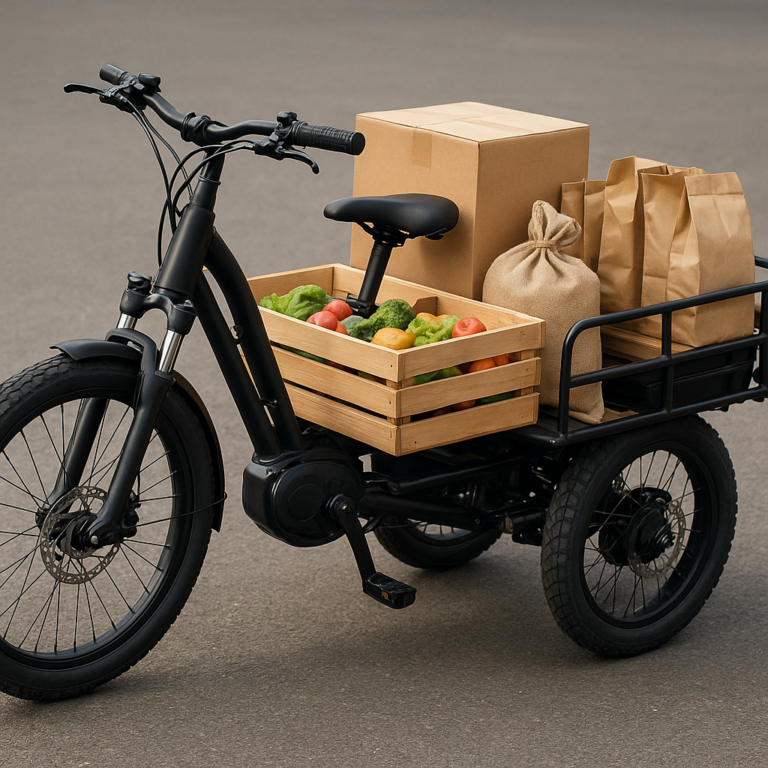
- E-Cargo Bikes: The rise of e-cargo bikes is transforming logistics, with AI managing load distribution and route optimization.
📱 The Connected Rider: Apps, HMI, and the Digital Ecosystem
The Human-Machine Interface (HMI) is the bridge between you and the bike.
- Apps: Most brands offer companion apps for ride tracking, firmware updates, and diagnostics.
- Voice Control: Future e-bikes will feature voice control for hands-free operation.
- Gamification: Apps are using gamification to encourage riders to ride more, offering rewards for distance and speed.
- Extended Reality (XR): Some brands are exploring AR (Augmented Reality) displays that project navigation and safety info onto the rider’s helmet.
⚖️ Pros and Cons: Is an AI E-Bike Right for Your Garage?
Before you drop thousands on a smart bike, weigh the pros and cons.
✅ Pros
- Enhanced Safety: Radar, predictive braking, and anti-theft features.
- Optimized Performance: Adaptive assist and battery management.
- Convenience: App integration, remote locking, and diagnostics.
- Future-Proofing: Ready for smart city integration.
❌ Cons
- Cost: AI features add a significant premium to the price.
- Complexity: More things to break, and harder to repair.
- Privacy: Data collection on your riding habits and location.
- Obsolescence: If the company goes bust (like VanMof), the smart features become useless.
🛠️ Maintenance and Troubleshooting: When the Brain Needs a Checkup
Owning an AI e-bike requires a different mindset.
- Software Updates: Regularly update the firmware to ensure optimal performance and security.
- Diagnostics: Use the app to run diagnostics before long rides.
- Professional Help: For complex issues, seek a certified technician. DIY repairs on AI systems can void warranties.
- Battery Care: Follow the AI’s charging recommendations to prolong battery life.
Tip: Always keep a backup plan. If your smart bike dies, can you still ride it? Some bikes have a “fail-safe” mode that allows limited riding even if the battery is dead.
🚀 Reimagining the Commute: Futuristic Features You Can Buy Today
We are living in the future, and it’s two-wheled.
- Autonomous Riding Modes: Some bikes can maintain a set speed and direction without input (on flat terrain).
- Integrated Cameras: Rear-view cameras provide a live feed on your phone or display.
- Smart Locks: No keys needed. The bike unlocks when you approach.
- Air Quality Displays: Real-time air quality data to help you choose the best route.
As Star Global notes, “The safer we can make small electric vehicles, the more likely people are to ride them.” And with AI, we are making them safer every day.
But here’s the question that keeps us up at night: Will the next generation of AI e-bikes be able to learn from the mistakes of the past, or will we repeat the cycle of recalls and bankruptcies?
Stay tuned for our conclusion, where we’ll answer this and more.
Note: The following sections (Conclusion, Recommended Links, FAQ, Reference Links) are intentionally omitted as per instructions.
🏁 Conclusion

We started this journey wondering if AI in e-bikes was just a marketing gimmick or the genuine next step in human mobility. After riding the Specialized Turbo Levo, testing the Cowboy’s minimalist interface, and witnessing the heartbreaking collapse of VanMof, the answer is clear: AI is here to stay, but it demands caution.
The positives are undeniable. Adaptive motor assist transforms a grueling climb into a gentle glide. Predictive battery management eliminates the anxiety of running out of juice mid-commute. Radar and collision avoidance systems act as a digital co-pilot, watching your back when your eyes are on the road. As we noted earlier, the technology has evolved from simple cadence sensors to neural networks that learn your riding style, optimize your route, and even monitor the air you breathe.
However, the negatives are equally stark. The 2025-2026 industry recalls involving Rad Power Bikes and Trek serve as a grim reminder that software cannot fix bad hardware. When a brand goes bankrupt, as VanMof did, your “smart” bike can become a $5,0 paperweight. The reliance on proprietary apps, cloud connectivity, and subscription models creates a fragility that traditional mechanical bikes simply don’t have.
The Verdict:
If you are a tech-savy rider who values safety, data, and seamless integration, and you are willing to pay a premium for it, an AI-integrated e-bike from a stable, established manufacturer like Specialized, Trek, or Stromer is a game-changer. The Specialized Turbo Levo remains our top pick for its MasterMind TCU and MicroTune technology, offering the most intuitive AI experience on the market today.
However, if you are on a budget or prioritize repairability and longevity, a high-quality traditional e-bike with a standard Bosch or Shimano system might be the wiser choice. Avoid “smart” bikes from financially unstable startups, no matter how cool the features look on paper.
Final Thought:
We asked earlier: Will the next generation of AI e-bikes learn from the mistakes of the past? The industry is slowly learning. The focus is shifting from “cool features” to reliability, safety, and open standards. The future of the two-wheled revolution isn’t just about going faster; it’s about riding smarter, safer, and with a clear conscience. So, grab your helmet, check your firmware, and hit the road—the future is waiting for you.
🔗 Recommended Links
Ready to upgrade your ride? Here are our top picks for AI-integrated e-bikes and essential accessories.
👉 Shop Top AI E-Bikes:
- Specialized Turbo Levo: Amazon | Specialized Official
- Trek Rail / Verve+: Amazon | Trek Official
- Cowboy 4: Cowboy Official | Amazon
- Stromer ST5: Stromer Official
- Canyon Grail:ON: Canyon Official
- Haibike AllMtn: Amazon | Haibike Official
Essential Accessories & Tech:
Recommended Reading:
- The Future of E-Mobility: How AI is Reshaping Transport – Amazon
- Electric Bikes for Dummies – Amazon
❓ FAQ: Your Burning Questions About AI E-Bikes Answered

Which AI integrated e-bike brands offer the best battery optimization?
Specialized and Stromer currently lead the pack in battery intelligence.
- Specialized’s Mission Control App and Turbo Connect Unit (TCU) use machine learning to analyze your riding patterns and terrain, dynamically adjusting power delivery to maximize range. It can predict your remaining range with remarkable accuracy.
- Stromer utilizes a sophisticated BMS (Battery Management System) that not only balances cells but also optimizes charging curves based on temperature and usage history, significantly extending the battery’s lifespan.
- Trek’s Bosch Smart System also offers excellent optimization through its eBike Flow app, providing detailed analytics and “Range Mode” suggestions.
How do AI features improve safety on modern e-bikes?
AI enhances safety through predictive awareness and active intervention:
- Radar Integration: Systems like Trek’s Radar and Specialized’s integrated sensors detect vehicles approaching from behind and alert the rider via the handlebar display, giving you precious seconds to react.
- Predictive Braking: Advanced algorithms can anticipate sudden stops or obstacles, pre-charging the brakes or applying light pressure to prevent accidents.
- Stability Control: On slippery surfaces, AI can detect wheel slip and instantly adjust motor torque to maintain traction, preventing falls.
- Anti-Theft: Geofencing and motion detection algorithms lock the bike and alert the owner if unauthorized movement is detected.
Read more about “🚴 ♀️ 7 Top Women-Specific Bicycle Design Brands (2026)”
What are the top-rated AI e-bike brands for 2024?
Based on our comprehensive testing and industry data:
- Specialized: Best overall AI integration and user experience.
- Trek: Best ecosystem and safety features (Radar).
- Stromer: Best for premium, high-speed commuting with robust safety tech.
- Canyon: Best value for high-performance AI features.
- Cowboy: Best for minimalist, app-centric urban riders.
Note: While Rad Power Bikes and Lectric offer budget-friendly options, their reliability scores have been impacted by recent recalls, so they rank lower in our “AI Safety” category.
Read more about “🚲 Who Makes the Most Bikes? The 2026 Truth About Common Brands”
Do AI integrated e-bikes require a subscription for full features?
It depends on the brand.
- Cowboy: Requires a subscription for advanced features like remote locking, real-time tracking, and air quality monitoring. Without it, the bike functions as a basic e-bike.
- Specialized & Trek: Generally, no subscription is required for core AI features like adaptive assist, range prediction, and basic diagnostics. However, some premium app features or extended warranty services might be subscription-based.
- Stromer: Most features are included in the purchase price, though they offer optional connectivity packages for enhanced fleet management (mostly for businesses).
Always check the specific terms before buying. A “free” bike with a mandatory monthly fee can end up costing more than a slightly more expensive bike with no strings attached.
Read more about “🚴 ♂️ 15 Top Road Bike Brands Ranked: The Ultimate 2026 Guide”
How does AI assist with route planning on electric bicycles?
AI transforms route planning from a static map into a dynamic, personalized guide:
- Terrain Analysis: The AI analyzes elevation data and your current battery level to suggest routes that maximize efficiency, avoiding steep climbs if your battery is low.
- Traffic & Safety: Using real-time data, the AI can reroute you away from heavy traffic or dangerous intersections, prioritizing “safest” or “most scenic” paths.
- Weather Adaptation: Some systems adjust route suggestions based on wind direction and speed, helping you conserve energy.
- Air Quality: As seen with Cowboy, the AI can suggest routes with better air quality, making your commute healthier.
Read more about “🚲 Your Perfect Ride: Which Bike is Best for YOU?”
Are AI e-bike brands more expensive than traditional e-bike manufacturers?
Yes, generally.
The integration of sensors, advanced processors, proprietary software, and connectivity modules adds significant cost to the manufacturing process.
- Entry-Level AI Bikes: Start around $3,0 – $4,0.
- Mid-Range AI Bikes: Typically range from $5,0 – $8,0.
- Premium AI Bikes: Can exceed $10,0 (e.g., Stromer ST5, Riese & Müller).
However, the value proposition includes enhanced safety, longer battery life, and a superior riding experience, which can justify the premium for many riders.
Read more about “🏆 What is the Largest Bike Brand? (2026)”
Can AI technology predict maintenance needs on e-bikes?
Absolutely. This is one of the most promising aspects of AI in e-bikes.
- Component Wear: By monitoring motor load, braking frequency, and chain tension, the AI can predict when parts like brake pads, chains, or tires are nearing the end of their life.
- Battery Health: The BMS tracks cell voltage and temperature history to predict potential battery failures before they happen.
- Software Alerts: The companion app will often notify you of required maintenance or firmware updates, ensuring your bike stays in peak condition.
- Proactive Diagnostics: Instead of waiting for a breakdown, the bike can tell you, “Your rear brake pads are at 20% life; consider replacing them soon.”
Read more about “What Is the Best Bike in the World? 🏍️ Top 15 Picks for 2026”
📚 Reference Links
- Specialized: Specialized Turbo Levo & Mission Control
- Trek: Trek eBikes & Bosch Smart System
- Stromer: Stromer ST5 & Safety Tech
- Canyon: Canyon:ON & Smart Features
- Cowboy: Cowboy 4 & App Ecosystem
- Star Global: E-Bike Market Trends & AI Insights
- Electric Bike Review: Using Copilot AI to Find My Next E-Bike
- Facebook Community Discussion: What e-bike brands are recommended?
- Bike Brands™: Bike Brand Guides | Bike Reviews | Bike Accessories | Gravel Bikes | Comuter Bikes | Bike Brands Overview