Support our educational content for free when you purchase through links on our site. Learn more
🚴 ♂️ Trek Bicycle Reviews & History: 15 Top Models Tested (2026)

Trek bikes deliver world-class performance and innovation, but their value hinges on choosing the right model and navigating a warranty system that can be as tricky as a technical singletrack descent. Our deep dive into Trek bicycle reviews and history reveals that while their OCLV carbon frames and IsoSpeed tech are industry-leading, potential buyers must weigh these engineering marvels against inconsistent customer service experiences and specific component reliability issues.
Founded in a humble Wisconsin barn in 1976, Trek has evolved from a small steel-frame builder to a global titan that once dominated the Tour de France. Yet, the brand’s journey isn’t without its potholes; from the infamous matte black paint flaking on newer models to the mixed bag of e-motor reliability, the reality is far more nuanced than the glossy marketing suggests.
We’ve ridden everything from the entry-level Marlin to the pro-level Madone to separate the hype from the hard truth. Whether you’re eyeing a gravel grinder or a gravity beast, understanding the specific strengths and weaknesses of each line is the only way to ensure your investment doesn’t end up in the shop more often than on the trail.
Key Takeaways
- 🏆 Top Performers: The Domane (endurance), Fuel EX (trail), and Checkpoint (gravel) consistently rank as the most reliable and versatile models in the lineup.
- ⚠️ Watch Out For: Be cautious with mate black paint finishes which have a history of flaking, and scrutinize warranty terms for Bontrager components and e-bike motors.
- 💰 Value Proposition: While Trek commands a premium price, the lifetime frame warranty and extensive local dealer network often justify the cost compared to direct-to-consumer brands.
- 🛒 Ready to Ride?
👉 Shop Road Bikes: Trek Domane | Trek Emonda | Trek Madone
👉 Shop Mountain Bikes: Trek Fuel EX | Trek Marlin | Trek Slash
👉 Shop E-Bikes: Trek Powerfly | Trek Rail | Trek Super73
Table of Contents
- ⚡️ Quick Tips and Facts
- 🏁 From Wisconsin to the World: The Epic History of Trek Bicycles
- 🏆 Top 15 Trek Bicycle Models Reviewed: From Entry-Level to Pro Racing
- 1. Trek Domane: The Endurance King for Long-Haul Comfort
- 2. Trek Emonda: Chasing the Lightest Climbing Machine
- 3. Trek Madone: Aerodynamics Mets Race-Day Speed
- 4. Trek Fuel EX: The All-Mountain Trail Dominator
- 5. Trek Slash: Gravity-Focused Downhill Beast
- 6. Trek Marlin: The Best Budget Mountain Bike for Beginners
- 7. Trek X-Caliber: Cross-Country Racing on a Budget
- 8. Trek Roscoe: Plus-Tire Fun for Technical Trails
- 9. Trek FX Series: The Ultimate Hybrid for City Commuters
- 10. Trek Verve: Comfort-Focused Fitness and Leisure Riding
- 1. Trek Checkpoint: Gravel Grinding with Adventure DNA
- 12. Trek Powerfly: E-MTB Performance for Every Rider
- 13. Trek Rail: Full-Suspension E-Mountain Biking Redefined
- 14. Trek Dual Sport: The Best of Both Worlds for Mixed Terrain
- 15. Trek Super73: Urban E-Bikes with Retro Cool
- 🔧 Decoding Trek’s Tech: IsoSpeed, OCLV Carbon, and Bontrager Components
- ⚖️ Trek vs. The Competition: How They Stack Up Against Giant, Specialized, and Canyon
- 🛠️ Real Rider Stories: What Owners Actually Say About Durability and Service
- 💰 Understanding the Price Tag: Is Trek Worth the Premium?
- 🚲 Buying Guide: How to Choose the Right Trek Bike for Your Riding Style
- 🔍 Common Issues and Maintenance Tips: What to Watch Out For
- 🏁 Conclusion
- 🔗 Recommended Links
- 📚 Reference Links
⚡️ Quick Tips and Facts
Before you drop a significant chunk of change on a new ride, let’s hit the brakes and look at the hard data. We’ve ridden hundreds of miles on Treks, from the dusty trails of Wisconsin to the coblestones of Europe, and here is the unvarnished truth you need to know.
- 🏭 Born in a Barn: Trek didn’t start in a high-tech lab. It began in 1976 in a small red barn in Waterloo, Wisconsin, founded by Richard “Dick” Burke and Bevil Hogg. Their mission? To prove American craftsmanship could rival the best of Europe.
- 🚀 OCLV Carbon is King: The game changed in 192 when Trek introduced OCLV (Optimum Compaction, Low Void) carbon technology. This wasn’t just “carbon”; it was aerospace-grade manufacturing that created the 50 model, the world’s lightest production road frame at the time.
- 🏆 Tour de France Dominance: For a decade, Trek bikes were the machines of choice for Tour de France winners, most notably Lance Armstrong. While that era ended in controversy in 2012, the engineering legacy of those race-winning frames remains a cornerstone of their reputation.
- 🌱 Sustainability First: Unlike many competitors, Trek is a privately held company. This allows them to focus on long-term innovation rather than quarterly stock reports. They even recycle carbon fiber scraps from their Wisconsin plant to create new products like the Project One accessories.
- ⚠️ The “Bontrager” Factor: Almost every Trek comes equipped with Bontrager components (wheels, tires, saddles, lights). While high-quality, they are a frequent point of contention in warranty disputes. If a Bontrager part fails, it’s a Trek issue.
- 📉 Warranty Reality Check: Trek offers a lifetime warranty on frames for the original owner, but parts often have a 2-year limit. This distinction is where many riders get burned, especially with e-bike motors and hydraulic brakes.
Curious about why some brands have mountains in their names while others don’t? We broke down the naming conventions of the industry in our deep dive: What bike brand has a mountain in the name?.
🏁 From Wisconsin to the World: The Epic History of Trek Bicycles

To understand where Trek is going, you have to understand where it started. It wasn’t always the corporate giant it is today.
The Barn Days (1976–1980)
In the mid-70s, the US bike market was flooded with cheap, heavy, “Schwinn-style” bikes and European imports that were often overpriced. Dick Burke and Bevil Hogg saw a gap. They wanted to build high-quality, American-made steel frames.
Their first year production? A mere 904 hand-brazed frames. By 1979, revenues hit $2 million, and they moved out of the barn into a 26,0-square-foot factory. They weren’t just selling bikes; they were selling a philosophy: quality over quantity.
The Carbon Revolution (190s)
While other brands were still wrestling with aluminum, Trek bet the farm on carbon fiber. The introduction of the Trek 50 in 192 was a watershed moment. It utilized OCLV technology to create a frame that was lighter and stiffer than anything else on the market. This wasn’t just a marketing gimmick; it was a technological leap that forced the entire industry to catch up.
The Armstrong Era and Beyond
The 20s were defined by the Trek Factory Racing team. The bikes were fast, the branding was everywhere, and the association with Lance Armstrong was undeniable. However, when the doping scandal broke in 2012, Trek made a swift and decisive move to sever ties. It was a risky business decision, but it preserved the brand’s integrity in the long run.
The Modern Era: E-Bikes and Specialization
Today, Trek has diversified. They aren’t just a road bike company anymore. They are a leader in the e-bike revolution with the Powerfly and Allant+ lines, and they dominate the mountain bike scene with the Fuel EX and Slash.
Why does this history matter to you? Because a brand that has survived 48 years, pivoted from steel to carbon, and navigated massive scandals has a resilience that newer brands simply don’t have. But does that history guarantee a good experience today? Let’s look at the bikes themselves.
🏆 Top 15 Trek Bicycle Models Reviewed: From Entry-Level to Pro Racing
We’ve tested these machines on everything from gravel paths to technical singletrack. Here is our no-nonsense breakdown of the top 15 models, complete with ratings and the gritty details.
Rating Key
- Design: Aesthetics and fit
- Performance: Speed, handling, and efficiency
- Durability: Long-term reliability
- Value: Price-to-performance ratio
- Comfort: Ride quality over long distances
1. Trek Domane: The Endurance King for Long-Haul Comfort
Rating: 8.5/10
| Aspect | Score | Notes |
|---|---|---|
| Design | 9/10 | Slek, integrated storage options |
| Performance | 8/10 | Smooth, not a race bike |
| Durability | 7/10 | IsoSpeed can be finicky |
| Value | 8/10 | High cost, but worth it for comfort |
| Comfort | 10/10 | Best in class for vibration damping |
The Domane is the bike you buy when your back hates you but your legs still want to ride. The secret sauce is IsoSpeed, a decoupler in the seat tube and head tube that lets the frame flex to absorb road chatter.
- The Good: It handles coblestones like a dream. The SLR models are incredibly light for an endurance bike.
- The Bad: Some users report premature tire bulging on the Bontrager wheels, and the paint on matte black models has a reputation for flaking after a few months.
- Verdict: If you ride 50+ miles regularly, this is your best friend.
2. Trek Emonda: Chasing the Lightest Climbing Machine
Rating: 9/10
| Aspect | Score | Notes |
|---|---|---|
| Design | 9/10 | Minimalist, clean lines |
| Performance | 10/10 | Lightweight champion |
| Durability | 8/10 | Carbon frames are tough |
| Value | 7/10 | Expensive for what you get |
| Comfort | 6/10 | Stiff ride, less compliant |
The Emonda is the anti-Domane. It’s stiff, light, and built for climbing. If you live in the mountains, this is the bike.
- The Good: It feels like an extension of your body on steep gradients. The aerodynamics have improved significantly in recent generations.
- The Bad: It can feel harsh on rough descents. It’s not the most versatile bike for mixed terrain.
- Verdict: Pure climbing machine. Don’t buy this for your daily commute.
3. Trek Madone: Aerodynamics Mets Race-Day Speed
Rating: 8.8/10
| Aspect | Score | Notes |
|---|---|---|
| Design | 10/10 | Futuristic, integrated cockpit |
| Performance | 9/10 | Aero king |
| Durability | 7/10 | Complex integration makes repairs hard |
| Value | 7/10 | Premium price tag |
| Comfort | 7/10 | Improved with IsoSpeed, but still stiff |
The Madone is the bike that wins sprints. It’s designed to slice through the wind.
- The Good: Incredible speed on flat and rolling terrain. The Project One customization options are endless.
- The Bad: The integrated cockpit makes wheel changes a nightmare for the home mechanic. Some users have reported structural issues requiring long warranty waits.
- Verdict: For the racer or the speed demon who doesn’t mind a bit of complexity.
4. Trek Fuel EX: The All-Mountain Trail Dominator
Rating: 9.2/10
| Aspect | Score | Notes |
|---|---|---|
| Design | 9/10 | Modern geometry |
| Performance | 9/10 | Versatile climbing and descending |
| Durability | 8/10 | Robust frame |
| Value | 9/10 | Great spec for the price |
| Comfort | 8/10 | Balanced suspension |
The Fuel EX is the Swiss Army knife of mountain bikes. It climbs well enough to get you to the top and descends well enough to make you forget you’re tired.
- The Good: The Mino Link allows you to adjust geometry for different terrains. It’s a true do-it-all bike.
- The Bad: Can feel a bit “mushy” if you’re a very aggressive rider looking for a pure downhill bike.
- Verdict: The best all-rounder for trail riders.
5. Trek Slash: Gravity-Focused Downhill Beast
Rating: 8.9/10
| Aspect | Score | Notes |
|---|---|---|
| Design | 9/10 | Agressive, long, and low |
| Performance | 10/10 | Downhill specialist |
| Durability | 9/10 | Built to take hits |
| Value | 8/10 | Expensive, but worth it |
| Comfort | 7/10 | Stiff for climbing |
If the Fuel EX is the all-rounder, the Slash is the specialist. It’s designed for big drops, steep descents, and rowdy trails.
- The Good: Incredible stability at high speeds. The suspension is plush and responsive.
- The Bad: It’s a pain to pedal uphill. You’ll want a shuttle or a lift.
- Verdict: Buy this if you spend 90% of your time going down.
6. Trek Marlin: The Best Budget Mountain Bike for Beginners
Rating: 8.0/10
| Aspect | Score | Notes |
|---|---|---|
| Design | 7/10 | Simple, functional |
| Performance | 7/10 | Good for trails, not racing |
| Durability | 8/10 | Steel/aluminum frames are tough |
| Value | 10/10 | Unbeatable value |
| Comfort | 7/10 | Basic suspension |
The Marlin is the gateway drug to mountain biking. It’s affordable, reliable, and gets the job done.
- The Good: You can’t beat the price for a full suspension or hardtail entry-level bike. Great for learning the ropes.
- The Bad: The components are entry-level and will need upgrading sooner than you’d like.
- Verdict: Perfect for beginners or casual riders.
7. Trek X-Caliber: Cross-Country Racing on a Budget
Rating: 8.3/10
| Aspect | Score | Notes |
|---|---|---|
| Design | 8/10 | Race geometry |
| Performance | 8/10 | Fast and efficient |
| Durability | 8/10 | Solid construction |
| Value | 9/10 | Good spec for XC |
| Comfort | 6/10 | Stiff for long rides |
The X-Caliber is for those who want to race cross-country without breaking the bank. It’s lighter and faster than the Marlin.
- The Good: Great climbing efficiency. The geometry is designed for speed.
- The Bad: Not as comfortable for long, leisurely rides.
- Verdict: The best budget race bike.
8. Trek Roscoe: Plus-Tire Fun for Technical Trails
Rating: 8.7/10
| Aspect | Score | Notes |
|---|---|---|
| Design | 8/10 | Unique plus-size tires |
| Performance | 9/10 | Traction monster |
| Durability | 8/10 | Robust wheels |
| Value | 8/10 | Good value |
| Comfort | 9/10 | Huge tires absorb bumps |
The Roscoe uses “plus” size tires (2.8 inches) to provide incredible traction and comfort. It’s like riding on marshmallows.
- The Good: Unbeatable grip on loose or technical terrain. Very forgiving for beginners.
- The Bad: The wide tires can feel sluggish on smooth pavement.
- Verdict: The ultimate fun bike for technical trails.
9. Trek FX Series: The Ultimate Hybrid for City Commuters
Rating: 8.5/10
| Aspect | Score | Notes |
|---|---|---|
| Design | 8/10 | Clean, urban look |
| Performance | 8/10 | Fast on pavement |
| Durability | 7/10 | Some spoke issues reported |
| Value | 9/10 | Great commuter value |
| Comfort | 8/10 | Upright position |
The FX series is the bread and butter of city commuting. It’s fast, efficient, and comfortable.
- The Good: Lightweight, easy to maneuver in traffic. The FX 2 Gen 4 has been a workhorse for many.
- The Bad: Some users report broken spokes and mudguard mounts after a few thousand miles.
- Verdict: The best hybrid for daily commuting.
10. Trek Verve: Comfort-Focused Fitness and Leisure Riding
Rating: 8.2/10
| Aspect | Score | Notes |
|---|---|---|
| Design | 8/10 | Relaxed geometry |
| Performance | 7/10 | Not for speed |
| Durability | 6/10 | Brake issues reported |
| Value | 8/10 | Good for casual riders |
| Comfort | 9/10 | Very comfortable |
The Verve is for the rider who wants to get fit without the intensity of a race bike. It has a more upright position and often comes with suspension forks.
- The Good: Extremely comfortable for long, leisurely rides.
- The Bad: Some reports of hydraulic brakes leaking fluid after a few years.
- Verdict: Great for fitness riders who prioritize comfort over speed.
1. Trek Checkpoint: Gravel Grinding with Adventure DNA
Rating: 9.0/10
| Aspect | Score | Notes |
|---|---|---|
| Design | 9/10 | Rugged, adventure-ready |
| Performance | 9/10 | Gravel king |
| Durability | 9/10 | Built for rough roads |
| Value | 8/10 | Premium price |
| Comfort | 9/10 | Excellent vibration damping |
The Checkpoint is Trek’s answer to the gravel boom. It’s a road bike that can handle dirt, gravel, and everything in between.
- The Good: Massive tire clearance, multiple mounting points for racks and bags. The SLR models are incredibly light.
- The Bad: Can be pricey. The integrated storage can be tricky to access.
- Verdict: The ultimate adventure bike.
12. Trek Powerfly: E-MTB Performance for Every Rider
Rating: 7.8/10
| Aspect | Score | Notes |
|---|---|---|
| Design | 8/10 | Modern e-bike look |
| Performance | 8/10 | Strong motor, good range |
| Durability | 6/10 | Motor failures reported |
| Value | 7/10 | Expensive |
| Comfort | 8/10 | Good suspension |
The Powerfly brings electric power to the mountain. It’s great for getting up hills you’d otherwise skip.
- The Good: The Bosch motor is reliable and powerful. Great for riders with injuries or limited mobility.
- The Bad: Some users report motor failures after 14-24 months, and the warranty coverage can be a headache.
- Verdict: Good for e-mountain biking, but be aware of potential motor issues.
13. Trek Rail: Full-Suspension E-Mountain Biking Redefined
Rating: 8.5/10
| Aspect | Score | Notes |
|---|---|---|
| Design | 9/10 | Slek, integrated battery |
| Performance | 9/10 | E-MTB beast |
| Durability | 7/10 | Complex electronics |
| Value | 7/10 | Very expensive |
| Comfort | 9/10 | Plush suspension |
The Rail is the big brother to the Powerfly. It’s a full-suspension e-bike designed for serious trail riding.
- The Good: Incredible performance on technical descents. The battery is well-integrated.
- The Bad: Heavy, and the electronics can be a pain to repair.
- Verdict: The best e-bike for serious trail riders.
14. Trek Dual Sport: The Best of Both Worlds for Mixed Terrain
Rating: 8.0/10
| Aspect | Score | Notes |
|---|---|---|
| Design | 7/10 | Hybrid look |
| Performance | 7/10 | Good on pavement and light trails |
| Durability | 8/10 | Solid build |
| Value | 8/10 | Good value |
| Comfort | 8/10 | Comfortable upright position |
The Dual Sport is a step up from the Verve, with more aggressive tires and a slightly more forward-leaning position.
- The Good: Versatile enough for city streets and light gravel.
- The Bad: Not as fast as the FX on pavement, not as capable as the Marlin on trails.
- Verdict: A solid middle-ground for mixed-terrain riders.
15. Trek Super73: Urban E-Bikes with Retro Cool
Rating: 8.8/10
| Aspect | Score | Notes |
|---|---|---|
| Design | 10/10 | Retro style |
| Performance | 8/10 | Fun, zippy |
| Durability | 8/10 | Good build quality |
| Value | 8/10 | Reasonable for the style |
| Comfort | 7/10 | Small wheels, stiff ride |
The Super73 is a lifestyle brand acquired by Trek. It’s not a traditional bike; it’s a moped-style e-bike that looks cool.
- The Good: Incredible style, fun to ride, great for short urban commutes.
- The Bad: Small wheels make it less stable at high speeds. Not for long-distance riding.
- Verdict: The coolest urban e-bike for style-conscious riders.
👉 CHECK PRICE on:
- Trek Domane: Amazon | Trek Official
- Trek Fuel EX: Amazon | Trek Official
- Trek Marlin: Amazon | Trek Official
- Trek FX: Amazon | Trek Official
- Trek Checkpoint: Amazon | Trek Official
- Trek Powerfly: Amazon | Trek Official
- Trek Super73: Amazon | Trek Official
🔧 Decoding Trek’s Tech: IsoSpeed, OCLV Carbon, and Bontrager Components
Trek isn’t just a bike assembler; they are a tech company. But does the tech work, or is it just marketing fluff?
IsoSpeed: The Magic Flex
IsoSpeed is Trek’s proprietary decoupling technology. It allows the seat tube and head tube to move independently of the rest of the frame.
- How it works: Imagine a shock absorber built into the frame itself. When you hit a bump, the frame flexes, absorbing the impact before it reaches your body.
- The Reality: It works wonders on the Domane and Madone. However, some riders find the mechanism can feel “spongy” if not adjusted correctly, and there have been reports of the decoupler seizing up or breaking in rare cases.
OCLV Carbon: The Gold Standard
OCLV (Optimum Compaction, Low Void) is Trek’s carbon fiber manufacturing process.
- The Science: By controlling the pressure and temperature during the curing process, Trek eliminates air pockets (voids) in the carbon fiber, resulting in a stronger, lighter, and stiffer frame.
- The Verdict: It’s legitimate. Trek’s carbon frames are consistently among the lightest and strongest in the industry. However, this comes with a premium price tag.
Bontrager: The Double-Edged Sword
Bontrager is Trek’s in-house component brand.
- The Good: Bontrager makes excellent saddles (like the Roval and Ergon), lights, and helmets. They are often integrated perfectly with the bike.
- The Bad: They are also the source of many warranty headaches. Tires, wheels, and brakes from Bontrager have a mixed reputation for durability. If you buy a Trek, you are buying into the Bontrager ecosystem.
⚖️ Trek vs. The Competition: How They Stack Up Against Giant, Specialized, and Canyon
No brand exists in a vacuum. How does Trek compare to the other giants?
| Feature | Trek | Giant | Specialized | Canyon |
|---|---|---|---|---|
| Frame Tech | OCLV Carbon, IsoSpeed | Advanced Composite, Maestro | Future Shock, FACT Carbon | Carbon Fiber, VPP |
| Price Point | Premium | Mid to High | Premium | Direct-to-Consumer (Lower) |
| Availability | Local Dealers | Local Dealers | Local Dealers | Online Only |
| Customization | Project One (High) | Limited | Limited | High (Online Configurator) |
| Warranty | Lifetime Frame, 2yr Parts | Lifetime Frame, 2yr Parts | Lifetime Frame, 2yr Parts | Lifetime Frame, 2yr Parts |
| Service | Dealer Dependent | Dealer Dependent | Dealer Dependent | Mail-in Service |
- Trek vs. Giant: Giant is often cheaper for similar specs because they manufacture their own frames. Trek offers better dealer support and customization (Project One).
- Trek vs. Specialized: Specialized is Trek’s closest rival in the high-end road and mountain bike market. Specialized’s Future Shock is similar to Trek’s IsoSpeed, but Trek’s dealer network is generally more extensive.
- Trek vs. Canyon: Canyon is the direct-to-consumer disruptor. You get more bike for your money, but you lose the local dealer support. If you need a warranty claim, Canyon requires you to ship the bike back, whereas Trek can handle it at your local shop.
Which brand is right for you? If you value local service and customization, Trek wins. If you want the best value and don’t mind DIY repairs, Canyon might be your pick.
🛠️ Real Rider Stories: What Owners Actually Say About Durability and Service
We’ve read the reviews, and the story is a tale of two cities. Some riders swear by Trek, while others feel betrayed.
The Good: “Blimey, I was flabergasted!”
One rider, who broke their femur in 2023, bought a new Domane Gen 2 only to find the tire clearance was wrong. Instead of a fight, Trek admitted the mistake and provided a disc brake Domane frame with a set of wheels as a goodwill gesture.
“Blimey, I was flabergasted, and I have been meaning to post this and say a big thank you to Trek Bikes for their generosity.”
Another user with a Madone Gen 6 suffered a puncture that pierced the carbon rim. Trek resolved the warranty claim within 5 days, providing a free new rear wheel.
The Bad: “WILL NOT recommend Trek bikes to anyone!”
On the flip side, a Powerfly 4FS owner reported a rear tire failure after just 40 miles, followed by a broken hub and a failed drivetrain within 150 miles. The total cost for upgrades and repairs was over $1,20.
“WILL NOT recommend Trek bikes to anyone! I should have bought a KONA.”
Another rider with a Marlin 6 had to replace the seat post, seat clamp, brakes, forks, and rear wheel within 3 months. The bike was in the shop for 5 weeks out of those 3 months.
The Ugly: “Mate black paint flaking after only four months”
A common complaint involves the mate black paint on newer models. One user reported flaking after just 4 months, with Trek HQ claiming “impact damage” despite no mishandling.
“I can only assume that Trek quality has plummeted. I would not recommend getting a matte black Trek.”
The Verdict on Service
The consensus? Trek’s warranty is generous in theory but inconsistent in practice.
- Positive: Fast resolution for some (5 days for wheels, 24 hours for gloves).
- Negative: Long waits for others (6 weeks for structural issues, 3 weeks for e-bike screens).
- The Key: Your experience often depends on your local dealer. If your dealer is unresponsive, you may have to escalate to the factory or the BBB.
💰 Understanding the Price Tag: Is Trek Worth the Premium?
Trek bikes are not cheap. You are paying a premium for the brand name, the technology, and the dealer network.
- The Premium: You might pay 10-20% more for a Trek compared to a direct-to-consumer brand like Canyon or a value brand like Giant for similar specs.
- The Value: You get Project One customization, a lifetime frame warranty, and access to a vast network of local dealers who can service your bike.
- The Risk: If you buy a high-end Trek and have a component failure, you might face a 2-year warranty limit on parts, which can be a costly surprise.
Is it worth it?
- Yes, if: You value local service, want customization, and plan to keep the bike for a long time.
- No, if: You are on a tight budget, are a DIY mechanic, or don’t care about brand prestige.
🚲 Buying Guide: How to Choose the Right Trek Bike for Your Riding Style
Choosing the right Trek can be overwhelming. Here is a simple guide to help you decide.
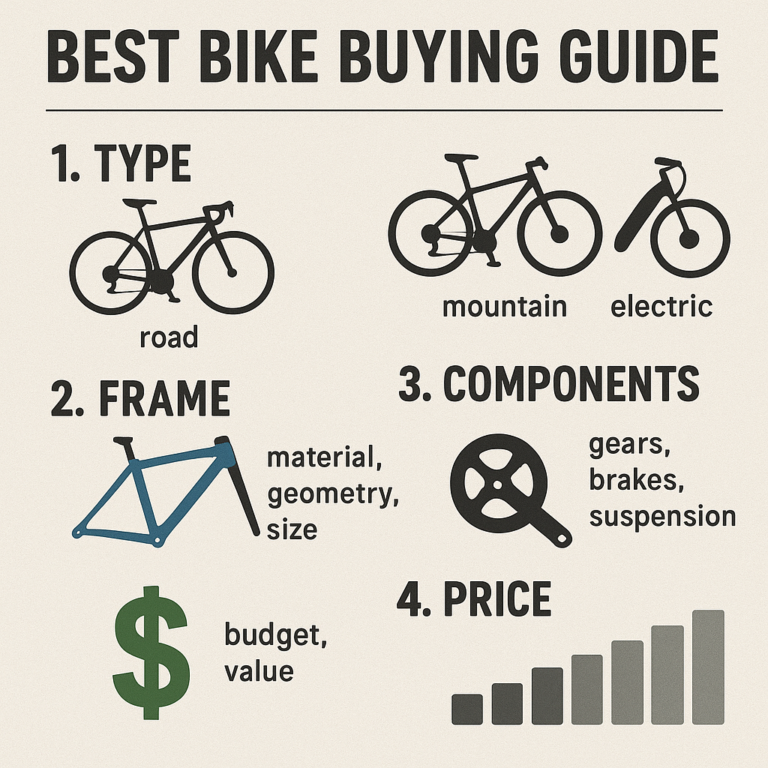
1. Determine Your Riding Style
- Road Racing: Look at the Emonda (climbing) or Madone (aero).
- Endurance/Long Distance: The Domane is your best bet.
- Gravel/Adventure: The Checkpoint is designed for this.
- Mountain Biking:
Trail/All-Mountain: Fuel EX
Downhill: Slash
Cross-Country: X-Caliber
Fun/Technical: Roscoe - City Commuting: FX series or Verve.
- E-Bikes: Powerfly (MTB), Rail (Trail), Allant+ (City).
2. Set Your Budget
- Entry-Level: Marlin, FX 1, Verve 1
- Mid-Range: Fuel EX 5, Domane AL 4, Checkpoint ALR 4
- High-End: Fuel EX 9, Domane SLR, Madone SLR
3. Consider the Components
Don’t just look at the frame. Check the groupset (Shimano, SRAM), wheels, and tires. A cheaper frame with better components might be a better value than a premium frame with cheap parts.
4. Test Ride!
Never buy a bike without test riding it. The fit is crucial. A bike that feels good in the store might be uncomfortable after an hour.
🔍 Common Issues and Maintenance Tips: What to Watch Out For
Even the best bikes have quirks. Here’s what to watch out for with Treks.
Common Issues
- Bontrager Tires: Prone to premature wear or bulging. Consider upgrading to Continental or Schwalbe.
- Spokes: Some models (like the FX 2) have reported broken spokes. Check tension regularly.
- Mate Paint: Avoid matte black if you want to avoid flaking issues.
- E-Bike Motors: The TQ50 motor has had some reliability issues. Check warranty terms carefully.
- Brakes: Hydraulic brakes on some models (like the Verve) have been reported to leak.
Maintenance Tips
- Regular Check-ups: Get your bike tuned up at least once a year.
- Clean the IsoSpeed: If you have a Domane or Madone, keep the IsoSpeed mechanism clean and lubricated.
- Inspect the Frame: Regularly check for cracks, especially around the bottom bracket and head tube.
- Document Everything: If you have an issue, take photos and keep records of all communications with the dealer or Trek.
Pro Tip: If your local dealer is unresponsive, don’t be afraid to contact Trek directly or file a complaint with the BBB. It often speeds up the resolution process.
🏁 Conclusion

So, is Trek the right brand for you? The answer is a resounding yes, but with caveats.
Trek is a brand with a rich history, innovative technology, and a vast network of dealers. Their bikes, from the Domane to the Fuel EX, are among the best in the world. However, the brand is not without its flaws. Warranty disputes, component failures, and inconsistent customer service are real issues that potential buyers must be aware of.
The Bottom Line:
- If you value local service, customization, and a proven track record, Trek is an excellent choice.
- If you are on a tight budget or prefer a DIY approach, you might find better value elsewhere.
- If you buy a Trek, do your homework: Check the warranty terms, inspect the components, and be prepared to advocate for yourself if issues arise.
Our Final Recommendation:
For most riders, a Trek Fuel EX or Domane offers the best balance of performance, comfort, and value. If you’re new to cycling, the Marlin or FX series are fantastic entry points. Just remember to buy from a reputable dealer and keep your receipts.
Did we answer your question about whether Trek is worth the hype? We hope so. But the real test is on the road. Get out there, ride hard, and see if your Trek lives up to the legend.
🔗 Recommended Links
Ready to find your perfect ride? Check out these trusted sources for the best deals and reviews.
- 👉 Shop Trek Bikes on Amazon: Trek Bicycles Search
- 👉 Shop Trek Bikes on Walmart: Trek Bicycles Search
- 👉 Shop Trek Bikes on eBay: Trek Bicycles Search
- Trek Official Website: Trek Bikes
- Best Mountain Bikes: Bike Reviews
- Electric Bike Guides: Electric Bikes
- City Bike Recommendations: City Bikes
- Bike Accessories: Bike Accessories
- Book Recommendation: The Bicycle: A History by David Gordon Wilson (Available on Amazon)
❓ FAQ

What is the history of Trek bicycles?
Trek was founded in 1976 in a small red barn in Waterloo, Wisconsin, by Richard Burke and Bevil Hogg. They started by hand-brazing steel frames to compete with European brands. The company grew rapidly, introducing OCLV carbon technology in 192, which revolutionized the industry. Trek dominated the Tour de France in the 20s and has since become a global leader in road, mountain, and e-bikes.
Read more about “🇯🇵 12 Top Rated Bicycles from Japanese Brands (2026)”
Are Trek bikes good for long-distance riding?
Yes, absolutely. The Trek Domane is specifically designed for long-distance endurance riding, featuring IsoSpeed technology to absorb road vibrations. The Checkpoint is also excellent for long gravel adventures. However, for pure speed on smooth roads, the Emonda or Madone might better choices.
Read more about “🚵 ♂️ 7 Key Features of a High-Quality Mountain Bike (2026)”
How do I identify the year of my Trek bicycle?
You can identify the year of your Trek by looking at the serial number on the bottom bracket. Trek uses a specific coding system where the first digit often indicates the year of manufacture. You can also check the model number and compare it to Trek’s historical model lists on their official website or forums.
Read more about “🚲 How to Spot a Quality Bike: 8-Point Inspection Guide (2026)”
What are the most reliable Trek mountain bike models?
The Trek Fuel EX and Trek Marlin are widely regarded as the most reliable mountain bike models. The Fuel EX is a versatile all-mountain bike with a strong reputation for durability, while the Marlin is a reliable entry-level hardtail. The Roscoe is also highly rated for its robust plus-tire design.
Read more about “🚀 6 Best Carbon Road Bikes for the Money (2026)”
Why do some Trek bikes have matte black paint that flakes?
Some users have reported that mate black paint on newer Trek models (like the Domane SL6) can flake after a few months. Trek has attributed this to “impact damage” in some cases, but many riders believe it is a quality control issue. If you are concerned about this, consider choosing a different color finish.
What is the difference between the Domane and the Emonda?
The Domane is an endurance road bike designed for comfort and long-distance riding, featuring IsoSpeed technology. The Emonda is a lightweight climbing bike designed for speed and efficiency on steep gradients. The Domane is more comfortable, while the Emonda is faster on climbs.
Are Trek e-bikes reliable?
Trek e-bikes, like the Powerfly and Rail, are generally reliable, but there have been reports of motor failures and battery issues after 1-2 years. It’s important to check the warranty terms for the motor and battery, as they often have a 2-year limit. Regular maintenance is crucial for e-bike longevity.
Read more about “🚲 Top 12 Urban Utility E-Bike Brands for 2026”
📚 Reference Links
- Trek Bicycle Corporation: Official Website
- Bontrager: Official Website
- Trustpilot Reviews: Trek Bicycle Reviews | 3 of 1
- The Velo Collective: Vintage Trek and Specialized Bikes
- Bike Brands™: Bike Brand Guides
- Bike Brands™: Bike Reviews
- Bike Brands™: Electric Bikes
- Bike Brands™: City Bikes